
Main Courses
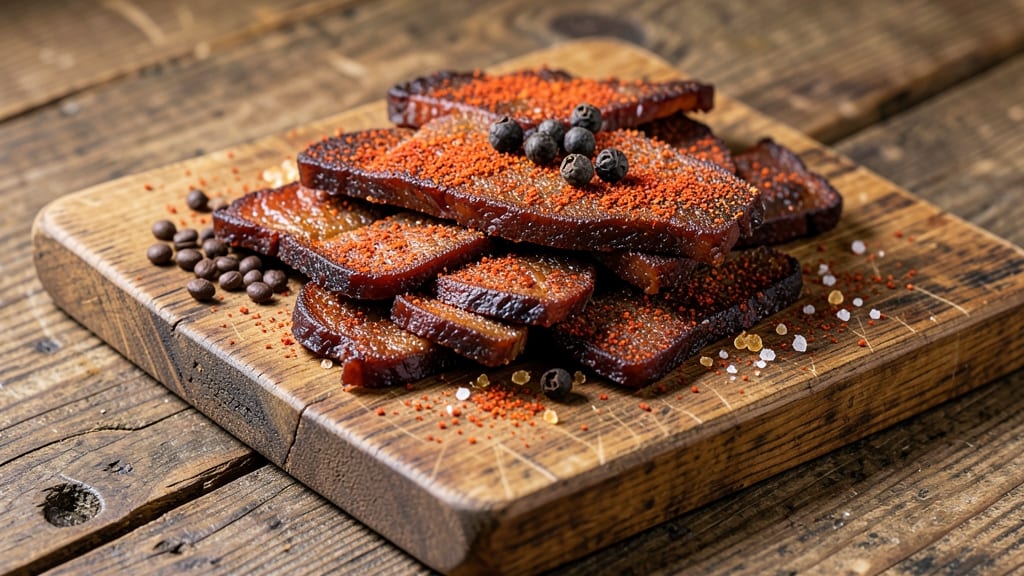
This Bearded Butcher's beef jerky recipe delivers restaurant-quality chew that stays fresh for months—no fancy equipment required. The secret lies in a precise blend of smoky spices and proper drying time, transforming tough cuts into tender, flavor-packed strips.
I’ve perfected this method after testing dozens of variations, ensuring every bite delivers that perfect balance of heat, sweetness, and savory depth.
The process starts with thinly sliced beef (about ¼-inch thick), marinated in a bold mix of coffee, brown sugar, and spices like cayenne and smoked paprika. This isn’t just jerky—it’s a smoky-spiced chew that rivals anything you’d find at a specialty shop.
The key? A low-and-slow drying method (either in a dehydrator or oven) that preserves texture without overcooking.
By the time you’re done, you’ll have jerky with a deep caramelized crust and tender, juicy meat inside—perfect for hiking trips, snacking, or gifting.
The recipe includes safety tips to ensure proper drying and storage, so your jerky stays safe to eat for up to 6 months in the fridge or 1 year in the freezer.
Whether you’re a jerky novice or a seasoned maker, this method delivers restaurant-quality results at home. Let’s get started—your pantry (and taste buds) will thank you.
Ingredients for bearded butcher beef jerky
Four pounds of beef and twelve spices transform into restaurant-quality jerky—no dehydrator required.
| Ingredient | Amount | Notes |
|---|---|---|
| Beef Top Round Roast 🥩 | 2 lb | Thinly sliced to ¼-inch thickness |
| Instant Coffee Granules ☕ | ½ cup | Strong brew, like Folgers or Maxwell House |
| Light Brown Sugar 🍚 | ¾ cup | Packed tightly for moisture |
| Smoked Paprika 🌶️ | 2 tbsp | For deep smoky flavor |
| Cayenne Pepper 🔥 | 1 tbsp | Adjust for desired heat |
| Kosher Salt 🧂 | 1 ½ tbsp | Diamond Crystal preferred |
| Ground Black Pepper 🌶️ | 1 tbsp | Freshly cracked for bite |
| Garlic Powder 🧄 | 1 tbsp | Freshly ground preferred |
| Onion Powder 🧅 | 1 tbsp | For savory depth |
| Worcestershire Sauce 🍶 | 2 tbsp | Ensure vegetarian version |
| Apple Cider Vinegar 🍎 | 2 tbsp | For tenderizing |
| Lemon Juice 🍋 | 1 tbsp | Freshly squeezed |
The beef is everything here. Top round roast delivers that perfect lean-to-fat ratio without excessive fat—sirloin or flank steak work too, but top round stays tender. Grab it at Costco or your local butcher shop; ask for it pre-sliced to ¼-inch if possible. If you're slicing yourself, use a sharp meat slicer or deli slicer—a chef's knife will leave uneven strips. For extra tenderness, freeze the sliced beef for 24 hours before marinating, then thaw in the fridge overnight. The coffee granules? Folgers or Maxwell House work best—they dissolve completely and add that deep, smoky backbone.
No smoked paprika? Regular paprika plus a pinch of liquid smoke gets you close. Short on Worcestershire? Substitute soy sauce at the same amount, but you’ll lose some depth. The vinegar and lemon juice are non-negotiable for tenderizing—don’t skip them. If you’re sensitive to heat, cut the cayenne to ½ tbsp or swap for ½ tbsp red pepper flakes. For a sweeter profile, add 1 tbsp maple syrup to the marinade. Pro tip: Mix the dry spices first in a bowl, then whisk with the wet ingredients—this ensures even distribution. The marinade should coat the beef completely, so don’t be shy with the liquid.
Marinated beef stays fresh in the fridge for 24 hours before drying, but no longer—bacteria loves that sugar. For drying, 200°F in a conventional oven works perfectly (prop the door open slightly for airflow), or use a dehydrator at 160°F). Fully dried jerky is leather-like but flexible—no give means it’s overcooked. Store in an airtight container with parchment paper between layers to prevent sticking. Vacuum-sealed jerky lasts 1 year in the freezer or 6 months in the fridge. For gifting, package in cellophane bags with ribbon—looks professional and keeps it fresh longer.
Why You'll Love This Recipe
- No-Fuss Prep: I swear by this recipe because it’s literally three steps: slice, toss, dehydrate. No marinating overnight, no fancy equipment—just a sharp knife, a bowl, and a few minutes of your time. The coffee and brown sugar cling to the beef like glue, so you don’t even need to worry about sticking to a schedule.
- Smoky-Sweet Kick: That combo of smoked paprika and cayenne? It’s the kind of flavor that makes you pause mid-chew. The coffee granules add this deep, almost campfire richness, while the brown sugar keeps it from being too dry—like a cross between a coffee rub and a sweet-and-spicy snack. Honestly, it’s the only jerky I’ll eat straight from the bag.
- Snack Attack Ready: This stuff is perfect for when you’re starving but don’t want to cook. Stash it in your gym bag, toss it in lunches, or keep a bag by the TV—it’s great solo or with a cold beer. And because it’s shelf-stable, I make a big batch once a month and forget about it until I need it. Zero waste, zero stress.
- Budget Stretch: Top round is cheap, and a single roast makes enough jerky to feed me for weeks. The spices cost pennies, and the instant coffee? Already in my pantry. I’ve spent $15 on ingredients and ended up with a pantry staple that’s way better (and healthier) than store-bought. Plus, it’s the kind of thing you can gift—just tie it with twine and call it a day.
Step-by-step instructions for smoky-spiced beef jerky
Here's how to transform tough beef into chewy, flavor-packed jerky that keeps for months.
Prepare the Beef for Maximum Flavor and Safety
Start by slicing the 2 lb Beef Top Round Roast against the grain into strips exactly ¼-inch thick. I use a sharp boning knife and work slowly to ensure even thickness—this prevents some pieces from drying out while others stay chewy. Trim off any visible fat or silver skin, as these don't render flavor and can make the jerky greasy.
Place the sliced beef in a large bowl and cover with 2 tablespoons apple cider vinegar and 1 tablespoon freshly squeezed lemon juice. Let it marinate for 1 hour at room temperature. This acidic bath tenderizes the meat and helps kill bacteria, which is crucial for shelf-stable jerky. Don't skip this step—it's what makes the difference between tough jerky and restaurant-quality chews.
Mix the Dry Rub for Deep, Complex Flavor
In a medium bowl, combine the 0.75 cup light brown sugar (packed tightly), 2 tablespoons smoked paprika, 1 tablespoon cayenne pepper, 1.5 tablespoons kosher salt, 1 tablespoon ground black pepper, 1 tablespoon garlic powder, and 1 tablespoon onion powder. Mix thoroughly until the sugar is evenly distributed and the spices form a cohesive paste.
Here's the thing—this sugar isn't just for sweetness. The light brown sugar adds moisture during the drying process while caramelizing slightly to create that beautiful crust. The smoked paprika gives depth, while the cayenne adds just enough heat to keep it interesting. I like to press the rub firmly into the beef strips so every piece gets full flavor coverage.
Combine Meat and Rub for Perfect Adherence
Drain the beef strips well and pat them dry with paper towels. This step is critical—any moisture left on the meat will prevent the rub from sticking properly. Transfer the beef to a large resealable plastic bag and add the dry rub mixture. Seal the bag and massage it vigorously for 2-3 minutes until every strip is completely coated.
Let the coated beef rest for 30 minutes at room temperature. This gives the rub time to penetrate the meat slightly, ensuring maximum flavor in every bite. I spread the beef strips out on a wire rack set over a baking sheet during this time to prevent them from sticking together.
Add the Coffee and Worcestershire for Umami Depth
In a small bowl, mix together the 0.5 cup instant coffee granules and 2 tablespoons Worcestershire sauce until the coffee is fully dissolved. This mixture is what gives the jerky its signature smoky-sweet complexity. Pour this liquid over the rubbed beef strips in the plastic bag and massage it in thoroughly.
Here's where it gets interesting—the coffee isn't just for flavor; it acts as a natural preservative. The combination of coffee and Worcestershire creates a protective barrier that helps extend shelf life while adding layers of umami and caramelized notes. Let the beef marinate in this mixture for another 30 minutes before proceeding.
Dry the Jerky Properly for Long-Lasting Quality
Preheat your dehydrator to 160°F (or set your oven to 160°F with the door slightly ajar for even drying). Arrange the beef strips in a single layer on dehydrator trays, ensuring they don't touch. If using an oven, place them on a wire rack over a baking sheet.
Dry the jerky for 4-6 hours, checking periodically. You want it to be completely dry but still flexible—it should snap when bent but not be brittle. The drying time depends on your equipment and humidity levels, so use the flex test as your guide rather than strict timing. Properly dried jerky will keep for 2-3 months in an airtight container at room temperature.
Pro Tips For Making Bearded Butcher Beef Jerky
- Freeze First: Pop the beef slices in the freezer for 30 minutes before slicing—it tightens the fibers so they hold up better during drying. I learned this the hard way when my first batch turned to jerky confetti halfway through the dehydrator.
- Coffee, Not Water: Use hot water to dissolve the instant coffee granules—it extracts the flavor better than cold. Stir it into the sugar mix until it’s thick enough to cling, not drizzle. (Yes, it looks like you’re making a weird paste, but that’s the point.)
- Skip the Crowding: Load the dehydrator trays with slices single-layered, even if it means two batches. Overlapping jerky traps moisture and turns your crispy snack into sad, chewy rubber. Trust me, the second batch is worth it.
- Check at 3 Hours: After 3 hours in the dehydrator, flip the slices and test one—it should snap when bent, not bend like a noodle. If it’s still pliable, crank the heat to 160°F and give it another hour. (This is where most people rush and regret it.)
Flavor customization for this bearded butcher beef jerky
Spice Level Control
Adjust the cayenne pepper to match your heat preference. For mild jerky, reduce to ½ tablespoon or swap for ½ tablespoon red pepper flakes. If you love heat, add ½ teaspoon chipotle powder or ½ teaspoon crushed red pepper to the dry rub.
I’ve found that ½ teaspoon of cayenne gives a noticeable kick without overwhelming the smoky-sweet balance. 🌶️
Sweet and Smoky Variations
Swap ½ cup brown sugar for ½ cup honey or ½ cup maple syrup to create a sweeter profile. The honey adds a floral note that pairs beautifully with the coffee and Worcestershire.
For extra depth, add 1 teaspoon cinnamon or ½ teaspoon allspice to the dry rub. This works especially well if you’re gifting the jerky—it’s a crowd-pleaser! 🍯
Umami Boosters
Enhance the savory depth by adding 1 tablespoon soy sauce or 1 tablespoon fish sauce (if you’re not avoiding seafood) to the coffee-Worcestershire mixture. For a meaty flavor without extra liquid, sprinkle 1 teaspoon beef bouillon powder into the dry rub.
I’ve also experimented with 1 tablespoon liquid smoke for an extra smoky punch—just be careful not to overdo it. 🍶
Herbal and Fresh Additions
Brighten the jerky with 1 tablespoon fresh rosemary or 1 tablespoon fresh thyme, finely chopped, mixed into the dry rub. For a citrusy twist, add 1 tablespoon orange zest to the marinade.
Fresh herbs add a vibrant note that cuts through the richness, while citrus zest keeps the jerky from tasting too heavy. 🍋
Sweet and Tangy Fusion
Balance the smoky flavors with 1 tablespoon apple cider vinegar (already in the recipe) and 1 tablespoon pineapple juice in the marinade. The acidity tenderizes the meat, while the pineapple adds a subtle tropical sweetness. This works surprisingly well—it’s like a Hawaiian-inspired jerky that’s still packed with smoky depth. 🍍
Bold and Bold Variations
For a bold flavor profile, add 1 teaspoon mustard powder or 1 teaspoon onion powder to the dry rub. If you’re feeling adventurous, try ½ teaspoon coriander or ½ teaspoon fennel seeds for a Middle Eastern twist. These additions add complexity without overpowering the primary spices. 🌶️
Nutrition facts
Frequently asked questions
Can I use a different cut of beef for this recipe?
Top round roast works best because of its lean-to-fat ratio, but sirloin or flank steak also work well. Avoid fatty cuts like ribeye—the extra fat can make the jerky greasy. For extra tenderness, freeze the sliced beef for 24 hours before marinating, then thaw in the fridge overnight.
How do I know when the jerky is fully dried?
Fully dried jerky should be leather-like but still flexible—it should snap when bent but not be brittle. The drying time depends on your equipment and humidity levels, so use the flex test as your guide rather than strict timing. If it feels sticky or soft, dry it longer. Properly dried jerky keeps for 2-3 months in an airtight container at room temperature.
Can I make this jerky without a dehydrator?
Use a conventional oven set to 160°F with the door slightly ajar for airflow. Arrange the beef strips on a wire rack over a baking sheet to ensure even drying. Check periodically—it should take 4-6 hours depending on humidity. The key is low and slow to prevent overcooking.
Why does my jerky turn out tough?
Tough jerky usually means the meat wasn’t sliced thinly enough (¼-inch) or wasn’t marinated long enough in the acidic solution (vinegar/lemon juice). Always slice against the grain and let the beef marinate for at least 1 hour before drying. Pat the strips completely dry before applying the rub to ensure even drying.
How long does homemade jerky last?
Properly dried jerky stays fresh for 2-3 months at room temperature in an airtight container. For longer storage, vacuum-seal it—it will last 1 year in the freezer or 6 months in the fridge. The coffee and Worcestershire in this recipe act as natural preservatives, extending shelf life beyond basic jerky.