
Main Courses
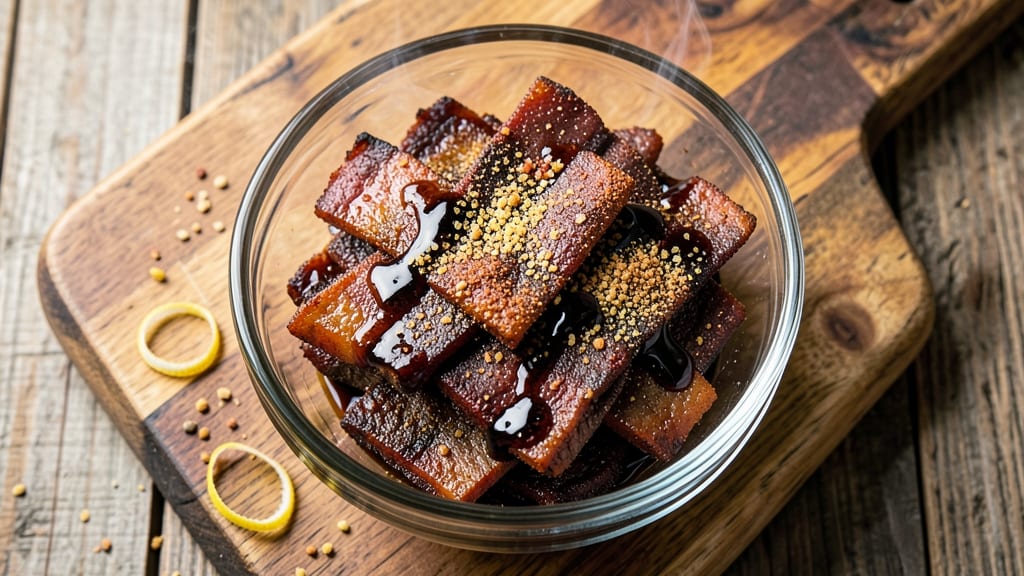
This BBQ beef jerky recipe dehydrator transforms tough cuts into smoky-sweet, shelf-stable strips that rival your favorite store-bought—but with better flavor and no preservatives. After years of perfecting the balance between tender texture and bold smokiness, I’ve developed a method that delivers restaurant-quality jerky without the freezer. The dehydrator’s gentle heat preserves moisture while concentrating the marinade’s depth, creating chewy, flavorful bites that last for months.
The secret lies in the marinade: a blend of molasses, brown sugar, and smoked paprika that caramelizes during dehydrating, locking in that signature BBQ taste. You’ll work with lean cuts like flank steak or top round, sliced paper-thin against the grain for maximum tenderness.
At 160°F for 4-6 hours, the dehydrator does all the work while you check for that perfect snap—just firm enough to hold its shape but still pliable. Safety is key here, so we’ll cover proper resting times and storage to ensure your jerky stays safe to eat for weeks.
What you’ll end up with is jerky that’s rich, smoky, and sweet—each bite packed with the kind of depth you’d expect from a slow-smoked competition rib. The texture is chewy yet firm, with a satisfying snap that makes every strip worth the wait.
This isn’t just jerky; it’s a project that turns a simple cut of beef into a pantry staple, perfect for hiking trips, emergency snacks, or gifting to friends who love bold flavors. The best part? No freezer required.
Whether you’re a dehydrator newbie or a seasoned pro, this method is foolproof. We’ll walk through every step—from slicing to marinating to dehydrating—so you can achieve jerky that’s restaurant-quality at home. Ready to turn raw beef into a shelf-stable masterpiece? Let’s get started.
Ingredients for bbq beef jerky recipe dehydrator
Lean beef, bold spices, and a marinade that transforms tough cuts into restaurant-quality jerky—no freezer needed.
| Ingredient | Amount | Notes |
|---|---|---|
| Lean Beef (Flank Steak or Top Round) 🥩 | 2 lb | Sliced paper-thin against grain |
| Molasses 🍯 | ½ cup | Unsulphured for best flavor |
| Brown Sugar 🍚 | ½ cup | Light or dark variety |
| Smoked Paprika 🌶️ | ¼ cup | High-quality, not instant |
| Worcestershire Sauce 🍶 | ¼ cup | Anchovy-free version preferred |
| Apple Cider Vinegar 🍎 | ¼ cup | For tangy depth |
| Garlic Powder 🧄 | 2 tbsp | Freshly ground preferred |
| Onion Powder 🧅 | 2 tbsp | For aromatic base |
| Black Pepper 🌶️ | 1 tbsp | Freshly cracked |
| Salt 🧂 | 1 ½ tbsp | Diamond Crystal kosher |
| Ground Cayenne Pepper 🔥 | 1 tsp | Adjust for heat preference |
| Liquid Smoke 💨 | 1 tsp | Optional for extra smokiness |
| Water 💧 | 1 cup | For marinade consistency |
The beef is everything here. Flank steak or top round are your best bets—they’re lean but still tender enough to slice thin. Grab it from the butcher section, not pre-packaged, for the freshest cut. Look for good marbling (those little white streaks of fat) to keep it from drying out completely. If you’re using a whole cut, slice it paper-thin against the grain—this is non-negotiable for chewiness. I like to freeze the beef for 30 minutes first to make slicing easier. Costco or local butchers usually have the best prices on bulk cuts, but any grocery store will do if you’re in a pinch.
No molasses? Maple syrup or honey works in a bind, but molasses gives that deep, caramelized BBQ flavor. The Worcestershire sauce adds umami—Lea & Perrins is the gold standard, but any anchovy-free version will do. For extra smokiness without liquid smoke, add 1 tbsp smoked salt to the marinade. The spices? Don’t skimp—Penzeys or bulk bins have the freshest ground spices. If you’re making a big batch, double the marinade and split it between containers. The vinegar can sting fresh cuts, so let the beef soak in the marinade for at least 12 hours (overnight is best).
Marinated beef keeps in the fridge for up to 2 days before dehydrating. Once dehydrated, your jerky will stay safe for 2 weeks at room temperature or 6 months in the freezer if you’re prepping for a big trip. Store it in an airtight container with parchment paper between layers to prevent sticking. For gift-giving, package it in vacuum-sealed bags—it’ll last for months and look professional. Pro tip: Label with the date and flavor so you don’t forget what you made!
Why You'll Love This Recipe
- No-Fuss Prep: I swear by this marinade—just whisk molasses, brown sugar, and Worcestershire together, then let the beef soak for 12 hours (or overnight if you’re me, because I’m lazy). No fancy steps, no measuring cups of weird spices—just five ingredients and a bowl.
- Smoky-Sweet Magic: That molasses and smoked paprika combo? It’s like a slow-cooked BBQ feast in every bite, but without the hours of grilling. The brown sugar caramelizes during dehydrating, giving it this perfect chewy-crisp texture that’s addictive.
- Snack Attack Ready: Honestly, this jerky is my go-to for road trips, gym bags, or when I’m craving something salty but don’t want chips. It keeps for weeks in the fridge, so I always have emergency snacks—no more forgetting to pack lunch, ever again.
- Budget Meal Hack: A pound of flank steak makes way more jerky than you’d think, and it costs way less than pre-packaged stuff. Plus, the dehydrator uses minimal energy, so it’s cheap to make and even cheaper to store—win-win for my wallet.
Step-by-step instructions for smoky-sweet dehydrator jerky
Transforming lean beef into addictive, shelf-stable jerky requires precision—follow these steps for perfect texture and bold flavor.
Prepare the Marinade with Deep Flavor Layers
In a large bowl, combine the 0.5 cup molasses, 0.5 cup brown sugar, 0.25 cup smoked paprika, 0.25 cup Worcestershire sauce, 0.25 cup apple cider vinegar, 2 tbsp garlic powder, 2 tbsp onion powder, 1 tbsp black pepper, 1.5 tbsp salt, 1 tsp ground cayenne pepper, and 1 tsp liquid smoke. Whisk until fully dissolved—this ensures even flavor distribution.
Add the 1 cup water and stir again. The marinade should coat the back of a spoon with a thick, syrupy consistency. This balance of sweetness, smokiness, and acidity creates that signature BBQ jerky taste. Let it sit at room temperature for 10 minutes to meld flavors before using.
Slice the Beef Paper-Thin Against the Grain
Using a sharp boning knife, slice the 2 lb lean beef into strips ¼-inch thick and 1-inch wide, cutting against the grain for tender bites. Arrange the slices in a single layer on a tray—this prevents overlapping and ensures even drying. For best results, work quickly to avoid warming the meat.
Here's the thing—if slices are too thick, they'll dry unevenly and remain chewy. If too thin, they'll crumble. Aim for ¼-inch thickness—you'll know it's right when you can see light through the edges but still feel resistance. Pat dry with paper towels to remove excess moisture before marinating.
Marinate for 12-24 Hours (Longer = More Flavor)
Place the beef slices in a resealable plastic bag or airtight container and pour the marinade over them. Seal tightly and refrigerate for at least 12 hours, but 24 hours yields maximum flavor penetration. The acidity in the vinegar tenderizes the meat while the molasses and brown sugar caramelize slightly during dehydration.
After marinating, remove the beef and drain excess liquid—this prevents soggy jerky. Arrange the slices on dehydrator trays, leaving ½-inch space between each piece. Overcrowding traps moisture and creates uneven drying. For extra crispiness, you can lightly pat them dry again with paper towels before dehydrating.
Dehydrate at 160°F Until Leather-Like
Set your dehydrator to 160°F—this temperature ensures food-safe drying while preserving texture. Place the trays in the dehydrator and run for 6-8 hours, checking periodically. The jerky is done when it's leather-like but still pliable, with no moisture visible on the edges.
Here's how to test for doneness: pick up a piece and gently bend it. If it cracks but doesn't snap, it's perfect. If it feels rubbery or moist, return it to the dehydrator for another hour. If it's brittle, it's overdone. The goal is flexible, chewy jerky that stores well without being tough.
Cool and Store for Maximum Shelf Life
Let the jerky cool completely on the trays before transferring to an airtight container. Store in a cool, dark place for up to 3 months or freeze for 6 months. The molasses and brown sugar act as natural preservatives, while the dehydration process removes all moisture that could spoil the meat.
For best flavor, let the jerky sit in the container for 24 hours before eating—this allows the spices to fully infuse. Each bite should deliver a perfect balance of smoky, sweet, and slightly tangy flavors with a satisfying chew. This method guarantees jerky that's restaurant-quality and shelf-stable!
Pro Tips For Making Bbq Beef Jerky Recipe Dehydrator
- Freeze Before Slicing: Lean beef gets tough when dehydrated, but freezing it first changes everything. Pop the meat in the freezer for 30-60 minutes before slicing—it stays straighter and thinner, which means faster drying and better texture. I used to fight with warped slices until I tried this, and now I never go back.
- Pre-Cook the Marinade: Brown sugar and molasses caramelize when dehydrated, but if you skip this step, you’ll end up with sticky, uneven jerky. Simmer the marinade (sauce, sugar, spices) for 5 minutes until it thickens slightly—this ensures even coating and prevents clumping on the dehydrator trays. Sounds like extra work, but it’s the difference between jerky that sticks together and jerky that snaps cleanly.
- Watch the Heat Zones: Dehydrators aren’t all created equal, and the top and bottom racks often run hotter. Place your beef slices on the middle rack first, then rotate trays halfway through drying if your dehydrator has uneven heat. I learned this after burning the edges of my first batch—now I check the temperature with my hand (not too hot to hold for 5 seconds).
- Trim Fat Early, Trim Again Later: You already know to trim visible fat, but here’s the trick: after marinating, wipe the slices dry with paper towels and give them one last fat check. Any lingering fat won’t render out properly and can make the jerky greasy. This step takes 2 minutes but makes a real difference in texture and shelf life. I skip it sometimes, and the jerky still works—but it’s noticeably better when I don’t.
Troubleshooting great bbq beef jerky recipe dehydrator
Uneven Drying Spots
If your jerky has dry edges but still feels damp in the center, you’re likely dealing with uneven airflow. This happens when slices overlap or when your dehydrator’s fan isn’t circulating air properly. Fix it by rearranging slices so they’re ½-inch apart and parallel to the airflow direction.
For extra insurance, use a dehydrator with adjustable trays—like the Nesco FD-75A—to maximize airflow. I’ve also found that lightly misting slices with apple cider vinegar before dehydrating helps balance moisture evaporation. 🌡️
Rubbery or Chewy Texture
Rubbery jerky usually means it was overdehydrated or the beef wasn’t sliced thin enough. Check your temperature first—if it’s above 165°F, lower it to 160°F and let the jerky finish at that setting. For thicker slices, extend dehydrating time by 1-2 hours but monitor closely.
I’ve had success with soaking slices in cold water for 10 minutes before dehydrating if they’re too tough—this plumps them up slightly. The goal is leather-like, not rubbery—think of it like a well-worn leather belt, not a stiff shoe sole. 💪
Soggy or Sticky Jerky
Soggy jerky is almost always caused by excess moisture in the marinade or beef. Drain slices thoroughly after marinating and pat them dry with paper towels before dehydrating.
If your dehydrator isn’t powerful enough, try pre-drying slices on a baking sheet at 140°F for 30 minutes before transferring to the dehydrator. I also recommend using a food dehydrator with a strong fan—the Excalibur 3-Tray is my go-to for consistent results.
Avoid overcrowding trays, even if it means doing multiple batches. 🔥
Bitter or Harsh Flavors
If your jerky tastes bitter, it’s likely from overcooked spices or too much liquid smoke. Reduce the smoked paprika to 1 tbsp and liquid smoke to ½ tsp for a milder flavor. Let the marinade sit at room temperature for 10 minutes before using—this helps mellow out harsh notes.
I’ve also found that adding 1 tsp honey to the marinade balances bitterness with sweetness. For extra depth, marinate for 24 hours instead of 12—the longer soak softens the beef and mellows flavors. 🌶️
Jerky Sticking to Trays
Sticking happens when residual marinade caramelizes on the trays. Line trays with parchment paper or silicon dehydrator sheets to prevent this. If it’s too late and the jerky is stuck, soak the trays in warm, soapy water for 10 minutes before gently scraping with a plastic spatula.
For future batches, pat slices extra dry before dehydrating and avoid over-marinating—stick to the 12-24 hour window. I keep a stash of parchment paper cut to tray size for quick swaps mid-dehydration. ✨
Nutrition facts
Frequently asked questions
Can I use a different cut of beef besides flank steak or top round?
You can use sirloin tip or round steak for similar results, but avoid fatty cuts like ribeye—they won’t dehydrate properly. For extra-lean options, chuck roast works if you trim all visible fat first. The key is lean but tender meat with minimal marbling.
How do I adjust the recipe for a smaller dehydrator?
Halve the marinade and beef quantities, then dehydrate in batches to avoid overcrowding. Use 3-4 hours at 160°F per batch, checking for doneness between runs. Smaller dehydrators need more frequent monitoring to prevent uneven drying.
What if I don’t have a dehydrator? Can I use an oven?
Yes! Preheat your oven to 175°F (the lowest setting) with the door slightly open for airflow. Place slices on a wire rack over a baking sheet and bake for 3-4 hours, flipping halfway. Use a thermometer to confirm internal temp reaches 160°F.
Why does my jerky turn out too tough?
Over-dehydration or thick slices cause toughness. Check your dehydrator temperature—it should never exceed 165°F. For thicker cuts, extend time by 1 hour but monitor closely. The jerky should bend like leather, not snap like a cracker.
Can I make this jerky spicier or sweeter?
For more heat, add ½ tsp cayenne or 1 tsp chipotle powder to the marinade. For extra sweetness, increase brown sugar to ¾ cup or add 2 tbsp honey. Adjust to taste—balance is key!