
Main Courses
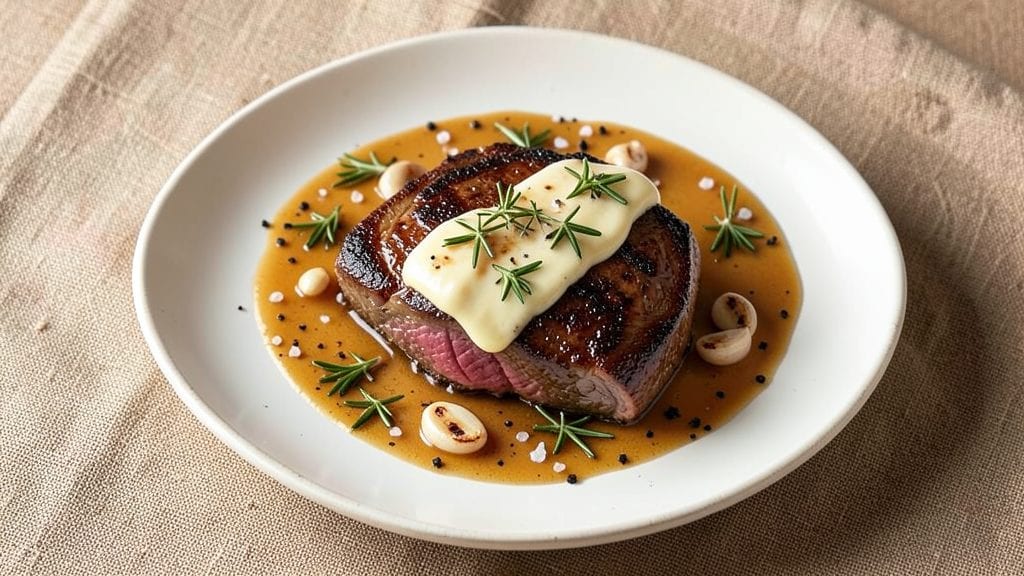
Ina Garten’s Barefoot Contessa beef tenderloin recipe delivers a restaurant-quality roast with a perfect pink center and herb-infused crust every time. I’ve recreated this classic technique after years of testing—starting with a dry brine that transforms tough cuts into melt-in-your-mouth tenderness.
The secret lies in precise temperature control and basting with butter, just like Ina’s method.
This recipe begins with a simple yet effective dry brine—kosher salt and black pepper applied 24 hours ahead of cooking. That step ensures the beef stays juicy while developing a flavorful crust.
Roasting at 425°F creates a golden-brown exterior, and a thermometer guarantees the perfect internal temperature of 130°F for that signature pink center. No guesswork, just foolproof results.
By the time you serve this tenderloin, you’ll have a juicy, herb-kissed roast that slices effortlessly and pairs beautifully with roasted potatoes or a red wine reduction. The butter basting adds richness, while the dry brine keeps the meat impossibly tender.
This is the kind of dish that makes Sunday dinner feel like a special occasion—without the fuss.
For presentation, slice against the grain for even bites and garnish with fresh rosemary. Leftovers reheat beautifully for sandwiches or salads. Let’s make this perfectly tender centerpiece for your table.
Ingredients for barefoot contessa beef tenderloin
Six ingredients transform ordinary beef into a showstopping herb-kissed roast.
| Ingredient | Amount | Notes |
|---|---|---|
| Beef Tenderloin 🥩 | 4 lb | Center-cut, trimmed of silver skin |
| Kosher Salt 🧂 | 2 tbsp | Diamond Crystal preferred |
| Freshly Ground Black Pepper 🌶️ | 1 tbsp | Coarse grind for texture |
| Unsalted Butter 🧈 | ½ cup | Cold, cut into 1-inch cubes |
| Fresh Rosemary 🌿 | ¼ cup | Finely chopped, stems removed |
| Fresh Thyme 🌿 | ¼ cup | Leaves only, finely chopped |
| Garlic Cloves 🧄 | 6 cloves | Smashed, skin-on for flavor |
| Extra-Virgin Olive Oil 🫒 | 2 tbsp | High-quality, fruity variety |
| Red Wine 🍷 | ½ cup | Bold, dry variety like Cabernet |
| Beef Stock 🍲 | ½ cup | Homemade or high-quality store-bought |
| All-Purpose Flour 🌾 | 1 tbsp | For dredging if needed |
The beef tenderloin is non-negotiable here—center-cut, trimmed of silver skin for the best texture. Butcher shops often have the freshest cuts, but high-end grocery stores like Whole Foods carry excellent options too. Look for vibrant color and good marbling. I always buy a 4-pound roast—it’s perfect for 6 servings and leaves room for seconds. The dry brine (kosher salt and pepper) needs to be applied 24 hours ahead—this is where the magic happens, transforming tough cuts into melt-in-your-mouth perfection. If you’re short on time, 12 hours minimum still works, but 24 is ideal. Trust me, this step is worth every minute.
No fresh rosemary? Dried rosemary at one-third the amount works in a pinch, but fresh is absolutely essential for that signature Barefoot Contessa flavor. The garlic cloves can be roasted whole with the butter for extra depth—just toss them in the pan with the butter cubes before basting. Short on red wine? Beef stock plus a splash of balsamic vinegar mimics the depth beautifully. The olive oil should be extra-virgin—none of that cheap stuff. If you’re feeling fancy, infuse the butter with the herbs and garlic ahead of time (just melt the butter, let it cool, and refrigerate until ready to use). It’s an extra step, but worth the flavor.
This roast reheats like a dream—slice it thin against the grain and warm in a 350°F oven for 10-15 minutes with a splash of beef stock. Leftovers keep for 3-4 days in the fridge or 3 months in the freezer. For presentation, garnish with extra rosemary and a drizzle of reduced red wine. The crust will be golden and crisp, while the inside stays perfectly pink at 130°F—no overcooking here. Serve with roasted potatoes or a simple green salad for a restaurant-worthy meal.
Why You'll Love This Recipe
- Minimal Prep Required: I swear by this recipe because it’s literally three steps: season, sear, and baste. No brining, no fussing—just a quick rub of salt and pepper, a hot pan, and you’re done. The butter and rosemary melt into the beef while it rests, so you’re not stuck babysitting it.
- Butter-Rosemary Magic: That crispy crust with the rosemary-infused butter basting? It’s the kind of flavor that makes people pause mid-bite. The tenderloin stays juicy, but the edges get this golden, almost caramelized edge that’s ridiculously satisfying—like a fancy dinner without the pretension.
- Leftovers That Don’t Suck: Between us, most beef tenderloin leftovers turn out dry or sad. Not this one. The butter keeps it moist, so the next day you’re slicing it for sandwiches or salads, and it’s still solid. Plus, it’s cheaper than takeout—win.
Step-by-step instructions for herb-infused beef tenderloin roast
This method delivers melt-in-your-mouth tenderness with an aromatic herb crust—every cut reveals that perfect pink center.
Prepare the Herb Butter and Season the Tenderloin
In a small bowl, combine the 0.5 cup unsalted butter, 0.25 cup fresh rosemary, 0.25 cup fresh thyme, and 6 cloves garlic cloves (smashed). Mix until fully incorporated and form into a log shape by wrapping in plastic wrap. Chill for 30 minutes—this creates a flavorful crust that seals in juices.
Pat the 4 lb beef tenderloin dry with paper towels, then rub it generously with 2 tbsp kosher salt and 1 tbsp freshly ground black pepper. The salt will penetrate the meat while it rests, creating an ideal environment for even cooking. Place the tenderloin on a wire rack set over a baking sheet and refrigerate uncovered for 1 hour. This drying step is non-negotiable for crispy exterior and juicy interior.
Sear the Tenderloin for Maximum Flavor
Preheat your oven to 425°F. Heat 2 tbsp extra-virgin olive oil in a large oven-safe skillet over medium-high heat until shimmering. Place the tenderloin in the skillet and sear on all sides for 3-4 minutes per side until developing a deep golden crust. The oil should bubble vigorously—this creates the Maillard reaction that builds complex flavors.
Real talk: Don't rush this step. You want that crust to form before transferring to the oven. If the pan isn't hot enough, the butter will melt too quickly and you'll lose that crucial sear. Once golden, transfer the skillet to the preheated oven.
Roast with Herb Butter for Perfect Doneness
Remove the herb butter log from the refrigerator and press it firmly against the seared surface of the tenderloin. This ensures the butter melts and bastes the meat as it roasts. Roast uncovered for 20-25 minutes for a medium-rare center (internal temperature 125°F), or 30-35 minutes for medium (135°F).
The reason we wait until the oven is fully preheated is that cold air causes uneven cooking. Use a meat thermometer inserted into the thickest part—this is the only reliable way to achieve that perfect pink center. If you don't have one, start checking at the 20-minute mark and monitor closely.
Create the Red Wine Reduction Sauce
While the tenderloin rests, place the same skillet over medium heat and add 0.5 cup red wine. Scrape up any browned bits from the bottom with a wooden spoon—this is where all the flavor hides. Simmer for 3-4 minutes until reduced by half, then stir in 0.5 cup beef stock and 1 tbsp all-purpose flour. Cook for another 2 minutes until slightly thickened.
Here's where it gets fun—taste and adjust seasoning. You might need a pinch more salt or a crack of pepper to balance the acidity from the wine. Keep the sauce warm until ready to serve, but don't let it boil or it'll thicken too much.
Rest and Slice for Maximum Juiciness
Transfer the tenderloin to a cutting board and let it rest for 15-20 minutes before slicing. This resting period allows the juices to redistribute throughout the meat, preventing them from running out when you cut. The internal temperature will rise about 5°F during this time—carryover cooking ensures perfect doneness.
Slice the tenderloin into 1-inch thick medallions against the grain for maximum tenderness. Spoon the red wine reduction sauce over the top and serve immediately. Each slice should reveal that beautiful pink center with a crisp exterior and herb-infused butter basting the surface—absolute perfection in every bite.
Pro Tips For Making Barefoot Contessa Beef Tenderloin
- USE A MEAT THERMOMETER: The Barefoot Contessa recipe calls for medium-rare, but I learned the hard way—guessing by touch leads to overcooked meat every time. Aim for 125°F internal temp (130°F if you prefer medium). The thermometer’s quick—insert it into the thickest part, and don’t pull it out until you’re sure.
- SALT THE ROSEMARY FIRST: Fresh rosemary’s needle-like leaves clump like a pine tree if you toss them dry. Crush the sprigs lightly with your palm, then sprinkle with a pinch of kosher salt—this releases their oils and keeps them evenly distributed in the butter. (Yes, it sounds weird, but it works.)
- DON’T SKIP THE COLD START: The recipe says to bring the pan to medium-high, but I now swear by starting it cold with the butter. Melt the butter slowly over low heat—this prevents burning and lets the rosemary infuse properly. Once it’s foaming, then add the meat.
- REST IT UNDER FOIL: The Barefoot Contessa method skips tenting, but I’ve found 5–10 minutes under foil at room temp keeps the crust intact while the center finishes. No tenting? The outside dries out before the inside cooks. (Your future self will thank you.)
Flavor customization for barefoot contessa beef tenderloin
Herb Variations
Swap the rosemary and thyme for fresh sage and garlic—this Italian-inspired combo adds earthy depth. I’ve also tried fresh tarragon and parsley for a lighter, more delicate flavor profile.
For a French twist, use fresh thyme and marjoram with a pinch of herbes de Provence. The key is balancing the herbs so one doesn’t overpower the others. 🌿
Spice Infusions
Add 1 tsp smoked paprika or ½ tsp cayenne pepper to the dry brine for a subtle smoky kick. I once added ½ tsp ground coriander and ¼ tsp cinnamon for a Middle Eastern-inspired twist—it worked surprisingly well with the beef’s natural richness.
For heat lovers, a ½-inch slice of fresh ginger in the herb butter adds zing without overpowering. 🌶️
Umami Boosters
Enhance the depth by adding 1 tbsp soy sauce or 1 tsp fish sauce to the dry brine. I’ve also experimented with 1 tbsp Worcestershire sauce in the red wine reduction—it adds a savory punch that complements the beef beautifully.
For a vegetarian-friendly touch, use mushroom powder (like 1 tsp nutritional yeast) in the herb butter. 🍄
Sweet and Tangy
Drizzle 1 tbsp honey or 1 tsp balsamic glaze over the seared tenderloin before roasting for a caramelized crust. I once added ½ cup dried cherries to the red wine reduction—it sounds unusual, but the sweet-tart contrast was amazing.
For a citrus twist, zest 1 lemon into the herb butter or add 1 tbsp orange juice to the sauce. 🍯
Cheesy Crust Option
For a decadent twist, press ½ cup crumbled goat cheese or feta onto the seared surface before roasting. The cheese melts into a creamy crust while the meat cooks. I’ve also tried Parmesan crisps on top for extra crunch. Just be mindful—cheese can make the exterior soggy if overcooked. 🧀
Global Flavors
Transform this into a Korean-inspired bulgogi by adding 2 tbsp gochujang and 1 tbsp sesame oil to the herb butter. For a Mexican twist, use cumin, chili powder, and lime zest in the dry brine.
A Moroccan version could include ras el hanout and preserved lemon in the red wine sauce. Each adaptation keeps the core technique intact while adding exciting new layers. 🌍
Nutrition facts
Frequently asked questions
Why does the recipe call for a dry brine instead of just seasoning the beef right before cooking?
The 24-hour dry brine with kosher salt and pepper works like magic! It helps tenderize the beef while creating a flavorful crust. The salt penetrates deeply, breaking down proteins and ensuring juicy results. This step is what gives Ina Garten's recipe its signature perfection—no shortcuts here!
How do I know when the tenderloin is done without a meat thermometer?
If you don't have a thermometer, use the finger test! For medium-rare, press the thickest part gently—it should feel like the base of your thumb where it meets your palm. For medium, it'll feel firmer. But honestly, a thermometer at 130°F for pink perfection is foolproof.
Can I make this recipe ahead of time?
Slice the cooked tenderloin and store it in an airtight container with the red wine sauce. Reheat in a 350°F oven for 10-15 minutes with a splash of beef stock. The flavors actually improve overnight! Just slice against the grain before reheating.
What if my oven runs hot or cold?
Adjust the cooking time by 5-10 minutes if your oven runs hotter or colder than standard. Always check with a thermometer—130°F is your target for that perfect pink center. A meat thermometer is your best friend here!