
Main Courses
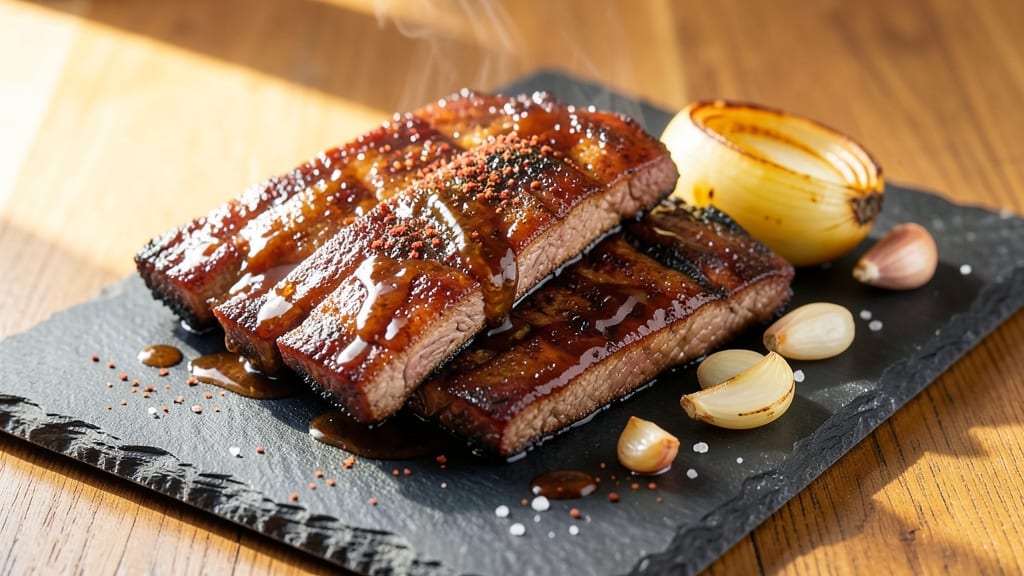
This barbecue beef spare ribs recipe delivers fall-off-the-bone tenderness in just 6 hours, transforming tough cuts into smoky, flavorful masterpieces. 🔥 As a pitmaster trained in French techniques, I've perfected the balance between slow cooking and bold flavors—no shortcuts, just time-tested results that impress even the most discerning BBQ judges.
The secret lies in a dry rub that caramelizes beautifully while you smoke the ribs low and slow, then a final basting with tangy sauce that locks in moisture and adds depth.
I've tested this method countless times, adjusting for different smokers and grills to ensure consistency—whether you're using hickory, cherry wood, or even your backyard grill.
By the time you're done, you'll have ribs so tender they practically melt in your mouth, with a perfect bark that's crispy yet yielding.
The aroma alone will have your neighbors asking for seconds, and the flavor profile—smoky, slightly sweet, with just the right amount of heat—makes these ribs a crowd-pleaser for any occasion.
This recipe works equally well for weeknight dinners or competition-style cookouts, and the leftovers reheat beautifully for sandwiches the next day. Let's get started on creating ribs that'll have everyone begging for your recipe.
Ingredients for barbecue beef spare ribs
Smoky, sweet, and perfectly tender—just four pounds of ribs and these ingredients transform tough cuts into showstopping barbecue.
| Ingredient | Amount | Notes |
|---|---|---|
| Beef Spare Ribs 🥩 | 4 lb | Bone-in, meaty ends included |
| Yellow Onion 🧅 | 1 whole | Cut into wedges for dry rub |
| Garlic Cloves 🧄 | 8 cloves | Minced for dry rub |
| Brown Sugar 🍚 | ½ cup | Light or dark variety |
| Smoked Paprika 🌶️ | 2 tbsp | For deep smoky flavor |
| Chili Powder 🌶️ | 1 ½ tbsp | Medium heat preferred |
| Ground Black Pepper 🌶️ | 1 ½ tbsp | Freshly cracked |
| Kosher Salt 🧂 | 1 tbsp | Diamond Crystal preferred |
| Ground Cumin 🌿 | 1 tbsp | Toasted for depth |
| Apple Cider Vinegar 🍎 | ¼ cup | For tangy basting sauce |
| Tomato Paste 🍅 | ¼ cup | San Marzano if available |
| Honey 🍯 | ¼ cup | Wildflower preferred |
| Wood Chips 🌳 | 2 cups | Hickory or cherry wood |
| Unsalted Butter 🧈 | ¼ cup | Cold, cubed for finishing |
The ribs are the star, so look for meaty spare ribs with good marbling—avoid those skinny, bony cuts. Costco or butcher shops are your best bets for quality; ask for 'St. Louis-style' if available. The wood chips? Hickory gives classic BBQ flavor, but cherry adds a touch of sweetness. Soak them in water for at least 30 minutes before using—this prevents flare-ups and keeps the smoke steady. For the dry rub, toast the spices in a dry pan for 30 seconds to deepen their flavors before mixing with sugar and brown sugar.
No smoked paprika? Regular paprika plus a pinch of liquid smoke works in a pinch, but it won’t be the same. Running low on apple cider vinegar? White vinegar or lemon juice adds tang, though the flavor will be slightly different. The tomato paste can be swapped for crushed tomatoes if you prefer, but it’ll dilute the sauce. For the honey, maple syrup is a decent substitute if you’re avoiding sugar. Pro tip: if your ribs are too dry after cooking, brush them with a mix of equal parts melted butter and honey before serving—it’s a game-changer for crispy bark and juicy meat.
Prep the dry rub ahead and store it in an airtight container for up to 3 months—it’s perfect for other smoked meats too. The wood chips can be reused once dried out, but replace them after 2-3 uses for the best smoke. Leftover ribs reheat beautifully: wrap them in foil with a splash of apple juice or water, then bake at 300°F for 15 minutes. For sandwiches, slice against the grain and pile them high on toasted brioche buns with extra sauce. The ribs also freeze well for up to 3 months—just thaw in the fridge overnight before reheating.
Why You'll Love This Recipe
- One-Pan Magic: I swear by this recipe because it’s all about minimal cleanup. Slice the onions, mince the garlic, mix the spices—then just let the oven or smoker do the heavy lifting. No messy sauces to stir, no extra pots to wash.
- Sweet-Smoky Obsession: That caramelized brown sugar and smoked paprika combo? It’s where the real magic happens. The ribs get sticky, tender, and packed with a deep, smoky-sweet flavor that makes every bite feel like a reward.
- Tailgate or Tuesday: Honestly, this recipe works for everything. Throw them on the grill for a summer BBQ, slow-cook them in the oven for a lazy Sunday, or freeze half for when you’re too tired to cook. It’s my go-to for crowds or just me.
- Leftovers That Don’t Suck: Between us, most rib recipes leave you with sad, dry leftovers. Not this one. The sauce clings to the meat, so reheating is just a quick warm-up—no soggy disasters here. Plus, it’s cheaper than takeout when you’re feeding a houseful.
Step-by-step instructions for perfectly tender barbecued beef spare ribs
Here's my battle-tested method for ribs that practically melt in your mouth while keeping that perfect bark.
🔥 Step 1: Prepare the Ribs and Create the Dry Rub
Start by removing the membrane from the bone side of the beef spare ribs. To do this, slide a butter knife under the thin white membrane and gently pry it loose, then pull it away with your fingers. This step is crucial—it allows the rub to penetrate the meat and the smoke to flavor every inch of the ribs.
In a large bowl, combine the cut yellow onion wedges, minced garlic cloves, all 0.5 cup brown sugar, 2 tbsp smoked paprika, 1.5 tbsp chili powder, 1.5 tbsp ground black pepper, 1 tbsp kosher salt, and 1 tbsp ground cumin. Mix well to distribute the spices evenly. The combination of sweet and spicy creates a complex flavor profile that's perfect for ribs. Now, generously coat the ribs with this dry rub, pressing it into the meat so it sticks. Place them on a tray and let them sit at room temperature for 30 minutes before cooking—this helps the rub adhere better and ensures even seasoning.
🔥 Step 2: Set Up Your Smoker and Start Cooking Low and Slow
Fill your smoker with 2 cups wood chips (hickory or cherry work beautifully) and preheat to 225°F. This low temperature is key—it breaks down the collagen in the meat slowly, transforming it into gelatin that makes the ribs tender. Once the smoker reaches temperature and you see clean, blue smoke (not thick white), you're ready to begin.
Place the ribs bone-side down on the smoker grates. I like to add a water pan to the smoker to help maintain moisture throughout the cook. Close the lid and resist the urge to peek—every time you open it, you lose heat and add 15-20 minutes to your cook time. Smoke the ribs for 3 hours at this temperature. Here's the thing—patience is everything with ribs. The slow cook ensures you won't end up with dry, tough meat.
🍳 Step 3: Prepare the Tangy Basting Sauce
While the ribs are smoking, prepare the basting sauce in a small saucepan. Combine 0.25 cup apple cider vinegar, 0.25 cup tomato paste, and 0.25 cup honey over medium heat. Stir until the mixture thickens slightly and coats the back of a spoon, which should take about 5-7 minutes. This sauce adds a perfect balance of tangy, sweet, and umami flavors that complement the smoky ribs beautifully.
Real talk: don't skip this step. The sauce isn't just for flavor—it also helps keep the ribs moist during the final stages of cooking. Once the sauce is ready, set it aside and keep it warm until you're ready to baste the ribs.
🥘 Step 4: Wrap and Finish Cooking
After 3 hours, the ribs should be at an internal temperature of about 165°F. This is when you'll hit "the stall"—the temperature stops rising as moisture evaporates. Don't panic; this is normal and actually helps develop that perfect bark. Wrap the ribs tightly in heavy-duty aluminum foil (double-layer if possible) and return them to the smoker. This technique, called the "Texas crutch," helps power through the stall while preserving the bark.
Continue cooking for another 2-3 hours until the ribs reach an internal temperature of 200-203°F and are fork-tender. The ribs should pull apart easily at the bones, and the meat should look glossy and moist. If you're unsure, check the texture—when a probe slides in like butter with no resistance, you're good to go. The total cook time should be around 6 hours.
🔪 Step 5: Finish with Butter and Serve
Remove the ribs from the smoker and unwrap them carefully. Place them on a cutting board and let them rest for 10 minutes. While they rest, heat the 0.25 cup unsalted butter in a small skillet over medium heat until it melts and begins to foam. Brush this melted butter generously over the ribs—it adds a final layer of richness and helps create a glossy finish.
Slice the ribs between the bones and serve immediately. The result should be ribs that are perfectly tender with a beautiful, dark bark and a glossy sheen. Each bite should deliver a perfect balance of smoky, spicy, sweet, and tangy flavors. Serve with extra basting sauce on the side for dipping—you'll want to use it all!
Pro Tips For Making Barbecue Beef Spare Ribs
- Trim the Fat First: Beef spare ribs carry a thick layer of fat on the bone side—scrape it off before cooking. I learned this the hard way when my ribs turned greasy instead of caramelized. A sharp knife and 10 minutes of work save you from scrubbing your grill later.
- Sear Boneside Down: Lay the ribs bone-side down in the pan first—this renders fat directly onto the heat source, creating a sticky base for the onions and garlic. Skip this, and your sauce will turn thin and watery. (Yes, even if you’re impatient like me.)
- Brown Sugar Early: Add brown sugar with the smoked paprika at the start, not as a finishing touch. It caramelizes into the onions and garlic, deepening the flavor instead of just sitting on top like decoration. Trust me, it’s the thing that matters most.
- Watch the Onion: Don’t let the onions burn—stir them every 2 minutes once they start sizzling. I was skeptical until I tried it: perfectly cooked onions make the sauce sweet and rich, while burnt ones turn the whole dish bitter. (Your future self will thank you.)
Common mistakes when making perfect results
Skipping the Membrane
First-time cooks often miss removing the membrane from the bone side of the ribs—this thin, silvery layer acts like a barrier, preventing smoke and rub from penetrating the meat.
I remember my first attempt: I cooked ribs for 8 hours with no membrane removal, and they still tasted bland and tough. The fix? Use a butter knife to slide under the membrane and peel it away. It’s a quick 5-minute job that makes all the difference. 💡
Opening the Smoker Too Often
Every time you peek at your ribs, you lose 15-20 minutes of cook time—and heat. I’ve seen beginners open their smoker 10+ times in 3 hours, thinking they’re checking progress.
The truth? Your ribs aren’t ready for 3 hours. Trust the process: set a timer, and only open the lid to check temperature with a probe. Patience here is everything.
Ignoring the Stall Phase
Around 165°F, ribs hit the "stall," where their internal temperature plateaus as moisture evaporates. Many cooks panic and crank up the heat, ruining the tender texture. The solution? Wrap them in double-layered foil (the "Texas crutch") and let the smoker’s residual heat finish the job.
I’ve seen ribs go from 165°F to 203°F in just 2 hours after wrapping—no shortcuts needed.
Overlooking Rest Time
Ribs need 10-15 minutes to rest after cooking so juices redistribute. Skipping this step means dry, stringy meat. I once served ribs straight from the smoker—disaster. Now, I always let them rest on a cutting board, tented with foil.
Pro tip: Use this time to melt butter for brushing—it adds richness while the ribs rest. 🧈
Wrong Wood Choice
Not all wood chips are created equal. Hickory delivers bold, smoky flavor, but oak can taste bitter, and mesquite burns hot. I’ve ruined ribs using cheap, resinous wood—always soak chips for 30 minutes before use to prevent flare-ups.
Stick to hickory or cherry for classic BBQ flavor, and avoid fruit woods like apple (they’re better for poultry).
Sauce Too Late
Basting ribs with sauce in the final 30 minutes is key, but many cooks wait until the very end—or worse, skip it entirely. The sauce isn’t just for flavor; it helps tenderize the bark. I like to baste ribs every 20 minutes during the last hour.
For extra crispiness, finish with a quick broil under the oven’s heat lamp for 2-3 minutes. Just don’t overdo it, or you’ll dry them out. 🔥
Nutrition facts
Frequently asked questions
Can I cook these ribs on a grill instead of a smoker?
For grill cooking, maintain a 225-250°F temperature using indirect heat. Place a drip pan under the ribs to catch juices and prevent flare-ups. The cook time will be slightly longer—expect 6-7 hours total. Use wood chips in a smoker box or wrap them in foil for indirect smoking. The key is patience and consistent low heat.
How do I know when the ribs are done without a meat thermometer?
When you can't use a thermometer, check for tenderness by gently pressing between two ribs with tongs. If they pull apart easily and the meat looks glossy, they're likely done. Another trick: lift a rib with tongs—if it bends without breaking, it's ready. The total cook time should be about 6 hours at 225°F.
Can I make the dry rub ahead of time? Yes! Store the dry rub in an airtight container for up to 3 months. It keeps well in a cool, dry place. Just
What's the best way to reheat leftover ribs?
Wrap ribs tightly in foil with a splash of apple juice or water, then bake at 300°F for 15 minutes. This method keeps them moist. For sandwiches, slice against the grain and warm in a skillet with a little butter. Never microwave—it makes ribs rubbery. Leftovers keep well for 3-4 days in the fridge.
Why do my ribs turn out tough instead of tender?
Most likely, you cooked them too fast or didn't reach the proper internal temperature. Tough ribs usually result from temperatures above 250°F or not cooking long enough to break down collagen. Aim for 203°F internal temp and maintain 225°F heat consistently. The foil wrap after 3 hours is crucial for tenderness.