
Side Dishes
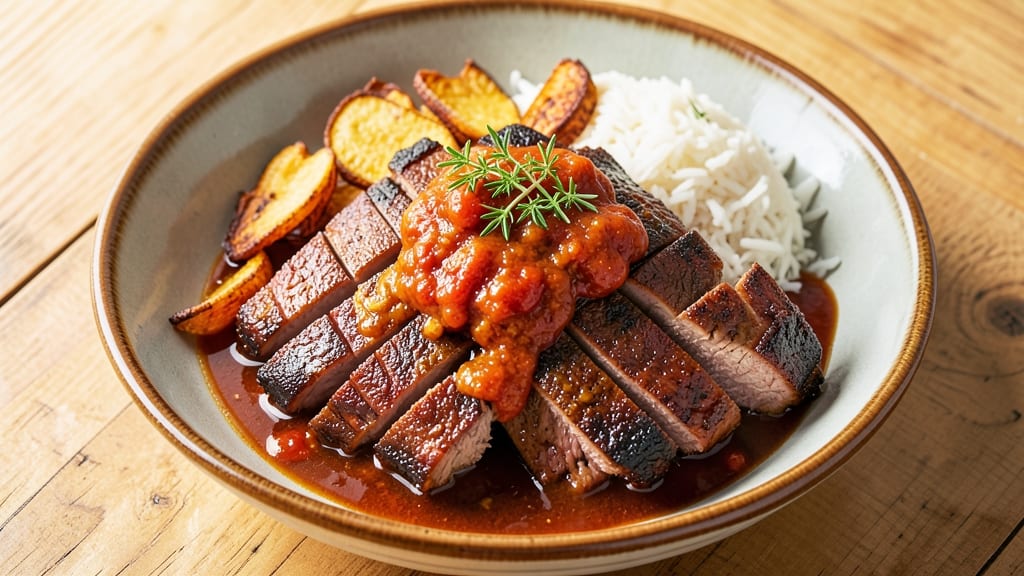
This Bahamian corned beef recipe transforms a simple brisket into a centerpiece for festive Sundays, where tender meat meets bold spices and spiced rum. The secret lies in a 24-hour brine—packed with allspice, thyme, and citrus—that infuses the meat with island flavors before it slow-cooks into melt-in-your-mouth perfection.
Unlike traditional corned beef, this version relies on Bahamian techniques: hardwood smoke notes (if available) and a deep, aromatic broth that reduces into a rich, sticky glaze.
The process is straightforward but requires patience: the meat brines overnight, then simmers for 3-4 hours until fork-tender, with the spiced rum adding depth and a subtle warmth. This isn’t just a dish—it’s a tradition, often served with pickled cabbage, fried dumplings, or cou-cou, turning a weeknight into a celebration.
The spices—allspice, ginger, and Scotch bonnet peppers—create a flavor profile that’s both familiar and distinctly Bahamian, with layers of heat and sweetness that linger.
What sets this apart is the slow-cooked tenderness and the way the spices meld into the meat, creating a dish that’s hearty enough for a family gathering but simple enough for a weekday dinner. The result?
A corned beef so flavorful it becomes the star, with every bite offering a balance of smoky, spiced, and slightly sweet notes. This is the kind of meal that makes Sundays feel special—no matter the occasion.
Ready to make it? The brining process starts the night before, so you can wake up to the aroma of spices and rum filling your kitchen. Here’s how to bring the flavors of the Bahamas to your table.
Ingredients for bahamian corned beef
Eight ingredients transform brisket into Bahamian Sunday centerpiece magic.
| Ingredient | Amount | Notes |
|---|---|---|
| Beef Brisket 🥩 | 4 lb | Flat cut, 1-inch thick |
| Spiced Rum 🍹 | 1 cup | Dark rum, 40% ABV minimum |
| Allspice Berries 🌶️ | 2 tbsp | Ground or crushed |
| Ground Ginger 🌿 | 1 tbsp | Freshly ground preferred |
| Scotch Bonnet Peppers 🌶️ | 1 whole | Seeds removed for mild heat |
| Fresh Thyme 🌿 | ½ cup | Stems removed, chopped |
| Bay Leaves 🍃 | 2 whole | Fresh or dried |
| Garlic Cloves 🧄 | 6 cloves | Peeled, smashed |
| Orange Juice 🍊 | ½ cup | Freshly squeezed |
| Apple Cider Vinegar 🍏 | ½ cup | Raw, unfiltered preferred |
| Kosher Salt 🧂 | 1 cup | Diamond Crystal preferred |
| Black Peppercorns 🌶️ | 1 tbsp | Freshly cracked |
| Brown Sugar 🍯 | ½ cup | Light or dark |
| Beef Broth 💧 | 2 cups | Low-sodium preferred |
| Hardwood Smoked Paprika 🌶️ | 1 tbsp | For smoky depth |
The brisket is non-negotiable—look for well-marbled flat cuts from a butcher or Costco for best results. If you can't find brisket, chuck roast works in a pinch, but it won't have the same tenderness. The spices are where the Bahamian soul lives: Penzeys Spices or bulk bins at Whole Foods for the best allspice and Scotch bonnet peppers. Fresh thyme and bay leaves elevate this beyond canned spice blends. For the rum, Captain Morgan Original or Bacardi Dark are reliable choices—avoid the flavored varieties. The vinegar? Bragg's apple cider vinegar has the right tang, but any raw vinegar works.
No spiced rum? Substitute with equal parts dark rum and orange juice—just add 1 tbsp extra brown sugar to balance. Fresh ginger is ideal, but ground ginger works at half the amount. If Scotch bonnet peppers are too fiery, swap for habanero at one-third the amount or remove entirely. The beef broth can be homemade or store-bought low-sodium—just avoid the canned versions with added MSG. For a smokier profile without actual smoke, liquid smoke at 1/2 tsp works in a bind. The brisket should be fully submerged during brining, so trim excess fat if needed—it's not about flavor, it's about texture here.
The brined brisket keeps in the fridge for 2 days before cooking, but plan ahead—this isn't a last-minute meal. Cooked meat reheats beautifully in the broth for 3-4 days, and the leftovers make incredible sandwiches. Portion the broth into ice cube trays for future soups or stews—it's that good. Store cooked meat in the juices to maintain moisture. Freeze for 3 months if you're prepping for a crowd, but thaw slowly in the fridge to preserve texture.
Why You'll Love This Recipe
- One-Pot Magic: I swear by this recipe because it’s literally dump-and-go after the initial prep. The brisket goes in with the spices, rum, and peppers—no flipping, no fussing—just simmering while you handle the rest of your day.
- Spice Bomb Flavor: That Scotch bonnet and allspice? It’s a flavor explosion you won’t find in your average corned beef. The ginger adds warmth, the rum deepens it, and suddenly, you’ve got something that tastes like a Bahamian beach vacation in every bite.
- Budget-Friendly Feast: Brisket is cheaper than sirloin, and the spices? A handful of allspice berries and a pepper go a long way. Between us, this is how I feed my family hearty meals without breaking the bank—plus, the leftovers stretch into sandwiches for days.
Step-by-step instructions for Bahamian corned beef
Here's how to transform a simple brisket into tender, rum-braised perfection for your Sunday feast.
Prepare the Brisket and Dry Cure
Begin by trimming any excess fat from the 4 lb beef brisket to about ¼-inch thickness, leaving just enough to protect the meat during cooking. Pat the brisket completely dry with paper towels—this step is crucial for developing that signature crispy exterior. In a small bowl, combine the 1 cup kosher salt, 1 tbsp freshly cracked black peppercorns, 2 tbsp allspice berries, 1 tbsp ground ginger, and 1 tbsp hardwood smoked paprika. Rub this dry cure generously over all sides of the brisket, pressing it into the meat so it adheres well.
Place the seasoned brisket on a wire rack set over a baking sheet and refrigerate uncovered for 12-24 hours. This dry curing process not only seasons the meat deeply but also helps draw out moisture, which will render beautifully during the braising process. The longer it cures, the more intense the flavor becomes—don't skip this step if you want that authentic Bahamian depth.
Build the Rum-Braised Marinade
In a large Dutch oven or heavy pot, combine the 1 cup spiced rum, 0.5 cup freshly squeezed orange juice, 0.5 cup apple cider vinegar, 2 cups beef broth, 0.5 cup brown sugar, 0.5 cup chopped fresh thyme, 2 whole bay leaves, 6 smashed garlic cloves, and the whole Scotch bonnet pepper (seeds removed for milder heat). Stir well to dissolve the sugar and combine all the flavors. This marinade is the soul of your Bahamian corned beef—its sweet, tangy, and spicy profile will infuse the meat beautifully.
Bring the marinade to a gentle simmer over medium heat, then reduce the heat to low and let it simmer uncovered for 10 minutes to allow the flavors to meld. You'll notice the liquid reduces slightly and the aroma becomes rich and complex. This pre-braising step ensures your meat goes into the oven with a flavor-packed bath that will transform it into something extraordinary.
Braise the Brisket Low and Slow
Preheat your oven to 300°F. Remove the brisket from the refrigerator and let it sit at room temperature for 30 minutes before cooking. Carefully place the brisket fat-side up in the Dutch oven with the warm marinade. The fat-side up positioning helps render the fat during cooking, which will baste the meat and contribute to its rich flavor. Cover the pot tightly with a lid or foil, then transfer it to the preheated oven.
Braise the brisket for 3 hours, then carefully flip it over and continue cooking for another 3 hours. The total cooking time should be 6 hours, but use a meat thermometer to check for doneness—it's ready when the internal temperature reaches 205°F and the meat is fork-tender. The slow cooking process is key here; it breaks down the tough connective tissue, resulting in melt-in-your-mouth tenderness. Resist the urge to peek or lift the lid, as this will release steam and lengthen the cooking time.
Rest and Serve with Pan Sauce
Once the brisket reaches the proper temperature, remove it from the oven and transfer it to a cutting board. Tent it loosely with foil and let it rest for 30-45 minutes. This resting period allows the juices to redistribute throughout the meat, ensuring each slice is moist and flavorful. While the brisket rests, skim any excess fat from the braising liquid in the Dutch oven, then return the pot to the stovetop over medium heat.
Simmer the reduced braising liquid for 5-7 minutes until it thickens slightly into a glossy sauce. Taste and adjust the seasoning with additional salt or pepper if needed. Slice the brisket against the grain into ¼-inch thick pieces and serve it with the pan sauce ladled generously over the top. This dish is perfect for your Sunday feast—pair it with steamed rice, fried plantains, or a simple green salad to complete the meal. The rich, spiced flavors will transport you straight to the Bahamas with every bite.
Pro Tips For Making Bahamian Corned Beef
- Sear the Brisket First: I used to skip this step, thinking the slow braise would handle it—but that crispy crust from a hot pan makes all the difference. Sear the brisket over medium-high heat for 3-4 minutes per side before adding liquid; it locks in flavor and keeps the meat from drying out later.
- Toast the Spices: Allspice berries and ground ginger need a quick dry toast in a hot skillet for 30 seconds—just until fragrant. This wakes up their flavors and cuts through the richness of the brisket. (Yes, even if you’re impatient like me.)
- Control the Scotch Bonnet: Wear gloves when handling Scotch bonnet peppers—they’re not messing around. For a milder heat, remove the white ribs and seeds, then finely dice the rest. Too much? The dish turns bitter. Too little? You miss the soul of the recipe.
- Baste with Rum: Don’t just dump the spiced rum in and walk away. Every 30 minutes, spoon that boozy liquid over the brisket—it caramelizes the spices and keeps the meat tender. (Your future self will notice the difference.)
Troubleshooting this dish
Meat Too Dry
If your corned beef turns out dry, the issue likely stems from overcooking or insufficient moisture during braising. First, ensure you're using a thermometer to monitor internal temperature—205°F is perfect, but don’t exceed 210°F.
The 6-hour braise time is ideal, but if your oven runs hot, reduce temperature to 275°F and extend time by 30 minutes. Always place the brisket fat-side up so rendered fat bastes the meat. For extra moisture, add ½ cup beef broth during the last hour of cooking. 🌡️
Bland Flavor Profile
Bland corned beef usually means the spices didn’t penetrate deeply enough. Start by doubling the dry cure time—let the brisket cure 24 hours uncovered in the fridge. For extra punch, toast the spices (allspice, thyme, and peppercorns) in a dry pan for 1 minute before rubbing onto the meat.
If using store-bought rum, opt for Bacardi Dark or Captain Morgan Original—cheaper rums lack depth. Finally, simmer the marinade longer (up to 15 minutes) to concentrate flavors before adding the meat. 🍹
Uneven Cooking
Uneven doneness often happens when the brisket isn’t fully submerged or the oven temperature fluctuates. Ensure the Dutch oven is large enough—the brisket should fit snugly but not be crowded. If your oven lacks consistency, use an oven thermometer to verify 300°F accuracy.
For extra insurance, sear the brisket in the Dutch oven for 2 minutes per side before braising to create a flavorful crust that locks in juices. Flip the brisket once at the 3-hour mark to promote even cooking. ⚡
Rum Smell Overpowers
Too much rum can dominate the dish, making it taste like a cocktail rather than corned beef. Reduce the rum to ½ cup and increase orange juice to ¾ cup to balance. For a subtler approach, simmer the marinade uncovered for 15 minutes to burn off excess alcohol.
If the aroma is still strong, add 1 extra bay leaf and 1 tbsp brown sugar to mellow the heat. Always use 40% ABV or higher rum—cheaper varieties have weaker flavors that linger. 🍊
Brisket Not Tender
Tough brisket usually means it didn’t cook long enough or lacked acidity to break down connective tissue. Extend braising time to 7 hours if needed, and increase vinegar to ¾ cup in the marinade. For tougher cuts, add 1 tbsp baking soda to the brine—it tenderizes by raising pH levels.
If using a chuck roast instead of brisket, braise for 8 hours and add 1 extra cup broth halfway through. Finally, slice against the grain for maximum tenderness. 💪
Broth Too Thin
A watery sauce often results from insufficient reduction or too much liquid. After braising, simmer the broth uncovered for 10-15 minutes to thicken. For extra body, mash 1 garlic clove and 1 tsp cornstarch into the broth, then simmer for 2 minutes.
If the broth is still thin, reduce it by half before adding the meat—start with 1 cup broth instead of 2. For a richer finish, deglaze the Dutch oven with 2 tbsp spiced rum after removing the brisket. 🔥
Nutrition facts
Frequently asked questions
Can I use a different cut of beef instead of brisket?
A chuck roast works in a pinch, but brisket is ideal for its tenderness. If substituting, increase braising time to 7-8 hours and add 1 extra cup broth halfway through. For best results, choose a well-marbled cut like flat-cut brisket—it stays juicier during slow cooking.
How do I make this dish less spicy?
Remove the seeds and membranes from the Scotch bonnet pepper before adding it to the marinade, or swap it for a mild habanero at half the amount. For extra mildness, reduce the pepper to ½ whole or omit it entirely. The rum and allspice will still deliver rich Bahamian flavor without heat.
Can I prepare this ahead of time for a party?
The brined brisket keeps in the fridge for 2 days before cooking. Cooked meat reheats beautifully in its juices for 3-4 days, and leftovers make amazing sandwiches. For large gatherings, double the recipe and reheat portions in the oven at 300°F for 1 hour with extra broth.
What sides pair best with Bahamian corned beef?
Traditional pairings include pickled cabbage, fried dumplings, or cou-cou (a cornmeal and okra dish). For a modern twist, serve with steamed rice, fried plantains, or a fresh mango salad. The spiced rum sauce also complements buttery mashed potatoes or roasted sweet potatoes.
Why does the recipe call for a 24-hour brine?
The overnight brine ensures deep flavor penetration and tenderizes the meat. The kosher salt, allspice, and ginger work together to break down fibers, while the orange juice and vinegar add brightness. Skipping this step results in less flavorful, firmer meat. For time constraints, 12 hours minimum is acceptable, but 24 hours delivers restaurant-quality results.