
Sauces & Condiments
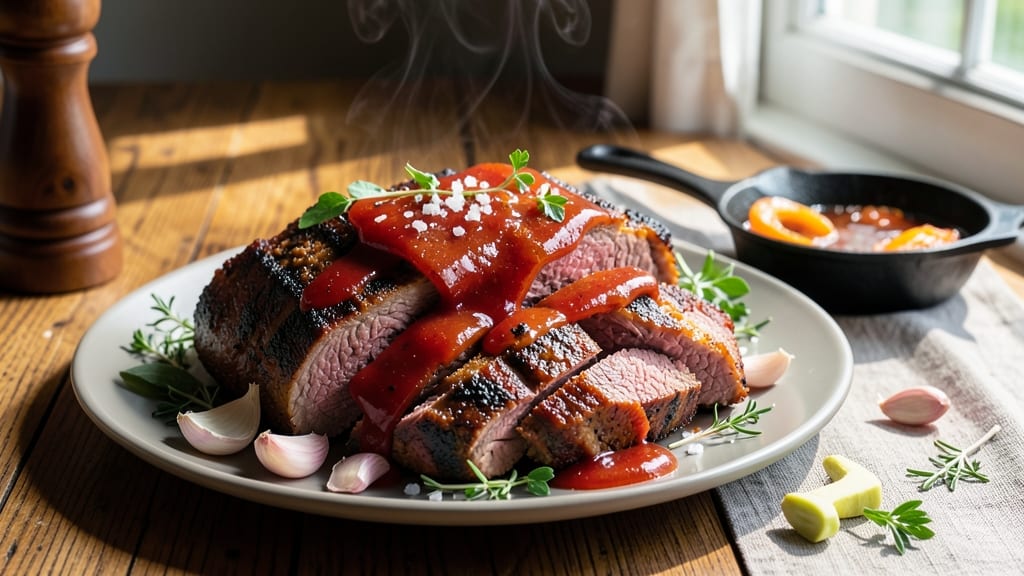
This apricot glazed corned beef recipe transforms a classic St. Patrick's Day centerpiece into something extraordinary with a sweet-tart sauce that caramelizes beautifully. The key lies in balancing traditional slow-cooking techniques with a modern fruit glaze that adds depth without overpowering the rich beef.
I've perfected this method over years of testing—each element must come together precisely for that perfect harmony of textures and flavors.
The process begins with a properly cured corned beef brisket, cooked low and slow until fork-tender, then finished with a vibrant apricot glaze that reduces into a glossy, sticky finish.
What makes this recipe special is the glaze itself—a blend of apricot preserves, vinegar, and spices that creates a perfect balance between sweet and tangy notes. The result is a dish that's both comforting and sophisticated, with a presentation that will impress even the most discerning guests.
By the time you serve this dish, you'll have perfectly tender corned beef with a glossy, caramelized crust that's irresistibly flavorful. The apricot glaze adds a beautiful contrast to the rich beef, creating a sauce that's perfect for drizzling over slices or serving on the side.
This recipe delivers restaurant-quality results with a method that's approachable for home cooks.
The beauty of this preparation is its versatility—serve it with classic accompaniments like cabbage and potatoes for a traditional meal, or pair it with roasted vegetables and crusty bread for a more modern twist.
The glaze can also be made ahead, allowing you to focus on cooking the corned beef without last-minute stress. Let's get started on creating this showstopping dish.
Ingredients for apricot glazed corned beef
Sixteen ingredients transform classic corned beef into a showstopping masterpiece with sweet-tart glaze magic.
| Ingredient | Amount | Notes |
|---|---|---|
| Corned Beef Brisket 🥩 | 4 lb | Properly cured, 3-4 inches thick |
| Apricot Preserves 🍑 | 1 ½ cups | High-quality, no added sugar |
| Apple Cider Vinegar 🍏 | ½ cup | For tangy brightness |
| Brown Sugar 🍚 | ½ cup | Packed, for caramelization |
| Garlic Cloves 🧄 | 6 cloves | Minced, for aromatic depth |
| Fresh Ginger 🌿 | 1 tbsp | Finely grated, fresh only |
| Mustard 🍯 | 2 tbsp | Dijon or whole-grain |
| Beef Broth 💧 | 2 cups | Low-sodium, homemade preferred |
| Bay Leaves 🍃 | 2 whole | Fresh or high-quality dried |
| Black Peppercorns 🌶️ | 1 tsp | Freshly cracked, for heat |
| Allspice Berries 🌿 | 4 whole | Crushed, for warmth |
| Yellow Onion 🧅 | 1 whole | Quartered, for broth |
| Carrots 🥕 | 2 whole | Whole, for broth |
| Celery Stalks 🥬 | 2 whole | Whole, for broth |
| Olive Oil 🫒 | 2 tbsp | For searing brisket |
The corned beef brisket is non-negotiable—look for pre-cured cuts at Whole Foods or your local butcher shop. A 3-4 inch thickness ensures even cooking, and good marbling guarantees tenderness. For the apricot preserves, Mott’s or Bon Appétit brands deliver that perfect balance of sweetness and tartness without artificial additives. Fresh ginger and garlic are absolute game-changers here; Penzeys Spices sells pre-minced ginger if you're short on time, but fresh is always better. The Dijon mustard adds a subtle tang that cuts through the richness of the beef—Amora is my go-to brand for consistent quality.
No apricot preserves? Peach preserves or even fig jam work beautifully—just adjust the vinegar to maintain balance. Short on time? Homemade beef broth is ideal, but low-sodium store-bought (like Pacific Foods) is a solid backup. The allspice berries can be tricky to find whole—McCormick sells them in bulk if you're not near a specialty store. For the vegetables in the broth, pre-cut mirepoix from Trader Joe's saves chopping time without sacrificing flavor. The olive oil matters too—California Olive Ranch extra-virgin has just the right peppery kick for searing.
This glaze can be made 3 days ahead—it actually tastes better after the flavors meld. Store it in an airtight container in the fridge, then reheat gently before drizzling. The corned beef keeps 4-5 days in the fridge, but the glaze-free version reheats best. For a crowd, double the glaze recipe—it freezes beautifully for up to 6 months. Pro tip: Brush extra glaze on the beef during the last 30 minutes of cooking for that restaurant-quality caramelized crust.
Why You'll Love This Recipe
- One-Pan Magic: I swear by this recipe because it’s all in one pot—no chopping onions, no stirring multiple sauces. Just sear the brisket, toss in the pre-made apricot preserves and vinegar, and let it simmer. The garlic cloves get soft and sweet while the beef stays juicy. That’s my kind of cooking.
- Sweet-Savory Balance: Honestly, the apricot glaze changes everything. The tangy vinegar and brown sugar caramelize into a sticky, jammy coating that cuts through the saltiness of the corned beef. It’s like a Sunday dinner got a gourmet upgrade—deep, rich, but still approachable. My picky-eater husband licks the plate clean.
- Leftovers for Days: Between us, this recipe makes way more than I need for dinner. The glaze thickens into a perfect sauce for sandwiches, and the shredded beef reheats beautifully. I’ve fed a crowd with it, packed it for lunches, and even used it to top mashed potatoes. It’s my lazy genius for feeding everyone without extra effort.
- Budget-Friendly Feast: Corned beef brisket is already a steal, but adding apricot preserves and vinegar turns it into a restaurant-quality meal for pennies. I’ll be real: the first time I made this, I thought, “This can’t be right—it’s too good.” But it’s not fancy; it’s just smart. Plus, the glaze stretches thin, so you get extra servings without breaking the bank.
Step-by-step instructions for apricot glazed corned beef
Transform your brisket with this sweet-tart glaze—rich, aromatic, and perfectly balanced.
Sear the Corned Beef Brisket for Deep Flavor
Pat the 4 lb Corned Beef Brisket dry with paper towels to remove any surface moisture. Heat 2 tbsp Olive Oil in a large Dutch oven over medium-high heat until shimmering. Place the brisket fat-side down and sear for 8-10 minutes until the fat renders and the skin develops a deep golden crust. Flip and sear the other side for another 6-8 minutes.
Here's the thing—searing creates a flavorful crust that locks in moisture during the long cook. If the oil starts smoking too aggressively, reduce the heat slightly. Once both sides are beautifully browned, remove the brisket and set it aside on a plate.
Build the Aromatic Broth Base
In the same Dutch oven, add 1 whole Yellow Onion (quartered), 2 whole Carrots, and 2 whole Celery Stalks (whole, not chopped). Sauté for 5 minutes until the vegetables soften slightly and release their natural sweetness. Add 6 cloves Garlic Cloves (minced), 1 tbsp Fresh Ginger (finely grated), and 1 tsp Black Peppercorns (cracked). Cook for another 2 minutes until fragrant.
Next, pour in 2 cups Beef Broth, scraping up any browned bits from the bottom of the pot. Add 2 whole Bay Leaves and 4 whole Allspice Berries (crushed). Bring to a gentle simmer, then return the brisket to the pot, fat-side up. Cover and transfer to a preheated 300°F oven.
Slow-Cook Until Fork-Tender
Cook the brisket for 3-3.5 hours until it's fork-tender and the internal temperature reaches 200-205°F. The meat should pull apart easily with minimal resistance. I like to check the temperature after 3 hours—if it's not quite there, return it to the oven for another 30-minute stretch.
During the final 30 minutes, you'll want to remove the brisket and tent it loosely with foil to prevent overcooking. The residual heat will carry it to perfection while you prepare the glaze. This resting period also lets the juices redistribute, ensuring every slice stays moist.
Create the Sweet-Tart Apricot Glaze
In a small saucepan, combine 1.5 cups Apricot Preserves, 0.5 cup Apple Cider Vinegar, 0.5 cup Brown Sugar (packed), and 2 tbsp Mustard. Bring to a gentle simmer over medium heat and cook for 8-10 minutes until the mixture thickens slightly and becomes glossy. Stir occasionally to prevent burning.
The glaze should coat the back of a spoon but still be pourable. If it thickens too much, add 1-2 tablespoons of water to loosen it. The vinegar adds a bright tang that cuts through the richness of the brisket, while the brown sugar deepens the caramel notes from the apricots.
Glaze and Rest for Maximum Juiciness
Return the brisket to the Dutch oven and pour the apricot glaze evenly over the top. Increase the oven temperature to 375°F and cook uncovered for 15-20 minutes, basting the brisket with the glaze every 5 minutes. This step caramelizes the glaze and creates a sticky, flavorful crust.
Once the glaze is bubbly and the brisket is beautifully glazed, remove it from the oven and let it rest for 15-20 minutes before slicing. This resting period is crucial—it allows the juices to settle back into the meat, preventing them from pooling on your plate. Slice against the grain for tender, melt-in-your-mouth perfection.
Pro Tips For Making Apricot Glazed Corned Beef
- Simmer Low and Slow: The corned beef needs time—don’t rush it. After the initial boil to remove excess salt, drop the heat to a gentle simmer (180°F/82°C) and let it cook for 2.5–3 hours. I used to crank the heat, thinking it’d speed things up, but that just turns the meat tough. Patience here guarantees tender slices.
- Deglaze with Vinegar First: That apple cider vinegar isn’t just for flavor—it’s for cleaning the pot. After browning the garlic, splash in ¼ cup of vinegar while the pan is still hot. Let it bubble for 30 seconds to lift up those caramelized bits before adding the preserves and sugar. Skipping this step leaves your glaze dull and flat.
- Strain the Preserves: Store-bought apricot preserves often have seeds or thick chunks that don’t break down. Strain them through a fine-mesh sieve into a small saucepan before heating. This ensures a silky glaze that coats the meat evenly—no surprise fruit bits in every bite. (Yes, it’s extra work, but trust me, it’s worth it.)
- Rest the Meat Before Slicing: Corned beef is juicy when hot, but it releases all that moisture as soon as you cut into it. Transfer the brisket to a warm plate, tent loosely with foil, and let it rest for at least 10 minutes. This keeps your slices clean and your glaze clinging to the meat instead of pooling in the pan. I know, I know—waiting is the hardest part.
Wine and beer pairings for this dish
Red Wine Pairings
For this sweet-tart masterpiece, a dry red wine with enough acidity to match the apricot's brightness works best. I recommend a Pinot Noir from Oregon—its delicate berry notes and subtle earthiness complement the glaze without overpowering the beef.
A Cabernet Franc from Loire Valley also shines, offering herbal and citrus undertones that harmonize beautifully. 🍷
If you prefer something bolder, try a Zinfandel from California—its jammy fruit and peppery finish stand up to the richness of the corned beef while balancing the apricot's sweetness. Avoid heavy, oaky wines like Cabernet Sauvignon, as they can clash with the glaze's fruity profile.
Crisp White Wines
A dry Riesling from Germany or Alsace is an unexpected but brilliant match—its crisp acidity and mineral notes cut through the fat while enhancing the apricot's tartness. I love a Kabinett-level Riesling for this dish, as its subtle sweetness mirrors the glaze without being cloying. 🍷
For a lighter option, a Sauvignon Blanc from New Zealand brings vibrant citrus and herbal notes that refresh your palate between bites. Look for one with noticeable stone fruit characteristics to complement the apricot flavors.
Beer Pairings
A Belgian Witbier like Hoegaarden or Stella Artois is my go-to beer pairing—its coriander and citrus notes create a perfect contrast with the sweet-tart glaze. The effervescence also helps cleanse your palate between rich bites. 🍺
For a heartier option, try a German Helles Lager—its malty sweetness and subtle caramel notes harmonize with the apricot while providing enough body to match the beef. Avoid heavy IPAs or stouts, as their bitterness can overpower the dish's delicate balance.
Non-Alcoholic Options
For a refreshing non-alcoholic pairing, try sparkling apple cider—its crisp acidity and apple notes mirror the vinegar in the glaze while providing a refreshing contrast. I love Martinelli's for its bright, clean finish. 🍎
Another excellent choice is ginger beer—the spicy kick complements the ginger in the recipe while adding a zesty contrast to the sweet glaze. Look for a non-alcoholic version with real ginger for the best flavor.
Nutrition facts
Frequently asked questions
Can I substitute apricot preserves with another fruit?
For a similar sweet-tart balance, try peach preserves or fig jam. Adjust the apple cider vinegar slightly—reduce by 1 tablespoon if using peaches (they're naturally sweeter) or increase by 1 tablespoon for figs (more intense flavor). The key is maintaining that bright acidity to cut through the beef's richness.
How do I know when the corned beef is fully cooked?
The brisket is done when it reaches an internal temperature of 200-205°F and is fork-tender. Insert a meat thermometer into the thickest part—it should read 200°F for perfect tenderness. If it's not quite there after 3 hours, extend cooking by 30 minutes and check again. The meat should pull apart easily with minimal resistance.
Can I make the apricot glaze ahead of time?
Yes! The glaze can be prepared 3 days ahead and stored in an airtight container in the fridge. Reheat it gently before using—simmer for 3-5 minutes until warmed through. For extra shine, add 1 teaspoon water while reheating. This makes prep day much easier!
What's the best way to serve this dish?
Slice the corned beef against the grain for maximum tenderness, then arrange it on a platter with the glaze drizzled over the top. Serve with classic sides like boiled potatoes, braised red cabbage, and crusty sourdough to soak up the sauce. For a modern twist, pair it with roasted Brussels sprouts and caramelized onions.
Why did my glaze turn out too thick?
This usually happens if you simmered it too long or used too much sugar. To fix it, whisk in 1-2 tablespoons of water while warm—this restores the proper pourable consistency. For prevention, reduce the glaze over medium-low heat and stir frequently. If it's still too thick after adding liquid, simmer briefly to blend. The glaze should coat the back of a spoon but still be pourable.