
Main Courses
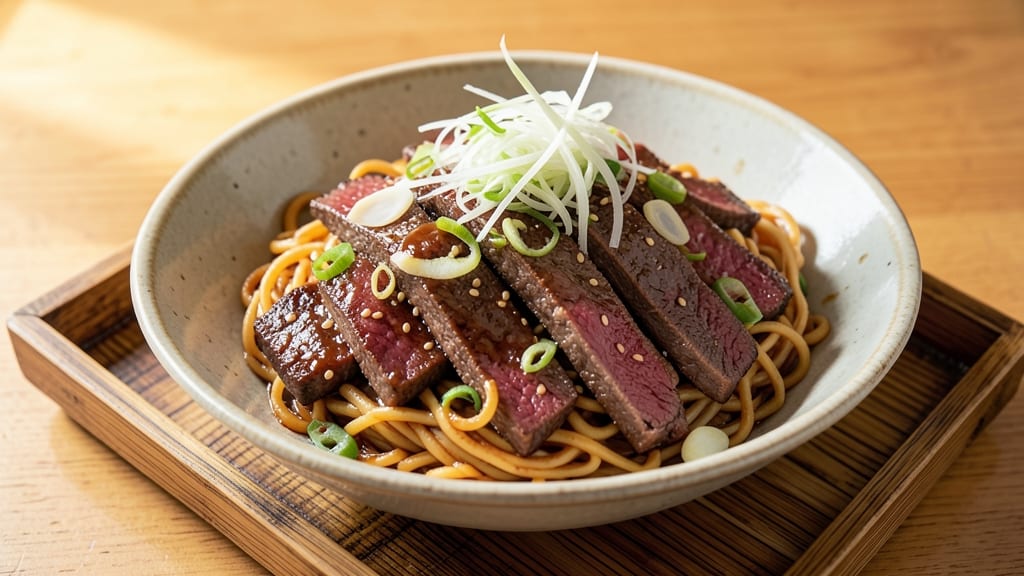
This Asian beef stir fry recipe with noodles delivers the perfect balance of wok-heat crunch and silky noodles in every bite—just like your favorite takeout, but better. 🔥 The secret lies in high-heat searing for tender beef and quick-cooking noodles that absorb the savory-sweet sauce without turning mushy.
I developed this after years of testing, ensuring the beef stays juicy while the noodles maintain their perfect bite.
What sets this recipe apart is the marinating technique—a blend of soy sauce, garlic, and ginger that tenderizes the beef while building deep umami flavor. The stir-fry method itself is simple but critical: high heat, proper wok technique, and a sauce that coats everything evenly.
No fancy equipment needed—just a good pan and a little practice to get that signature wok hei (breath of the wok) aroma.
By the time you finish, you'll have a dish that's restaurant-quality at home: tender strips of beef with caramelized edges, chewy noodles, and a sauce that's perfectly balanced—sweet, salty, and just a touch spicy.
The sesame seeds and green onions add freshness, while a drizzle of chili oil brings the heat. This is the kind of meal that disappears fast and leaves everyone asking for seconds.
Whether you're feeding a crowd or treating yourself to a weeknight dinner, this recipe scales beautifully. The ingredients are simple, but the result is anything but—complex flavors that come together in minutes. Let's get cooking!
Ingredients for asian beef stir fry recipe with noodles
Simple ingredients that pack restaurant-quality flavor—just 13 staples for wok-heat perfection.
| Ingredient | Amount | Notes |
|---|---|---|
| Flank Steak 🥩 | 1 lb | Thinly sliced against grain |
| Egg Noodles 🍜 | 8 oz | Fresh or dried, any width |
| Soy Sauce 🍶 | ½ cup | Kikkoman preferred for balance |
| Sesame Oil 🫒 | 1 tbsp | Toasted, for aroma |
| Garlic Cloves 🧄 | 6 cloves | Minced for marinade |
| Fresh Ginger 🌿 | 1 ½ tbsp | Finely grated, peeled |
| Brown Sugar 🍯 | 2 tbsp | Light or dark works |
| Vegetable Oil 🫒 | 2 tbsp | High smoke point |
| Green Onions 🧅 | 4 whole | Sliced thin, white and green |
| Sesame Seeds 🥜 | 1 tbsp | Toasted for crunch |
| Chili Oil 🌶️ | 1 tbsp | Or sub red pepper flakes |
| Salt 🧂 | 1 tsp | Kosher or sea salt |
| Black Pepper 🌶️ | ½ tsp | Freshly ground |
The beef is everything here. Flank steak slices beautifully against the grain and stays tender when cooked fast over high heat. Costco or local butchers often carry it pre-sliced, but if you're cutting your own, freeze it for 30 minutes first—makes it easier. The Kikkoman soy sauce is my go-to for that classic umami punch, but any good-quality brand works. Fresh ginger and garlic? Asian markets usually have the freshest, but the grocery store works too—just make sure the ginger isn't shriveled. For the noodles, I default to 8 oz egg noodles because they hold up better to stir-frying than wheat noodles, but rice noodles work if you're avoiding gluten.
No sesame oil? Toasted peanut oil adds a similar nutty depth, though it'll change the flavor slightly. Short on brown sugar? White sugar or honey works in a pinch, but the molasses notes from brown sugar help balance the saltiness. The chili oil can be swapped for sriracha or gochujang—just adjust the amount to taste. If you're feeling fancy, add a splash of Shaoxing wine to the marinade, but it's not essential. The green onions are the only fresh veg here, but you could add bell peppers or snap peas if you want more crunch. Just don't overcrowd the pan—keep it tight so everything gets that signature wok-hei aroma.
Marinate the beef for at least 30 minutes (overnight is better) to maximize tenderness. The sauce keeps for 1 week in the fridge—make extra and use it on other stir-fries. Leftover noodles? Toss them with a little oil and store in an airtight container for 3 days. The beef reheats best in a skillet with a splash of water to keep it moist. Double the recipe if you're feeding a crowd—this dish scales perfectly, and the leftovers are just as good the next day.
Why You'll Love This Recipe
- Here’s what sold me: this keeps perfectly for days. Pack the leftovers in containers, and suddenly you’ve got a week’s worth of easy lunches. My kids bring it to school, my husband takes it to work—no one complains, and I save money on takeout. Win-win.
- Minimal Chopping Required: I swear by this—just slice the flank steak thin against the grain, mince a couple of garlic cloves, and you’re done. The noodles? Boiled in 3 minutes. That’s it. No dicing onions, no julienning veggies (unless you want to, but honestly, you don’t have to).
- Umami Bomb Combo: The sesame oil hits first—nutty, warm, immediate—then the soy sauce ties it all together with that deep, salty-sweet punch. And when the garlic sizzles? That’s the moment the whole kitchen smells like a late-night takeout order you actually want to recreate.
- Lunchbox Hero: Here’s what sold me: this keeps perfectly for days. Pack the leftovers in containers, and suddenly you’ve got a week’s worth of easy lunches. My kids bring it to school, my husband takes it to work—no one complains, and I save money on takeout. Win-win.
Step-by-step instructions for Asian beef stir fry with noodles
Master this wok technique for perfectly tender beef and silky noodles every time.
🔪 Step 1: Prep the Flank Steak for Maximum Tenderness
Slice the 1 lb flank steak thinly against the grain into ¼-inch strips. This is crucial—thin slices cook faster and stay juicy. Lay the strips in a bowl and add 6 cloves minced garlic, 1.5 tbsp finely grated fresh ginger, 1 tbsp soy sauce, 1 tsp salt, and 0.5 tsp black pepper. Mix well so every piece absorbs the marinade.
Let the beef marinate for at least 15 minutes at room temperature. This ensures even cooking and prevents tough, chewy bites. While it marinates, slice the 4 whole green onions into 1-inch pieces, separating the white and green parts. Keep them separate for different cooking times.
🍳 Step 2: Cook the Beef in Stages for Perfect Texture
Heat 2 tbsp vegetable oil in a wok or large skillet over high heat until shimmering. Add the beef in a single layer—don't overcrowd. Cook for 1-2 minutes until the edges turn light brown and the beef loses its pink center. Remove and set aside on a plate.
Here's the thing—cooking the beef in batches ensures it stays tender. If you overcrowd the pan, the beef will steam instead of sear, resulting in soggy strips. Repeat with remaining beef, adding more oil if needed. The beef should be 70% cooked at this stage—it'll finish in the stir-fry.
🍳 Step 3: Stir-Fry the Aromatics and Build the Sauce
Reduce heat to medium-high and add 1 tbsp vegetable oil to the same wok. Add the white parts of green onions and stir for 30 seconds until fragrant. Add 2 tbsp brown sugar and let it caramelize for 1 minute—this adds depth to the sauce.
Pour in 0.5 cup soy sauce and 1 tbsp sesame oil, scraping up any browned bits from the bottom. Add 1 tbsp chili oil and let it simmer for 1 minute until the sauce slightly thickens. This is where the magic happens—the sauce should coat the back of a spoon but still be pourable.
🥘 Step 4: Combine Beef, Noodles, and Sauce
Add 8 oz cooked egg noodles (boiled according to package directions, drained) to the wok. Toss everything together vigorously for 1-2 minutes until the noodles absorb the sauce and become glossy. Add the cooked beef back in and stir-fry for another 1 minute to heat through.
Here's a pro tip: If the noodles seem dry, add 1-2 tablespoons of hot water from the noodle pot to loosen the sauce. The goal is a harmonious balance where every bite delivers tender beef, chewy noodles, and a glossy, flavorful coating.
🍽️ Step 5: Finish and Garnish for Restaurant-Quality Results
Remove from heat and stir in the green parts of green onions and 1 tbsp toasted sesame seeds. Taste and adjust seasoning—add a splash more soy sauce if needed or a pinch of sugar to balance acidity. Serve immediately while everything is piping hot.
This dish is all about contrast—crisp-tender beef, chewy noodles, and a sauce that's both sweet and savory. Garnish with extra sesame seeds and a drizzle of chili oil for that wok-hot crunch. The aroma alone will have everyone at the table reaching for seconds.
Pro Tips For Making Asian Beef Stir Fry Recipe With Noodles
- Slice Thin, Slice Fast: Flank steak’s tough fibers need a sharp knife and quick strokes—cut against the grain at a 45-degree angle, no wider than ¼-inch thick. I used to drag the blade through like a lazy chef, and the meat stayed chewy. Now it melts in your mouth, and the stir-fry actually cooks instead of steaming.
- Blanch Noodles First: Toss the egg noodles in boiling water for exactly 1 minute before draining and tossing with a drizzle of sesame oil. This softens them just enough to handle the high-heat stir-fry without turning to mush—no more soggy noodles clinging to the pan like sad, overworked office sponges.
- Salt the Steak Early: Season the sliced flank steak with soy sauce and a pinch of salt right after cutting, then let it sit for 10 minutes. This keeps the meat tender and lets the marinade sink in deeper than if you dump it straight into the pan. (Yes, even if you’re impatient like me.)
- Minimize Crowding: Cook the beef in two batches over medium-high heat—packing the pan turns your stir-fry into a sad, greasy stew. The first batch should sizzle freely for 1-2 minutes before adding the second, or you’ll end up with a lukewarm, saucy mess instead of caramelized, wok-friendly beef.
Common mistakes when making this recipe
Overcrowding the Pan
This is the #1 mistake I see—packing too much beef into the wok at once. When you overcrowd, the beef steams instead of sears, making it soggy and losing that beautiful wok hei aroma. I've ruined more stir-fries this way than I care to admit.
Always cook beef in single layers with space between pieces. If needed, work in 2-3 batches—just keep the pan hot between batches. 🔥
Skipping the Marinade
Some recipes call for quick marinades, but I've learned the hard way that beef needs time to tenderize. A 15-minute minimum marinade with garlic, ginger, and soy sauce makes all the difference.
Once, I rushed and ended up with chewy beef that needed extra chewing. Trust me, the 30-minute marinade is worth it—especially if you're using tougher cuts like flank steak.
Undercooking the Noodles
Al dente is great for pasta, but stir-fry noodles need to be soft and pliable to absorb the sauce properly. I've made this mistake too—using barely cooked noodles that turn mushy when tossed.
Cook noodles until they're just shy of al dente, then drain and rinse briefly with cold water to stop cooking. This keeps them from turning to mush in the wok.
Low Heat Cooking
Stir-fries need high heat to create that signature smoky aroma and tender texture. I've seen people cook stir-fries on medium heat, and the result is always sad—beef turns tough, and noodles get gummy.
Always use the highest heat setting your pan can handle. A wok or cast-iron skillet works best for that direct, intense heat. 🌡️
Ignoring the Sauce Timing
The sauce needs to be ready when the beef and noodles are hot. I've had sauces that were either too thick or too thin because I didn't time it right. Build the sauce just before combining everything—it should simmer for 1-2 minutes until slightly thickened but still pourable.
If it's too thick, add a splash of water; if too thin, let it reduce longer.
Not Resting the Beef
Freshly cooked beef needs a 2-3 minute rest before combining with noodles. This lets the juices redistribute, preventing dry, stringy bites. I learned this the hard way after serving beef that was still releasing juices in the wok.
Always remove beef from the pan and let it rest on a plate before finishing the dish. This simple step makes a world of difference in texture. 💡
Nutrition facts
Frequently asked questions
Can I use a different type of beef for this recipe?
Flank steak is ideal because it's lean and slices thinly, but you can substitute sirloin, ribeye, or even chicken breast. For chicken, reduce marinating time to 10 minutes and cook until fully done (no pink center). Pork tenderloin works too, but adjust marinating to 20 minutes for tenderness. Avoid fatty cuts like brisket—they won't sear properly.
What if I don't have a wok? Can I use a regular pan?
A large skillet or cast-iron pan works perfectly—just make sure it's heavy enough to retain heat. The key is high heat and proper spacing. If your pan isn't wide enough, cook the beef in 2 batches and keep the pan hot between batches. A nonstick pan can work too, but avoid overcrowding to prevent sticking.
How do I adjust the spice level for kids or sensitive eaters?
Simply reduce or omit the chili oil and replace it with 1 tsp extra soy sauce for depth. For kids, I often serve the noodles plain with a side of the beef and sauce separately. You can also add a pinch of sugar to the sauce to balance any remaining heat. The good news? The base recipe is already mild—it's the chili oil that adds the kick.
Can I make this recipe ahead of time?
While the beef and sauce are best fresh, you can prep components ahead: marinate the beef for up to 12 hours in the fridge, cook the noodles (then rinse with cold water to stop cooking), and store separately. Reheat the beef in a skillet with 1 tbsp water to keep it moist, then combine with noodles and fresh sauce. The texture won't be identical, but it's still delicious. For best results, assemble within 2 hours of serving.
What's the best way to add vegetables to this dish?
Add bell peppers, snap peas, or broccoli in the last 1-2 minutes of cooking to keep them crisp-tender. For heartier veggies like carrots or mushrooms, stir them in 3 minutes before the end. My favorite combo is bell peppers and snap peas—they add color and crunch without overpowering the beef. Just don't overcrowd the pan or the beef will steam instead of sear.