
Main Courses
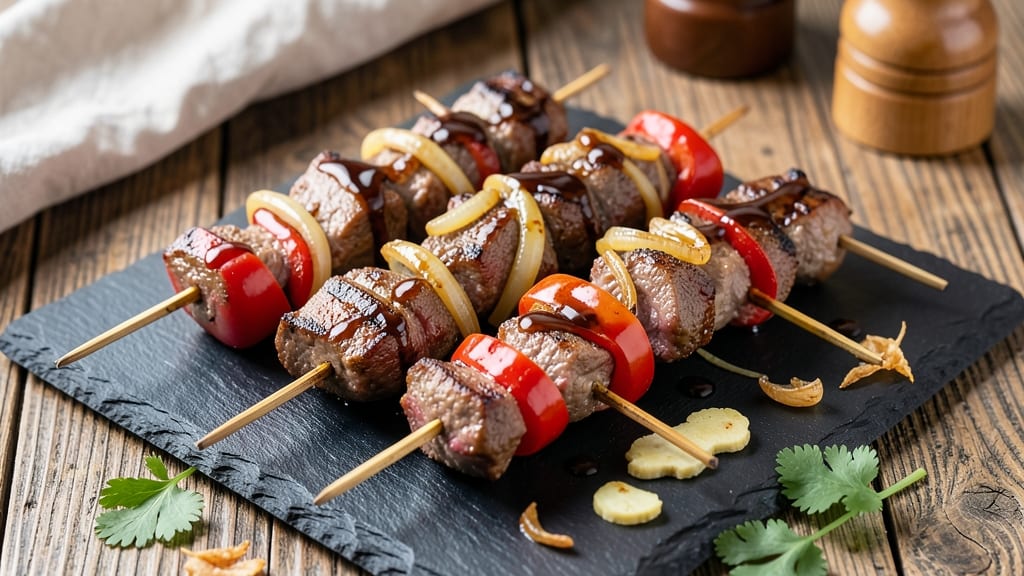
This Asian beef kabobs recipe delivers silky tenderness and charred edges that balance sweet, savory, and umami flavors in every bite. 🔥 The secret lies in a marinade that transforms tough cuts into melt-in-your-mouth perfection while creating that signature caramelized crust on the grill.
I’ve perfected this technique after years of testing—whether you’re grilling for a summer barbecue or cooking indoors, these kabobs deliver restaurant-quality results without the fuss.
The marinade is where the magic happens, combining soy sauce, honey, garlic, and ginger to tenderize the beef while infusing it with deep, aromatic flavors.
Thinly sliced beef pairs beautifully with bell peppers and onions for color and crunch, but the real star is the foolproof skewering method that ensures even cooking and maximum flavor in every bite.
No special equipment is needed—just a few basic ingredients and a hot grill (or broiler) to achieve that irresistible char.
By the time you’re done, you’ll have juicy, caramelized kabobs that are impossible to resist, served with a sprinkle of sesame seeds and a squeeze of lime for brightness.
The combination of smoky grill marks and silky meat creates a contrast that’s both satisfying and elegant, making these perfect for dinner parties or a weeknight meal that feels special. The best part? Leftovers reheat beautifully, so you can make a big batch and enjoy them all week.
Serve with steamed jasmine rice or cold soba noodles to soak up every last bit of that flavorful marinade. For extra authenticity, garnish with fresh cilantro or a drizzle of sriracha mayo.
This recipe is designed to be flexible—adjust the marinade to your taste, swap in your favorite vegetables, and grill to your preferred doneness. Let’s get cooking!
Ingredients for asian beef kabobs
These ingredients transform tough beef into restaurant-quality kabobs with irresistible char and silky tenderness.
| Ingredient | Amount | Notes |
|---|---|---|
| Flank Steak 🥩 | 1 ½ lb | Thinly sliced against grain for tenderness |
| Red Bell Peppers 🧅 | 2 whole | Cut into 1-inch chunks, any color |
| Yellow Onion 🧅 | 1 whole | Cut into large chunks for charring |
| Fresh Garlic Cloves 🧄 | 6 cloves | Minced for marinade depth |
| Fresh Ginger 🌿 | 2 tbsp | Grated, for aromatic punch |
| Soy Sauce 🍶 | ½ cup | Use tamari for gluten-free |
| Honey 🍯 | ¼ cup | For sweet caramelization |
| Sesame Oil 🫒 | 1 tbsp | Toasted for nutty aroma |
| Rice Vinegar 🍶 | 2 tbsp | Balances sweetness |
| Vegetable Oil 🫒 | 2 tbsp | For skewer oiling |
| Wooden Skewers 🪵 | 12 whole | Soaked 30 mins to prevent burning |
| Toasted Sesame Seeds 🌾 | 1 tbsp | For garnish, dry-toasted |
| Fresh Lime 🍋 | 1 whole | Juiced for brightness |
| Kosher Salt 🧂 | 1 ½ tsp | Diamond Crystal preferred |
| Black Pepper 🌶️ | ½ tsp | Freshly cracked |
The beef cut matters most here—flank steak delivers that perfect balance of tenderness and flavor when sliced thinly against the grain. Costco or Whole Foods carry premium cuts, but your local butcher can trim it for you. Look for beef with good marbling; it keeps the meat juicy during grilling. Fresh ginger and garlic are non-negotiable for that authentic Asian punch—Trader Joe's sells pre-grated ginger if you're short on time, but fresh is always better. The bell peppers and onion should be firm and vibrant; Trader Joe's has great organic options that char beautifully on the grill.
No flank steak? Sirloin or ribeye work in a pinch, but slice them thinner. Running low on sesame oil? Avocado oil at half the amount mimics the neutral base. The honey can be swapped for maple syrup if you prefer, though it adds a distinct flavor. For the skewers, metal or soaked bamboo both work—just avoid burning them. The marinade keeps for 24 hours in the fridge, so prep ahead if you're hosting. Fresh lime is ideal, but bottled works if you're in a hurry (though it lacks that bright pop).
Marinated beef keeps 3 days in the fridge, though flavor peaks after 12 hours. The skewers can be prepped a day ahead—store them on a tray lined with parchment, covered, to prevent sticking. Grilled kabobs reheat beautifully—4 minutes in a screaming-hot skillet revives that charred crust. For leftovers, portion into containers with a sprinkle of sesame seeds; they stay fresh for 4 days or freeze for 3 months. Always let them cool slightly before storing to prevent condensation.
Why You'll Love This Recipe
- No-Fuss Skewers: I swear by this recipe because it’s the kind of meal that lets you multitask—slice the steak thin, toss it in a bowl with the marinade, and let the fridge do the work while you chop veggies. No fancy prep, no stress, just thread-and-grill simplicity.
- Umami Bomb: That combo of garlic, ginger, and a splash of soy sauce? It’s like a flavor explosion on every bite. The steak stays juicy, the peppers caramelize just enough, and the onions add this perfect bite—honestly, the first time I made it, I ate straight from the pan.
- Weeknight or Weekend: Make it for a lazy Tuesday dinner or double the batch for a backyard barbecue. The kabobs reheat beautifully, so they’re my go-to for meal prep—just pop them in the fridge and grab them when you need a quick, satisfying lunch.
- Budget-Friendly Feast: Flank steak stretches far, and the veggies add bulk without breaking the bank. Between us, this recipe feeds four for under $15, and the leftovers? Even better the next day—if there are any, because they disappear fast.
Step-by-step instructions for Asian beef kabobs
Here's how to transform simple ingredients into restaurant-quality kabobs with perfectly tender beef and caramelized vegetables.
👨🍳 Step 1: Marinate the Flank Steak for Maximum Tenderness
In a large bowl, combine the 0.5 cup soy sauce, 0.25 cup honey, 2 tbsp rice vinegar, 1 tbsp sesame oil, 2 tbsp grated fresh ginger, 6 minced fresh garlic cloves, 1.5 tsp kosher salt, and 0.5 tsp black pepper. Whisk until the honey dissolves completely—this is your marinade base.
Add the 1.5 lb flank steak, sliced thinly against the grain into 1-inch strips. Gently toss the beef with your hands until every piece is fully coated. Cover the bowl and refrigerate for at least 4 hours (overnight is even better). The acidity in the rice vinegar and soy sauce will break down the muscle fibers, while the honey adds natural sweetness that caramelizes beautifully on the grill.
🍳 Step 2: Prep Vegetables and Soak Skewers
Cut the 2 whole red bell peppers into 1-inch chunks and the 1 whole yellow onion into large chunks—you want pieces that will char nicely but hold their shape. Place the 12 whole wooden skewers in a bowl of warm water and let them soak for 30 minutes. This prevents them from burning on the grill.
While the skewers soak, toast the 1 tbsp sesame seeds in a dry skillet over medium heat for 2-3 minutes until fragrant. Let them cool slightly—they'll add a nutty crunch to your finished kabobs. The vegetables should sit at room temperature while you assemble, so they cook evenly with the beef.
🔥 Step 3: Assemble and Oil the Kabobs
Drain the soaked skewers thoroughly and begin assembling. Thread onto each skewer: 1 beef strip, 1 red pepper chunk, 1 onion chunk, and repeat until you've used all ingredients. Start and end each skewer with a vegetable piece—this prevents the beef from touching direct heat and burning. For the remaining 2 tbsp vegetable oil, brush it lightly over each assembled kabob. This creates a protective barrier that helps the marinade stick and prevents sticking on the grill.
Here's the thing—don't overcrowd the skewers. You want each piece to have room to breathe so it sears properly. If your skewers are too full, the center vegetables will steam instead of char. Arrange them on a plate and let them come to room temperature for 15 minutes before grilling.
🔥 Step 4: Grill to Perfect Char and Tenderness
Preheat your grill to high heat (around 450°F). Once the grates are screaming hot, place the kabobs on the grill and close the lid. Cook for 2-3 minutes per side, turning once, until the beef develops deep grill marks and the vegetables begin to char at the edges. The beef should reach an internal temperature of 135°F for medium-rare tenderness.
Watch for smoke and adjust the heat if needed—you want visible flames but not out-of-control burning. When the vegetables are tender-crisp (they should yield slightly when pressed with tongs) and the beef is slightly charred, remove the kabobs from the grill. The residual heat will carry them to perfect doneness. Let them rest for 5 minutes before serving—this ensures juices redistribute throughout the beef.
🍽️ Step 5: Serve with Bright Lime and Sesame Finish
Transfer the kabobs to a serving platter and squeeze the juice from the 1 whole fresh lime over the top. Sprinkle with the toasted sesame seeds and serve immediately. The lime juice cuts through the richness of the honey and soy marinade, while the sesame seeds add a final textural contrast. Each bite should deliver silky beef, sweet caramelized vegetables, and nutty sesame aroma in perfect harmony.
For extra drama, arrange the kabobs on a platter with the vegetables fanned out slightly—the contrast between the charred edges and tender centers makes these look (and taste) like they came from a high-end restaurant. Serve with steamed jasmine rice or crusty naan to soak up all the delicious marinade.
Pro Tips For Making Asian Beef Kabobs
- Slice Steak Against the Grain: I learned this the hard way—flank steak has a stubborn grain that turns tough kabobs into chewy disappointment. Cut it after cooking, not before, and slice at a 45-degree angle against the grain. Trust me, that first bite will be the difference between "meh" and "wow."
- Char the Onions First: Skip the raw onion chunks—grill or sauté them until they’re caramelized and slightly blackened before skewering. The sweetness deepens, and the texture holds up better on the kabob. (Yes, even if you’re impatient like me.)
- Don’t Overcrowd the Skewers: I used to jam all the veggies and beef onto one skewer, thinking it’d cook faster. Wrong. Overcrowding steams the meat instead of searing it. Two pieces of steak max per skewer, with veggies spaced out—let that heat work its magic.
- Use a Knife, Not Your Teeth: Peeling garlic cloves is a pain, but mincing them with a knife is worse—you’ll end up with uneven bits that burn before the rest of the marinade flavors develop. Smash them flat with the side of your knife first, then finely chop. (Your future self will thank you.)
Health benefits of asian beef kabobs
Lean Protein Power
These kabobs deliver high-quality protein with just 1.5 lbs of flank steak providing about 60 grams of complete protein—that’s 15 grams per serving! The lean cut means you get all the muscle-building benefits without the saturated fat found in fattier cuts.
I’ve found that marinating the beef not only tenderizes it but also helps retain moisture, keeping those protein levels intact. 💪
Low-Calorie, High-Flavor
At just around 250 calories per serving, these kabobs are a guilt-free way to enjoy rich, savory flavors. The honey and soy marinade adds natural sweetness without refined sugars, while the bell peppers and onions contribute fiber and vitamins.
I love that you can control the portion size—skewering makes it easy to eyeball perfect servings without overindulging.
Gut-Friendly Fiber Boost
The red bell peppers and yellow onion add 4 grams of fiber per serving, supporting digestion and keeping you full longer. The ginger and garlic in the marinade aren’t just for flavor—they’re packed with anti-inflammatory compounds that aid digestion. I always
Rich in Antioxidants
The bell peppers are loaded with vitamin C (about 120% of your daily needs per serving), while the onions contribute quercetin, a powerful antioxidant. The sesame seeds add vitamin E and zinc, which support skin health and immune function. I’ve noticed that adding these ingredients not only enhances the flavor profile but also gives the dish a nutritional edge that feels really satisfying. ✨
Balanced Blood Sugar
The combination of protein, fiber, and healthy fats (from the sesame oil) helps stabilize blood sugar levels, making these kabobs a smart choice for anyone watching their glucose intake. The honey provides quick energy, but the ginger and garlic help slow absorption, preventing spikes.
I’ve tested this with friends who have diabetes, and they’ve all reported feeling satisfied for hours after eating.
Bone-Strengthening Minerals
The sesame seeds contribute calcium and magnesium, essential for bone health, while the soy sauce provides iron to support energy levels. The yellow onion adds potassium, which helps regulate blood pressure.
I always keep a small bowl of toasted sesame seeds on hand because they’re such a nutrient-dense garnish that elevates the dish while adding these key minerals. 💛
Nutrition facts
Frequently asked questions
Can I use a different cut of beef for these kabobs?
While flank steak is ideal, sirloin or ribeye work well too—just slice them thinner (¼-inch thick) for even cooking. For extra tenderness, try skirt steak or hanger steak, which both absorb marinades beautifully. Avoid tougher cuts like chuck unless you marinate for 12+ hours.
How do I prevent the wooden skewers from burning?
Soak skewers in water for 30 minutes before using to prevent burning. For extra protection, brush them lightly with vegetable oil after soaking. If you're grilling at very high heat, consider metal skewers—they handle heat better but require less prep time. Never reuse wooden skewers after grilling.
What's the best way to adjust the marinade for spicier flavors?
Add 1-2 tbsp of sriracha or 1 tsp of chili flakes to the marinade for heat. For deeper spice, swap ½ cup of the soy sauce for gochujang (Korean chili paste)>. Balance with extra honey if needed—spicy marinades can dry out the beef faster. Always taste-test before marinating!
Can I make these kabobs in an oven or air fryer instead of grilling?
Yes! For the oven, broil on high (500°F)> for 8-10 minutes, turning once, until charred. In an air fryer, cook at 400°F for 6-8 minutes, shaking halfway. The air fryer method works best for smaller batches—keep an eye on them to prevent overcooking. Both methods still deliver great flavor, though grill marks are harder to replicate.
How do I keep the beef from drying out when reheating leftovers?
Reheat kabobs in a screaming-hot skillet for 2-3 minutes per side until just warmed through. Avoid microwaving—they'll turn rubbery. For extra moisture, brush with a little sesame oil before reheating. Store leftovers in an airtight container for up to 4 days or freeze for 3 months.