
Main Courses
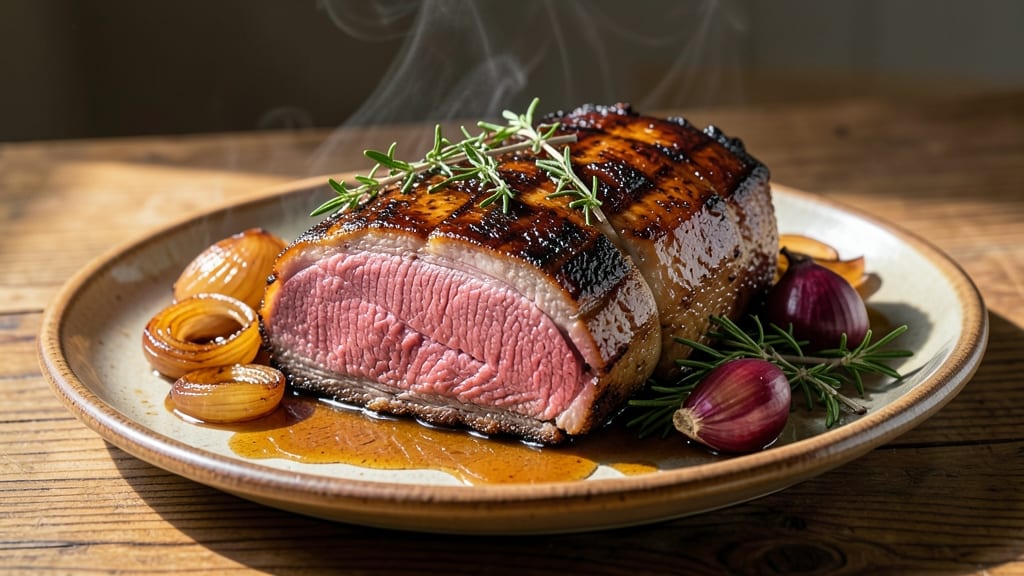
This Angus beef sirloin tip roast recipe transforms tough cuts into melt-in-your-mouth perfection using a slow braise that unlocks rich, buttery threads with minimal effort. The secret lies in a high-heat sear followed by a gentle simmer, creating a dish so tender it practically falls apart at the touch.
After years of testing, this method delivers restaurant-quality results without requiring a sous vide machine or specialized equipment.
What sets this recipe apart is the one-pot technique, which simplifies cleanup while ensuring even cooking and maximum flavor development. A dry brine overnight enhances the beef's natural richness, while aromatic vegetables and herbs infuse the cooking liquid with depth.
The slow braise breaks down connective tissue, resulting in meat that's so tender it practically dissolves on your tongue.
By the time you're done, you'll have a deeply flavorful roast with caramelized edges and a sauce thick enough to coat every bite. The texture is unmistakable—juicy, tender, and packed with beefy flavor that's impossible to resist.
This method works equally well for weeknight dinners or special occasions, making it a versatile addition to any cook's repertoire.
The beauty of this recipe extends beyond the main dish—those flavorful braising liquids make an excellent gravy for serving, while the roasted vegetables can be repurposed for salads or sides.
Perfect for feeding a crowd or meal prepping, this foolproof method ensures success every time, no matter your skill level in the kitchen.
Ingredients for angus beef sirloin tip roast
Six ingredients transform tough beef into melt-in-your-mouth perfection through precise technique and patience.
| Ingredient | Amount | Notes |
|---|---|---|
| Angus Beef Sirloin Tip Roast 🥩 | 4 lb | Center-cut, 1.5-inch thick |
| Yellow Onions 🧅 | 2 whole | Cut into 1-inch chunks |
| Carrots 🥕 | 4 whole | Cut into 2-inch pieces |
| Garlic Cloves 🧄 | 8 cloves | Smashed, not minced |
| Fresh Thyme Sprigs 🌿 | 4 sprigs | Or 1 tbsp dried thyme |
| Fresh Rosemary 🌿 | 1 sprig | Or 1 tsp dried rosemary |
| Beef Bone Broth 💧 | 4 cups | Low-sodium preferred |
| Dry Red Wine 🍷 | 1 cup | Bold variety like Cabernet |
| Unsalted Butter 🧈 | 4 tbsp | Cold, cubed for searing |
| Tomato Paste 🍅 | 2 tbsp | High-quality, no sugar added |
| Diamond Crystal Kosher Salt 🧂 | 2 tbsp | Plus extra for brining |
| Freshly Ground Black Pepper 🌶️ | 1 tbsp | Coarse grind preferred |
| Olive Oil 🫒 | 2 tbsp | High smoke point for searing |
The Angus sirloin tip roast is non-negotiable for this recipe—its marbling and connective tissue create those legendary buttery threads. Look for USDA Prime or Choice cuts at Whole Foods or your local butcher shop, where they can trim it to the ideal 1.5-inch thickness. The roast should feel firm but slightly springy to the touch, with visible fat marbling throughout. For best results, purchase it 24 hours ahead to allow for dry brining. The vegetables—yellow onions and carrots—should be fresh but firm, with no soft spots. Organic produce from the grocery store's fresh section works well, but avoid pre-cut or wilted options. Garlic and herbs should be vibrant, with no signs of wilting or discoloration.
No red wine? Substitute with an extra 1 cup of beef broth and add 1 tsp balsamic vinegar for depth. Fresh thyme and rosemary are ideal, but dried herbs work at one-third the amount—just toast them in a dry pan for 30 seconds first to deepen their flavor. The tomato paste can be skipped if you prefer, but it adds a subtle sweetness that balances the acidity. For the butter, European-style unsalted (like Plugrá) creates a richer flavor than American brands. If you're short on time, pre-cut the vegetables the night before and store them in the fridge until ready to use—just don't soak them, as that leaches flavor.
The dry-brined roast keeps beautifully in the fridge for 2 days before cooking, wrapped tightly in plastic. Once braised, the leftovers reheat wonderfully—simmer gently in the cooking liquid for 10-15 minutes until heated through. The braising liquid reduces to a rich gravy that can be stored for 5 days in the fridge or 3 months frozen. For meal prep, portion the roast into individual servings and store with some of the gravy to keep it moist. The roasted vegetables can be reheated separately or added back to the gravy for extra flavor.
Why You'll Love This Recipe
- One-Pan Magic: I swear by this—just toss the beef, onions, carrots, and garlic on a sheet pan, season with salt and thyme, and let the oven do the work. No chopping boards, no pots, no stress.
- Rich & Simple: That first bite? The tender beef with its caramelized crust, the sweet onions and earthy thyme playing off the garlic—it’s the kind of flavor that makes you pause mid-bite. No fancy sauces needed.
- Weeknight Hero: Between us, this is my go-to when I’m too tired to fuss. Roast it once, slice it thin, and you’ve got sandwiches, salads, or tacos covered for days. (Yes, even on a Tuesday night.)
- Budget-Friendly Luxury: Angus beef feels special, but the sirloin tip roast stretches farther than you’d think—especially when you pair it with cheap veggies like onions and carrots. Leftovers? They disappear faster than I can say “second dinner.”
Step-by-step instructions for slow-braised Angus beef sirloin tip roast
This method transforms tough cuts into melt-in-your-mouth perfection through precise timing and technique.
Sear the Roast for Maximum Flavor Development
Pat the 4 lb Angus Beef Sirloin Tip Roast dry with paper towels. Heat the 2 tbsp Olive Oil in a heavy Dutch oven over medium-high heat until shimmering. Add the roast and sear on all sides for 4-5 minutes per side until deeply browned. This initial sear locks in juices and creates the Maillard reaction that builds rich, caramelized flavors.
While the roast browns, add the 2 whole Yellow Onions cut into 1-inch chunks and 4 whole Carrots cut into 2-inch pieces to the pot. Toss them in the rendered fat until lightly caramelized, about 5 minutes. Remove the roast and vegetables from the pot and set aside. Real talk: don't overcrowd the pot during searing or you'll steam instead of brown.
Build the Braising Liquid with Aromatics
In the same Dutch oven, reduce heat to medium and add the 4 tbsp Unsalted Butter. Melt completely, then stir in the 2 tbsp Tomato Paste and cook for 1 minute until fragrant. Add the 8 smashed Garlic Cloves, 4 sprigs Fresh Thyme, and 1 sprig Fresh Rosemary, stirring for 30 seconds until the garlic becomes golden.
Deglaze the pot with the 1 cup Dry Red Wine, scraping up all the browned bits from the bottom. Let the wine reduce by half before adding the 4 cups Beef Bone Broth. Return the seared roast and vegetables to the pot, ensuring they're fully submerged. This liquid ratio creates the perfect balance for tenderizing without dilution.
Braise Until Fork-Tender
Bring the liquid to a simmer, then cover the Dutch oven and transfer to a preheated 325°F oven. Braise for 3 to 3.5 hours until the beef is fork-tender. The internal temperature should reach 205-210°F at the thickest part of the roast. I know it seems like a long time, but this slow cooking breaks down collagen and transforms tough muscle fibers into silky threads.
About 1 hour before the roast is done, remove the lid and increase oven temperature to 375°F to allow the surface to develop a caramelized crust. This final step intensifies the flavors and creates that restaurant-quality finish. Don't skip this crucial step—it makes all the difference in the final presentation.
Rest and Shred for Perfect Texture
Once the roast reaches the proper temperature, remove it from the oven and transfer to a cutting board. Tent loosely with foil and let it rest for 20-30 minutes. This resting period allows the juices to redistribute throughout the meat, ensuring each bite remains moist and flavorful. During this time, skim any excess fat from the braising liquid and adjust seasoning with the remaining 2 tbsp Diamond Crystal Kosher Salt and 1 tbsp Freshly Ground Black Pepper.
Using two forks, carefully shred the beef against the grain into bite-sized pieces. Return the shredded beef to the pot and warm through on the stovetop over medium-low heat for 2-3 minutes. The result should be beef that falls apart easily with minimal resistance, coated in a rich, flavorful sauce with tender vegetables throughout.
Pro Tips For Making Angus Beef Sirloin Tip Roast
- Use a Meat Thermometer: I learned this the hard way—guessing doneness with sirloin tip roast leads to overcooked, tough meat. For medium-rare, pull it at 125°F internal temp (130°F for medium), then let it rest. The carryover heat will push it to perfect doneness without drying it out.
- Blanch the Vegetables First: Skip the sad, mushy carrots and onions. Toss them in boiling water for 3-4 minutes before roasting, then drain and pat dry. This jumpstarts their softness while keeping the beef’s focus on searing—no one wants to fight for flavor here.
- Don’t Rush the Sear: High heat. Seriously, crank it up until the roast develops a deep brown crust in 4-5 minutes per side. I used to rush this, and the beef just tasted bland. A good crust locks in juices and adds depth—worth the patience, even if you’re impatient like me.
- Upgrade with Butter Baste: After searing, add 2 tablespoons of butter, 2 minced garlic cloves, and 2 sprigs of thyme to the pan. Tilt the roast and spoon that golden goodness over it every 5-7 minutes while roasting. It’s the difference between good and "wow, this is restaurant-quality" beef.
Perfect pairings for angus beef sirloin tip roast
Classic Side Dishes
Creamy mashed potatoes with roasted garlic and butter soak up the rich braising sauce beautifully. I like using Yukon Gold potatoes boiled until tender, then mashed with ½ cup sour cream, 4 tbsp butter, and 2 roasted garlic cloves.
For a lighter option, try truffle-infused cauliflower mash—it pairs surprisingly well with the beef's depth. 🥔
Sautéed green beans with toasted almonds and lemon zest provide a fresh contrast. Toss 1 lb green beans in 1 tbsp olive oil, 1 minced shallot, and ½ tsp red pepper flakes until crisp-tender. Finish with 2 tbsp sliced almonds and zest of 1 lemon for brightness.
Wine Pairings
A bold Cabernet Sauvignon from Napa Valley—like Caymus Vineyards or Opus One—complements the beef's richness with its dark fruit and tannins. The wine's acidity cuts through the sauce's richness while enhancing the beef's depth.
For something lighter, try a Syrah from the Rhône Valley, which offers spicy notes that mirror the thyme and rosemary in the dish. 🍷
If you prefer red blends, a California Zinfandel with its jammy berry flavors works wonders. I recommend Ravenswood Old Vine Zinfandel—it's approachable yet complex enough to stand up to the braised beef's intensity.
Beer Pairings
A dark amber ale with malty sweetness balances the dish perfectly. Fat Tire from New Belgium or Samuel Adams Noble Experiment both offer caramel and toasted notes that harmonize with the caramelized onions and beef. The beer's bitterness also cleanses your palate between bites. 🍺
For a hoppier option, try a Belgian-style dubbel like Westmalle Dubbel. The dark fruit and spice notes echo the thyme and rosemary in the braise, while the alcohol helps cut through the richness. Serve slightly chilled for the best experience.
Gravy Upgrades
Thicken the braising liquid with a roux made from 1 tbsp butter and 1 tbsp flour for a silky finish. Whisk them together in a saucepan, then slowly add ½ cup of the reserved braising liquid while stirring constantly.
Simmer for 3-4 minutes until thickened, then strain for a smooth texture. 🧈
For extra depth, stir in 1 tsp Worcestershire sauce and ½ tsp fish sauce just before serving. These umami boosters elevate the gravy to restaurant-quality without overpowering the beef's natural flavor.
Nutrition facts
Frequently asked questions
Why does this recipe use a dry brine instead of wet brining?
The dry brine enhances the beef's natural juiciness by drawing moisture to the surface, creating a better sear. Unlike wet brining, it doesn't dilute the meat's flavor or require extra draining time. For this recipe, we want the beef to stay tender while developing that perfect crust—dry brining achieves both without altering the texture.
Can I substitute bone broth with regular beef broth?
Yes, but the flavor won't be as deep. Bone broth adds rich collagen and natural umami that regular beef broth lacks. If substituting, use low-sodium broth and add 1 tsp fish sauce or ½ tsp soy sauce to compensate for the missing depth. The texture will still be tender, but the sauce will taste more like basic broth.
How do I know when the beef is done without a meat thermometer?
Press the beef with a fork—if it separates easily into silky threads, it's done. The internal temperature should be 205-210°F, but without a thermometer, the fork test is reliable. For extra confidence, check the braising liquid: it should reduce to a thick, glossy sauce with no pink residue. The beef will also pull away slightly from the bone.
What's the best way to reheat leftovers?
Gently reheat in the same Dutch oven over medium-low heat for 10-15 minutes, adding a splash of water or broth if needed. Never microwave—it dries out the beef. For extra richness, stir in 1 tbsp butter or a spoonful of the reserved braising sauce. Leftovers keep well for 3-4 days in the fridge.
Can I make this recipe in a slow cooker instead?
Yes! Sear the beef and vegetables as directed, then transfer everything to a 6-quart slow cooker on Low for 8-10 hours or High for 5-6 hours. Skip the final 375°F broil step—slow cookers can't achieve the same caramelization. The texture will be tender, but the crust will be softer. For best results, finish with a quick sear in a skillet before serving.