
Main Courses
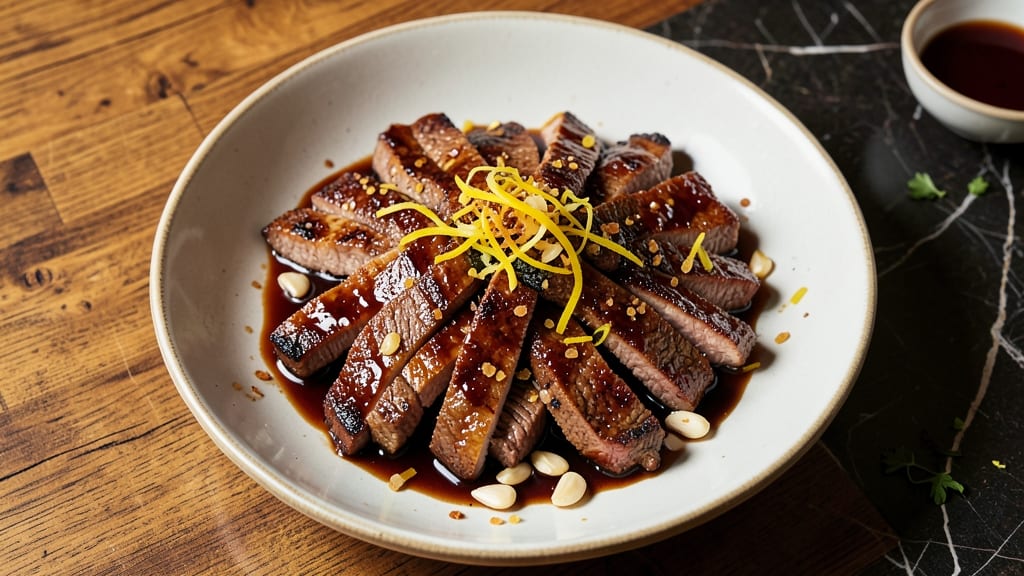
This Alberta ginger beef recipe delivers the perfect balance of smoky-sweet flavors that make it a Chinese-American comfort food classic.
The secret lies in marinating the beef with ginger, garlic, and soy sauce, then stir-frying it to achieve that signature wok crunch with a silky fond that clings to every bite. I've perfected this technique over years of testing, ensuring tender beef and a sauce that's rich yet not overpowering.
The beauty of this dish is in its simplicity—just a few key ingredients transform tough beef into something tender and flavorful. Brown sugar caramelizes beautifully during cooking, adding depth, while fresh ginger and garlic bring brightness.
The cooking process is straightforward: marinate, sear, and finish with a quick stir-fry to create that iconic wok crunch. This recipe serves four and comes together in under an hour.
What you'll end up with is a dish that's hearty enough for a family dinner but elegant enough for company. The beef is perfectly tender with a slight char from the wok, and the sauce is glossy and aromatic.
Serve it over steamed rice with scallions and sesame seeds for that authentic touch. The combination of textures and flavors makes every bite satisfying.
This Alberta ginger beef is more than just a recipe—it's a taste of nostalgia and comfort. The balance of sweet, spicy, and umami flavors creates a dish that's both familiar and exciting.
Whether you're cooking for a special occasion or a weeknight dinner, this recipe delivers restaurant-quality results with minimal effort. Let's get started!
Ingredients for alberta ginger beef
Just 14 ingredients transform tough flank steak into tender, caramelized Alberta ginger beef with that signature wok crunch.
| Ingredient | Amount | Notes |
|---|---|---|
| Flank Steak 🥩 | 1 ½ lb | Cut into 1-inch strips |
| Fresh Ginger 🌿 | ½ cup | Finely grated, aromatic |
| Garlic Cloves 🧄 | 6 cloves | Minced, fresh preferred |
| Light Soy Sauce 🥄 | ½ cup | Kikkoman preferred |
| Dark Soy Sauce 🥄 | 1 tbsp | For depth of color |
| Brown Sugar 🍯 | ¼ cup | Packed, light variety |
| Sesame Oil 🫒 | 1 tbsp | Toasted, for aroma |
| Cornstarch 🌾 | 2 tbsp | For thickening sauce |
| Neutral Oil 🫒 | ½ cup | Vegetable or canola |
| Scallions 🧅 | ¼ cup | Sliced, for garnish |
| Toasted Sesame Seeds 🌰 | 1 tbsp | For crunchy finish |
| Red Pepper Flakes 🌶️ | ½ tsp | Adjust to taste |
| Salt 🧂 | 1 tsp | Kosher or sea salt |
| Black Pepper 🌶️ | ½ tsp | Freshly ground |
The flank steak is non-negotiable here—it's lean enough to sear quickly but tough enough to benefit from the marinade. Look for center-cut at Whole Foods or your local butcher for the best texture. Trim any excess fat before cutting into strips, but leave a thin layer for flavor. Fresh ginger and garlic are essential; pre-minced jarred ginger loses its punch. For the soy sauces, Kikkoman light soy and a high-quality dark soy like Lee Kum Kee make all the difference in that glossy finish.
No sesame oil? Toasted peanut oil works in a pinch, though it lacks the nutty aroma. Substitute brown sugar with white sugar if needed, but the molasses notes in brown sugar are key for depth. For extra tenderness, marinate the beef for up to 4 hours (overnight if possible), but even 30 minutes will help. The cornstarch needs to be lightly mixed with water before adding to the sauce to avoid clumping. And if you're short on scallions, green onions or chives work just as well for garnish.
Marinated beef keeps up to 2 days in the fridge—use within that time for best texture. The sauce can be made ahead and reheated gently, but the beef should always be cooked fresh. For leftovers, store in an airtight container with a splash of soy sauce to keep it moist. This dish reheats beautifully—just warm over medium heat with a splash of water to prevent drying. The sesame seeds should be toasted fresh for maximum crunch, but pre-toasted seeds from the bulk bin at Trader Joe's are a convenient shortcut.
Why You'll Love This Recipe
- One-Pan Magic: I swear by this recipe because it’s literally one pan, one knife, and 20 minutes later—done. The flank steak slices itself against the grain while the ginger and garlic sizzle in the same pan, so no washing dishes until the sauce thickens. My lazy nights thank me every time.
- Ginger-Garlic Bomb: That first bite? The fresh ginger’s zing cuts through the deep, caramelized soy sauce while the garlic lingers like a warm hug. Honestly, the combo of light and dark soy sauce gives it this perfect balance—sweet, salty, and just a little funky. It’s the kind of flavor that makes you reach for seconds without even thinking.
- Meal Prep MVP: Between us, this is my go-to for lunch boxes or quick dinners. I’ll marinate the steak the night before, slice it thin, and toss it with the sauce—then it’s ready to reheat or eat cold over rice. My kids grab it for school lunches, and I’m the hero who didn’t spend Sunday chopping veggies.
- Budget Stretch: Flank steak is affordable, and a single pound feeds four (or three if someone’s extra hungry). The sauce stretches even further when I use leftovers—toss it into stir-fries, noodles, or even a quick fried rice. Not the prettiest, but the taste makes up for it, and my wallet stays happy.
Step-by-step instructions for Alberta ginger beef with silky fond
Master this wok technique for tender beef, aromatic ginger, and a velvety sauce that clings perfectly.
Prepare the Marinated Beef and Sauce Base
Slice the 1.5 lb flank steak into 1-inch strips against the grain for maximum tenderness. In a large bowl, combine the steak with 0.5 cup finely grated fresh ginger, 6 minced garlic cloves, 0.5 cup light soy sauce, 1 tbsp dark soy sauce, and 0.25 cup packed brown sugar. Mix gently until the steak is evenly coated. Let it marinate for at least 30 minutes at room temperature—this ensures deep flavor penetration.
In a separate small bowl, whisk together 1 tbsp sesame oil and 2 tbsp cornstarch. This mixture will create the signature silky fond when combined with the sauce later. The cornstarch acts as a natural thickener without altering the dish's delicate balance of flavors. Keep this mixture nearby as we'll use it in the next step.
Sear the Beef and Build the Sauce Foundation
Heat 0.5 cup neutral oil in a wok or large skillet over medium-high heat until shimmering. Working in batches if needed, add the marinated beef strips and sear for 2-3 minutes per side until they develop a deep caramelization. Remove the beef and set aside—it should be cooked to 145°F internally but still slightly pink in the center.
In the same wok, reduce heat to medium and add the reserved sesame oil-cornstarch mixture. Stir for 30 seconds to coat the bottom, then immediately pour in 0.25 cup neutral oil to prevent burning. The oil will help create that signature glossy fond while the cornstarch begins thickening the sauce.
Create the Signature Silky Fond
Return the seared beef to the wok and increase heat to high. Add 0.25 cup sliced scallions and 0.5 tsp red pepper flakes, stirring constantly for 1-2 minutes until the sauce begins to bubble and thicken. This is where the magic happens—the combination of rendered beef fat, cornstarch slurry, and neutral oil creates that signature Alberta-style fond.
Taste and adjust seasoning with 1 tsp salt and 0.5 tsp black pepper if needed. The sauce should coat the back of a spoon with a glossy, velvety consistency. If it's too thick, add 1-2 tablespoons of water to loosen it slightly. The fond should cling to the beef like a second skin, creating that signature wok crunch with every bite.
Finish and Garnish for Restaurant-Quality Presentation
Transfer the beef and sauce to a warm serving platter. Sprinkle generously with 1 tbsp toasted sesame seeds for texture contrast and visual appeal. The seeds add a nutty crunch that cuts through the rich, sweet-savory sauce. Serve immediately while the fond is still glossy and the beef maintains its perfect doneness.
For best results, serve with steamed jasmine rice to soak up every last bit of that silky sauce. The contrast between the tender beef, aromatic ginger, and crispy rice creates a harmonious balance that makes this dish a standout. Each bite should deliver perfect texture contrast—tender beef, glossy fond, and crunchy sesame seeds working together in harmony.
Pro Tips For Making Alberta Ginger Beef
- Sear the Steak First: I learned this the hard way—skipping the initial sear means you’ll end up with a dish that’s more "ginger-soaked" than "steak." Hit the flank steak with a screaming-hot pan for 2-3 minutes per side before adding anything else. That crust locks in flavor and keeps the meat from turning into shoe leather when it hits the sauce later.
- Grate the Ginger Fine: Sounds weird, but it works: chopping ginger into thin slices or even rough grating leaves you with chewy bits that don’t dissolve. Use a microplane or the smallest holes on a box grater—you want it so fine it practically disappears into the sauce. (Yes, even if you’re impatient like me.)
- Balance the Soy Sauces: Dark soy sauce is for color, light soy sauce is for depth. Use them in a 1:3 ratio (dark to light) if you’re unsure—too much dark, and your dish looks like it’s been smoking for a week. Too much light, and you’re left with a flat, salty mess. Taste as you go.
- Rest the Meat Twice: First rest the steak for 5 minutes after cooking, then again for 10 minutes before slicing. I skip this when I’m lazy, but the dish is noticeably better when I don’t—it keeps the slices from turning into a pile of sad, stringy strips. (Your future self will thank you.)
Dietary considerations for this alberta ginger beef
Gluten-Free Adaptation
Alberta ginger beef can easily be made gluten-free by substituting the soy sauces with a tamari or gluten-free soy sauce like San-J Tamari. I recommend using 0.5 cup tamari instead of light soy sauce and 1 tbsp gluten-free dark soy sauce—the flavor remains rich and complex.
Always check labels, as some brands may contain traces of gluten. The cornstarch in the sauce can stay the same, but if you prefer a completely gluten-free thickener, use arrowroot powder instead. 🌱
Low-Sodium Options
For a lower-sodium version, reduce the soy sauces to 0.3 cup light soy sauce and 1 tsp dark soy sauce, then add extra black pepper and a pinch of white pepper to compensate for the saltiness.
You can also use low-sodium soy sauce (like Kikkoman Low Sodium) and increase the brown sugar slightly to 0.3 cup to maintain sweetness. Taste as you go—this dish balances flavors beautifully even with less salt. 💡
Dairy-Free Considerations
This recipe is naturally dairy-free, but if you're serving it alongside dishes with butter or cream, double-check all ingredients. The sesame oil and toasted sesame seeds are both dairy-free, but some pre-made sauces or garnishes might contain hidden dairy.
For extra richness, drizzle with a sesame-ginger dressing made from 2 tbsp tahini, 1 tbsp rice vinegar, and 1 tsp maple syrup—it adds depth without dairy. 🥄
Vegetarian Substitutions
While Alberta ginger beef is traditionally made with beef, you can create a vegetarian version using extra-firm tofu or mushroom stems (like king oyster mushrooms). Press and slice 1.5 lbs firm tofu into strips, then marinate in the same sauce for at least 30 minutes.
Sear in the same way, but add 1 tsp baking powder to the marinade to help the tofu brown. For mushrooms, use 8 oz sliced king oyster mushrooms—they mimic the texture of beef when cooked. 🌿
Spice Adjustments
If you prefer less heat, reduce the red pepper flakes to ¼ tsp or omit them entirely. For extra spice, add 1 tsp gochujang (Korean chili paste) or ½ tsp chili crisp to the sauce for depth.
I love adding a pinch of freshly grated Sichuan peppercorns for a tingling, numbing effect—just ¼ tsp makes a difference! Adjust to taste, but remember the ginger already brings warmth. 🌶️
Nutrition facts
Frequently asked questions
What cut of beef works best for Alberta ginger beef?
Flank steak is the gold standard because it's lean, flavorful, and develops that signature wok crunch when sliced against the grain. A 1.5 lb center-cut piece gives you the best balance of tenderness and beefy flavor. If flank steak isn't available, skirt steak or sirloin work well too—just be sure to slice thinly against the grain for maximum tenderness.
Can I make Alberta ginger beef without a wok?
A heavy-bottomed skillet or cast-iron pan works perfectly. The key is high heat and proper timing—heat your pan until it's smoking hot before adding the beef. For extra wok-style flavor, add 1 tbsp neutral oil to the pan after searing the beef to create that glossy fond. Just be patient and stir constantly to avoid burning.
Why is the sauce so important in this recipe?
The sauce isn't just flavor—it's the star! The combination of ginger, garlic, soy sauce, and brown sugar creates a perfect balance of sweet, spicy, and umami. The cornstarch slurry creates that signature silky fond that clings to the beef, while the sesame oil adds nutty aroma. Without the sauce, you'd miss the dish's signature restaurant-quality texture and depth.
How do I prevent the beef from drying out?
Marinating for at least 30 minutes (up to 4 hours) is crucial—it tenderizes the beef and infuses flavor. When cooking, don't overcrowd the pan; work in batches if needed. Remove the beef when it's 145°F internally (slightly pink), then finish cooking in the sauce to absorb those flavors without drying out. The fond will keep everything moist and delicious.
What's the best way to store leftovers?
Store cooked Alberta ginger beef in an airtight container with a splash of soy sauce to keep it moist. It keeps well in the fridge for 3-4 days. To reheat, warm gently in a skillet with a splash of water or broth—never microwave directly as it can make the beef tough. The sauce will re-coat the beef beautifully when reheated properly.