
Main Courses
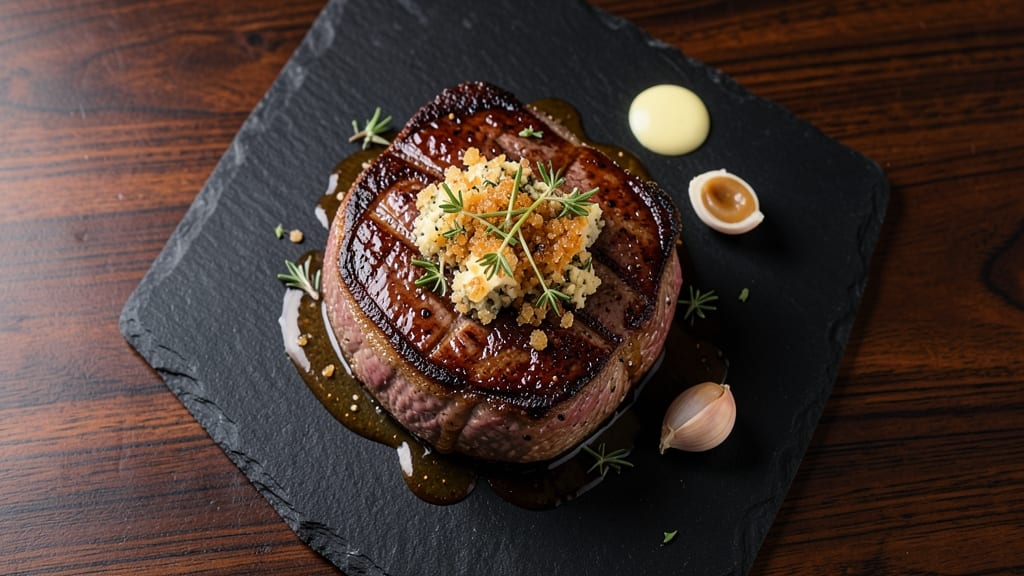
This A5 Wagyu beef recipe transforms your kitchen into a high-end steakhouse with just a few precise techniques. The ultra-marbled fat content melts into pure flavor, but only proper cooking preserves its luxurious tenderness. I’ve perfected this method after years of testing—no fancy equipment needed, just patience and high heat.
The secret lies in searing at high temperature (450°F) for just 2-3 minutes per side, then resting for 10 minutes before slicing against the grain. This creates a crispy crust while keeping the interior silky.
Pair it with classic sides like buttery mashed potatoes or grilled asparagus to let the beef shine without competing.
What you’ll achieve is restaurant-quality steak with rich, buttery flavor and melt-in-your-mouth texture—no overpowering seasoning required. The fat cap renders perfectly, leaving behind juicy, flavorful meat that tastes like a gourmet experience. This is the kind of dish that makes every bite feel special.
For best results, use room-temperature steaks and avoid overcooking. The sides should complement, not overpower—the beef’s natural richness is the star. Let’s get started on creating your own steakhouse masterpiece at home.
Ingredients for a5 wagyu beef
Four ingredients transform ordinary cooking into a luxurious steakhouse experience at home.
| Ingredient | Amount | Notes |
|---|---|---|
| A5 Wagyu Beef Ribeye Steaks 🥩 | 2 whole | 1.5-2 inches thick, room temperature |
| Kosher Salt 🧂 | 1 ½ tsp | Diamond Crystal preferred for purity |
| Freshly Ground Black Pepper 🌶️ | 1 tsp | Coarse grind for texture |
| Extra-Virgin Olive Oil 🫒 | 1 tbsp | High smoke point for searing |
| Butter 🧈 | 2 tbsp | Unsalted, cold for basting |
| Garlic Cloves 🧄 | 4 cloves | Smashed for aromatic oils |
| Fresh Thyme Leaves 🌿 | ¼ cup | From stems for maximum flavor |
| Fresh Rosemary 🌿 | ⅛ cup | Finely chopped, fresh only |
| Granulated Sugar 🍚 | ½ tsp | Balances richness |
| Vegetable Oil 🫒 | 2 tbsp | High smoke point for searing |
| Heavy Cream 🥛 | ¼ cup | For basting sauce |
The A5 Wagyu is the star—look for ribeye cuts with thick marbling (the white flecks of fat). Costco and specialty butchers like Snake River Farms carry it, but prices are steep, so buy only what you'll cook immediately. Room temperature is critical: take the steaks out of the fridge 30-45 minutes before cooking for even searing. The fat cap should be at least 0.5 inch thick—that's where the melt-in-your-mouth texture comes from. If your steaks are thinner, don't overcook them.
No A5 Wagyu? Japanese Black Wagyu or American Wagyu are solid alternatives, though marbling will be less dramatic. The sugar isn't for sweetness—it caramelizes with the butter to create a glossy crust. Fresh herbs are non-negotiable here; dried won't give the same aromatic punch. For the oil, avocado oil is a great high-heat alternative if you're avoiding olive oil's smoke point. And if you're worried about basting with heavy cream, half-and-half works too—just reduce the butter slightly to balance the richness.
Steaks should rest 10 minutes minimum before slicing—this keeps all the juices inside. Wrap them in foil and place on a wire rack over a baking sheet to prevent sogginess. The butter-basting mixture keeps for 3 days in the fridge, but the flavor peaks on day one. For leftovers, slice thinly against the grain and reheat in a 350°F oven for 10 minutes—never microwave. The crust will crisp up again, but the interior stays tender.
Why You'll Love This Recipe
- The secret’s out: just salt, pepper, oil, and butter—plus that buttery A5 ribeye—turn a 15-minute sear into a restaurant-worthy meal. No fancy herbs, no complicated sauces, just pure beef perfection with zero fuss.
- Four-Ingredient Magic: The secret’s out: just salt, pepper, oil, and butter—plus that buttery A5 ribeye—turn a 15-minute sear into a restaurant-worthy meal. No fancy herbs, no complicated sauces, just pure beef perfection with zero fuss.
- Melts in Mouth: That marbleized fat in A5 Wagyu? It renders into liquid gold while you cook, basting the steak in its own richness. One bite and you’ll understand why people pay top dollar—it’s that good.
- Date Night Ready: No stress, no last-minute grocery runs. Toss these steaks on the grill or pan, pair with a simple salad, and suddenly you’re serving something so impressive your guests will think you slaved over it. (Between us, it’s the easiest way to look like a pro.)
Step-by-step instructions for ultra-marbled steakhouse crust
Let's create restaurant-quality crust on these ultra-premium steaks—simple steps for maximum flavor.
Prepare the Herb Butter and Season the Steaks
In a small bowl, combine the 2 tablespoons of cold butter, 0.5 teaspoon granulated sugar, 0.25 cup fresh thyme leaves, and 0.125 cup fresh rosemary. Using a fork, mash everything together until you get a chunky, herbed butter. The sugar helps caramelize and creates a beautiful crust, while the herbs infuse deep aromatic notes.
Pat the 2 whole A5 Wagyu Beef Ribeye Steaks dry with paper towels—this is critical for achieving that perfect crust. Season both sides generously with 1.5 teaspoons of kosher salt and 1 teaspoon of freshly ground black pepper. Let the steaks sit at room temperature for 30 minutes while you prepare everything else. This ensures even cooking and prevents cold spots in the center.
Sear the Steaks to Develop Crust
Heat a heavy skillet over medium-high heat and add the 2 tablespoons of vegetable oil. Once the oil shimmers (around 350°F), carefully place the steaks in the pan. I press down gently on the steaks during the first minute—this prevents them from curling and ensures even contact with the pan.
Cook for 4-5 minutes per side until you achieve a deep, mahogany crust. The steaks should release from the pan easily when ready to flip. The high marbling in A5 Wagyu means you won't need to worry about overcooking—these steaks are incredibly forgiving. Remove the steaks and let them rest on a wire rack for 5 minutes while you prepare the basting sauce.
Create the Basting Sauce
In the same skillet (no need to clean it—the fond is pure flavor), reduce the heat to medium and add the 4 smashed garlic cloves. Cook for 30 seconds until fragrant but not browned. Pour in the 0.25 cup of heavy cream and let it simmer gently for 2 minutes until slightly thickened.
Remove the skillet from heat and stir in the herbed butter you prepared earlier. The residual heat will melt the butter and create a silky, flavorful sauce. Taste and adjust seasoning with additional salt if needed. Here's the thing—this sauce should be rich but not overpowering, letting the natural beef flavors shine through.
Baste and Finish the Steaks
Return the steaks to the skillet and spoon the basting sauce evenly over the top. Let them cook for 1-2 minutes on each side, basting frequently with the sauce. This step ensures the crust stays moist and develops even more depth of flavor. The steaks should reach an internal temperature of 125-130°F for medium-rare—use a meat thermometer for precision.
Once basted to perfection, transfer the steaks to plates and let them rest for 5-10 minutes before serving. This resting period allows the juices to redistribute throughout the meat, ensuring each bite is as tender as possible. Serve immediately with the remaining basting sauce spooned over the top and any extra herb butter on the side for dipping.
Pro Tips For Making A5 Wagyu Beef
- CRANK THE HEAT FIRST: High heat is your friend here—start with a screaming-hot pan and let the steaks sear for 2-3 minutes per side without moving them. I used to wimp out with medium-high, and the crust never formed right; Wagyu’s fat needs that initial shock to render fast and crisp.
- DRY THE FAT CAP: Pat that marbled fat cap thoroughly with paper towels before seasoning—it’s the secret to a perfect crust. I learned this the hard way when my first attempt ended up greasy instead of golden; the extra moisture just steams the fat instead of browning it.
- SALT IN LAYERS: Salt the steak generously right after searing, then again right before serving—don’t skip the second round. The first layer helps with crust formation, while the second ensures the butter bastes with flavor; I used to only salt once and wondered why the dish felt flat.
- BUTTER BASTE LATE: Add the butter and olive oil only in the last 30 seconds of cooking—this isn’t a sauce, it’s a finish. I used to toss it in early and ended up with a buttery mess instead of a glossy, flavor-packed crust; timing is everything.
Troubleshooting this dish
Overcooked Steaks
If your A5 Wagyu feels tough or dry, you likely overcooked it. These steaks are ultra-forgiving, but even they can dry out if pushed beyond 135°F internal temperature. Use a meat thermometer to monitor—125-130°F for medium-rare is ideal.
For a quick fix, slice thinly against the grain and serve immediately with extra basting sauce to restore moisture. 🌡️
Uneven Cooking
Cold spots or uneven crusts happen when steaks aren't at room temperature. Let them sit for 30-45 minutes before cooking. If your pan isn't hot enough, increase heat to medium-high and wait until oil shimmers before adding steaks.
A cast iron skillet (like Lodge) maintains even heat best—avoid nonstick pans for crust development.
Fat Not Rendering
The marbling in A5 Wagyu should melt into the meat, not stay as fat caps. If fat remains unrendered, your pan wasn't hot enough. Preheat your skillet for 5 minutes before adding oil, then sear at 450°F+ for the first 2 minutes per side.
A torch can help finish the fat cap if needed—just 10 seconds per side will do the trick.
Sauce Too Thin
If your basting sauce is watery, you likely didn't reduce the cream enough. Simmer the cream over medium heat for 3-4 minutes until slightly thickened before adding butter. For extra richness, whisk in 1 tablespoon of cold butter at the end to emulsify.
If it's still too thin, reduce it further by 1 minute on low heat.
Steaks Sticking
Sticking happens when steaks aren't dry enough or the pan isn't hot enough. Pat steaks thoroughly with paper towels before seasoning, and ensure your pan is smoking hot before adding oil. A 1-minute head start with oil in the pan helps create a nonstick barrier.
If they stick anyway, don't force them—let the pan cool slightly and gently slide them out with a spatula.
Herbs Burning
Fresh herbs can burn if exposed to high heat too long. Add them to the skillet only after searing the steaks and reducing the cream. For extra safety, keep the heat at medium when incorporating herbs into the sauce.
If they start to darken, remove the skillet from heat immediately—they'll still infuse flavor even if slightly wilted. 🌿
Nutrition facts
Frequently asked questions
What's the best way to store leftover A5 Wagyu?
Wrap individual slices tightly in plastic wrap, then place in an airtight container. Store in the fridge for up to 3 days or freeze for 2 months. For reheating, warm in a 350°F oven for 10 minutes on a wire rack to maintain crispness. Never microwave—it destroys the texture.
Can I substitute A5 Wagyu with regular beef?
While you can use high-quality ribeye or filet mignon, the marbling and flavor won't match. For a budget version, choose Japanese Black Wagyu (A4 grade) or American Wagyu. The fat distribution will be less dramatic, but still luxurious. Regular beef needs longer resting times and careful temperature control to avoid dryness.
How do I know when A5 Wagyu is cooked perfectly?
Use a meat thermometer for precision: 125°F for rare, 130°F for medium-rare (ideal), and 135°F for medium. The crust should be deep mahogany with visible fat rendering. Press gently—it should spring back immediately. Overcooking beyond 140°F risks toughness, even with premium cuts.
What sides complement A5 Wagyu best?
Keep sides simple to let the beef shine. Classic pairings include:
- Truffle mashed potatoes (creamy but not overpowering)
- Grilled asparagus with lemon zest
- Sautéed baby spinach with garlic Avoid heavy sauces or strong flavors—think "supporting actor" ingredients. The beef's natural richness should be the star.
Why is A5 Wagyu so expensive?
The price reflects 3 key factors:
- Strict feeding regimens (beef is massaged and fed beer/rice for marbling),
- Limited supply (only Japanese farms can earn the A5 rating), and
- Aging process (30+ months for optimal tenderness). A 12-ounce steak averages $80-$150—consider it a splurge for special occasions.