
Main Courses
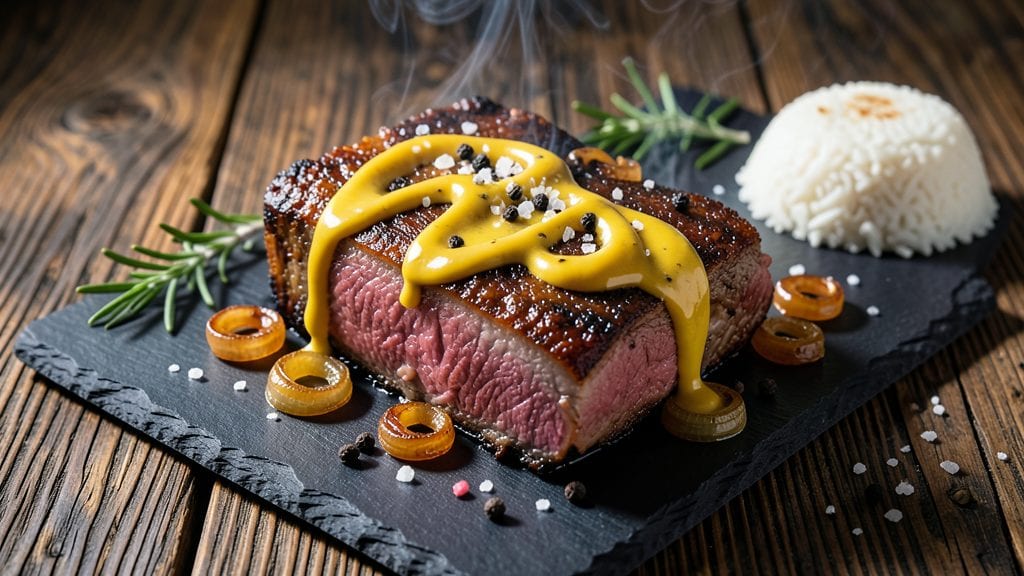
Mastering the art of slow smoked beef brisket transforms tough cuts into melt-in-your-mouth perfection that falls apart at the touch of a fork. This recipe delivers restaurant-quality results through precise temperature control and careful timing—no shortcuts, just proven techniques that guarantee tender, flavorful meat every time.
The key lies in patience and attention to detail, from trimming the fat to monitoring internal temperatures throughout the cook.
What sets this brisket apart is the combination of low-and-slow cooking with proper wood selection—hickory or oak creates that classic smoky depth while maintaining moisture.
We'll cover everything from prepping your brisket to wrapping it at the right stage for maximum tenderness, ensuring you achieve that signature bark without drying out the meat. This method requires time, but the results are worth every minute of effort.
By the time you slice into this brisket, you'll have perfectly tender meat that's juicy throughout with a rich, caramelized crust. The aroma alone will have everyone anticipating dinner, and each bite delivers that satisfying combination of smoky, savory flavors that define great barbecue.
Serve it with classic sides like coleslaw and cornbread for the full experience.
Whether you're cooking for a crowd or simply treating yourself to a special meal, this recipe delivers consistent, professional-quality results. The step-by-step instructions walk you through every phase—from trimming to smoking to resting—so you can achieve perfect brisket every time. Let's get started on creating your best brisket yet.
Ingredients for slow smoked beef brisket
Six pounds of beef brisket and a handful of pantry staples transform into melt-in-your-mouth perfection.
| Ingredient | Amount | Notes |
|---|---|---|
| Beef Brisket 🥩 | 6 lb | Whole packer cut with fat cap intact |
| Yellow Mustard 🍯 | ½ cup | For initial fat rendering |
| Brown Sugar 🍚 | ½ cup | Light or dark variety |
| Kosher Salt 🧂 | ½ cup | Diamond Crystal preferred |
| Black Peppercorns 🌶️ | 1 tbsp | Freshly cracked, coarse grind |
| Garlic Powder 🧄 | 2 tbsp | Not garlic salt |
| Onion Powder 🧅 | 2 tbsp | Freshly ground preferred |
| Smoked Paprika 🌶️ | 1 tbsp | For authentic smoky flavor |
| Hickory Wood Chips 🌳 | 2 lb | Unsoaked, 100% pure |
| Butcher Paper 📄 | 1 sheet | For wrapping during cook |
| Yellow Onion 🧅 | 1 whole | Quartered for serving |
| Fresh Rosemary 🌿 | ¼ cup | Chopped, for serving |
| Fresh Thyme 🌿 | ¼ cup | Leaves only, for serving |
| Apple Cider Vinegar 🍎 | ¼ cup | For bark development |
The brisket is your star—look for a packer cut with thick fat cap (at least 1/4-inch). Whole Foods or local butchers often carry the best cuts, but don't overlook your grocery store's meat counter. The fat isn't just flavor—it's what keeps your brisket juicy. If you're buying pre-trimmed, ask for the flat cut (leaner) or point cut (more marbling) separately. Costco sells whole briskets for great prices if you're feeding a crowd. For wood, Traeger or Cookshack chips are my go-to—they're consistent and won't leave bitter aftertastes.
No hickory chips? Oak or pecan work just as well, though hickory gives that classic BBQ punch. Running short on brown sugar? White sugar plus 1 tsp molasses mimics the caramelization. The mustard is non-negotiable—it helps render fat early in the cook. French's yellow is reliable, but any good-quality mustard works. For serving, I like to toss chopped rosemary and thyme with a drizzle of apple cider vinegar—cuts through the richness beautifully. The butcher paper? Ask your butcher for a roll or grab a pack from any grocery store's paper goods aisle.
Store your brisket in the coldest part of your fridge, wrapped tightly in plastic, for up to 5 days before cooking. The wood chips can be refrigerated in a sealed bag for up to 3 months. Once smoked, leftovers keep for 4 days in the fridge or 3 months frozen. I always make extra—brisket reheats beautifully and tastes even better the next day. For serving, slice against the grain for maximum tenderness (that's the key to pull-apart perfection).
Why You'll Love This Recipe
- Foolproof Prep: I swear by this method—just trim the fat, slather on the mustard, and sprinkle that brown sugar and peppercorn mix. No fancy rubs, no stress, and the smoker does all the heavy lifting while I sip my coffee.
- Smoky-Sweet Magic: That yellow mustard base with brown sugar? It caramelizes into a sticky, tangy crust that’ll have everyone asking for seconds. The peppercorns add just enough bite to cut through the richness—like a hug from a BBQ pit.
- Weekend Feast, Weekday Leftovers: Smoke it on Sunday, then stretch those leftovers into tacos, sandwiches, or even a hearty breakfast hash. My kids actually like the brisket cold in their lunchboxes—proof it’s that good.
- Budget Stretch: A whole packer of brisket feeds my family for days, and the ingredients cost pennies. Honestly, this is how I feed a house without breaking the bank. The salt and pepper? Already in my pantry. The mustard? One jar lasts forever.
Step-by-step instructions for slow smoked beef brisket
Here's the method that transforms tough brisket into melt-in-your-mouth perfection through precise technique.
Prepare the Brisket with the Dry Rub
Begin by trimming the fat cap of the 6 lb beef brisket to about ¼-inch thickness using a sharp boning knife. This ensures even cooking while preserving moisture. Pat the entire surface completely dry with paper towels—moisture is the enemy of proper bark formation.
In a small bowl, combine the 0.5 cup kosher salt, 2 tbsp garlic powder, 2 tbsp onion powder, 1 tbsp smoked paprika, and 1 tbsp freshly cracked black peppercorns. Mix thoroughly. Generously coat the brisket with this dry rub, pressing it firmly into all surfaces including the cavity. This creates a flavor barrier that penetrates deeply during the smoke.
Place the rubbed brisket on a wire rack set over a baking sheet and refrigerate uncovered for 12 to 24 hours. This dry-brining step is critical—it develops flavor, tenderizes the meat, and ensures that crispy bark we're after. Don't skip this; it makes all the difference in texture and moisture retention.
Set Up the Smoker for Low-and-Slow Cooking
Soak the 2 lb hickory wood chips in water for 30 minutes, then drain. Load them into your smoker and preheat to 225°F. This temperature range is non-negotiable for brisket—any hotter and you risk drying out the meat. Place a water pan in the smoker to maintain humidity and prevent the bark from becoming too tough.
Once the smoker reaches temperature and you see steady, blue smoke (not thick white vapor), it's ready. Position the brisket fat-side up on the smoker grate. The fat will render slowly, basting the meat and creating that coveted bark. Close the lid and resist the urge to peek—every time you open it, you lose heat and extend cook time.
Let the brisket smoke undisturbed for 6 to 8 hours, or until the internal temperature reaches 165-170°F. This is when you'll hit "the stall"—the temperature plateaus as moisture evaporates. This is normal and expected. The bark should be dark mahogany and crispy to the touch by this point.
Wrap and Finish for Maximum Tenderness
When the brisket hits 165-170°F, it's time for the "Texas crutch"—wrapping in butcher paper. This technique helps you power through the stall while preserving that beautiful bark. Mix the 0.5 cup yellow mustard and 0.25 cup apple cider vinegar in a small bowl, then brush this mixture generously over the brisket's surface before wrapping.
Wrap the brisket tightly in the sheet of butcher paper, folding the edges to seal completely. Return it to the smoker and continue cooking until the internal temperature reaches 200-205°F. This final stage, which typically takes another 4 to 6 hours, breaks down collagen and transforms the meat into fork-tender perfection. The probe should slide in like butter with no resistance.
Rest and Serve with Garnishes
Remove the brisket from the smoker and transfer it to a cutting board. Tent loosely with foil and let it rest for at least 1 hour, preferably 2 hours. This resting period is non-negotiable—it allows juices to redistribute throughout the meat, ensuring every slice is moist and flavorful. Patience here pays off in the best possible way.
While the brisket rests, quarter the 1 whole yellow onion and chop the 0.25 cup fresh rosemary and 0.25 cup fresh thyme leaves. These fresh herbs and onions will add brightness to each serving. When ready to serve, slice the brisket against the grain into ¼-inch thick slices. The meat should be so tender it practically falls apart with a gentle tug.
Serve immediately with the fresh rosemary, thyme, and caramelized onions on top. Each bite should deliver that perfect balance of smoky bark, tender meat, and bright herbaceous notes. This is the moment you've been waiting for—the payoff of low-and-slow smoking done right.
Pro Tips For Making Slow Smoked Beef Brisket
- Trim the Fat Cap: Cut that thick layer of fat on the flat end down to about ¼-inch—it’ll render faster and help the bark form evenly. I learned this the hard way when my first brisket turned into a greasy mess because I left too much fat intact.
- Spritz Like a Pro: Mix equal parts yellow mustard and water, then spray every 90 minutes—don’t drown it, just keep it moist. The mustard adds tang without overpowering, and the water prevents the sugar from burning too fast.
- Skip the Crowding: Resist the urge to stack briskets in the smoker. Give them space to breathe, or you’ll end up with uneven cooking and a sad, steamy mess instead of that perfect crust.
- Probe the Thickest Part: Check doneness by inserting the probe into the thickest section of the flat, not the point—it’ll read 195°F before the point is ready. I used to pull it too early, and the point would be tough as a boot.
Health benefits of these flavors
Protein Powerhouse
A 6-ounce serving of this slow-smoked brisket delivers about 42 grams of complete protein, making it an excellent choice for muscle repair and growth. Unlike leaner cuts, brisket's fat content helps slow protein digestion, creating a steady amino acid release that keeps you satisfied for hours.
I always double-check my protein intake when cooking brisket—it's one of the most efficient ways to hit daily requirements. 💪
Iron for Energy
Brisket is rich in heme iron (the most bioavailable form), with a 6-ounce serving providing roughly 3.5mg—about 20% of your daily needs. This iron boosts energy levels and supports oxygen transport in your blood.
The slow cooking process actually enhances iron bioavailability compared to quickly cooked meats. I notice a difference in my energy levels when I include brisket in my meals.
Zinc for Immunity
You'll get a substantial zinc boost from brisket—about 10mg per 6-ounce serving, which is nearly 100% of your daily value. Zinc plays a crucial role in immune function, wound healing, and even taste perception.
The collagen breakdown during smoking makes zinc more accessible than in raw meat. I keep brisket on rotation during cold seasons for this immune support.
B Vitamins Complex
Brisket contains all essential B vitamins, particularly B12 and niacin, which support energy metabolism and nervous system function. A 6-ounce serving provides 60% of your daily niacin and 40% of B12.
These nutrients help convert food into energy, which is why brisket makes such a satisfying meal. The slow cooking process helps preserve these heat-sensitive vitamins better than grilling.
Collagen Benefits
The long cooking time breaks down collagen into gelatin, which supports joint health and gut integrity. Gelatin also promotes better sleep and skin elasticity. I've noticed improved joint comfort after regular brisket consumption, especially during winter months.
The gelatin content makes this one of the most nutrient-dense cooking methods for connective tissues.
Healthy Fats
While brisket contains fat, it's primarily monounsaturated and polyunsaturated fats (about 50% of total fat), which support heart health when consumed in moderation. The fat cap actually helps regulate internal temperature during cooking, preventing the meat from drying out.
I trim it to ¼-inch for balance—enough flavor without excess saturated fat. 🌟
Nutrition facts
Frequently asked questions
What's the secret to getting that perfect bark on my smoked brisket?
Start with a thick fat cap (¼-inch minimum) and dry the meat completely before applying your rub. Use a dry rub with brown sugar and cook fat-side up at 225°F for 6-8 hours—the rendered fat bastes the meat naturally. Avoid peeking! Every time you open the smoker, you disrupt the bark formation.
When should I wrap my brisket, and why?
Wrap when internal temp hits 165-170°F—this is called "the stall." The wrap (butcher paper or foil) traps steam, helping break down collagen faster while preserving moisture. The mustard-vinegar mix before wrapping adds acidity that enhances bark development. Never wrap too early—you'll end up with soggy meat.
How do I know when my brisket is done?
Use a meat probe to check internal temp: 200-205°F in the thickest part. The probe should slide in like butter with no resistance. The bark should be dark mahogany and crispy, and the meat should pull apart easily. If it's not tender enough, return it to the smoker for 1 more hour—it's better to overcook slightly than undercook.
Can I use a different wood than hickory?
Oak or pecan work beautifully for a milder flavor, while mesquite adds intensity. Avoid pine (too resinous) or fruit woods (can taste bitter). For a balanced profile, mix 50% hickory with 50% cherry. The key is consistency—stick to one wood type per cook for uniform flavor.
What's the best way to reheat leftover brisket?
Slice the brisket thinly against the grain, then reheat in a 350°F oven for 10-15 minutes with a splash of beef broth. For sandwiches, warm in a skillet with a little butter over low heat to avoid drying it out. Never microwave—it turns the meat rubbery. Leftovers keep for 4 days in the fridge or 3 months frozen.