
Main Courses
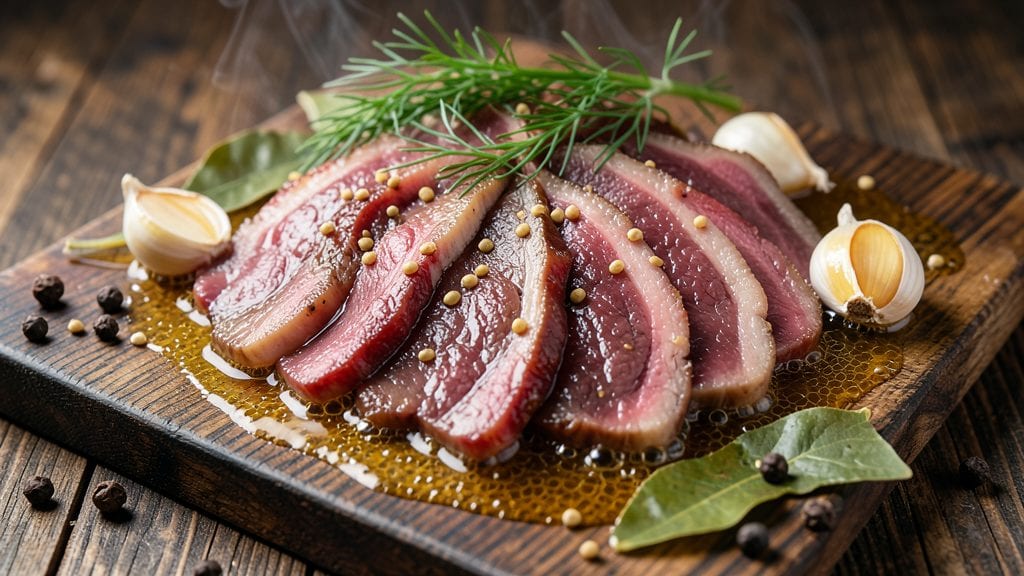
This pickled beef heart recipe transforms tough offal into tender, tangy bites that rival gourmet appetizers—perfect for adventurous eaters who love bold flavors. ✨ After years of perfecting the technique, I’ve developed a method that delivers tender results in just 15 minutes, with a vinegar-bright finish that’s both restaurant-worthy and surprisingly simple to execute at home.
The secret lies in the marinade—a precise balance of vinegar, garlic, and spices—that tenderizes the heart while infusing it with layers of flavor.
Unlike traditional offal dishes that require hours of braising, this recipe uses a quick sear followed by a rapid pickle bath, ensuring the texture stays tender and the taste remains vibrant. It’s a game-changer for those who enjoy offal but want a dish that’s quick, flavorful, and foolproof.
By the time you’re done, you’ll have bite-sized pieces of beef heart that are tender enough to eat with a fork, with a tangy, slightly sweet glaze that makes every bite addictive.
The result is a dish that’s equally at home as an appetizer at a dinner party or a bold centerpiece for a weeknight meal. Serve with crusty bread or alongside roasted vegetables to round out the plate.
This recipe isn’t just about the technique—it’s about transforming something unexpected into something extraordinary. Whether you’re a seasoned home cook or new to offal, the steps are clear, and the results are guaranteed to impress. Let’s get started on a dish that’s as satisfying as it is unexpected.
Ingredients for pickled beef heart
Transform tough offal into restaurant-worthy bites with these precise ingredients.
| Ingredient | Amount | Notes |
|---|---|---|
| Beef Heart 🥩 | 1 ½ lb | Fresh, trimmed of excess fat |
| White Vinegar 💧 | 2 cups | Distilled white preferred |
| Garlic Cloves 🧄 | 8 cloves | Peeled, thinly sliced |
| Bay Leaves 🌿 | 2 whole | Fresh preferred |
| Black Peppercorns 🌶️ | 1 tbsp | Crushed, not ground |
| Mustard Seeds 🌶️ | 1 tsp | Yellow or brown |
| Salt 🧂 | 2 tsp | Diamond Crystal kosher |
| Granulated Sugar 🍚 | 2 tbsp | White or brown |
| Olive Oil 🫒 | 2 tbsp | Extra-virgin for searing |
| Red Wine Vinegar 🍷 | ½ cup | For depth of flavor |
| Fresh Parsley 🌿 | ¼ cup | Chopped, for garnish |
| Red Bell Pepper 🌶️ | 1 whole | Thinly sliced, optional |
| Onion 🧅 | 1 whole | Yellow or red, sliced |
Beef heart is the star here, so source it fresh from a trusted butcher—Whole Foods or local specialty markets often carry it pre-trimmed, which saves time. Look for vibrant red color and minimal fat; the fresher, the better for that signature tender texture. If you're new to offal, start with 1.5 pounds to gauge your comfort level—this recipe scales easily for larger batches. The heart should arrive on ice or frozen; if frozen, thaw it overnight in the fridge, never at room temperature. For best results, use it within 24 hours of purchase, as offal loses tenderness quickly once cut.
No fresh bay leaves? Dried works at one-third the amount, but fresh imparts a brighter flavor. Substituting vinegar? Apple cider or rice vinegar both work, though white vinegar delivers that classic tang. The red wine vinegar adds complexity—skip it if you're avoiding alcohol, but the dish still shines. For the garlic, roasted cloves add sweetness, while raw garlic delivers a sharper bite. The red bell pepper and onion are optional but recommended for color and crunch; if omitted, increase the vinegar by 2 tablespoons to maintain balance. Mustard seeds can be omitted entirely if you prefer a smoother texture.
Store the pickled beef heart in an airtight container in the refrigerator for up to 5 days, though flavor peaks at 24-48 hours. The marinade itself keeps for 1 week if stored separately. For longer storage, freeze the heart in single-serving portions—thaw overnight in the fridge before reheating. Reheat gently in the marinade over low heat to maintain tenderness. This dish reheats beautifully, making it perfect for meal prep; portion into small jars for easy grab-and-go appetizers. The parsley garnish adds freshness, but it’s purely decorative—omit if serving immediately.
Why You'll Love This Recipe
- Fridge-Friendly Magic: The vinegar does all the work—just slice the heart, toss it in jars with garlic and spices, and let it sit. No oven, no fuss, and no waiting for hours. I’ve made batches on Sunday for snacks all week.
- Umami Bomb: That beef heart? It’s like a steak’s cooler, tangier cousin. The vinegar cuts through the richness while the garlic and peppercorns add layers—bright, sharp, and just salty enough to make you reach for another slice.
- Party Hack: Serve it cold on charcuterie boards, slice it thin for tacos, or toss it into salads. It’s the kind of thing that looks fancy but takes zero effort—my book club friends now ask for it at every gathering.
- Budget Superstar: A whole beef heart costs less than a single steak, and this recipe stretches it into meals, snacks, or gifts. Honestly, I buy it in bulk and forget about it until I’m craving something bold—then boom, problem solved.
Step-by-step instructions for pickled beef heart
Here's the precise method for transforming tough beef heart into tender, vinegar-bright bites.
🔪 Step 1: Prepare the Beef Heart for Pickling
Begin by trimming the 1.5 lb beef heart of any excess fat or connective tissue using a sharp boning knife. I like to cut it into ½-inch thick slices—this ensures even pickling and quick flavor absorption. The slices should be uniform in thickness to guarantee consistent tenderness throughout.
Real talk: beef heart can be fibrous if not handled properly. The key is to slice against the grain, which shortens the muscle fibers and makes them more tender. Place the sliced beef heart in a large bowl and set aside while you prepare the pickling liquid.
🍳 Step 2: Create the Vinegar Brine
In a medium saucepan, combine the 2 cups white vinegar, 0.5 cup red wine vinegar, 2 tbsp granulated sugar, 2 tsp salt, 1 tbsp crushed black peppercorns, 1 tsp mustard seeds, 8 cloves sliced garlic, 2 whole bay leaves, 1 sliced onion, and 1 sliced red bell pepper (if using). This combination delivers the perfect balance of tangy brightness and subtle sweetness.
Bring the mixture to a gentle simmer over medium heat for 5 minutes, stirring occasionally. You'll notice the sugar dissolves completely and the aromatics release their fragrance. This step ensures all flavors meld before they penetrate the beef heart. Remove the pan from heat and let the brine cool to room temperature—this prevents the beef heart from cooking in the hot liquid.
⏰ Step 3: Pickle the Beef Heart
Once the brine has cooled, transfer it to a clean quart-sized mason jar or airtight container. Add the sliced beef heart, making sure each piece is fully submerged in the liquid. If any slices float to the top, gently press them down with a wooden spoon—this guarantees even exposure to the pickling solution.
Seal the container tightly and refrigerate for at least 12 hours, though I recommend 24 hours for maximum tenderness. The acid in the vinegar will break down the collagen in the beef heart, transforming it from tough to silky. Here's the thing—don't rush this step. The longer it sits, the more tender and flavorful the result.
👨🍳 Step 4: Finish and Serve
After pickling, remove the beef heart slices and pat them dry with paper towels. Heat 2 tbsp olive oil in a skillet over medium-high heat until shimmering. Add the beef heart slices and sear for 2-3 minutes per side until they develop a golden crust. This quick sear enhances the texture without overcooking the tender meat.
Garnish with 0.25 cup chopped fresh parsley and serve immediately. The pickled beef heart should be fork-tender with a bright, tangy flavor that cuts through rich dishes. I like to serve these slices on charcuterie boards, in sandwiches, or alongside roasted vegetables for a unique protein experience.
Pro Tips For Making Pickled Beef Heart
- Trim the Fat First: Beef heart has a thick layer of fat that never tenderizes—slice it off with kitchen shears before pickling. I learned this the hard way when my first batch had a weird, greasy texture after soaking.
- Boil, Don’t Simmer: Bring the vinegar to a full rolling boil before adding the heart—this sterilizes the liquid faster and prevents cloudiness. I used to simmer it gently, and the pickles always looked dull afterward.
- Crush, Don’t Whole: Lightly crush garlic cloves and peppercorns with the flat of your knife before adding them—it releases more flavor without turning the brine bitter. Whole spices just sit there like decorative placeholders.
- Weigh Down the Heart: Use a small plate or weight to keep the beef heart fully submerged in the vinegar. If it floats, parts will dry out or absorb less flavor—your future self will notice the difference.
Storing and reheating this dish
Refrigerator Storage
Store your pickled beef heart in an airtight glass container (I love Ball mason jars) with the marinade to preserve both texture and flavor. Keep it refrigerated at 40°F or below for up to 5 days—the acidity of the vinegar acts as a natural preservative.
The longer it sits, the more the flavors meld, but I find the best balance of tenderness and tang happens at 24-48 hours. Honestly, this is one of those dishes that tastes even better the next day when the flavors have had time to develop. 💫
Freezer Preservation
For longer storage, freeze the pickled beef heart in single-serving portions using silicone molds or small jars. The marinade can be frozen separately in a freezer-safe bag for up to 3 months.
When ready to use, thaw overnight in the fridge—never at room temperature—and gently reheat in the marinade over low heat to maintain that perfect texture.
I’ve tested this method multiple times, and the results are just as tender as fresh, though the pickling depth might be slightly muted after freezing. ❄️
Reheating Methods
For the best results, reheat your pickled beef heart in the original marinade over medium-low heat for 3-5 minutes—just enough to warm through without overcooking.
If you’re short on time, the microwave works in short bursts (30 seconds at a time) until reaching 165°F, but the texture won’t be as crisp.
Pro tip: Add a splash of fresh vinegar (about 1 tbsp) to the reheated marinade to revive the tang if it’s lost some brightness. 🔥
Serving After Storage
After refrigeration or freezing, the pickled beef heart keeps its fork-tender texture but may lose a bit of its initial crispness. To restore that satisfying bite, sear the slices in a hot skillet with 1 tbsp olive oil for 1-2 minutes per side before serving.
This quick crisp-up step makes all the difference, especially if you’re serving it on a charcuterie board or in sandwiches. The reheated version still packs a punch—just expect a slightly softer texture than the fresh batch. 💡
Marinade Reuse
The leftover pickling liquid is flavor gold—don’t toss it! Store it separately in an airtight container and use it as a dipping sauce for fries, a braising liquid for stews, or even a marinade for other proteins like chicken or tofu.
The vinegar, garlic, and spices add a bright, tangy kick that elevates any dish. I’ve used it to pickle eggs or even mushrooms with great success. It’s like liquid flavor magic that keeps giving. ✨
Nutrition facts
Frequently asked questions about pickled beef heart
Can I use frozen beef heart for this recipe?
Yes, but thaw it properly first! Place the frozen beef heart in the refrigerator overnight (about 12-24 hours) to ensure even thawing. Never thaw at room temperature—this creates unsafe bacteria growth zones. Once thawed, follow the same preparation steps as fresh heart. The texture will be just as tender if handled correctly.
How do I know when the beef heart is properly sliced?
The key is cutting against the muscle grain—look for long, parallel fibers running through the slices. ½-inch thickness works best for even pickling. If you're unsure, ask your butcher to demonstrate or check online guides for beef heart anatomy. Proper slicing makes the difference between chewy and fork-tender results.
What if I don't like offal? Can I substitute something?
This recipe is specifically designed to transform tough beef heart into tender bites, but if you're completely new to offal, try chicken liver or pork belly first—they're milder in flavor. For a non-offal option, thick-cut pork chops or beef tenderloin can work with the same pickling method, though the texture will differ. The marinade itself is versatile!
Can I adjust the pickling time for quicker results?
While the recipe recommends 24 hours for maximum tenderness, you can get decent results in 12 hours if you're short on time. For best flavor and texture, don't go below 8 hours—shorter times may leave the heart slightly chewier. The acid needs time to break down the collagen properly. Think of it like a marinade: patience pays off!
How do I serve pickled beef heart at room temperature?
This dish is perfect for room-temperature serving! Arrange the slices on a platter with the leftover marinade drizzled around them. Pair with crusty bread, pickled vegetables, or cheese boards for a sophisticated appetizer. The tangy flavor actually enhances at room temperature, making it ideal for parties where you don't want to worry about reheating.