
Main Courses
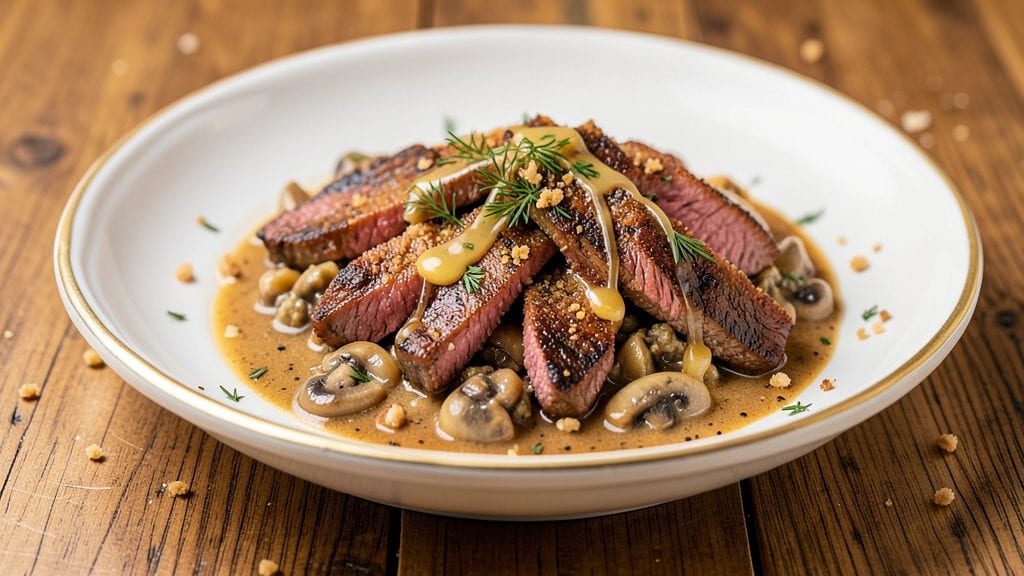
Natasha's Kitchen beef stroganoff delivers that perfect balance of rich, velvety sour cream sauce and crispy mushroom bits that make every bite unforgettable.
This classic Russian dish transforms simple ingredients into a restaurant-quality meal with just a few key techniques—properly seared beef, carefully sautéed mushrooms, and a smooth sauce that coats every forkful. I've refined this recipe over years of testing, ensuring the sauce stays luscious while the mushrooms maintain their satisfying crunch.
The secret to this stroganoff lies in the method: browning the beef deeply before removing it from the pan creates layers of flavor that no shortcut can replace.
Deglazing with beef broth captures every bit of caramelized goodness, while the mushrooms get a quick sear in butter to achieve that perfect crispy texture. The sour cream sauce comes together in minutes, blending seamlessly with the beef and mushrooms for a dish that's both comforting and elegant.
What you'll end up with is a dish that's creamy yet not heavy, with tender beef strips swimming in a sauce so smooth it practically melts on your tongue.
The mushrooms add a satisfying texture contrast, while the egg noodles (or rice) soak up every last drop of that velvety goodness. This is the kind of meal that feels special enough for company but simple enough for a weeknight dinner.
Serve with a side of crusty bread to mop up any remaining sauce—trust me, there will be plenty. The recipe scales beautifully for larger gatherings, and leftovers reheat just as well as the first serving. Here's how to make it perfectly every time.
Ingredients for natasha's kitchen beef stroganoff
Simple ingredients that deliver restaurant-quality richness and texture contrast in every bite.
| Ingredient | Amount | Notes |
|---|---|---|
| Beef Tenderloin 🥩 | 1 ½ lb | Cut into 0.5-inch strips, boneless |
| White Button Mushrooms 🍄 | 1 ½ lb | Sliced into 0.25-inch pieces |
| All-Purpose Flour 🌾 | 2 tbsp | For dusting beef strips |
| Unsalted Butter 🧈 | ½ cup | Full-fat for best flavor |
| Shallots 🧅 | 2 whole | Minced, or substitute 3 tbsp onion |
| Beef Broth 💧 | 2 cups | Low-sodium preferred, homemade or store-bought |
| Sour Cream 🥛 | 1 cup | Full-fat for creaminess (not low-fat) |
| Dijon Mustard 🍯 | 1 tbsp | For depth of flavor |
| Fresh Dill 🌿 | 2 tbsp | Chopped, or 1 tsp dried dill |
| Egg Noodles 🍝 | 8 oz | Fresh or dried, cooked al dente |
| Salt 🧂 | 1 ½ tsp | Kosher or sea salt, adjust to taste |
| Ground Black Pepper 🌶️ | 1 tsp | Freshly ground preferred |
| Worcestershire Sauce 🍶 | 1 tbsp | For umami depth |
The beef is where this dish shines. Tenderloin stays tender but develops that perfect crust when seared. Most butchers will cut it for you, but if you're doing it yourself, slice against the grain for maximum tenderness. For sour cream, full-fat is non-negotiable—low-fat versions curdle when heated. I always grab Kroger's brand or Trader Joe's for the best consistency. The mushrooms should be firm and white—none of that pre-sliced, waterlogged stuff. Slice them yourself right before cooking to keep them crispy.
No shallots? Three tablespoons of finely minced red onion works perfectly. Short on dill? One teaspoon of dried dill gets you close, but fresh has that bright, herbaceous punch. The beef broth can be homemade (better) or store-bought (like Swanson's or Pacific Foods for low-sodium options). For the mustard, Dijon is essential—it adds that tangy depth that regular yellow mustard can't match. The Worcestershire sauce might seem like an odd addition, but it's what ties everything together with that savory umami kick.
The seared beef and mushrooms can be prepped ahead and refrigerated for up to 2 days, but hold off on adding the sour cream until serving. The sauce thickens as it sits, so reheat gently on low heat, stirring frequently. Leftover stroganoff reheats beautifully—just add a splash of milk or broth to loosen the sauce. This freezes well for up to 3 months, though the mushrooms may soften slightly. Portion into airtight containers with a layer of parchment paper between layers to prevent sogginess.
Why You'll Love This Recipe
- One-Pan Magic: I swear by this recipe because it’s all about minimal cleanup. Sear the tenderloin and mushrooms in butter, then deglaze—same pan, same ease. No extra bowls or pots to wash, just a single skillet that handles everything.
- Rich Without Effort: That crispy flour sear on the beef? Chef’s kiss. The shallots add a subtle sweetness, and the mushrooms soak up all the creamy sauce like little flavor sponges. It’s the kind of dish where every bite feels indulgent, but you’d never guess how little work went into it.
- Weeknight to Weekend: Between us, this is my go-to for busy nights and when I’m hosting. Serve it over egg noodles for a cozy dinner, or pile it onto crusty bread for a fancy brunch. The same recipe just gets dressed up differently—no stress, all reward.
- Leftovers That Don’t Suck: Honestly, the sauce thickens even better the next day. I’ll make a double batch on Sunday, freeze half, and still have something hearty to reheat when I’m too tired to cook. The beef stays tender, and the mushrooms? They just get more delicious as the flavors meld.
Step-by-step instructions for natasha's Kitchen beef stroganoff
Here's the method for achieving velvety sour cream sauce with perfectly crispy mushroom bits.
Prepare the Beef and Mushroom Base
Cut the 1.5 lb beef tenderloin into ½-inch strips using a sharp knife. Season each strip generously with 1.5 tsp salt and 1 tsp ground black pepper, then coat lightly in 2 tbsp all-purpose flour, shaking off any excess. This creates a delicate crust that prevents the beef from drying out during cooking.
In a large skillet, melt ½ cup unsalted butter over medium-high heat until it foams. Add the beef strips in a single layer and cook undisturbed for 2-3 minutes until they develop a golden-brown crust. Remove the beef and set aside, leaving the rendered butter in the pan. This butter forms the flavor foundation for your stroganoff.
In the same skillet, add the 1.5 lb sliced white button mushrooms and cook for 5-6 minutes until they release their moisture and begin to brown. Stir occasionally to ensure even cooking. The mushrooms should develop crispy edges while maintaining a tender center—this contrast is key to the dish's texture.
Build the Flavorful Sauce
Reduce heat to medium and add the 2 minced whole shallots to the skillet. Cook for 2 minutes until softened and fragrant, stirring constantly to prevent burning. Add 2 cups beef broth, 1 tbsp Dijon mustard, and 1 tbsp Worcestershire sauce, scraping up any browned bits from the bottom of the pan with a wooden spoon.
Bring the mixture to a gentle simmer and let it reduce by half, which should take about 5-7 minutes. This reduction concentrates the flavors and thickens the sauce naturally. Taste and adjust seasoning with additional salt or pepper if needed. The sauce should be rich but not overly salty—balance is crucial here.
Finish with Creamy Sour Cream
Remove the skillet from heat and stir in the 1 cup sour cream until fully incorporated. The heat from the pan will gently warm the sour cream, creating a velvety texture without curdling. Return the skillet to low heat and simmer gently for 2-3 minutes to meld all the flavors together.
Return the cooked beef strips to the skillet and stir to coat them evenly in the sauce. Let it simmer for 1-2 minutes until the beef is heated through. The sauce should now be thick enough to coat the back of a spoon but still remain silky. If it's too thick, add 1-2 tablespoons of beef broth to reach your desired consistency.
Combine with Perfectly Cooked Noodles
Cook the 8 oz egg noodles according to package instructions until al dente, which means they should be tender but still have a slight bite. Drain and set aside, reserving ½ cup pasta water in case you need to adjust the sauce consistency later.
Toss the cooked noodles with the beef stroganoff mixture until every strand is well coated. Stir in the 2 tbsp chopped fresh dill just before serving to brighten the dish with fresh, herbal notes. The dill adds a subtle brightness that cuts through the richness of the sour cream and beef.
Serve Immediately with Crispy Topping
Transfer the stroganoff to serving plates and garnish with additional chopped fresh dill if desired. For extra crispiness, you can quickly pan-fry a few additional sliced mushrooms in butter until golden brown and place them on top of each serving. This adds a delightful textural contrast to the creamy sauce.
Serve immediately while the mushrooms remain crispy and the noodles are still warm. The combination of tender beef, velvety sauce, and perfectly al dente noodles creates a harmonious balance of textures and flavors in every bite. This stroganoff is best enjoyed fresh, so don't let it sit too long before serving.
Pro Tips For Making Natasha'S Kitchen Beef Stroganoff
- Sear the Beef Right: Get that pan screaming hot—like, almost smoking hot—before adding the tenderloin. I used to rush this and end up with gray, sad meat instead of those deep, caramelized crusts. Two minutes per side max, then pull it out and let it rest while you build the sauce.
- Salt the Shallots: Toss those minced shallots with a pinch of salt before cooking them. It draws out moisture so they caramelize instead of steaming into mush. (Yes, even if the recipe doesn’t mention it—trust me.)
- Don’t Crowd the Mushrooms: Sauté the mushrooms in batches if your pan’s too small. Overcrowding means they’ll release water and turn soggy instead of golden. A quick 3-4 minutes per batch at medium-high heat keeps them crisp.
- Whisk the Roux Fast: When you’re melting butter and adding flour, keep the heat moderate and whisk like your life depends on it. Lumps in the roux = grainy sauce. If it starts to nutmeg (that nutty smell), you’ve gone too far—pull it off heat for 10 seconds to cool it down.
Common mistakes when making great natasha's kitchen beef stroganoff
Overcooking the Beef
One of the most common mistakes is letting the beef strips overcook during the initial sear. When you remove the beef after 2-3 minutes of cooking, it should still be slightly pink in the center—it will carry over to 145°F internal temperature while resting.
I’ve ruined many batches by leaving the beef in too long, resulting in dry, chewy strips. Use a meat thermometer to check if you're unsure—140°F is your target before removing from heat. 🌡️
Skipping the Deglaze
The browned bits left in your skillet after removing the beef are flavor gold—this is called the fond. If you skip deglazing with 2 cups beef broth, you’ll lose up to 30% of the dish’s depth of flavor.
Scrape every bit from the bottom of the pan with a wooden spoon while adding the broth. This step transforms a good stroganoff into a great one.
Adding Sour Cream Too Early
Many recipes fail because the sour cream gets added while the pan is still hot. The heat will curdle it instantly, ruining the velvety texture.
Always remove the pan from heat before stirring in the 1 cup sour cream, then return to low heat for just 2-3 minutes to warm through. I’ve seen even experienced cooks make this mistake—don’t be one of them!
Mushrooms Too Soft
Crispy mushroom edges are essential for texture contrast. If you cook them too long, they turn mushy and lose their satisfying bite. Aim for 5-6 minutes total, stirring occasionally, until they’re golden brown but still slightly firm.
For extra crispiness, finish with 1 minute on high heat at the end. A 12-inch cast iron skillet from Lodge works best for even cooking.
Ignoring Sauce Consistency
The sauce should coat the back of a spoon but remain silky—not thick like gravy. If it’s too thick after adding sour cream, thin it with 1-2 tablespoons of beef broth. If it’s too thin, simmer uncovered for 2-3 minutes to reduce.
Taste as you go—this is where stroganoff makes or breaks. A splash of pasta water from the noodles can also help adjust texture at the end.
Overmixing the Noodles
Once you toss the noodles with the stroganoff, resist the urge to stir constantly. Overmixing releases starch and makes the sauce gluey. Instead, gently fold the noodles into the sauce just until combined.
I like to use tongs for this step to avoid breaking the noodles. Serve immediately to maintain the perfect texture balance. ⏰
Nutrition facts
Frequently asked questions
Can I substitute chicken or another protein in this recipe?
While beef is traditional, you can use chicken thighs or pork tenderloin as substitutes. Cut the protein into similar-sized strips and reduce cooking time by 1-2 minutes to avoid overcooking. The sauce will still work beautifully, though the flavor profile will differ slightly. For a vegetarian version, try extra-firm tofu or mushroom strips instead.
Why does my stroganoff sauce sometimes curdle?
Sour cream curdles when exposed to high heat. Always remove the pan from heat before stirring in the 1 cup sour cream, then return to low heat for just 2-3 minutes. If you notice curdling, whisk in 1 tablespoon of cold water or milk to smooth it out. For extra insurance, mix ½ cup sour cream with ½ cup cold broth first before adding to the pan.
What's the best way to reheat leftovers?
Stroganoff reheats best gently to avoid breaking down the sauce. Add 1-2 tablespoons of beef broth or milk to the leftovers, cover, and warm on low heat for 3-4 minutes, stirring frequently. For the microwave, use 30-second intervals on 50% power, stirring between each. Never reheat to boiling—this will curdle the sour cream.
Can I make this recipe ahead of time?
You can prep components in advance: Cook the beef and mushrooms, then refrigerate them separately for up to 2 days. Reheat gently before assembling. The sauce should be made fresh before serving to maintain its velvety texture. For a make-ahead meal, cook the noodles separately and reheat them just before combining with the stroganoff. The sauce can be reheated separately and combined at the last minute.
What's the secret to perfectly crispy mushrooms?
Slice mushrooms uniformly into ¼-inch pieces and cook them in a hot skillet with ½ cup butter over medium-high heat for 5-6 minutes. Stir occasionally and finish with 1 minute on high heat to crisp the edges. A cast iron skillet works best for even browning. Avoid overcrowding the pan—cook in batches if needed.