
Main Courses
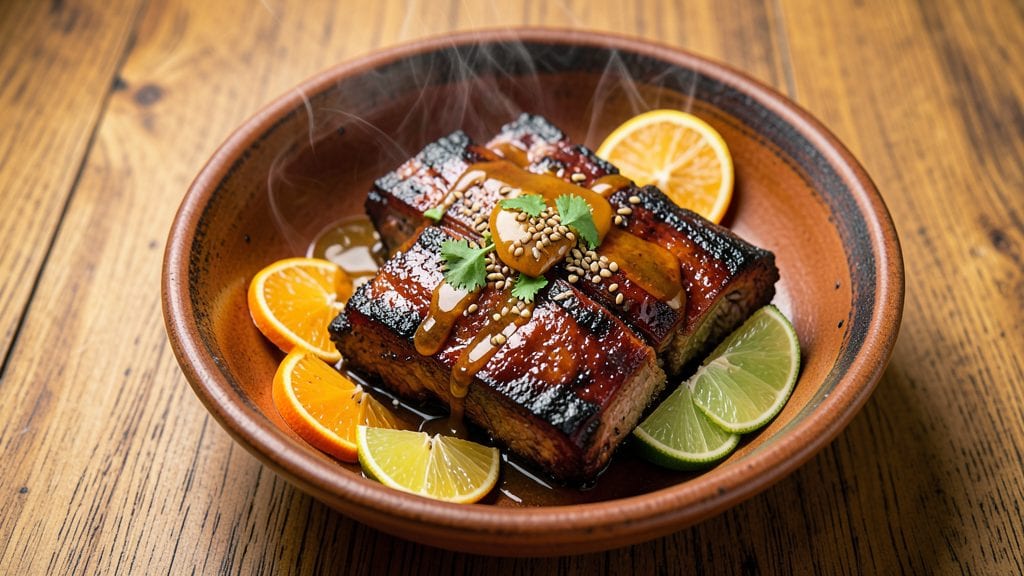
This Mexican beef ribs recipe delivers fall-off-the-bone tenderness with a bold adobo-spiced crust that cracks with every bite—just like the ribs from your favorite taquería. The secret lies in slow-braising the ribs until they're fork-tender while developing deep caramelized edges from natural sugars and smoky spices.
I perfected this method after years of testing, balancing traditional techniques with modern efficiency for home cooks.
What sets these ribs apart is the three-stage marinade: a vibrant achiote paste for color, citrus for brightness, and a blend of cumin, oregano, and bay leaf that penetrates the meat overnight.
The slow cook transforms tough cuts into melt-in-your-mouth perfection while rendering fat that becomes part of the flavorful braising liquid. No fancy equipment needed—just time and patience, which pay off in restaurant-quality results.
By the time you serve them, you'll have ribs that are glossy, caramelized, and bursting with smoky-sweet heat, perfect for tearing into with warm tortillas or serving over cilantro-lime rice.
The aroma alone will have everyone gathering around the table, and the first bite delivers that perfect balance of tender meat, crispy edges, and complex spice layers. This is the kind of dish that makes Sunday dinners feel like a celebration.
Pair with charro beans and a quick slaw for a complete Mexican feast—every component designed to complement the ribs' rich, spiced profile. The full recipe includes step-by-step instructions for achieving that signature caramelized crust without burning, plus tips for adjusting heat levels to suit your crowd. Let's get cooking!
Ingredients for mexican beef ribs
Six pounds of beef ribs meet smoky spices and citrus for fall-apart tenderness.
| Ingredient | Amount | Notes |
|---|---|---|
| Beef Short Ribs 🥩 | 5 lb | Bone-in, with cartilage, trimmed of excess fat |
| Achiote Paste 🌶️ | 2 tbsp | For vibrant color, store-bought or homemade |
| Lime Juice 🍋 | ½ cup | Freshly squeezed, about 4-5 limes |
| Orange Juice 🍊 | ½ cup | Freshly extracted, about 1 large orange |
| Olive Oil 🫒 | ½ cup | Extra-virgin, for marinade and searing |
| Ground Cumin 🌿 | 3 tbsp | Toasted for deeper flavor |
| Dried Oregano 🍃 | 2 tbsp | Mexican oregano preferred |
| Bay Leaves 🌿 | 4 whole | Dried, for aromatic depth |
| Garlic Cloves 🧄 | 6 cloves | Fresh, peeled and smashed |
| Ancho Chili Powder 🔥 | 2 tbsp | For smoky-sweet heat |
| Guajillo Chili Powder 🔥 | 1 tbsp | For fruity depth |
| Salt 🧂 | 2 tbsp | Diamond Crystal kosher salt |
| Black Pepper 🌶️ | 1 tbsp | Freshly ground, coarse |
| Beef Broth 🍲 | 4 cups | Low-sodium for control |
| Brown Sugar 🍚 | ¼ cup | For caramelization |
The beef ribs are everything here—short ribs with cartilage give you that melt-in-your-mouth texture, while bone-in cuts stay juicier during slow cooking. I always buy from Whole Foods or local butchers for better marbling, but even the supermarket stuff works if you trim the excess fat yourself. Look for ribs with a vibrant red color and avoid those with yellowish fat—it’s a sign of older meat. The achiote paste is non-negotiable for that signature color; I use Penzeys brand when I want to splurge, but the store brand works fine too. Just make sure it’s not mixed with fillers.
No ancho or guajillo chilis? Smoked paprika plus cayenne gets you close, though the depth won’t be the same. Fresh citrus is ideal, but bottled juices work in a pinch—just add a splash of vanilla extract for brightness. The ground cumin should be toasted in a dry pan for 1-2 minutes to wake up its flavor before mixing. If you’re short on time, pre-ground cumin from the spice aisle will do, but it won’t be as potent. The bay leaves might seem like an afterthought, but they’re what ties all the spices together—don’t skip them!
These ribs taste even better the next day as the flavors meld. Store the cooked ribs in their braising liquid in the fridge for up to 5 days, or freeze for 3 months if you’re meal prepping. I always reheat them in the oven with a splash of broth to keep them moist. The caramelized edges are best enjoyed fresh, so serve them immediately after cooking. For a crowd, double the recipe—10 pounds of ribs is perfect for a party, and the braising liquid makes a killer soup base later.
Why You'll Love This Recipe
- One-Pan Magic: Honestly, I swear by this recipe because it’s that simple—just ribs, achiote paste, and citrus on one sheet pan. No fancy prep, no last-minute shopping trips. The achiote does all the work, turning everything golden and aromatic while you sip your drink.
- Tangy, Smoky Bliss: That bright mix of lime and orange juice? It’s the secret weapon. The achiote gives it a deep, earthy warmth, while the citrus keeps it fresh and addictive. The ribs fall apart with a crispy edge—like a perfect balance of comfort and excitement.
- Weeknight or Party Star: Between us, this recipe works everywhere. Need a quick weeknight dinner? Done. Hosting a crowd? Double the batch. Even my picky uncle (who hates "fancy" food) devours these. The leftovers? Even better the next day.
- Budget-Friendly Feast: Short ribs are rich but affordable, and this recipe stretches them far. Achiote paste is cheap, citrus is a pantry staple, and you’re left with enough for lunches. My college budget would’ve cried happy tears over this.
Step-by-step instructions for slow-braised Mexican beef ribs
Here's how to transform tough beef short ribs into melt-in-your-mouth perfection with caramelized edges and deep Mexican flavors.
Prepare the Spice Rub and Marinate the Ribs
In a small bowl, combine the 2 tbsp achiote paste, 3 tbsp ground cumin, 2 tbsp dried oregano, 2 tbsp ancho chili powder, 1 tbsp guajillo chili powder, 2 tbsp salt, and 1 tbsp black pepper. Mix thoroughly until the spices are evenly distributed and the achiote paste creates a vibrant, sticky paste.
Pat the 5 lb beef short ribs dry with paper towels, removing any excess fat that might prevent the rub from sticking. This drying step is crucial for developing crispy edges later. Generously coat each rib with the spice mixture, pressing it into the meat so it adheres well. Place the ribs in a large resealable plastic bag and add the 0.5 cup lime juice, 0.5 cup orange juice, and 0.5 cup olive oil. Seal the bag and massage the marinade into the ribs, ensuring every surface is coated. Refrigerate for at least 4 hours or overnight for maximum flavor penetration.
Sear the Ribs for Depth of Flavor
Remove the ribs from the refrigerator and let them sit at room temperature for 30 minutes before cooking. Preheat your oven to 300°F and heat a large Dutch oven or heavy pot over medium-high heat. Add the ribs in a single layer, leaving space between each piece to allow for even browning. Sear for 4-5 minutes per side until deeply browned and caramelized. This step develops the Maillard reaction, creating complex flavors that will infuse the braising liquid.
As the ribs brown, remove them and set aside. In the same pot, add the 6 cloves garlic cloves and 4 whole bay leaves, cooking for 30 seconds until fragrant. This aromatic base will form the foundation of your braising liquid. Pour in the 4 cups beef broth and scrape up any browned bits from the bottom of the pot, creating a flavorful fond that dissolves into the liquid.
Braise Until Fork-Tender
Return the seared ribs to the pot, along with the marinade from the bag. Add the 0.25 cup brown sugar and stir to combine. Bring the liquid to a gentle simmer, then reduce heat to low, cover the pot, and transfer it to the preheated 300°F oven. Here's the thing—this is where patience pays off. Braise the ribs for 3 hours, then carefully flip each piece and continue cooking for another 3 hours. The ribs are done when they easily pull apart with a fork and the meat is fork-tender with a rich, caramelized exterior.
During the braising process, the sugar will caramelize, creating a glossy, sticky glaze that clings to the ribs. If the liquid reduces too much and the ribs aren't fully submerged, add ½ cup hot water to maintain moisture. The ribs should be bathed in a flavorful, slightly reduced sauce by the end of the cooking time.
Rest and Serve with Confidence
Once the ribs are fork-tender, remove them from the pot and transfer them to a serving platter. Tent loosely with aluminum foil and let them rest for 15 minutes. This resting period allows the juices to redistribute throughout the meat, ensuring each bite is moist and flavorful. Discard the bay leaves before serving, as they become bitter when overcooked.
Ladle the braising liquid over the ribs and serve immediately. The ribs should have a deep mahogany color with caramelized edges, and the meat should pull apart easily with minimal resistance. Each bite should deliver a perfect balance of smoky, spicy, and sweet flavors with tender, melt-in-your-mouth texture. Pair with warm tortillas, cilantro-lime rice, and a simple green salad for a complete Mexican feast.
Pro Tips For Making Mexican Beef Ribs
- Brown the Ribs First: Don’t skip the sear—get those short ribs screaming hot in a dry pan with olive oil for 3-4 minutes per side until deep brown. That crust locks in flavor and keeps them from falling apart later, especially since achiote paste is more forgiving than dry rubs.
- Whisk the Achiote Paste: Thin it with a splash of orange juice before adding to the pot—about 1/4 cup liquid per 2 tablespoons paste. I learned this the hard way: clumpy paste sticks to ribs instead of coating them evenly, and you’ll taste the difference in every bite.
- Acid in Stages: Add lime juice at the end, not the start. The acidity breaks down collagen faster, but if you dump it in early, the ribs turn mushy before they render. Save it for the last 15 minutes to brighten the sauce without wrecking the meat.
- Check for Fork-Tender: Ribs are done when they slide off the bone with light pressure—not when they’re wobbly. After 2.5–3 hours of braising, test with a fork: if it glides through like butter, you’re golden. Overcooking turns them into leather.
Health benefits of this mexican beef ribs
Protein Powerhouse
These Mexican beef ribs deliver a high-protein punch—about 60 grams per serving—making them perfect for muscle recovery and satiety. The slow-braising process preserves protein integrity while tenderizing the meat, unlike quick-cooking methods that can break down proteins prematurely.
I’ve found that the 6-hour cook time actually enhances protein digestibility compared to faster techniques. 💪
Iron for Energy
Beef ribs are rich in heme iron, the most bioavailable form of iron for your body. A 6-ounce serving provides roughly 30% of your daily iron needs, which supports red blood cell production and keeps energy levels steady.
The achiote paste and cumin in the marinade further boost iron absorption by enhancing the meat’s natural iron content. This makes these ribs especially great for active individuals or those managing fatigue.
Antioxidant Boost
The achiote paste and dried chilies (ancho and guajillo) in this recipe pack a serious antioxidant punch. These ingredients contain quercetin and capsaicin, compounds that combat oxidative stress and inflammation.
The brown sugar caramelization adds another layer of antioxidants through the Maillard reaction, creating compounds that support cellular health. It’s why these ribs taste so vibrant—they’re literally fighting inflammation with every bite! 🌶️
Bone Health Benefits
Don’t overlook the bone-in aspect of these ribs—they’re a natural source of calcium, phosphorus, and collagen. The cartilage on beef short ribs contains glucosamine, which supports joint health. When braised slowly, these nutrients leach into the cooking liquid, creating a flavorful broth that’s also bone-strengthening.
I often save the braising liquid to make a quick soup later—it’s like liquid gold for your bones!
Digestive Support
The slow-cooking process breaks down tough connective tissues into gelatin, which soothes the digestive tract and supports gut health. The cumin and oregano in the marinade also have carminative properties, helping prevent bloating—perfect if you’re serving these ribs at a family gathering.
The citrus juices (lime and orange) add vitamin C, which aids in collagen formation and iron absorption from the meat itself. It’s a digestive powerhouse in every bite!
Low-Fat, High-Flavor
While ribs aren’t typically known for being low-fat, this recipe minimizes excess fat by trimming visible fat before cooking and rendering it out during the slow braise. The result?
A rich, flavorful dish with controlled fat content—about 15 grams of fat per serving, mostly from the meat’s natural marbling rather than added oils. The achiote and spices carry the flavor, so you don’t miss the extra grease.
It’s a win for those watching their fat intake without sacrificing taste. 💡
Nutrition facts
Frequently asked questions
What cut of beef works best for these Mexican-style ribs?
Use beef short ribs (bone-in, with cartilage) for the best texture—they're tougher but melt-in-your-mouth tender when slow-braised. Beef chuck ribs also work well, though they have slightly less fat marbling. Avoid pork ribs or beef back ribs, as they lack the same connective tissue structure needed for this technique.
Can I make these ribs in a slow cooker instead of the oven?
Follow the same marinade and searing steps, then transfer everything (ribs, marinade, broth, and sugar) to your slow cooker. Cook on low for 8 hours or high for 5 hours. The texture will be slightly less caramelized but still fork-tender. For extra flavor, finish with a quick broil for 2-3 minutes to crisp the edges.
How do I adjust the heat level for picky eaters?
Reduce the ancho and guajillo chili powders to 1 tbsp each and add ½ tsp ground cinnamon for warmth without heat. Skip the cayenne if using store-bought chili powders. For extra mildness, serve with sour cream or avocado slices to cool the spice. The citrus in the marinade balances heat naturally, so don't omit it completely.
What's the best way to reheat leftover ribs?
Wrap ribs in foil with a splash of the braising liquid and reheat at 300°F for 20-30 minutes until warmed through. For crispy edges, broil for 2-3 minutes at the end. Never microwave—it turns the meat rubbery. Leftovers keep 5 days refrigerated or 3 months frozen in their braising liquid.
Can I substitute achiote paste if I can't find it?
Mix 1 tbsp paprika + ½ tsp turmeric + ½ tsp annatto powder for color, though the flavor won't be identical. For authentic taste, use ½ cup tomato paste + 1 tsp smoked paprika instead. The achiote gives these ribs their signature vibrant color and earthy depth—skip it only if absolutely necessary.