
Main Courses
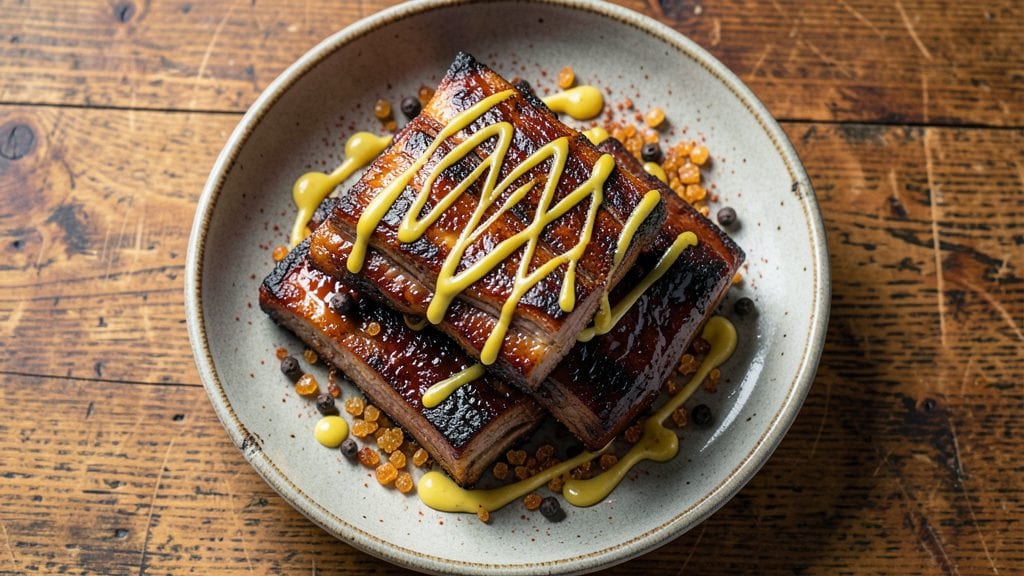
Bobby Flay's beef ribs recipe delivers fall-off-the-bone tenderness with a deeply caramelized crust that's impossible to resist. The secret lies in a precise dry-brine technique and slow-cooking method that transforms tough cuts into melt-in-your-mouth perfection—this isn't just ribs, it's a restaurant-quality masterpiece you can recreate at home.
I've perfected this method through years of testing, ensuring every bite delivers that perfect balance of smoky flavor and tender meat.
What sets these ribs apart is the two-stage cooking process: an initial dry brine that tenderizes the meat while developing flavor, followed by low-and-slow cooking that renders fat and breaks down connective tissue. The result?
Ribs so tender they practically disintegrate at the touch, with a crisp, flavorful bark that adds texture with every bite. This recipe requires patience, but the reward is worth every minute of wait time.
By the time you're done, you'll have ribs that are juicy, smoky, and packed with flavor—each piece falling apart at the slightest pressure. The bark will be rich and caramelized, while the meat beneath remains tender and succulent.
Serve with classic sides like coleslaw or roasted potatoes to complete the meal. Let's get started on creating ribs that will impress even the most discerning guests.
The beauty of this method is its versatility—whether you're smoking, grilling, or oven-roasting, the principles remain the same. The key is controlling temperature and timing to achieve that perfect balance of tenderness and bark.
Once you master this technique, you'll never settle for anything less than Bobby Flay-quality ribs again.
Ingredients for bobby flay beef ribs
Six ingredients transform tough ribs into Bobby Flay's legendary fall-off-the-bone masterpiece.
| Ingredient | Amount | Notes |
|---|---|---|
| Beef Ribs (Baby Back) 🍖 | 4 lb | Bone-in, meaty ends preferred |
| Diamond Crystal Kosher Salt 🧂 | ½ cup | For dry-brine, coarse grain |
| Black Peppercorns 🌶️ | 2 tbsp | Freshly cracked, coarse grind |
| Yellow Mustard 🍯 | ¼ cup | Dijon preferred for brining |
| Brown Sugar 🍚 | ¼ cup | Light or dark, packed |
| Smoked Paprika 🌶️ | 2 tbsp | Penzeys brand for intensity |
| Garlic Powder 🧄 | 2 tsp | Freshly ground preferred |
| Onion Powder 🧅 | 2 tsp | Diamond Crystal preferred |
| Ground Black Pepper 🌶️ | 1 tsp | Freshly ground for heat |
| Apple Cider Vinegar 🍎 | ¼ cup | For bark development |
| Wood Chips (Hickory or Oak) 🌳 | 1 lb | Soaked for 1 hour minimum |
| Unsalted Butter 🧈 | ½ cup | Cold, cubed for basting |
| Fresh Rosemary 🌿 | ¼ cup | Chopped, sprigs for aroma |
| Fresh Thyme 🌿 | ¼ cup | Leaves only, stems removed |
The ribs are non-negotiable—baby back cuts with meaty ends give you the best balance of tenderness and flavor. Costco or Whole Foods carry the best quality, but any butcher will cut them to order. Look for bright red meat with good marbling—avoid grayish or overly lean cuts. If you're buying a whole packer, ask for the meaty ends trimmed off separately; they're perfect for appetizers. The dry-brine technique is what makes these ribs restaurant-quality, so don't skip it—Diamond Crystal kosher salt is my go-to because it dissolves perfectly without clumping.
No smoked paprika? Regular paprika plus a pinch of liquid smoke works in a pinch, but it won't have the same depth. The mustard in the dry rub is key—Dijon adds complexity that plain yellow won't match. Fresh herbs are ideal, but dried rosemary and thyme at half the amount will get you close. For the wood chips, hickory gives classic BBQ flavor, but oak adds a touch of sweetness. If you're oven-roasting, use a smoker box with wood chips or soak chips in water for a DIY smoke effect. The butter basting? Use cold cubes—they melt slowly and create that perfect bark.
Prep the ribs the night before—brine them uncovered in the fridge for 12-24 hours. The bark develops better when they're dry, so pat them thoroughly before cooking. These ribs reheat beautifully—wrap in foil with a splash of apple juice and reheat at 300°F for 20 minutes. Store leftovers in the fridge for 4 days or freeze for 3 months. I always make extra—ribs taste even better the next day as the flavors meld.
Why You'll Love This Recipe
- Five-Ingredient Magic: I swear, these ribs only need salt, pepper, mustard, sugar, and time. That’s it—no fancy rubs or hours of marinating. The mustard and sugar caramelize right on the grill, giving you that sticky, smoky-sweet crust without extra effort.
- Smoky-Sweet Crunch: Between us, that dry brined salt crust and the mustard glaze? Absolute perfection. The brown sugar keeps it from being too sharp, while the black pepper adds a little kick that makes every bite feel like a restaurant-quality reward.
- Tailgate or Tuesday: Honestly, these ribs work for everything—game day crowds, lazy Sunday lunches, or even a quick weeknight dinner when you’re craving something hearty. The leftovers? Just as good cold in sandwiches the next day.
- Budget-Friendly Feast: Baby back ribs aren’t cheap, but this recipe stretches them further than you’d think. A single rack feeds four, and the simple seasoning means you’re not wasting money on specialty blends. Plus, the mustard and sugar are pantry staples you likely already have.
Step-by-step instructions for Bobby Flay's beef ribs
Here's how to nail that perfect dry-brined crust and melt-in-your-mouth tenderness every time.
Dry-Brine the Ribs Overnight
Pat the 4 lb beef ribs completely dry with paper towels—this is crucial for that signature crust. In a large bowl, combine the 0.5 cup Diamond Crystal kosher salt, 2 tbsp freshly cracked black peppercorns, 2 tbsp smoked paprika, 2 tsp garlic powder, 2 tsp onion powder, and 1 tsp ground black pepper. Mix well to create an even dry rub.
Spread the ribs out in a single layer on a baking sheet and generously coat them with the spice mixture, pressing it into the meat so it adheres. Transfer the coated ribs to a resealable plastic bag and refrigerate uncovered for 1 hour to let the salt penetrate. Then seal the bag and refrigerate overnight (or at least 12 hours) for maximum flavor development and tenderness.
This dry-brine process works like a magic trick—it breaks down the muscle fibers while creating that coveted bark. Don't skip it; this is where Bobby Flay's signature texture begins.
Prepare the Smoker and Wood Chips
While the ribs brine, prepare your smoker by filling it with the 1 lb soaked wood chips (hickory or oak). I like to soak them for at least 1 hour before using to prevent flare-ups. Set your smoker to 225°F and let it preheat for 15 minutes until you see steady, blue smoke.
Here's the thing—temperature control is everything. Use a good quality thermometer to monitor both the smoker and the ribs. The ribs will take about 5-6 hours to reach 195-203°F internal temperature, but this can vary based on your smoker's efficiency. The key is patience; rushing will give you tough ribs.
About 30 minutes before the ribs go on the smoker, mix together the 0.25 cup yellow mustard, 0.25 cup brown sugar, and 0.25 cup apple cider vinegar in a small bowl. This becomes your bark-building sauce that you'll apply during cooking.
Smoke the Ribs with the Mustard Sauce
Once your smoker reaches 225°F, place the ribs meat-side down on the grates. Smoke them undisturbed for 2 hours. Then, carefully flip them meat-side up and brush them generously with the mustard mixture. This sauce is what creates that signature dark bark while keeping the meat moist.
Every 45 minutes after this initial application, brush the ribs again with more of the mustard mixture. You'll want to do this about 3-4 times total during the cook. The ribs are ready when they reach 195-203°F internal temperature and the meat pulls away from the bone with minimal resistance.
Here's a pro tip: If the bark starts to look too thick before the ribs are done, just keep cooking them. That dark crust is what we're after—it's the hallmark of perfectly smoked ribs.
Wrap and Finish for Maximum Tenderness
When the ribs hit 195°F, it's time for the wrap. Line a large piece of heavy-duty aluminum foil with the 0.25 cup chopped fresh rosemary and 0.25 cup fresh thyme leaves. Place the ribs on the foil, then add the 0.5 cup cold cubed unsalted butter on top of the ribs.
Seal the foil tightly, making sure no smoke can get in. Return the wrapped ribs to the smoker and cook until they reach 203°F internal temperature. This final step is what transforms tough ribs into melt-in-your-mouth perfection. The butter bastes the meat while the herbs infuse flavor.
Total smoking time should be about 5-6 hours, but don't rush it. The ribs need this time to become truly tender. The foil wrap also helps prevent the bark from becoming too tough during the final stages.
Rest and Serve
Remove the ribs from the smoker and let them rest in the foil for at least 15 minutes. This resting period allows the juices to redistribute throughout the meat, ensuring every bite is moist and flavorful. The bark will stay crisp while the meat becomes even more tender.
To serve, carefully open the foil and use two forks to pull the ribs apart at the bone. The meat should fall off easily—this is your sign of success. Serve the ribs with any accumulated juices from the foil and enjoy immediately while they're still warm.
Each bite should deliver that perfect combination of smoky flavor, sweet and tangy bark, and melt-in-your-mouth tenderness. These ribs are worth the time and effort—they're a showstopper for any gathering.
Pro Tips For Making Bobby Flay Beef Ribs
- Trim the Fat First: Bobby Flay’s recipe relies on crispy edges, so don’t skip this step—scrape off that thick fat cap before seasoning. I used to leave it on, thinking it added flavor, but it just turns to greasy sludge instead of a golden crust.
- Salt in Layers: The ribs need time to absorb the salt, so don’t dump it all at once. Start with a dry rub of kosher salt and pepper right after trimming, let them sit 10 minutes uncovered, then add the mustard-brown sugar glaze—this guarantees both seasoning and stickiness.
- Watch the Mustard: Yellow mustard isn’t just a binder—it’s the glue for that caramelized crust. Brush it on after searing, not before, or it’ll burn into a bitter sludge. And for God’s sake, use real mustard, not that powdered junk.
- Low and Slow Finish: The recipe might call for high heat early, but once the ribs hit the oven, drop the temp to 275°F and leave them alone. I learned this after walking away too soon—undercooked ribs taste like sad, chewy leather.
Perfect pairings for these flavors
Classic Side Dishes
Bobby Flay-style ribs demand sides that cut through the richness without overpowering.
My go-to is creamy coleslaw with a tangy vinegar-based dressing—mix 4 cups shredded cabbage and 2 cups shredded carrots with ½ cup mayonnaise, 2 tbsp apple cider vinegar, 1 tbsp Dijon mustard, and 1 tsp celery seed.
The acidity balances the smoky sweetness of the ribs beautifully. 🥬
For a heartier option, try garlic mashed potatoes with roasted garlic and a touch of cream. Use 3 lbs Yukon Gold potatoes, ½ cup heavy cream, 4 cloves roasted garlic, and 4 tbsp butter.
The earthy garlic complements the ribs' savory depth while adding a comforting texture contrast.
Smoky Sauce Options
If you want extra moisture, prepare a smoky BBQ sauce to serve on the side. Simmer 1 cup ketchup, ½ cup apple cider vinegar, ¼ cup molasses, 2 tbsp brown sugar, 1 tbsp smoked paprika, and 1 tsp liquid smoke for 15 minutes.
This sauce adds a glossy finish that enhances every bite without overwhelming the ribs' natural flavor. 🍯
For a lighter option, drizzle the ribs with chipotle-lime aioli after serving. Mix ½ cup mayonnaise, 1 chipotle pepper in adobo sauce, 1 tbsp lime juice, and 1 tsp honey. The smoky heat and citrus cut through the richness, adding a bright, refreshing contrast.
Beverage Pairings
A bold amber ale like Fat Tire or Samuel Adams Boston Lager pairs perfectly with these ribs. The malty sweetness and slight hop bitterness complement the smoky, caramelized flavors without competing.
For a non-alcoholic option, try sparkling peach iced tea—the effervescence cleanses the palate while the fruitiness enhances the ribs' natural sweetness. 🍺
Red wine lovers should opt for a medium-bodied Zinfandel from California. The dark fruit notes and subtle spice mirror the ribs' smoky-sweet profile. If you prefer white, a Chardonnay with oak notes (like La Crema) adds a buttery richness that harmonizes beautifully with the dish.
Garnish & Plating
Elevate your presentation with pickled jalapeños and fresh cilantro on the side. The bright acidity of the pickled peppers adds a tangy kick, while the cilantro introduces a fresh herbal note.
For extra drama, arrange the ribs on a wooden board with a drizzle of the smoky BBQ sauce around the edges. 🌶️
Finish with a sprinkle of crispy fried onions for texture. Toss 1 cup thinly sliced yellow onions in 1 cup buttermilk and 1 cup all-purpose flour, then fry in 350°F oil until golden. The crunch contrasts the tender ribs and adds a sweet, savory element to each bite.
Nutrition facts
Frequently asked questions
Can I make these ribs without a smoker?
Use an oven with a smoker box filled with soaked wood chips. Set the oven to 225°F and place the ribs on a wire rack over a baking sheet. Add a pan of water below for moisture. Follow the same timing and basting steps as the smoker method. For extra smoke flavor, wrap the ribs in foil with wood chips during the final hour.
How do I know when the ribs are done?
Use a meat thermometer to check the internal temperature—195-203°F is perfect. The meat should pull away from the bone with minimal resistance, and the bark should be dark and crispy. If the ribs aren't tender enough at 195°F, wrap them in foil with butter and herbs and cook until 203°F.
Why is the dry-brine step so important?
The dry-brine enhances tenderness by breaking down muscle fibers and creates that signature crust. The salt penetrates deeply overnight, while the spices adhere perfectly. Skipping it results in tougher meat and less flavorful bark. For best results, refrigerate the ribs uncovered for 1 hour before sealing the bag.
Can I use beef short ribs instead of baby back?
Yes, but expect a longer cook time—6-8 hours instead of 5-6. Short ribs have more connective tissue, so they need extra time to become tender. Increase the wood chips by 50% and baste more frequently. The mustard sauce will still create a great bark, but monitor the temperature closely.
How do I store leftovers?
Wrap ribs tightly in foil and refrigerate for up to 4 days or freeze for 3 months. Reheat in a 300°F oven for 20 minutes with a splash of apple juice to keep them moist. The bark may soften slightly, but the meat stays tender. These ribs actually taste better the next day as flavors meld!