
Main Courses
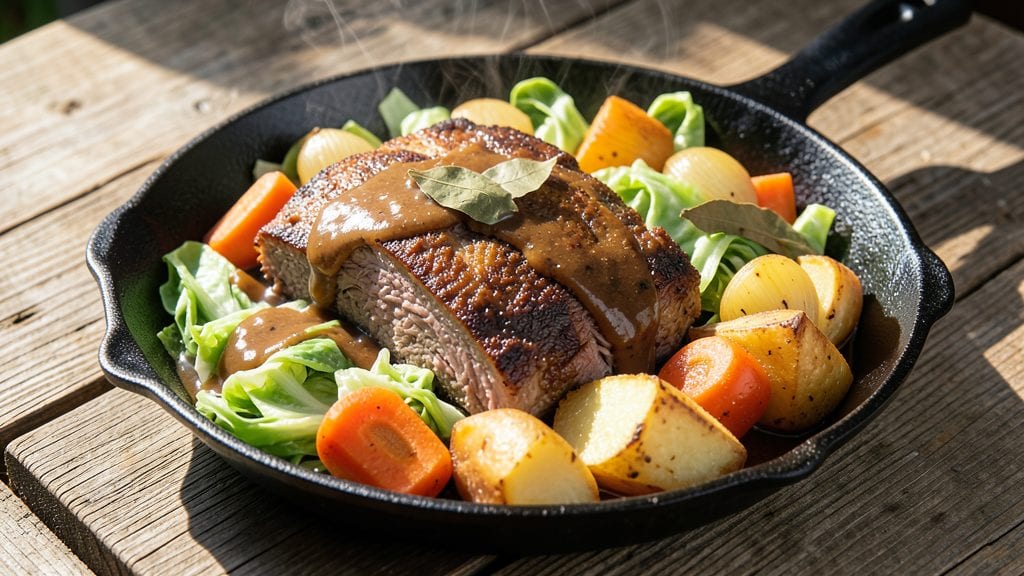
Betty Crocker’s corned beef and cabbage recipe delivers the perfect balance of tender meat and sweet cabbage in a dish that feels both nostalgic and refined. The slow-cooked brisket transforms tough cuts into melt-in-your-mouth perfection, while the cabbage softens just enough to absorb the rich, savory flavors.
I’ve refined this classic method to ensure every bite is packed with depth—no shortcuts, just authentic results that honor tradition while keeping prep manageable.
This recipe relies on a few key techniques: a proper brine for the corned beef (or high-quality store-bought brisket), a slow simmer to tenderize the meat, and a touch of caramelization for the cabbage that adds a subtle sweetness.
The process takes time—about 3 hours—but the hands-off cooking makes it ideal for a weekend meal. You’ll end up with a pot so flavorful, it’ll have everyone asking for seconds.
The corned beef emerges fork-tender, with a crisp exterior and juicy interior, while the cabbage becomes tender yet still holds its shape. A sprinkle of fresh parsley and a dollop of mustard elevate the dish, turning it into a hearty centerpiece for St. Patrick’s Day or any family gathering.
The aroma alone will fill your kitchen with warmth, making it feel like a home-cooked hug.
Pair it with buttery potatoes or crisp carrots for a full Irish-inspired spread. The leftovers reheat beautifully, so you’ll have flavorful meals ready for days. Let’s get started—this is the corned beef and cabbage you’ve been craving.
Ingredients for betty crocker corned beef and cabbage
Six ingredients transform into a nostalgic, slow-cooked masterpiece that’s perfect for any family gathering.
| Ingredient | Amount | Notes |
|---|---|---|
| Corned Beef Brisket 🥩 | 4 lb | Pre-brined or high-quality store-bought |
| Green Cabbage 🥬 | 2 lb | Heads cut into wedges |
| Yellow Onions 🧅 | 2 whole | Quartered, peeled |
| Carrots 🥕 | 4 medium | Peeled, cut into chunks |
| Russet Potatoes 🥔 | 4 medium | Peeled, cut into chunks |
| Bay Leaves 🌿 | 2 whole | Fresh preferred |
| Garlic Cloves 🧄 | 6 cloves | Peeled, smashed |
| Fresh Parsley 🌿 | ¼ cup | Chopped for garnish |
| Yellow Mustard 🟡 | ¼ cup | For serving |
| Beef Broth 💧 | 2 cups | Low-sodium preferred |
| Salt 🧂 | 1 tsp | Kosher or sea salt |
| Black Peppercorns 🌶️ | 1 tsp | Freshly cracked |
| Olive Oil 🫒 | 2 tbsp | For caramelizing cabbage |
| Brown Sugar 🍯 | 1 tbsp | For cabbage sweetness |
The corned beef is the star—look for a 4-pound brisket at Costco or Whole Foods for the best quality. Pre-brined is a game-changer, but if you’re brining yourself, 3-4 days in the fridge with spices and sugar is ideal. The cabbage should be firm and heavy for its size—avoid wilted heads. For the potatoes, Russets hold up best to long cooking. I always grab extra carrots (they’re cheap and add color), but orange or purple varieties work too if you’re feeling fancy.
No corned beef brisket? Substitute a 4-pound beef chuck roast and brine it yourself—same spices, just add salt and sugar. Fresh bay leaves? Dried works at one-third the amount, but fresh adds a nice aroma. The mustard can be Dijon or whole-grain—whatever you’ve got. For the cabbage, skip the sugar if you’re watching carbs, but trust me, it’s worth the little extra sweetness. The broth? Low-sodium is key, or you’ll end up with a salty mess. If you’re short on time, use water plus bouillon cubes—just add a pinch of salt.
This reheats beautifully—honestly tastes better the next day once everything melds. Keeps for 4-5 days in the fridge, freezes for 3 months. I portion mine into containers so lunches are sorted for the week. The cabbage will soften more overnight, so it’s perfect for sandwiches. Store the mustard and parsley separately—they’ll stay fresh longer. Leftovers make amazing hash or fried rice too.
Why You'll Love This Recipe
- One-Pot Magic: I swear by this recipe because it’s literally one pot—no chopping boards overflowing, no extra pans to wash. Just toss the brisket, cabbage, onions, carrots, and potatoes in with the broth, and let the slow cooker or pot do the work. My hands stay clean, my kitchen stays tidy, and somehow, it still tastes like I slaved over it.
- Salty-Sweet Symphony: That corned beef brisket? Chef’s kiss. The spices in the packet melt into the meat, giving it this perfect balance of tangy, smoky, and just a little sweet—especially when it’s sliced against the buttery cabbage and caramelized onions. Honestly, the first time I tried it, I nearly licked the plate.
- Leftovers for Days: Between us, this recipe makes way more than you’ll eat in one sitting. The good news? The flavors get even better the next day. I’ll pack up the extra brisket for sandwiches, toss the potatoes into hash browns, and blend the cabbage into soups. My freezer’s always stocked with these leftovers—no takeout needed.
- Budget-Friendly Feast: You’re feeding a crowd for the price of a single meal. A big brisket, a head of cabbage, a few potatoes—it stretches to feed four, five, or even six without breaking the bank. (Yes, even on a Tuesday night.) Plus, the ingredients are pantry staples, so I’m never scrambling for something extra.
Step-by-step instructions for slow-cooked corned beef and cabbage
Here's the straightforward method for tender corned beef and perfectly sweetened cabbage—every bite packed with flavor.
Prepare the Vegetables for Even Cooking
Start by cutting the 2 lb green cabbage into wedges, leaving the core intact to hold the pieces together. Quarter the 2 whole yellow onions and peel them, then cut into even slices. Peel the 4 medium carrots and cut into 1-inch chunks, and peel the 4 medium russet potatoes before cutting into similar-sized chunks. The goal is to have all vegetables roughly the same size so they cook evenly.
In a large bowl, toss the prepared vegetables with 2 tbsp olive oil, 1 tbsp brown sugar, 1 tsp salt, and 1 tsp black peppercorns. This pre-coating ensures the cabbage develops that signature sweetness while the other vegetables absorb the flavors. Let the mixture sit for 5 minutes while you prepare the corned beef.
Sear the Corned Beef for Maximum Flavor
Place the 4 lb corned beef brisket in a large, heavy pot—like a Dutch oven—fat-side up. Preheat the oven to 325°F. The searing step isn't mandatory, but it adds incredible depth of flavor. Heat the pot over medium heat for 5 minutes to warm the meat and render some of the fat from the surface. Flip the brisket and sear the other side for another 5 minutes. This step caramelizes the exterior, creating a richer taste.
If you're short on time or prefer a quicker method, you can skip the searing and proceed directly to the slow cooking. Just ensure the brisket is at room temperature before adding it to the pot—this guarantees even cooking throughout.
Layer and Simmer for Tender Perfection
Arrange the prepared vegetables around the corned beef in the pot, creating a single layer. Add the 6 cloves garlic cloves, smashed to release their aroma, and the 2 whole bay leaves. Pour in the 2 cups beef broth, ensuring the liquid covers about two-thirds of the vegetables. The broth should come up to the brisket’s midsection—if it doesn’t, add a little water.
Bring the mixture to a gentle boil over medium-high heat, then immediately reduce the heat to low. Cover the pot with a tight-fitting lid and transfer it to the preheated oven. Cook for 3 hours. This slow, moist heat breaks down the tough fibers in the brisket and vegetables, transforming them into tender, melt-in-your-mouth bites.
Check for Doneness and Rest the Meat
After 3 hours, remove the pot from the oven and carefully check the corned beef for tenderness. Use a fork or meat thermometer to test the thickest part of the brisket—it should reach an internal temperature of 203°F. If it’s not quite there, return the pot to the oven for an additional 30 minutes to 1 hour, checking every 15 minutes to avoid overcooking.
Once the brisket is tender, turn off the heat and let it rest in the pot, covered, for 15 minutes. This resting period allows the juices to redistribute, ensuring every slice is moist and flavorful. During this time, the vegetables will continue to absorb the delicious broth, becoming even more tender.
Serve with Classic Accompaniments
Using two forks, carefully shred the corned beef brisket into bite-sized pieces, discarding any large pieces of fat. Spoon the vegetables and broth over the shredded meat, mixing gently to combine. Taste and adjust the seasoning if needed—you might want to add a pinch more salt or a splash of broth to reach your preferred consistency.
Serve the corned beef and cabbage hot, garnished with 0.25 cup chopped fresh parsley. Offer the 0.25 cup yellow mustard on the side for those who enjoy a tangy kick. This dish pairs beautifully with crusty bread or buttery mashed potatoes, making it a hearty centerpiece for any meal.
Pro Tips For Making Betty Crocker Corned Beef And Cabbage
- Parboil Potatoes First: The Betty Crocker recipe might skip this, but I learned the hard way—raw potatoes in a long simmer turn to mush. Toss them in boiling water for 5 minutes before adding to the pot. They’ll hold shape and soak up flavor like sponges.
- Don’t Crowd the Pot: I used to jam everything in there like a Thanksgiving leftovers disaster. Packing the pot too tight means uneven cooking and sad, limp cabbage. Arrange veggies in a single layer—even if it looks sparse—so heat circulates and nothing steams into oblivion.
- Sear the Brisket: The recipe might call for a direct simmer, but trust me: a quick sear in a hot pan (2 minutes per side) before adding liquid builds a crust that keeps the meat juicy. Use the same pot you’ll cook in—no extra cleanup.
- Save the Juices: After the brisket is done, don’t pour out that pink, spiced broth. Strain it and use it to make a quick pan sauce with a splash of vinegar and a pat of butter. It’s the easiest way to turn leftovers into a meal.
Best sauces and condiments for these flavors
Mustard Magic
No corned beef and cabbage is complete without a dollop of yellow mustard—it cuts through the richness and adds a bright, tangy contrast. I recommend French’s Classic Yellow Mustard for its smooth, slightly sweet profile that pairs perfectly with the brisket.
For a spicier kick, try Dijon-style mustard mixed with a touch of honey. Serve it on the side so everyone can adjust to their taste. 🟡
Creamy Horseradish Twist
Elevate your dish with a side of prepared horseradish cream—whisk ¼ cup sour cream with 2 tbsp prepared horseradish and a pinch of salt. This adds a sharp, peppery bite that cleanses the palate between bites.
For extra richness, fold in 1 tbsp melted butter. Store-bought horseradish sauce works in a pinch, but homemade delivers deeper flavor.
Caramelized Onion Topping
Take your corned beef to the next level with caramelized onions—sauté 2 large onions in 2 tbsp butter over low heat for 45 minutes until deep golden brown.
Their sweet, jammy texture balances the savory brisket beautifully. I like to sprinkle them over the shredded meat just before serving for a restaurant-worthy finish. 🧅
Spiced Apple Cider Glaze
For a sweet-savory balance, simmer 1 cup apple cider with 1 tbsp brown sugar, ½ tsp cinnamon, and ¼ tsp cloves until reduced by half. Drizzle this fragrant glaze over the cabbage just before serving—it adds a subtle sweetness that enhances the meat’s depth.
This works especially well for holiday meals or when you want to impress guests.
Garlic-Herb Butter
Melt 4 tbsp butter with 3 minced garlic cloves, 1 tbsp chopped parsley, and a pinch of salt. Drizzle this aromatic butter over the shredded corned beef just before serving.
The garlic infuses the meat with extra flavor, while the parsley adds a fresh finish. It’s a simple trick that makes the dish feel gourmet without extra effort.
Pickled Vegetable Garnish
Brighten the plate with quick-pickled red cabbage or carrots—simmer 1 cup vinegar, 1 cup water, 2 tbsp sugar, and 1 tsp mustard seeds for 5 minutes, then add thinly sliced vegetables.
Let them sit for 30 minutes before serving. The tangy crunch contrasts the rich meat and adds vibrant color to your dish. 🥬
Nutrition facts
Frequently asked questions
Can I use a slow cooker instead of the oven?
Transfer the corned beef and vegetables to your slow cooker after searing, then add 2 cups broth and cook on low for 8-9 hours or high for 5-6 hours. The meat will stay tender, though the cabbage may soften more than in the oven. Add a splash of water if needed to prevent drying.
How do I know when the corned beef is fully cooked?
The brisket is done when it reaches an internal temperature of 203°F and easily shreds with a fork. For extra assurance, check the thickest part—if it pulls apart cleanly, it's perfect. Overcooking can make it dry, so monitor closely after 3 hours of cooking.
Can I make this recipe without potatoes?
Yes! Simply omit the potatoes and adjust the cooking time to 2.5-3 hours to prevent the cabbage from overcooking. The dish will still be hearty with carrots and onions. For extra flavor, add 1 cup frozen peas in the last 30 minutes of cooking.
Why does my cabbage turn mushy?
Overcooking or too much liquid causes mushy cabbage. Keep the broth level at 2/3 coverage and reduce oven time to 2.5 hours if needed. For firmer cabbage, add it to the pot only after 2 hours of cooking the brisket.