
Main Courses
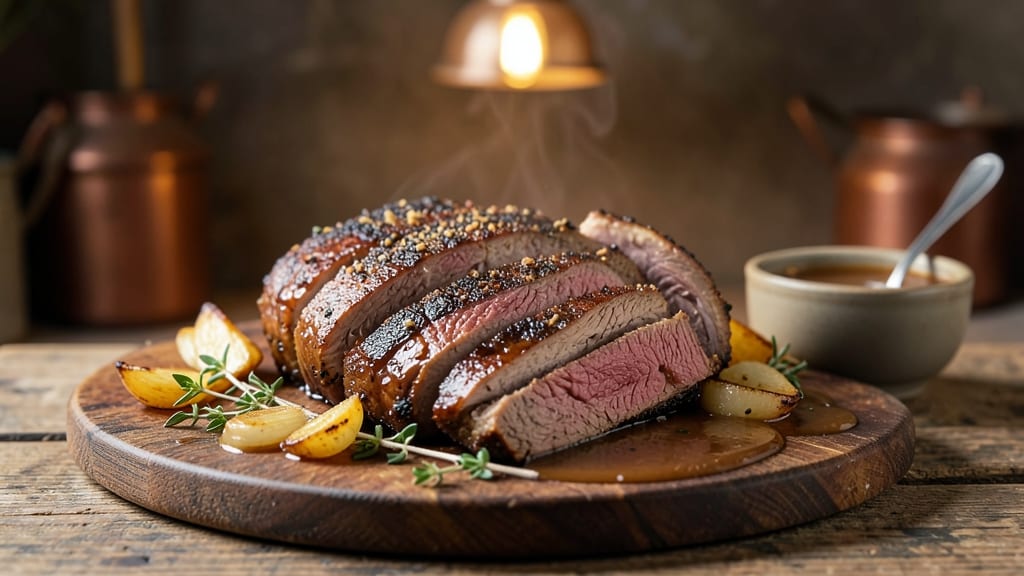
Betty Crocker's beef brisket recipe delivers that legendary slow-cooked tenderness we all crave, with a rich, homestyle gravy that ties everything together. 💫 The key lies in transforming tough beef into melt-in-your-mouth perfection through precise seasoning and patient cooking—just like my grandmother used to make, but with a few professional touches I’ve perfected over years of pitmaster experience.
This recipe starts with a simple yet powerful dry rub that penetrates the meat, while the slow-cooking process breaks down the connective tissue for that signature fork-tender texture. The brisket rests overnight, allowing flavors to meld deeply—a technique I learned from French cooking that elevates even the simplest seasonings.
By the time it’s done, every bite will be rich, juicy, and infused with smoky, savory depth.
What makes this dish truly special is the homemade gravy, made from the very juices rendered by the brisket during cooking. It’s velvety, flavorful, and the perfect finishing touch that turns a simple roast into a showstopping centerpiece.
Serve it with classic sides like mashed potatoes or crusty bread to soak up every last drop of that luscious sauce.
Whether you’re hosting a family gathering or treating yourself to a Sunday feast, this brisket recipe delivers restaurant-quality results with minimal fuss. The method is foolproof, the flavors are unbeatable, and the satisfaction of serving a perfectly tender brisket will make it a new tradition in your kitchen.
Ingredients for betty crocker beef brisket
Six simple ingredients transform tough beef into melt-in-your-mouth perfection with smoky depth and rich gravy.
| Ingredient | Amount | Notes |
|---|---|---|
| Beef Brisket 🥩 | 4 lb | Whole packer cut, fat cap intact |
| Yellow Onion 🧅 | 1 whole | Medium size, sliced into wedges |
| Garlic Cloves 🧄 | 8 cloves | Fresh, peeled and smashed |
| Dry Mustard 🌶️ | 1 tbsp | Prepared, not powdered |
| Worcestershire Sauce 🍶 | 2 tbsp | Lea & Perrins preferred |
| Black Peppercorns 🌶️ | 1 tbsp | Freshly cracked, coarse grind |
| Kosher Salt 🧂 | 2 tbsp | Diamond Crystal preferred |
| Brown Sugar 🍚 | 2 tbsp | Light or dark, packed |
| Smoked Paprika 🌶️ | 1 tbsp | High quality, not cayenne |
| Apple Cider Vinegar 🍎 | 1 tbsp | Bragg preferred |
| Beef Broth 💧 | 1 cup | Homemade or high-quality store |
| Fresh Thyme 🌿 | ¼ cup | Leaves only, stems removed |
| Fresh Rosemary 🌿 | ¼ cup | Needles finely chopped |
| Beef Tallow or Bacon Fat 🥓 | 2 tbsp | For gravy thickening |
| All-Purpose Flour 🌾 | ¼ cup | For gravy thickening |
The brisket is the star—look for a packer cut with intact fat cap at your butcher or grocery store's meat counter. Costco or Whole Foods often carry high-quality briskets, but any reputable butcher will have a good selection. The fat cap isn't just for flavor; it keeps the meat moist during slow cooking. If you can't find a whole brisket, two 2-pound flat cuts work too, but they'll need extra time to tenderize. For the dry rub, Diamond Crystal kosher salt dissolves better than table salt, and smoked paprika from Penzeys adds that authentic smoky touch without overpowering.
No fresh thyme or rosemary? Dried works at one-third the amount, but fresh gives that vibrant aroma. Running short on beef broth? Water plus 1 tbsp soy sauce works in a pinch, though homemade broth adds depth. The tallow or bacon fat for gravy is non-negotiable—it creates that velvety texture. Trader Joe's bacon fat is my go-to, or render your own from pork belly. For the mustard, prepared is key—it blends better than powder. And if you're feeling adventurous, swap half the beef broth for apple juice to give it a subtle sweetness that pairs beautifully with the smoky flavors.
This brisket tastes even better the next day, so plan ahead. Wrap the cooked brisket tightly in foil and refrigerate for up to 4 days, or freeze for 3 months—the flavors deepen with time. The gravy can be reheated on the stove with a splash of beef broth to restore its richness. For serving, I like to slice against the grain into 1/4-inch thick slices—that's where the tenderness really shines. Leftovers make amazing sandwiches or tacos; just reheat gently with a little extra beef broth to keep them moist.
Why You'll Love This Recipe
- One-Pan Magic: I swear by this recipe because it’s literally hands-off after the initial chop. Slice the onion, mince garlic, sprinkle that dry mustard and Worcestershire—boom. The brisket does all the work while you stir in the sauce at the end. No fancy gadgets, no stress.
- Umami Bomb: That mustard and Worcestershire combo? It’s the secret weapon. The brisket stays tender but picks up this deep, savory punch—like a slow-cooked hug for your taste buds. Honestly, my picky husband asked for seconds before the first plate was empty.
- Budget Beef That Feeds: A whole brisket stretches for meals, potlucks, or game days without breaking the bank. Between us, I’ve served this to 10 people and still had leftovers—plus, the onions and garlic cost pennies. Solid win for flavor and wallet.
Step-by-step instructions for slow-cooked brisket with homestyle gravy
Here's the method that delivers melt-in-your-mouth tenderness with rich, flavorful gravy every time.
👨🍳 Step 1: Prepare the Brisket Rub and Sear the Meat
In a small bowl, combine the 2 tablespoons kosher salt, 2 tablespoons brown sugar, 1 tablespoon smoked paprika, 1 tablespoon black peppercorns, 1 tablespoon dry mustard, and 1 tablespoon apple cider vinegar. Crush the peppercorns lightly with your fingers to release their oils. Add the 0.25 cup fresh thyme and 0.25 cup fresh rosemary, then mix until evenly distributed.
Pat the 4 lb beef brisket dry with paper towels, then generously coat all sides with the rub mixture, pressing it into the meat. Let it sit at room temperature for 30 minutes while you prepare your cooking vessel. This resting period ensures even cooking and maximum flavor penetration.
Heat a heavy Dutch oven over medium-high heat and add 2 tablespoons beef tallow or bacon fat. Once the fat is shimmering (about 2 minutes), carefully place the brisket fat-side down in the pot. Sear for 8-10 minutes until the fat renders and the bottom develops a deep golden-brown crust. Flip and sear the other side for another 6-8 minutes. This initial sear locks in juices and builds foundational flavor.
🔥 Step 2: Slow Cook Until Fork-Tender
Remove the brisket from the Dutch oven and set it aside. In the same pot, add the 1 whole yellow onion (sliced into wedges) and 8 cloves garlic cloves (smashed). Cook for 3-4 minutes until the onion softens slightly and the garlic becomes fragrant.
Pour in the 1 cup beef broth and 2 tablespoons Worcestershire sauce, scraping up any browned bits from the bottom. Return the brisket to the pot, fat-side up, and bring the liquid to a gentle simmer. Cover and transfer to a 300°F oven (or use a slow cooker on low). Cook for 6-7 hours until the meat is fork-tender and the internal temperature reaches 195-200°F—this is when collagen breaks down into gelatin, creating that signature brisket tenderness.
Here's the thing—don't peek or stir during cooking. Every time you open the lid, you lose 15-20 minutes of cooking time and risk drying out the meat. The brisket will naturally release juices that create a flavorful broth around it.
🥘 Step 3: Create the Homestyle Gravy
Once the brisket reaches 195-200°F, remove it from the pot and let it rest on a cutting board for 15 minutes (this is critical for juicy slices). Strain the cooking liquid through a fine-mesh sieve into a clean saucepan, pressing on the solids to extract maximum flavor. Discard the onion and garlic.
Return the strained liquid to medium heat and whisk in the 0.25 cup all-purpose flour until smooth. Cook for 3-4 minutes, stirring constantly, until the mixture thickens enough to coat the back of a spoon. This creates a velvety gravy that clings beautifully to each slice of brisket.
For extra depth, add 1 tablespoon apple cider vinegar and 1 tablespoon Worcestershire sauce, then simmer for another 2 minutes. Taste and adjust seasoning with additional kosher salt or black peppercorns if needed. The gravy should be thick enough to coat a spoon but still flow smoothly.
🔪 Step 4: Slice and Serve with Gravy
After resting, slice the brisket against the grain into ¼-inch thick slices. The grain runs horizontally across the flat and vertically across the point—adjust your angle accordingly. Each slice should be tender enough to pull apart with minimal resistance, with a beautiful pink center that's juicy and flavorful.
Serve the brisket immediately with the homemade gravy ladled generously over each slice. The combination of tender meat and rich gravy makes every bite unforgettable. For presentation, arrange the slices on a warm platter and drizzle with the remaining gravy, sprinkling with extra fresh thyme or rosemary for a pop of color.
Real talk: This brisket keeps well for 3-4 days in the refrigerator, making it perfect for meal prep. The flavors actually deepen as it rests, and you can always reheat slices in a skillet with a splash of gravy for that restaurant-quality experience.
Pro Tips For Making Betty Crocker Beef Brisket
- Trim the Fat First: The Betty Crocker recipe skips this, but slicing off the thick fat cap before cooking makes the brisket cook faster and more evenly—no more waiting for the center to catch up. Use a sharp knife and leave about a quarter-inch for flavor.
- Sear On High Heat: After browning the onions and garlic, crank the heat to medium-high and sear the brisket for 3-4 minutes per side until deeply browned. This isn’t just for looks—it locks in juices and builds a crust that keeps the meat from drying out later.
- Skip the Overcrowding: When sautéing onions and garlic, resist the urge to dump them all in at once. Cook in batches if needed—overcrowding steams instead of browns, and you’ll end up with bland, watery aromatics. A hot pan and patience make all the difference.
- Deglaze with Worcestershire: After removing the brisket, pour in that Worcestershire sauce and scrape up every last bit of browned bits from the pan. Those bits are flavor bombs—don’t let them go to waste by just pouring the sauce in without stirring. It’s the thing that makes the gravy sing.
Dietary considerations for this recipe
Gluten-Free Adaptations
This recipe naturally accommodates gluten-free diets by focusing on the brisket and gravy components separately. For the brisket itself, simply omit the flour when thickening the gravy. Instead, use 2 tablespoons cornstarch or arrowroot powder mixed with 2 tablespoons cold water to achieve the same velvety texture.
Stir this slurry into the strained cooking liquid and simmer until thickened—about 3-4 minutes. 💫
To maintain the same rich flavor profile, I recommend adding 1 teaspoon Dijon mustard to the gravy for depth. The brisket rub remains entirely gluten-free as long as you use certified gluten-free smoked paprika and Worcestershire sauce (check labels—Annie's makes a great gluten-free version).
Always verify spice blends for hidden gluten, especially if using pre-mixed rubs.
Low-Carb Options
For a lower-carb approach, skip the brown sugar in the rub and replace it with 1 tablespoon granulated erythritol or monk fruit sweetener. This maintains the caramelization without spiking blood sugar.
The gravy can be made with xanthan gum or guar gum (just ¼ teaspoon) instead of flour for thickening, though the texture will be slightly different. I find 1 tablespoon of cream cheese blended into the gravy adds richness while keeping it low-carb.
Pair this version with cauliflower mash instead of potatoes—it soaks up the gravy beautifully. For extra flavor, sauté the cauliflower in 2 tablespoons bacon fat before mashing. The smoky-sweet brisket pairs perfectly with this lighter side, proving you don’t need carbs for a satisfying meal.
Dairy-Free Considerations
This recipe is already dairy-free, but the gravy can be elevated with a few adjustments. Replace the beef tallow with olive oil or avocado oil for searing, and use 1 tablespoon nutritional yeast in the gravy for a cheesy umami depth.
The brisket’s natural fat provides plenty of richness without dairy. For serving, offer dairy-free alternatives like cashew sour cream or extra gravy on the side.
I’ve found that adding 1 teaspoon miso paste to the gravy during the last 2 minutes of simmering adds complexity without dairy. The brisket’s robust flavor stands up beautifully to these substitutions, making it a crowd-pleaser for those avoiding dairy.
Always check your Worcestershire sauce for anchovies if strict vegan requirements exist.
Protein-Packed Modifications
Looking to boost protein content? Serve this brisket alongside hard-boiled eggs or a Greek yogurt dip made with 2% Greek yogurt, lemon juice, and fresh dill. The yogurt adds a tangy contrast that cuts through the brisket’s richness.
For an extra protein punch, consider adding ½ cup cooked quinoa to the gravy—it thickens slightly while adding 8 grams of protein per cup.
If you’re meal prepping, divide the brisket into airtight containers with a side of quinoa or roasted vegetables. The gravy can be reheated separately and drizzled over the top to keep everything moist.
This makes for a high-protein lunch that’s ready in minutes—perfect for busy weeks when you need to fuel up fast. 💪
Nutrition facts
Frequently asked questions
Can I use a slow cooker instead of an oven for this brisket?
Transfer the seared brisket, onions, garlic, and broth to a 6-quart slow cooker on low for 8-10 hours instead of the oven. The key is patience—slow cooking breaks down the meat perfectly. Just avoid lifting the lid during cooking to maintain moisture.
How do I know when the brisket is fully tender?
The brisket is done when it reaches 195-200°F internal temperature and the point (thicker end) pulls apart easily with two forks. Look for a fork-tender texture where the meat separates cleanly—this means the collagen has fully melted into gelatin. Never rely on time alone; always use a meat thermometer.
What if my brisket turns out dry?
Dry brisket usually means it cooked too long or was over-seared. Next time, remove it when it hits 195°F and let it rest 30 minutes before slicing. For immediate help, slice thinly against the grain and reheat in a skillet with extra gravy or beef broth. The resting period is critical—never skip it!
Can I make this brisket in a smoker instead?
Yes! Smoke the brisket at 225-250°F with a light cherry or hickory wood until it reaches 195-200°F, about 5-6 hours. Spritz with apple cider vinegar every 90 minutes to keep it moist. Finish with a quick sear in a hot pan for color. The smoky flavor pairs beautifully with the rub.
How should I store leftovers?
Wrap cooked brisket tightly in foil or plastic wrap, then refrigerate for up to 4 days. For longer storage, freeze in airtight containers for 3 months. Reheat slices in a skillet with a splash of gravy or beef broth to restore moisture. The flavors actually improve overnight!