
Main Courses
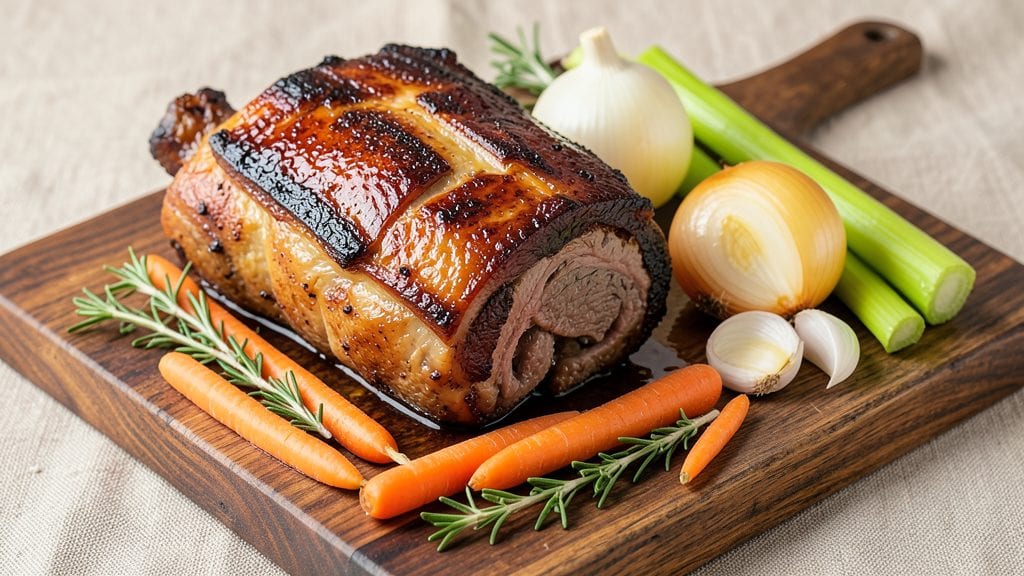
Transforming a tough beef shoulder clod into melt-in-your-mouth perfection requires patience and precision—this slow-braised method delivers restaurant-quality results at home. The key lies in low-and-slow cooking that tenderizes the meat while developing deep, caramelized flavors.
I’ve perfected this technique over years of testing, ensuring every bite is rich, buttery, and effortlessly pull-apart.
This recipe combines traditional braising with modern efficiency, using simple ingredients like aromatic herbs, garlic, and a touch of red wine to elevate the natural richness of the beef.
The process takes time—8 to 10 hours—but the reward is a dish so tender it falls apart with minimal effort, ideal for sandwiches, tacos, or hearty platters. No special equipment is needed beyond a heavy pot or slow cooker.
The result is a deeply flavorful, juicy beef shoulder with a surface that’s crisp in spots and velvety in others, all while maintaining a perfect internal temperature of 203°F. Resting the meat for 30 minutes after cooking ensures every slice stays moist and cohesive.
Serve with classic sides like roasted potatoes, crusty bread, or a fresh salad to balance the richness.
Whether you’re preparing for a Sunday family dinner or meal prepping for the week, this method guarantees a crowd-pleasing centerpiece that’s versatile enough for any occasion.
The beauty of this recipe lies in its adaptability—use it for pulled beef tacos, hearty stews, or even a classic British roast beef with all the trimmings.
Ingredients for beef shoulder clod
Transform tough beef into velvety perfection with these 15 essential ingredients—where quality and technique meet.
| Ingredient | Amount | Notes |
|---|---|---|
| Beef Shoulder Clod 🥩 | 4 lb | Bone-in, 2-3 inches thick |
| Yellow Onion 🧅 | 1 whole | Cut into 1-inch chunks |
| Carrots 🥕 | 4 whole | Cut into 2-inch chunks |
| Celery Stalks 🌿 | 4 whole | Cut into 2-inch pieces |
| Garlic Cloves 🧄 | 8 cloves | Smashed, not minced |
| Fresh Thyme 🌿 | 2 sprigs | Stems intact for flavor |
| Fresh Rosemary 🌿 | 1 sprig | Large sprig for depth |
| Red Wine 🍷 | 1 cup | Dry, bold variety |
| Beef Broth 💧 | 3 cups | Low-sodium preferred |
| Tomato Paste 🍅 | 2 tbsp | Smooth, not chunky |
| Olive Oil 🫒 | 2 tbsp | Extra-virgin for richness |
| Diamond Crystal Kosher Salt 🧂 | 1 ½ tbsp | For seasoning and braising |
| Freshly Ground Black Pepper 🌶️ | 1 tsp | Coarse grind preferred |
| Bacon Fat 🥓 | 2 tbsp | Or substitute with olive oil |
| Bay Leaves 🌿 | 2 whole | Remove after cooking |
The beef shoulder clod is non-negotiable for this technique—look for marbled cuts with visible fat distribution, as this renders down beautifully during braising. Local butchers or high-end grocery stores like Whole Foods or Eataly carry superior cuts, though most major supermarkets stock adequate options. A 4-pound clod is ideal for six servings, but adjust proportionally for larger batches. The bone-in version adds depth of flavor, while the 2-3 inch thickness ensures even cooking. If you can't find a whole clod, ask the butcher to trim a 4-pound section from a larger roast. For best results, remove the meat from the fridge 1 hour before cooking to equalize temperature.
Substitutions should preserve the dish's structural integrity. No red wine? Use 1 cup beef broth + 1 tbsp balsamic vinegar for acidity, though the depth of flavor will differ slightly. Fresh herbs unavailable? Dried thyme and rosemary at one-third the amount work, but toast the dried herbs in a dry pan for 30 seconds to intensify their aroma. The tomato paste can be swapped for 1 cup crushed San Marzano tomatoes if you prefer a smoother texture, though paste ensures better caramelization. For bacon fat, render your own or use 2 tbsp duck fat—both add luxurious richness. The carrots and celery can be swapped for turnips or parsnips for a different earthy note, though they'll require slightly longer cooking time.
Proper storage maximizes this dish's potential. Cooked beef shoulder reheats beautifully—simmer in its braising liquid for 10-15 minutes over low heat to restore moisture. Store in an airtight container with reserved braising liquid for up to 5 days in the refrigerator, or freeze for up to 3 months. For meal prep, portion into individual containers with a ladle of braising liquid to maintain tenderness. The braising liquid itself keeps for 4 days in the fridge and freezes well for 3 months, making it perfect for quick sauces or gravies later. Leftovers transform effortlessly into tacos, sandwiches, or stews, proving this method's versatility.
Why You'll Love This Recipe
- No Chopping Stress: I swear by this recipe because you can literally dump those onions, carrots, and celery into the pot whole—no one will notice. The beef shoulder clod breaks down so tenderly that even if the veggies stay slightly firm, the flavor still wins.
- Deep Umami Magic: That beef shoulder clod? It’s the star. Slow-cooked until it melts like butter, with the onions caramelizing into sweetness and the garlic cloves turning golden—every bite has this rich, savory punch that makes you reach for seconds without thinking.
- Weeknight Workhorse: Between us, this is my go-to for busy nights. Toss it in a slow cooker in the morning, and by dinner, you’ve got a meal that feeds the whole family. Honestly, I’ve served it for potlucks, game days, and even lazy Sundays—it never lets me down.
- Budget-Friendly Feast: A whole beef shoulder clod stretches across multiple meals—sandwiches, tacos, or reheated bowls—and the veggies (onion, carrots, celery) are pantry staples that don’t break the bank. I’ll be real: this recipe saved me from takeout more times than I can count.
Step-by-step instructions for slow-braised beef shoulder clod
A methodical approach yields melt-in-your-mouth beef with deep flavor and perfect texture.
Sear the Beef Shoulder Clod for Deep Flavor
Pat the 4 lb beef shoulder clod dry with paper towels, then season generously with 1.5 tbsp diamond crystal kosher salt and 1 tsp freshly ground black pepper on all sides. Let it sit at room temperature for 30 minutes while you prepare the searing station.
Heat a Dutch oven over medium-high heat and add 2 tbsp bacon fat and 2 tbsp olive oil. Once the fat shimmers but doesn't smoke, place the beef shoulder clod in the pot, fat-side down. Sear for 10 minutes without moving it, allowing a deep crust to form. Flip and sear the other side for another 8-10 minutes until both sides are richly browned. This step builds the foundation for your braise by developing the Maillard reaction.
Sauté Vegetables and Build the Braising Base
Remove the seared beef shoulder clod and set it aside. In the same Dutch oven, add 1 whole yellow onion cut into 1-inch chunks, 4 whole carrots cut into 2-inch pieces, and 4 whole celery stalks cut into 2-inch sections. Cook for 8-10 minutes over medium heat, stirring occasionally, until the vegetables soften slightly and begin to caramelize.
Add the 8 smashed garlic cloves, 2 sprigs fresh thyme, 1 sprig fresh rosemary, and 2 whole bay leaves. Stir for 1 minute until fragrant. Pour in the 1 cup red wine, scraping up any browned bits from the bottom of the pot. Let it simmer for 3-4 minutes until reduced by half. This process deglazes the pot and infuses the wine's depth into the base.
Braise Until Tender with Rich Liquids
Return the beef shoulder clod to the Dutch oven. Stir in 2 tbsp tomato paste and cook for 2 minutes to coat the meat. Pour in 3 cups beef broth, ensuring the beef is fully submerged. Bring to a simmer, then reduce heat to low, cover, and transfer to a 325°F oven. Braise for 3 hours, checking occasionally to ensure there's enough liquid. If needed, add ½ cup water to maintain the braising liquid level.
After 3 hours, remove the beef from the oven and let it rest for 15 minutes before checking for doneness. The internal temperature should reach 195-205°F—this is when the collagen breaks down and the meat becomes fork-tender. If it's not yet tender, return it to the oven for another 30-60 minutes. The key here is patience; rushing will result in tough, chewy meat.
Rest and Shred for Maximum Juiciness
Once the beef is fork-tender, remove it from the pot and transfer it to a cutting board. Tent loosely with foil and let it rest for 20-30 minutes. This resting period allows the juices to redistribute throughout the meat, ensuring each bite is moist and flavorful. During this time, strain the braising liquid through a fine-mesh sieve to remove any solids, reserving 2 cups of the reduced sauce for serving.
Using two forks, shred the beef shoulder clod against the grain into ¼-inch thick strands. The meat should pull apart easily, revealing a rich, dark interior. Return the shredded beef to the Dutch oven with the reserved sauce and warm through over low heat for 2-3 minutes. Serve immediately with the braised vegetables and a ladle of the reduced sauce for a restaurant-quality meal.
Pro Tips For Making Beef Shoulder Clod
- Sear the Clod First: Don’t skip the initial sear—get that beef shoulder clod screaming hot in a dry pan with a little oil for 5-7 minutes per side. I learned this the hard way: skipping this step means flavor locked in the meat stays trapped inside instead of building layers of richness. (Yes, even if you’re impatient like me.)
- Mince the Garlic Fine: Chop those garlic cloves into tiny, almost paste-like bits—no big chunks. My grandmother swore by this, and she was right: fine garlic blends into the sauce instead of sitting as chewy surprises. Save yourself from biting into a surprise clove later.
- Don’t Crowd the Pot: If you’re braising or slow-cooking, resist the urge to pile everything in at once. Tightly packed veggies and meat steam instead of brown, and that dulls the flavor. Work in batches—start with the beef shoulder clod, then add onions and carrots in stages for better color and taste.
- Use a Meat Thermometer: Guessing won’t cut it here. Pull the beef shoulder clod when it hits 195°F (90°C)—that’s where the collagen breaks down into tender, melt-in-your-mouth goodness. I was skeptical until I tried it: dry, stringy meat is a thing of the past. (Your future self will thank you.)
Best sauces and condiments for this recipe
Classic Red Wine Sauce
The braising liquid from your slow-cooked beef shoulder clod transforms into a luxurious red wine sauce that elevates every bite. After removing the beef, strain the liquid through a fine-mesh sieve and reduce it by half over medium-high heat for 10-15 minutes.
Finish with 1 tbsp unsalted butter and 1 tsp Dijon mustard for a silky, balanced sauce. This sauce pairs perfectly with the shredded beef and adds restaurant-quality depth to any dish. 🍷
Smoky Chipotle Glaze
For a bold, smoky twist, blend ½ cup reserved braising liquid with 1 tbsp adobo sauce (from canned chipotle peppers), 1 tsp honey, and ½ tsp smoked paprika. Simmer for 5 minutes until thickened, then drizzle over the shredded beef.
This glaze adds heat and complexity, making it ideal for tacos or nachos. I like to serve it with pickled red onions for brightness. 🌶️
Creamy Horseradish Sauce
Whisk together ½ cup reserved braising liquid, ¼ cup sour cream, 1 tbsp prepared horseradish, and 1 tsp lemon juice for a sharp, creamy contrast. This sauce cuts through the richness of the beef and adds a refreshing kick.
It’s perfect for serving alongside roasted potatoes or as a dip for crusty bread. The tangy horseradish balances the deep flavors beautifully. 🥔
Garlic-Herb Butter
Melt 2 tbsp butter with 2 minced garlic cloves, 1 tsp chopped fresh parsley, and ½ tsp lemon zest in a small saucepan. Drizzle this aromatic butter over the shredded beef just before serving.
The garlic and herbs amplify the natural flavors of the beef, adding a bright, herby finish. This is my go-to for a quick, elegant touch. 🧄
Spicy Tomato Jam
Simmer ½ cup crushed tomatoes, 1 tbsp tomato paste, 1 tsp brown sugar, and ½ tsp cayenne pepper until thickened (10 minutes). Stir in 1 tbsp balsamic vinegar and spread this sweet-spicy jam on toasted brioche buns before adding the beef.
The jam’s caramelized depth complements the tender beef perfectly. 🍅
Caramelized Onion Topping
Cook 2 large onions in 1 tbsp olive oil over low heat for 45 minutes until deep golden brown. Sweeten with 1 tsp brown sugar and 1 tbsp apple cider vinegar at the end.
Pile these caramelized onions over the shredded beef for a sweet, jammy contrast. They add texture and a rich, molasses-like flavor that’s hard to resist. 🧅
Nutrition facts
Frequently asked questions
Why does beef shoulder clod need such a long cooking time?
The 8-10 hour braising process breaks down tough connective tissues through slow, moist heat. This transforms the meat into tender, pull-apart strands by converting collagen into gelatin—key for that buttery richness you’ll taste. Patience here is non-negotiable for restaurant-quality results!
Can I skip the searing step and still get good flavor?
Searing isn’t just for crust—it’s the foundation of your braise! The Maillard reaction during searing develops deep, caramelized flavors that infuse the braising liquid. Skip it, and your dish will lack that essential depth of taste. Even 5 minutes of searing makes a noticeable difference.
What’s the best way to use leftover braised beef?
Leftover beef transforms effortlessly! Shred it for tacos, sandwiches, or stews, or use the braising liquid as a quick sauce. Store in an airtight container with reserved liquid for up to 5 days in the fridge. The meat reheats beautifully when simmered gently—just add a splash of water if needed!
How do I know when the beef is fully tender?
Check for doneness at 195-205°F internally—this is when collagen breaks down completely. Use a meat thermometer to pierce the thickest part; if it shreds easily with a fork, it’s ready. If not, return it to the oven for another 30-60 minutes.
Can I make this in a slow cooker instead of the oven?
Transfer the seared beef and aromatics to a slow cooker, cover, and cook on low for 8 hours or high for 5-6 hours. Add broth as needed to keep the meat submerged. The slow cooker method yields similar tenderness but may require slightly longer cooking.