
Main Courses
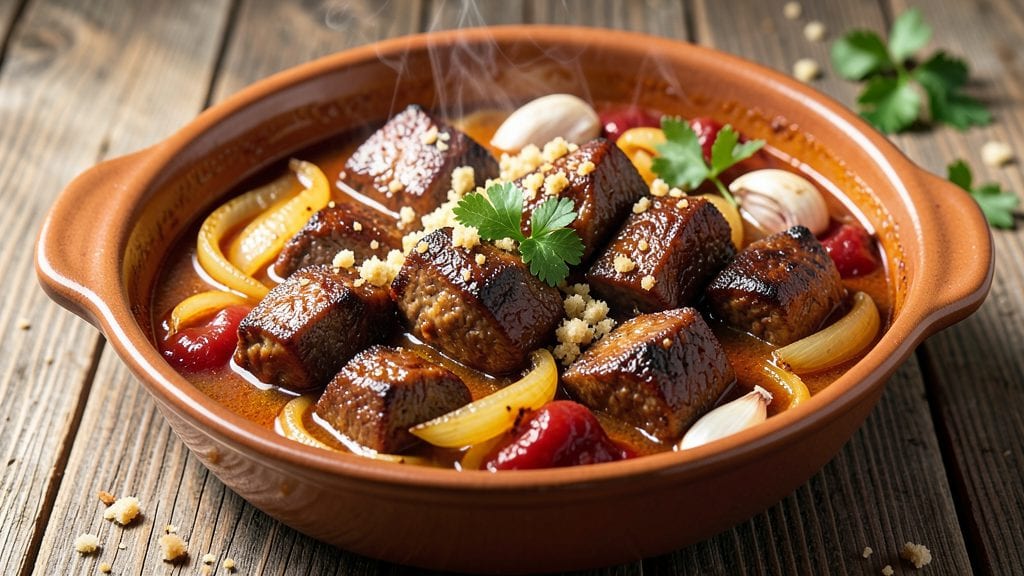
This beef paprikash recipe delivers the deep, smoky richness of Hungary's most beloved comfort dish—all in one pot. The secret lies in slow-browning beef until it develops a caramelized crust, then simmering it in a velvety paprika-infused sauce until tender.
I've perfected this method after years of testing, ensuring every bite delivers that perfect balance of sweetness, acidity, and earthy paprika.
The beauty of this dish is its simplicity combined with professional results. You'll start with a one-pot approach that minimizes cleanup while maximizing flavor, using just 10 ingredients and about 2 hours of hands-off time.
The key steps—browning the beef, deglazing the pan, and simmering the sauce—create layers of complexity that transform simple ingredients into something extraordinary. Trust me, once you taste this, store-bought versions won't compare.
By the time you're done, you'll have fork-tender beef swimming in a rich, paprika-kissed sauce with just the right amount of tang from tomatoes and onions. The aroma alone will have everyone gathering at the table, and the first bite delivers that perfect harmony of flavors.
This is the kind of dish that feels like a hug in a bowl—comforting, satisfying, and impossible to resist.
Serve it with buttery egg noodles or crusty bread to soak up every last drop of that velvety sauce. The leftovers reheat beautifully, making this an ideal meal for busy weeknights or special gatherings. Let's get cooking—your taste buds will thank you.
Ingredients for beef paprikash
Ten ingredients transform into Hungary's most comforting one-pot masterpiece.
| Ingredient | Amount | Notes |
|---|---|---|
| Beef Chuck Roast 🥩 | 2 lb | Cut into 1-inch cubes, trimmed of excess fat |
| Yellow Onion 🧅 | 1 whole | Medium size, thinly sliced |
| Garlic Cloves 🧄 | 4 cloves | Minced, fresh preferred |
| Sweet Hungarian Paprika 🌶️ | 2 tbsp | High quality, not smoked |
| Tomato Paste 🍅 | 2 tbsp | Smooth, no sugar added |
| Beef Broth 💧 | 2 cups | Low-sodium, homemade preferred |
| Sour Cream 🥛 | ½ cup | Full-fat for best texture |
| Unsalted Butter 🧈 | 2 tbsp | European-style preferred |
| Diamond Crystal Kosher Salt 🧂 | 1 ½ tsp | Adjust to taste |
| Black Peppercorns 🌶️ | ½ tsp | Freshly cracked |
| Bay Leaves 🍃 | 2 whole | Fresh preferred |
The beef is non-negotiable—chuck roast delivers that melt-in-your-mouth texture. Look for cuts with good marbling at Whole Foods or your local butcher shop (they'll cube it for you). Fresh paprika is ideal, but Hungarian sweet paprika from Penzeys or the bulk spices aisle works perfectly. For the tomato paste, grab a small can of San Marzano if you can—it's sweeter and more flavorful. The beef broth? Homemade is best, but Kitchen Basics or Pacific Foods low-sodium options work in a pinch. Don't skip the butter—it creates that signature richness (European-style melts better).
No Hungarian paprika? Smoked paprika at half the amount adds depth, though it'll taste slightly different. Out of sour cream? Greek yogurt thinned with a splash of broth works, but it'll be tangier. The butter can be swapped for olive oil if you're avoiding dairy, though the flavor will shift slightly. Fresh bay leaves are worth seeking out—they impart a subtle floral note that dried can't match. For the onions, yellow or red both work, but yellow has a slightly sweeter finish. If you're making this ahead, prep the beef cubes and store them in the fridge until ready to brown (they'll keep for 3 days).
This dish tastes even better the next day as flavors meld. Store leftovers in the fridge for up to 5 days, though I usually eat it within 2-3—it disappears fast. For freezing, portion into individual containers (it reheats beautifully). The sauce thickens as it cools, so add a splash of broth when reheating. Serve with egg noodles or crusty bread to soak up every last drop of that velvety sauce—trust me, you'll want seconds.
Why You'll Love This Recipe
- One-Pot Magic: I swear by this recipe—just sear the beef, toss in onions and garlic, then dump in paprika and tomato paste. The slow simmer does all the work while I sip wine and pretend I’m not cooking.
- Smoky-Sweet Obsession: That Hungarian paprika? It’s the star—earthy, slightly sweet, with a hint of heat that lingers. The tomato paste deepens it into something rich and complex, like a hug in a bowl.
- Leftovers That Don’t Suck: Between us, most beef dishes turn dry or boring after day two. Not this. The sauce thickens just right, so reheated slices are still tender, still flavorful—perfect for sandwiches or a lazy Wednesday night.
- Budget Feast for Crowds: A chuck roast stretches for a family of four (or two very hungry people). The onions and garlic add zero cost but max flavor, and the paprika? A tiny jar goes a long way. Frugal, filling, and no one will guess it’s cheap.
Step-by-step instructions for beef paprikash
This one-pot method delivers deep, smoky flavors with minimal cleanup—just follow these precise steps.
Sear the Beef Chuck Roast for Depth of Flavor
Heat a heavy Dutch oven over medium-high heat until hot. Add the 2 tablespoons unsalted butter and let it melt completely, swirling to coat the bottom. Pat the 2 lb beef chuck roast, cut into 1-inch cubes, completely dry with paper towels—this ensures a proper sear. Working in batches if needed, add the beef cubes in a single layer and let them brown undisturbed for 3-4 minutes until deeply golden on one side. Flip and repeat on the second side, then transfer the browned beef to a plate.
Here's the thing—don't overcrowd the pan. You want those cubes to develop a rich crust before they hit the liquid. If your pan isn't large enough, work in two batches. The caramelized fond that forms on the bottom will become the flavor base for your entire dish, so take your time with this step. Once all beef is browned, return it to the pot and set aside temporarily.
Build the Paprika Base with Aromatics
In the same Dutch oven, reduce heat to medium and add the 1 whole yellow onion, sliced thinly, and the 4 cloves garlic cloves, minced. Cook for 5-6 minutes until the onions soften and turn translucent, stirring occasionally. You'll smell the garlic releasing its sweet aroma—this is when you know they're ready. Add the 2 tablespoons tomato paste and stir for 1 minute until it darkens slightly and coats the onions.
Now comes the star: sprinkle in the 2 tablespoons sweet Hungarian paprika and stir vigorously for 30 seconds to toast the spices. This step develops the paprika's natural oils and deepens its flavor profile. You'll see the mixture darken and smell an earthy, slightly sweet aroma—this is your signal to move forward. Add the 2 whole bay leaves and the 1.5 teaspoons diamond crystal kosher salt, stirring to combine.
Deglaze and Simmer the Beef
Pour in the 2 cups beef broth, scraping up any browned bits from the bottom of the pot with a wooden spoon. This deglazing step captures all the flavor you've built so far. Return the beef cubes to the pot and bring everything to a gentle simmer over medium heat. The liquid should just bubble softly—if it boils vigorously, reduce the heat slightly.
Cover the pot and let it simmer for 1 hour to 1 hour 15 minutes, until the beef is fork-tender. You'll know it's ready when you can easily pierce a cube with a fork and the meat pulls apart slightly. If the liquid reduces too quickly, add a splash of water or broth to maintain a sauce-like consistency. The paprika will continue to infuse its rich color and flavor into the beef and sauce during this time.
Finish with Sour Cream for Creamy Richness
Once the beef is tender, remove the 2 whole bay leaves and stir in the 0.5 cup sour cream. The heat will gently warm the sour cream, creating a silky texture without curdling. Add the 0.5 teaspoon freshly cracked black peppercorns and give everything a final stir. Taste and adjust the seasoning if needed—you might need a pinch more salt to balance the creaminess.
Let the paprikash simmer uncovered for an additional 5 minutes to allow the flavors to meld together. The sauce should coat the back of a spoon and have a velvety consistency. If it's too thick, thin it with a splash of the beef broth. Serve immediately, garnished with fresh parsley if desired, over egg noodles or crusty bread to soak up every last bit of that paprika-kissed sauce.
Pro Tips For Making Beef Paprikash
- Sear the Chuck Hard: I learned this the hard way—skipping the deep sear means flavorless paprikash. After browning the beef in batches (yes, it’s messy), you’ll get that rich, caramelized crust that holds up through hours of simmering. Use a heavy pot and don’t rush it; let those fond bits build for 5-7 minutes per side.
- Toast the Paprika: Sweet Hungarian paprika loses its depth if you just stir it in cold. Bloom it in the oil with the onions for 30 seconds—you’ll smell the difference. It deepens the smoky-sweet flavor without burning, and your sauce won’t taste like dust. (Pro tip: Use a splash of water to deglaze the pot afterward.)
- Deglaze Aggressively: That browned beef isn’t just for looks—it’s flavor gold. After searing, immediately add a full cup of liquid (broth or wine) and scrape every last bit from the bottom. Skip this, and you’re throwing away half the taste. I know, I know, it’s tedious, but your future self will notice.
- Simmer Low and Long: Paprikash isn’t a quick weeknight dish—it’s a slow-cooked revelation. Once the beef is tender (about 2.5–3 hours on low heat), let it rest in the sauce off the heat for 10 minutes. This keeps it from turning to mush and lets the flavors meld. (Your patience will pay off with fork-tender beef, not rubber.)
Flavor customization for this dish
Sweet & Smoky
For a deeper, more complex flavor profile, I like to add 1 teaspoon smoked paprika alongside the 2 tablespoons sweet Hungarian paprika. The smoky notes complement the sweetness beautifully and give the dish a more robust character.
If you're feeling adventurous, try adding ½ teaspoon ground cumin during the simmering phase—it adds a subtle earthiness that pairs perfectly with the paprika. 🌶️
Tangy Twist
Brighten up the dish with a splash of 1 tablespoon apple cider vinegar or lemon juice when you add the sour cream. This cuts through the richness and adds a refreshing tang that balances the paprika's sweetness.
I often use this trick when serving to guests—they always comment on how fresh and vibrant the flavors taste.
Creamy Variations
If you're not a fan of sour cream, try substituting it with ½ cup crème fraîche for a lighter texture or ¼ cup heavy cream for extra richness. For a dairy-free option, use ½ cup coconut cream—it adds a subtle sweetness that works surprisingly well.
Just remember, coconut cream is thicker, so you may need to thin it with a splash of broth.
Herb Infusions
Fresh herbs elevate this dish to restaurant-quality. Stir in 1 tablespoon chopped fresh thyme or rosemary when you add the bay leaves, or garnish with chopped parsley just before serving.
I also love adding 2 sprigs fresh dill during the simmering phase—they add a bright, slightly citrusy note that pairs wonderfully with the paprika.
Spice Level Boost
For those who love heat, add ½ teaspoon cayenne pepper when you toast the paprika. If you prefer a milder kick, try 1 teaspoon hot paprika instead of the sweet variety.
I once accidentally used too much cayenne and ended up with a dish that was still delicious—just with a fiery finish that had everyone reaching for water! 🔥
Umami Depth
Add a spoonful of soy sauce or Worcestershire sauce when you deglaze the pan to introduce a savory umami depth. Just 1 teaspoon is enough to make a noticeable difference without overpowering the dish.
This trick is inspired by my Nonna's secret for adding complexity to her sauces—she swore by a splash of soy for that extra "something."
Nutrition facts
Frequently asked questions
Can I substitute chuck roast with a different beef cut?
Yes, but choose wisely! Chuck roast is ideal because of its marbling and tenderness. For a leaner option, use top round (but expect slightly tougher meat) or brisket (which needs extra simmering time). Avoid tenderloin—it's too delicate and will fall apart. If you're using a different cut, increase simmering time by 15-20 minutes to ensure tenderness.
Why does my paprikash sauce turn watery?
The sauce thickens as it cools, but if it's too thin during cooking, reduce the heat to a gentle simmer and let it reduce naturally for 5-10 minutes. If needed, remove the beef and reduce the sauce alone first, then return the meat. Never boil vigorously—this breaks the paprika's emulsifying properties. For extra thickness, stir in 1 teaspoon cornstarch mixed with 1 tablespoon cold water at the end.
How do I make this dish ahead of time?
This recipe actually tastes better the next day! Cook the paprikash as directed, then refrigerate in an airtight container for up to 5 days. When reheating, add 2-3 tablespoons broth to loosen the sauce and simmer gently for 10 minutes. For freezing, portion into individual containers—it reheats beautifully for up to 3 months. The flavors deepen overnight as the paprika infuses further.
What's the secret to getting that perfect paprika crust?
The crust comes from proper searing and deglazing! Pat the beef completely dry before browning, and don't overcrowd the pan—this creates the caramelized fond that forms the flavor base. After searing, scrape up every browned bit when deglazing with broth. The key is medium-high heat for browning and low heat for simmering. This two-step process builds layers of flavor that make the crust sing.
Can I make this dish in a slow cooker?
Brown the beef in a skillet first, then transfer everything to the slow cooker. Cook on low for 6-7 hours or high for 3-4 hours. Add the sour cream and simmer on the stove for 5 minutes at the end to prevent curdling. The slow cooker method is perfect for busy days—just remember the flavors will be more subtle than stovetop. For extra richness, add 1 tablespoon butter at the end.