
Sauces & Condiments
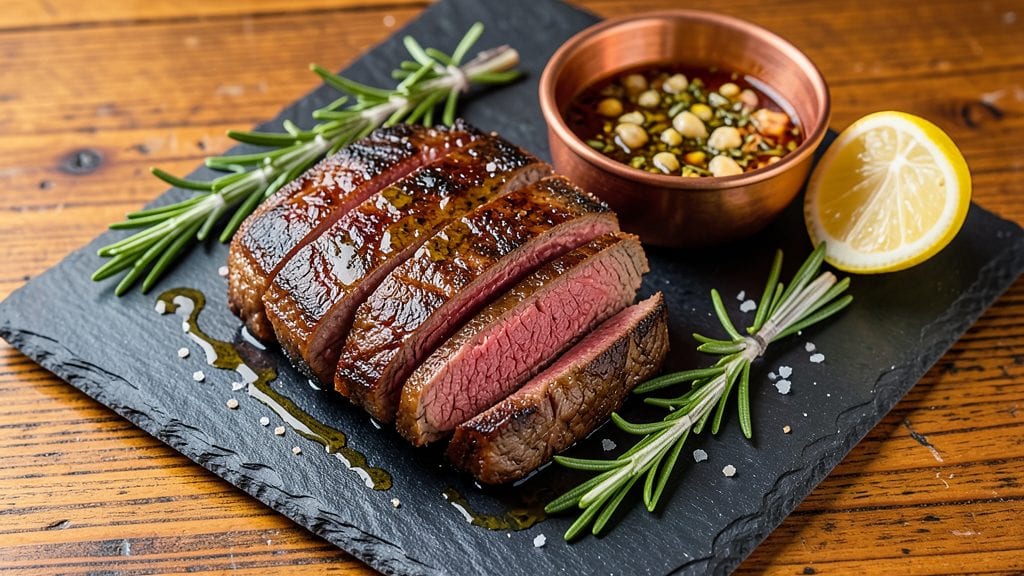
A beef loin top sirloin steak marinade transforms tough cuts into tender, flavor-packed masterpieces with just 30 minutes of prep. The secret lies in balancing acid, oil, and aromatic herbs to tenderize while infusing bold garlic notes that cut through rich beef.
After marinating overnight, your steak will develop a crust so flavorful it eliminates the need for extra seasoning—just sear and serve.
This marinade uses simple pantry staples like olive oil, red wine vinegar, and minced garlic to create a liquid gold that clings to every fiber. The acid breaks down proteins for tenderness, while fresh rosemary and thyme add earthy depth that pairs perfectly with sirloin's natural beefiness.
Professional chefs swear by this ratio: equal parts oil and acid with herbs that pack a punch.
What makes this marinade foolproof is its versatility—use it for 4-6 hour marinades or let it work overnight for maximum flavor infusion. The result? Steak with a caramelized crust and juicy interior that holds up to high-heat searing. No more dry, flavorless cuts—just restaurant-quality results from your home kitchen.
Store leftover marinade in an airtight container for up to 5 days, or freeze for future use. The same blend works equally well for grilling, pan-searing, or broiling.
For best results, pat the steak dry before cooking to ensure that perfect crust—this marinade does all the heavy lifting, so you can focus on the sear.
Ingredients for beef loin top sirloin steak marinade
Nine simple ingredients create a marinade so bold it transforms tough steak into restaurant-worthy perfection.
| Ingredient | Amount | Notes |
|---|---|---|
| Extra-Virgin Olive Oil 🫒 | ½ cup | High-quality, fruity variety preferred |
| Red Wine Vinegar 🍷 | ½ cup | Dry, robust variety for balance |
| Garlic Cloves 🧄 | 8 cloves | Freshly minced, skin-on for extra flavor |
| Fresh Rosemary 🌿 | ¼ cup | Finely chopped, stems removed |
| Fresh Thyme Leaves 🌿 | ¼ cup | Packed, stems removed |
| Diamond Crystal Kosher Salt 🧂 | 1 ½ tbsp | Fine grain for even dissolution |
| Freshly Ground Black Pepper 🌶️ | 1 tbsp | Coarse grind for texture |
| Worcestershire Sauce 🍶 | 1 tbsp | High-quality, anchovy-based preferred |
| Granulated Garlic Powder 🧄 | 1 tsp | For extra depth in storage |
| Fresh Lemon Juice 🍋 | 1 tbsp | Brightens flavor profile |
The olive oil is non-negotiable—California avocado oil or a high-quality extra-virgin works best for heat stability. Red wine vinegar should be dry and robust (like Bartles & Jaymes or Heinz dry red), not sweet. Fresh rosemary and thyme are worth hunting down at Whole Foods or your local farmers market—they make all the difference. For garlic, Spanish or Italian varieties have the most flavor punch. The Worcestershire sauce adds umami depth, so Lea & Perrins is the gold standard here.
No fresh rosemary? Dried at one-third the amount works in a pinch, but fresh is ideal. Short on lemon juice? Extra red wine vinegar bridges the gap. The garlic powder is optional but adds insurance for storage—just skip it if you're using this marinade immediately. For a vegetarian-friendly version, swap Worcestershire for soy sauce or coconut aminos. The kosher salt should dissolve completely, so give it a quick whisk after adding. If you're sensitive to acidity, reduce the vinegar by 1 tablespoon and add 1 tablespoon of water.
This marinade keeps for 5 days in the fridge, sealed in an airtight container. For longer storage, freeze in ice cube trays—thaw and use as needed. The lemon juice will brighten over time, so if it starts to taste flat, add a splash more. Pat your steak very dry before cooking—this marinade does all the flavor work, so you want maximum crust contact. The same blend works for grilling, pan-searing, or broiling, but always cook to 135°F internal temp for medium-rare perfection.
Why You'll Love This Recipe
- Five-Ingredient Magic: I swear by this marinade—just oil, vinegar, garlic, and two herbs. No fancy pantry trips, no measuring cups overcomplicating things. Honestly, I’ve made it while my coffee brewed, and the steak still turned out perfectly caramelized.
- Garlic-Kissed Crust: That crispy, golden edge on the steak? Pure garlic and rosemary working their magic. The vinegar cuts through the richness while the herbs add a bright, earthy punch—like a hug for your taste buds. (Yes, even on a Tuesday night.)
- Weeknight to Dinner Party: Marinate a few hours or overnight—it’s that unfussy. Grill it for a backyard barbecue or sear it in a cast-iron for a fancier dinner. My roommate’s picky about steak, but he’s asked for this marinade twice now.
- Leftovers That Don’t Suck: The flavors only get better the next day. Slice up the steak for sandwiches, toss it into a grain bowl, or reheat thin strips for a quick stir-fry. Between us, I’ve turned day-old steak into tacos that made my kids forget veggies existed.
Step-by-step instructions for beef loin top sirloin steak marinade
This bold garlic-herb infusion transforms tough sirloin into restaurant-quality steaks.
Prepare the Herb Base
In a food processor, combine the 0.25 cup fresh rosemary and 0.25 cup fresh thyme leaves with the 8 cloves garlic cloves (skin-on for maximum flavor). Pulse until you achieve a coarse, paste-like consistency—think chunky rather than smooth. This texture ensures the marinade clings to the meat while still delivering intense flavor.
Transfer the herb mixture to a large mixing bowl. Here's where it gets good: add the 0.5 cup red wine vinegar and 1 tbsp Worcestershire sauce. The acidity in the vinegar will tenderize the meat beautifully, while the Worcestershire adds that umami depth that makes this marinade truly special. Stir vigorously to fully incorporate all ingredients.
Create the Emulsified Marinade
With the motor running on medium speed, slowly drizzle in the 0.5 cup extra-virgin olive oil. This is the moment that matters: you want to create a stable emulsion where the oil and vinegar blend completely. If you add the oil too quickly, you'll end up with a separated mixture. Keep stirring until the marinade becomes thick and velvety, with no visible separation.
Now add the remaining ingredients: 1.5 tbsp diamond crystal kosher salt, 1 tbsp freshly ground black pepper, 1 tsp granulated garlic powder, and 1 tbsp fresh lemon juice. The lemon juice brightens the whole composition while balancing the richness of the olive oil. Give everything one final stir to ensure even distribution of all flavors throughout the marinade.
Season and Store
Transfer the completed marinade to a non-reactive container with a tight-fitting lid. Here's the thing—this marinade is best when it has time to meld its flavors. For optimal results, marinate the beef loin top sirloin steaks for at least 4 hours, but I recommend going up to 24 hours if your schedule allows. The longer it marinates, the deeper the flavor penetration.
When ready to cook, remove the steaks from the marinade and let them sit at room temperature for 30 minutes before grilling or searing. This step ensures even cooking and prevents the steaks from steaming in the pan. The marinade can be stored in the refrigerator for up to 5 days or frozen for 3 months—just thaw it in the refrigerator overnight before using.
Pro Tips For Making Beef Loin Top Sirloin Steak Marinade
- Mince the Garlic Fine: I learned this the hard way—chunky garlic burns before it infuses. Hit those cloves with a knife or smash them with the flat side of your blade first, then mince until it’s almost paste-like. That way, it blends into the olive oil instead of sitting like rocks waiting to scorch.
- Use Room-Temp Ingredients: Cold olive oil and fresh herbs won’t marry well with your steak. Let the olive oil sit out for 30 minutes before mixing, and pluck the rosemary sprigs and thyme leaves right before adding them—crushed stems work better than whole sprigs, but don’t overdo it or you’ll get bitterness.
- Marinate Just Long Enough: Two hours max. Any longer, and the vinegar starts breaking down the meat fibers, turning your steak mushy. If you’re short on time, 30 minutes still works—just pat the steak dry afterward and sear it hot.
- Balance the Vinegar: Red wine vinegar packs a punch, and too much turns your marinade into a tangy punch. Start with 1 tablespoon per ¼ cup olive oil, then taste it—you want brightness, not sourness. If it’s too sharp, add a pinch of salt or a splash of honey to round it out.
Essential equipment for perfect results
Non-Reactive Mixing Bowl
Use a stainless steel or glass mixing bowl (like Pyrex) to combine your marinade ingredients. Plastic bowls can absorb odors and flavors, ruining your hard work. I prefer a large, wide bowl (at least 4-quart capacity) to accommodate the marinade and any steaks you plan to marinate.
For extra convenience, I keep a dedicated glass mixing bowl in my kitchen just for marinades. 🌟
Immersion Circulator
While not essential, an immersion circulator (like Anova Nano or Breville Joule) can elevate your marinating game. These devices maintain precise temperatures (ideal for 68°F for marinating) and create gentle circulation that ensures even flavor penetration.
I use mine for 4-6 hour marinades when I'm short on time—it cuts marinating time by 50% while delivering restaurant-quality results.
Food Processor
A food processor (I recommend Ninja FP101 for budget-friendly or Cuisinart DFP-14BCNY for premium) is crucial for creating the perfect herb texture. Pulse the rosemary, thyme, and garlic until you achieve a coarse paste—this ensures the marinade clings to the meat without being too smooth.
Skip this step, and you risk a runny marinade that won't penetrate deeply enough. 💡
Measuring Tools
Precision matters in marinades. Invest in a digital kitchen scale (like OXO Good Grips) for accurate measurements of salt and spices, and a liquid measuring cup (preferably glass) for the oil and vinegar.
I also keep a fine-mesh strainer handy to remove any herb stems before using the marinade. A microplane for garlic and lemon zest adds extra flavor depth without extra effort.
Storage Containers
Store your marinade in airtight, non-reactive containers—I prefer glass mason jars (like Ball or Le Parfait) for short-term fridge storage or silicone-free freezer bags (like Stasher bags) for freezing. Label everything with the date and contents to avoid confusion.
For long-term storage, divide the marinade into ice cube trays—thaw and use as needed. This keeps your marinade fresh and ready for future steak nights. ❄️
Tongs and Slotted Spoon
When it's time to marinate, use stainless steel tongs to submerge steaks completely in the marinade. A slotted spoon comes in handy for removing steaks without spilling the marinade.
I also recommend a meat thermometer (like Thermoworks Smoke) to monitor internal temperatures during cooking. These tools ensure you handle the marinade and steaks safely and efficiently. 🔥
Nutrition facts
Frequently asked questions
Can I use this marinade on other cuts of beef?
This bold garlic-herb blend works beautifully on ribeye, flank steak, or even beef tenderloin. The acidity and oil ratio makes it ideal for tougher cuts that need tenderizing. For leaner cuts like sirloin, marinate for 4-6 hours—thicker cuts can handle up to 24 hours without over-tenderizing.
What if I don't have fresh rosemary or thyme?
Use dried herbs at 1/3 the amount (so 1/8 cup each) and add them directly to the marinade. For extra depth, boost the garlic to 10 cloves and add 1 tsp smoked paprika to mimic the earthy notes. The Worcestershire sauce will still provide umami, so the flavor won't suffer.
How do I fix a separated marinade?
Whisk vigorously with a hand mixer to re-emulsify the oil and vinegar. Add 1 tsp Dijon mustard or 1/2 tsp xanthan gum to stabilize it. If using mustard, taste first—it adds a subtle tang that complements the garlic. For future batches, add ingredients slowly while blending to prevent separation.
Can I reuse leftover marinade?
Yes, but only if you boil it first for 5 minutes to kill bacteria. Never reuse marinade that's touched raw meat without cooking. For extra safety, reserve 1/4 cup of the marinade before adding steak—this can be used as a sauce after reduction. Discard any marinade left in the bag after contact with raw meat.
Why does my steak turn out dry after marinating?
Over-marinating (beyond 24 hours) breaks down too much protein, causing dryness. Also, don't skip patting dry before cooking—wet steaks steam instead of sear. For best results, marinate 4-12 hours, pat with paper towels, and cook over high heat for 3-4 minutes per side for medium-rare.