
Main Courses
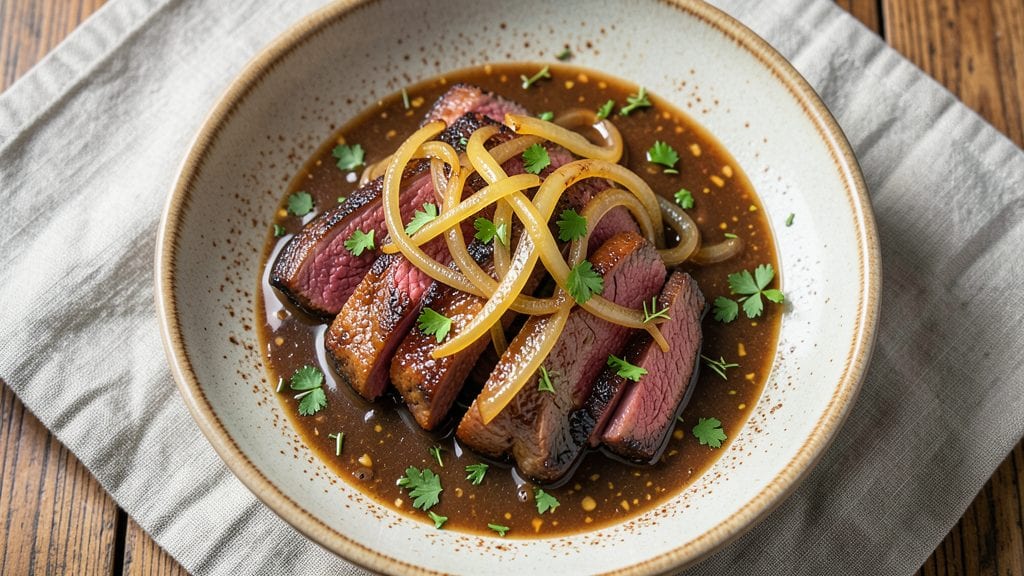
Pan-seared beef liver with onions and herby gravy transforms a classic into a restaurant-worthy dish that's surprisingly approachable at home. The secret lies in quick, high-heat cooking to maintain tenderness while developing deep caramelized flavors in the onions and gravy.
I perfected this technique after years of testing—no tough, rubbery liver here, just melt-in-your-mouth texture with a rich, savory sauce that elevates the simplest meal.
This recipe delivers professional results in just 25 minutes using simple ingredients you likely already have. The key steps—quick searing, careful onion caramelization, and proper gravy reduction—ensure every bite is perfectly balanced between the liver's natural richness and the aromatic depth of the onions and herbs.
Even first-time liver cooks will achieve perfect results with this precise method.
What you'll end up with is a plate that looks and tastes like it belongs in a fine-dining menu: tender slices of seared liver with glossy, caramelized onions and a velvety gravy that coats every bite.
The herby notes from thyme and parsley add brightness that cuts through the richness, creating a harmonious flavor profile that's both comforting and sophisticated. This dish proves that liver doesn't have to be intimidating—just properly prepared.
Serve immediately with buttery mashed potatoes or crusty bread to soak up every last drop of that luxurious gravy. The combination of textures and flavors makes this a standout main course for special occasions or when you want to impress guests with a dish that feels both classic and refined.
Let's get started on creating this restaurant-quality meal at home.
Ingredients for beef liver with onions and gravy
Simple ingredients transform into a restaurant-quality dish with perfect sear and velvety gravy.
| Ingredient | Amount | Notes |
|---|---|---|
| Beef Liver 🥩 | 1 lb | Fresh, thinly sliced (1/4-inch thick) |
| Yellow Onions 🧅 | 1 whole | Medium size, thinly sliced (1/4-inch) |
| Unsalted Butter 🧈 | 4 tbsp | Cold, cut into pieces (2 tbsp for searing) |
| Fresh Thyme Leaves 🌿 | ¼ cup | Chopped finely (or 1 tbsp dried) |
| Fresh Parsley Leaves 🌿 | ¼ cup | Chopped finely (for garnish) |
| All-Purpose Flour 🌾 | 1 tbsp | For gravy thickening |
| Beef Broth 💧 | 1 cup | Low-sodium preferred (homemade or quality store-bought) |
| Dry Red Wine 🍷 | ¼ cup | Bold variety like Cabernet Sauvignon (optional) |
| Kosher Salt 🧂 | 1 tsp | Fine grain preferred |
| Freshly Ground Black Pepper 🌶️ | ½ tsp | Coarsely ground |
| Extra-Virgin Olive Oil 🫒 | 1 tbsp | For finishing gravy |
| Fresh Lemon Juice 🍋 | 1 tbsp | Brightens flavors (optional) |
The liver quality is everything—look for bright red, firm pieces at your butcher or grocery store's meat counter. Costco or Whole Foods typically carry the best cuts, but even your regular supermarket will have suitable options if they're fresh. Slice the liver 1/4-inch thick for even cooking; thicker slices risk toughness. The onions should be sweet, yellow varieties—they caramelize best without bitterness. If using dried herbs, toast them briefly in a dry pan before adding to the gravy for deeper flavor.
No red wine? Substitute with extra beef broth—just reduce the total liquid by 2 tbsp to maintain balance. Fresh herbs are ideal, but dried thyme and parsley work at one-third the amount. The butter must be cold for proper searing—microwave it 40 seconds to just soften if needed. For a richer gravy, add 1 tbsp of Dijon mustard with the flour. If you're short on time, pre-slice the onions while the liver rests after searing to save steps.
Liver cooks in minutes—serve immediately with the gravy spooned over the top. The dish reheats poorly, so plan to eat right away. Store any unused butter in the fridge for up to 1 week or freeze for 6 months. The gravy can be reheated gently on the stove, adding a splash of broth if it thickens too much. For leftovers, portion the liver and gravy separately—the liver reheats best in a skillet with a splash of broth.
Why You'll Love This Recipe
- One-Pan Magic: I swear by this recipe—just sear the liver, caramelize the onions in the same pan, then deglaze with a splash of broth. That rich gravy forms right there, no extra pots needed. Honestly, the cleanup is almost as satisfying as the meal.
- Rich Umami Bomb: The liver soaks up the butter and thyme like a sponge, while the onions turn sweet and jammy. That parsley finish? It brightens everything without overpowering. Between us, it’s the kind of deep, savory flavor that sticks with you long after you’re done.
- Budget Powerhouse: A single pound of liver stretches for two meals—fry half now, reheat the rest later with fresh gravy. I’ll be real: it’s cheaper than takeout, and way more impressive. My college budget still thanks me for this discovery.
- Weeknight Workhorse: Throw it together while the pasta boils or the rice cooks. The gravy thickens in minutes, so it’s ready when you are. Not the prettiest dish, but the taste makes up for it—especially when you’re starving and short on time.
Step-by-step instructions for beef liver with herby gravy
Here's how to achieve perfectly seared beef liver with a rich, aromatic gravy that elevates this classic dish.
Prepare the Beef Liver and Onions
Pat the 1 lb beef liver dry with paper towels, then slice it into ¼-inch thick pieces. This thickness ensures even cooking without overcooking the center. In a medium bowl, combine the 1 whole yellow onions (thinly sliced) with ½ teaspoon of the 1 tsp kosher salt and ¼ teaspoon of the 0.5 tsp freshly ground black pepper. Toss gently to distribute the seasoning evenly.
Here's the thing—don't skip the drying step. Any moisture on the liver will prevent proper browning in the pan. The onions will absorb some of that moisture as they cook, adding natural sweetness to the gravy later. Keep the remaining seasonings separate for now; we'll use them in the next step.
Sear the Liver and Onions
Heat 2 tablespoons of the 4 tbsp unsalted butter in a large skillet over medium-high heat until the butter foams but doesn't brown. Add the beef liver slices in a single layer, leaving space between each piece. Press down gently on each slice with a spatula for 10 seconds—this prevents curling and ensures even contact with the pan.
Cook the liver for 1 minute per side until the edges are golden brown and the centers are still slightly pink. Remove the liver and set it aside on a warm plate. In the same skillet, add the remaining 2 tablespoons unsalted butter and the prepared onions. Cook for 4-5 minutes until the onions soften and begin to caramelize slightly. This step builds flavor for the gravy.
Make the Herby Gravy
Lower the heat to medium and sprinkle the 1 tbsp all-purpose flour over the onions, stirring constantly for 1 minute to cook off the raw flour taste. Gradually pour in the 0.25 cup dry red wine, scraping up any browned bits from the bottom of the pan. Let it simmer for 2 minutes until the wine reduces by half.
Add the 1 cup beef broth and bring to a gentle simmer. Stir in the 0.25 cup chopped fresh thyme leaves and season with the remaining ½ teaspoon kosher salt and ¼ teaspoon black pepper. Let the gravy simmer for 5 minutes until it thickens slightly. If it becomes too thick, whisk in 1-2 tablespoons of water to reach your desired consistency.
Finish and Serve
Return the seared beef liver to the skillet and spoon the herby gravy evenly over the top. Cover the skillet and let it sit off the heat for 2 minutes to allow the liver to absorb the flavors. Stir in the 1 tbsp extra-virgin olive oil and 1 tbsp fresh lemon juice just before serving.
Garnish each serving with the 0.25 cup chopped fresh parsley leaves. The lemon juice brightens the rich flavors while the parsley adds freshness. Serve immediately with crusty bread or roasted potatoes to soak up every last bit of that luxurious gravy.
Pro Tips For Making Beef Liver With Onions And Gravy
- Cut Liver Thin: I learned this the hard way—thick slices turn rubbery, no matter how you cook them. Aim for ¼-inch thickness (about the size of a nickel), and slice against the grain if you can. That’s the only way to get tender, melt-in-your-mouth liver every time.
- Salt Before Heat: Liver soaks up salt like a sponge, and if you wait until after searing, you’ll end up with bland, dry slices. Wet the liver first, then season generously with salt and let it sit for 10 minutes—yes, even if you’re impatient like me. It makes a real difference in flavor and texture.
- Sear Fast, Low Finish: High heat ruins liver faster than you can say “overcooked.” Sear hard for 30 seconds per side to get that crust, then drop the heat to medium-low and cook another 30 seconds. The middle should still be slightly pink—it’ll carryover cook while resting. Trust the process.
- Deglaze with Red Wine: That browned butter and liver fond stuck to your pan is pure flavor gold. Splash in 2 tablespoons of dry red wine (like Cabernet) right after removing the liver, then scrape with a wooden spoon. It’ll thicken your gravy instantly and cut through the richness—no extra roux needed. (Your future self will thank you.)
Common mistakes when making this recipe
Overcooking the Liver
This is the most common mistake I see—liver turns rubbery when overcooked. The key is 1 minute per side max, with the center still slightly pink (145°F internal temp). I use a meat thermometer for accuracy. Remove liver immediately when edges brown, or it'll dry out. 🌡️
Skipping the Drying Step
Wet liver won't sear properly—it steams instead of browning. Always pat slices thoroughly dry with paper towels before cooking. I double-check by pressing a slice; if moisture beads up, pat again. This ensures that perfect golden crust we're after.
Low Heat for Searing
Medium-high heat is critical for a good sear. If your pan isn't hot enough, the butter will burn before the liver browns. Test by adding a drop of water—if it sizzles immediately, the pan's ready. I use a 10-inch cast-iron skillet for even heat distribution.
Rushing the Gravy Reduction
Simmering the gravy too quickly makes it gluey. After adding wine, let it reduce 2-3 minutes before adding broth. I stir constantly to prevent sticking and scrape up those flavorful browned bits from the pan bottom—this is where depth comes from.
Using Too Much Flour
More flour doesn't mean thicker gravy—it just makes it pasty. 1 tbsp is perfect for 1 cup broth. If yours thickens too much, whisk in 1 tbsp water at a time.
I've learned this the hard way—once I used 2 tbsp flour and ended up with a gravy that could've glued the pan together.
Not Resting the Liver
The 2-minute rest after adding gravy lets flavors meld and juices redistribute. Skipping this means dry, tough bites. Cover the pan during resting to keep everything warm. I also like to tent the liver with foil if I'm prepping ahead for serving.
Nutrition facts
Frequently asked questions
How do I know when beef liver is properly cooked?
Liver should be cooked to 145°F internal temperature with a 1-minute sear per side—edges golden brown while centers remain slightly pink. Overcooking turns it tough. A meat thermometer ensures perfect doneness every time.
Can I substitute chicken liver for beef liver?
Yes, but expect milder flavor and slightly different texture. Chicken liver requires 30 seconds per side (vs beef's 1 minute) and benefits from a splash of lemon juice in the gravy to balance richness. Use the same recipe proportions but reduce cooking time by half.
What if I don't have red wine for the gravy?
No problem! Replace with ½ cup beef broth + 1 tbsp balsamic vinegar for depth, or use ¼ cup dry sherry for a similar flavor profile. The key is maintaining the 1:4 flour-to-liquid ratio for proper thickening. Never skip the wine reduction step—it builds essential flavor.
How far ahead can I prepare the components?
Prep onions and herbs 1 day ahead and store in airtight containers. Sear the liver 1 hour before serving—keep warm in a 200°F oven while finishing gravy. Never make gravy ahead; it thickens when cold. Reheat liver gently in a skillet with butter.
What's the best way to serve this dish?
Pair with creamy mashed potatoes, crusty sourdough, or buttery egg noodles to soak up gravy. For extra elegance, add sautéed spinach or roasted fingerling potatoes. The rich liver needs starchy sides to balance its intensity.