
Main Courses
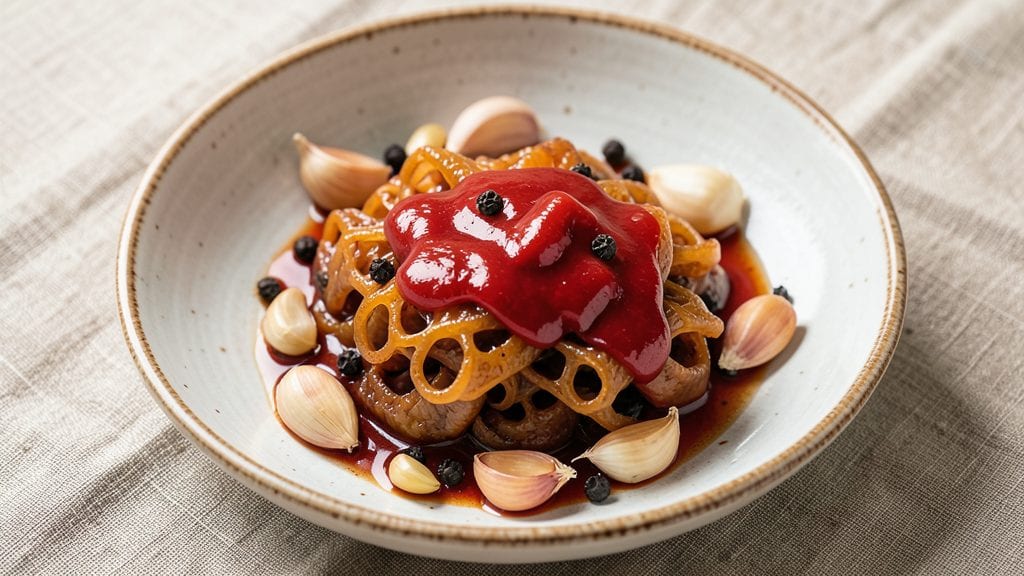
Transforming tough tripe into crispy, silky bites of honeycomb beef is a technique that elevates humble ingredients into something extraordinary—this recipe delivers restaurant-quality results at home.
The secret lies in precise preparation: cleaning the tripe thoroughly, marinating it just right, and cooking it until it develops that signature honeycomb texture with tender, melt-in-your-mouth centers.
I first encountered this dish in a small Filipino karinderia, where the sizzle of the pan and the aroma of garlic and soy sauce drew me in immediately.
This method starts with soaking the tripe to remove impurities, followed by a marinade of soy sauce, vinegar, and aromatics that tenderizes the meat while building deep umami flavor.
The real magic happens during cooking—whether you grill, pan-fry, or braise, the goal is to create those crispy, caramelized edges while keeping the inside tender and juicy. The result?
A dish that’s both visually stunning and irresistibly flavorful, with a texture that’s crispy on the outside and silky on the inside.
What makes this recipe stand out is its versatility—it works as a main course or a showstopping appetizer, and the technique adapts to different cuts of tripe or even beef tongue for a similar effect.
The honeycomb pattern isn’t just about looks; it’s a testament to the right balance of heat and timing. Serve it with steamed rice, a tangy dipping sauce, or fresh scallions for brightness, and you’ll have a dish that feels like a celebration on any table.
Don’t let the cleaning step intimidate you—it’s the most critical part of achieving that crispy texture and tender bite. With patience and the right method, you’ll turn tripe into a dish that’s worth the effort. Let’s get started on creating something truly special.
Ingredients for beef honeycomb tripe
Elevate humble tripe into restaurant-quality honeycomb beef with these carefully selected ingredients.
| Ingredient | Amount | Notes |
|---|---|---|
| Beef Tripe (Honeycomb Cut) 🥩 | 1 ½ lb | Fresh, cleaned, sliced into 1/4-inch strips |
| Soy Sauce (Light) 🍶 | ½ cup | High-quality, preferably Japanese-style |
| White Vinegar 🍋 | ¼ cup | For tenderizing and marinating |
| Garlic Cloves 🧄 | 8 cloves | Minced, for aromatic depth |
| Asafoetida (Hing) 🌿 | ¼ tsp | Optional, enhances umami (substitute with pinch of onion powder if unavailable) |
| Black Peppercorns 🌶️ | 1 tsp | Freshly cracked for robust flavor |
| Bay Leaves 🍃 | 2 whole | Dried, for subtle earthy notes |
| Extra-Virgin Olive Oil 🫒 | ¼ cup | High smoke point for searing |
| Diamond Crystal Kosher Salt 🧂 | 1 tbsp | For seasoning and curing |
| Baking Soda 🧪 | 1 tbsp | For cleaning tripe (food-grade only) |
| Lemon Juice 🍋 | 2 tbsp | Freshly squeezed, brightens flavors |
| Green Onions 🧅 | 3 whole | Sliced thin, for garnish and freshness |
| Jasmine Rice 🍚 | 1 ½ cups | Uncooked, for serving |
The tripe is the star, and its preparation makes all the difference. Source fresh honeycomb tripe from a trusted butcher or specialty meat market—look for cuts with visible honeycomb patterns, indicating proper aging. Costco or Whole Foods often carry pre-cleaned versions, but if buying raw, plan for a thorough cleaning process. The soaking solution of baking soda and water removes impurities, while the marinade of soy sauce and vinegar tenderizes the meat. For optimal results, use Japanese-style light soy sauce—it has a cleaner profile that lets the tripe’s natural flavors shine. The garlic and asafoetida (if using) are non-negotiable; they’re the aromatic backbone of this dish.
No asafoetida? Substitute with a pinch of onion powder or a dash of fish sauce for umami depth. Running short on vinegar? Lemon juice in equal parts works, though the flavor profile shifts slightly. For the rice, jasmine rice is ideal, but any long-grain variety will do. The green onions can be swapped for scallions or chives if preferred. If you’re using pre-cleaned tripe, skip the baking soda step—just rinse thoroughly. For extra crispiness, pat the tripe completely dry before cooking; moisture is the enemy of that signature crunch.
Store any leftover marinade in an airtight container in the fridge for up to 3 days, though it’s best used fresh. The cooked tripe reheats beautifully—pan-fry or air-fry for 2-3 minutes to restore crispiness. For maximum freshness, serve immediately, but it holds well for 2 days refrigerated. The rice can be pre-cooked and reheated with a splash of water. Garnish with fresh green onions just before serving to preserve their vibrant color and bright flavor.
Why You'll Love This Recipe
- One-Pot Magic: I swear by this recipe because it’s literally one pot—no chopping, no fussing, just simmer. The tripe softens right in the same pan where the garlic and hing release their magic, and honestly? That’s all you need.
- Umami Bomb: That first bite? The soy and vinegar cut through the richness of the honeycomb tripe while the hing adds this subtle depth—like a whisper of Indian street food. It’s the kind of flavor that makes you go back for seconds without thinking.
- Weeknight Workhorse: Between us, this is my go-to when I’m too tired to plan. Toss it together for a quick lunch, serve it cold in wraps for a picnic, or reheat leftovers for breakfast (yes, really). It’s that reliable.
- Budget Powerhouse: A pound of tripe feeds four, and the ingredients? Cheap as dirt. I’ve made this for potlucks where everyone raves, and my wallet doesn’t even flinch. That’s the kind of win I’ll take any day.
Step-by-step instructions for beef honeycomb tripe preparation
Transform tough tripe into a delicate, flavorful dish with this precise method.
Clean and Cure the Beef Tripe
Place the 1.5 lb beef tripe (honeycomb cut) in a large bowl and cover completely with cold water. Add the 1 tbsp baking soda and gently agitate the tripe with your hands for 5 minutes to remove impurities. Drain thoroughly and rinse under cold running water until the water runs clear.
In a separate bowl, combine the 0.5 cup soy sauce (light), 0.25 cup white vinegar, and 2 tbsp lemon juice. Submerge the cleaned tripe in this marinade and refrigerate for at least 4 hours, or preferably overnight. This curing process tenderizes the tripe while infusing it with deep umami flavors. The tripe should become noticeably softer when pressed with your finger.
Sear and Parboil for Texture
Drain the marinated tripe and pat it completely dry with paper towels. Heat the 0.25 cup extra-virgin olive oil in a large skillet over medium-high heat until shimmering. Working in batches if needed, sear the tripe for 2-3 minutes per side until it develops a golden-brown crust. Remove from the pan and set aside.
Return the skillet to medium heat and add enough water to cover the bottom by 1 inch. Add the seared tripe back to the pan along with the 8 cloves minced garlic, 2 whole bay leaves, and 1 tsp freshly cracked black peppercorns. Bring to a gentle simmer and cook for 20 minutes, partially covered, until the tripe is fork-tender but still holds its shape. The liquid should reduce slightly, concentrating the flavors.
Finish with Aromatics and Serve
Drain the parboiled tripe and return it to the skillet. Increase heat to medium-high and cook for 3-4 minutes, stirring occasionally, until the tripe develops crispy edges while remaining silky inside. This is the moment that matters: you're looking for that perfect contrast between the crispy exterior and tender interior.
While the tripe finishes, prepare the 1.5 cups jasmine rice according to package instructions. Garnish each serving with the 3 whole green onions, sliced thin, and a sprinkle of 0.25 tsp asafoetida (hing) if using. The tripe should be served immediately with the rice to maintain its ideal texture contrast.
Pro Tips For Making Beef Honeycomb Tripe
- Blanching First: Drop the tripe in boiling water for 3–4 minutes before cooking—this removes the fishy smell and toughens the surface just enough to hold up to the vinegar’s bite. I used to skip it, and my tripe would turn mushy by the end.
- Use Cold Vinegar: Mix the white vinegar with the soy sauce after the tripe is seared, not before. Cold vinegar burns the tripe faster than you’d think, and you’ll end up with a rubbery mess instead of tender layers.
- Crush Hing Early: Toast the asafoetida (hing) in a dry pan for 30 seconds until it smells pungent, then grind it into a powder before adding it to the oil. Raw hing tastes bitter—this step unlocks its umami depth without overpowering the garlic.
- Sear in Batches: Honeycomb tripe stacks like a house of cards—crowd the pan, and the bottom layer steams instead of browns. Work in 2-inch-thick layers, and don’t rush the sear. A dark crust means the vinegar won’t turn the tripe to mush later.
Regional styles of this dish
Filipino Kinunot
In the Philippines, this dish is called kinunot, a term that literally means "wrinkled" or "writhing"—a nod to the tripe's texture after cooking. The Filipino version often includes calamansi (Filipino lime) juice and chili flakes for a bright, spicy kick.
I’ve adapted this by using white vinegar and lemon juice for a similar tang, but the technique remains the same: parboiling followed by a crispy sear. Serve it with sinigang (sour tamarind soup) or garlic fried rice for a full Filipino feast. 🌶️
Chinese Honeycomb Beef
The Chinese approach, often called honeycomb beef, focuses on long, slow braising to achieve that signature texture. Instead of vinegar, they use Shaoxing wine and soy sauce for a deeper umami profile.
The tripe is typically sliced thinner (about 1/8-inch) and cooked in a clay pot with aromatics like star anise and cinnamon. For a shortcut, I’ve kept the soy-vinegar marinade but added a pinch of five-spice powder to mimic that aromatic depth. 🥢
Mexican Tripe Tacos
While not exactly honeycomb, Mexican barbacoa de callos (tripe stew) shares the same tenderizing principles. For a fusion twist, marinate the tripe in lime juice, cumin, and oregano, then slow-cook until fork-tender. The key difference?
Instead of crispy edges, Mexican tripe is shredded and served in warm tortillas with pickled onions and cilantro. I love adding charred corn for texture—it’s a fun way to repurpose leftovers! 🌮
Korean Jjajangmyeon Tripe
In Korea, tripe often stars in jjajangmyeon (black bean noodles), but it can also be prepped as honeycomb-style. The marinade swaps soy sauce for doenjang (fermented soybean paste) and sesame oil, giving it a nutty, savory depth.
The tripe is pan-fried in batches until crispy, then tossed with kimchi and scallions for a bold, tangy finish. For a quicker version, I’ve kept the soy-vinegar base but added 1 tsp gochujang for heat. 🍜
Brazilian Tripe Stew
Brazilian moqueca de tripas transforms tripe into a coconut-milk stew with dendê oil (palm oil) for a vibrant orange hue. The tripe is simmered low and slow until tender, then finished with cilantro and lime.
For a honeycomb twist, I’ve adapted the technique by searing the tripe first before stewing—this adds that crispy contrast while keeping the creamy coconut broth. Serve with farofa (toasted cassava flour) for crunch. 🥥
Nutrition facts
Frequently asked questions
What makes honeycomb tripe different from regular tripe?
The honeycomb texture comes from the tripe's unique aging process, where it develops natural wrinkles that create those signature pockets when cooked. These pockets expand when heated, creating crispy edges while keeping the inside silky. Regular tripe lacks this natural pattern, so it won't achieve the same visual and textural effect.
Can I substitute baking soda with something else for cleaning?
Yes, but baking soda is the most effective. You can use 1 tbsp salt per quart of water or 1 tbsp white vinegar instead, though the cleaning process may take longer. The key is thorough rinsing until the water runs clear. Never skip this step—impurities will ruin the crispy texture.
How do I know when the tripe is properly cooked?
The tripe should be fork-tender with no resistance when pierced, yet still hold its shape. The edges should be golden-brown and crispy, while the center remains plump and tender. Overcooking will make it tough, so aim for 20 minutes simmering followed by 3-4 minutes searing. A quick taste test helps too!
What's the best way to reheat leftovers without losing crispiness?
Reheat in a dry skillet over medium-high heat for 2-3 minutes per side until the edges re-crisp. Avoid microwaving—it steams the tripe and destroys the texture. For extra crunch, add a splash of water to the pan and cover for 1 minute before uncovering to finish.
Is honeycomb tripe safe to eat raw?
Never eat tripe raw or undercooked—it can contain harmful bacteria like E. coli. Always cook to an internal temperature of 165°F (74°C) to ensure safety. The marinade helps tenderize but doesn't replace proper cooking. When in doubt, use a meat thermometer.