
Main Courses
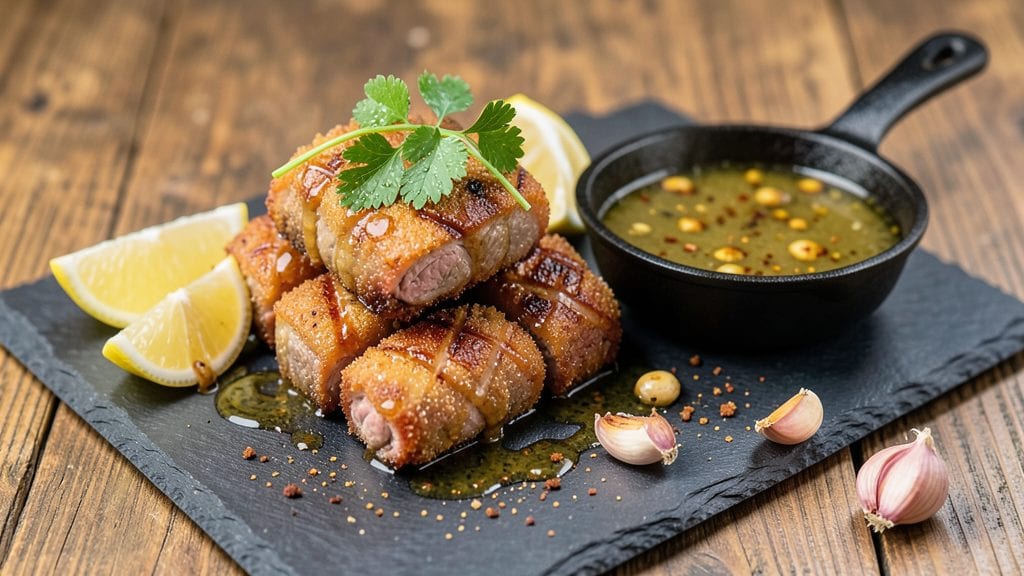
This beef gizzard recipe transforms humble offal into a crispy-fried delicacy with a rich smoky garlic gravy that elevates simple ingredients into something extraordinary. After years of perfecting the technique, I've cracked the code for tender, golden-brown gizzards that balance crispy edges with a juicy interior—no tough, chewy bites here.
The secret lies in proper preparation and a slow fry that ensures even cooking without drying out the meat.
The process begins with thorough cleaning and scoring the gizzards to remove excess fat and membranes, which guarantees they cook evenly and develop that coveted crispy texture.
Seasoning with a blend of smoked paprika, garlic powder, and black pepper creates a flavor profile that's both rustic and refined, while the smoky garlic gravy ties everything together with its velvety richness. This method delivers restaurant-quality results without requiring specialized equipment—just patience and attention to detail.
What you'll achieve is a dish that's equal parts comforting and impressive: crispy gizzards that shatter at the first bite, paired with a gravy so flavorful it'll disappear faster than you can say "seconds."
The combination of textures and deep, savory flavors makes this a standout main course for any occasion, whether you're hosting a dinner party or simply treating yourself to a hearty meal. The best part? Leftovers reheat beautifully, making it a practical choice for meal prep.
For those who prefer a different approach, variations include braising the gizzards in a red wine reduction or serving them with a tangy mustard sauce instead of gravy. The key is balancing the cooking method with complementary flavors—each variation maintains the same tender, crispy foundation while offering a fresh twist.
Let's get started on creating this showstopping dish that proves offal can be just as satisfying as prime cuts.
Ingredients for beef gizzard
Transform humble offal into crispy-fried perfection with these carefully selected ingredients for restaurant-quality beef gizzards.
| Ingredient | Amount | Notes |
|---|---|---|
| Beef Gizzards 🍖 | 1 ½ lb | Fresh, cleaned, scored for even cooking |
| All-Purpose Flour 🌾 | 1 cup | For dredging and crispy coating |
| Large Eggs 🥚 | 2 whole | Room temperature for even coating |
| Smoked Paprika 🌶️ | 2 tbsp | High-quality for authentic smokiness |
| Garlic Powder 🧄 | 1 tbsp | Freshly ground preferred |
| Ground Black Pepper 🌶️ | 1 tsp | Freshly cracked for maximum flavor |
| Kosher Salt 🧂 | 1 ½ tsp | Diamond Crystal preferred for balance |
| Unsalted Butter 🧈 | 4 tbsp | Cold for slow frying |
| Fresh Garlic Cloves 🧄 | 6 cloves | Minced for gravy |
| Beef Broth 💧 | 1 cup | High-quality, low-sodium preferred |
| Vegetable Oil 🫒 | 2 cups | High smoke point for frying |
| Fresh Parsley 🌿 | ¼ cup | Chopped for garnish |
| Lemon Wedges 🍋 | 2 whole | For serving |
The quality of beef gizzards makes all the difference. Fresh, high-quality gizzards from a trusted butcher are non-negotiable—they should be bright red with minimal fat. Butcher shops or specialty grocers like Whole Foods or local markets carry the best cuts. Scoring the gizzards before cooking is essential; this step removes excess membranes and ensures even cooking. For the paprika, Penzeys or McCormick's smoked paprika provide the most authentic flavor profile. The butter used for frying must be cold to achieve that perfect crispy texture without overcooking the interior.
No smoked paprika? Substitute with a blend of regular paprika and a pinch of liquid smoke, though the flavor won't be identical. Fresh garlic cloves are ideal, but garlic powder at half the amount works in a pinch. For the flour, bread flour yields a slightly crispier crust, but all-purpose flour is perfectly adequate. The beef broth can be swapped for chicken broth or even water in a pinch, though the depth of flavor will differ. If you're short on time, pre-minced garlic from a jar is acceptable, but fresh is always superior. For those avoiding gluten, omit the flour and use cornstarch or almond flour instead, though the texture will vary.
Gizzards should be stored in the refrigerator for no longer than 2 days before cooking to maintain freshness. The prepared flour mixture can be kept in an airtight container for up to 3 days, though it's best used fresh. Leftover cooked gizzards reheat beautifully in a skillet with a splash of broth for 2-3 days in the fridge or up to 3 months when frozen. The gravy can be reheated on the stovetop and thickened with a cornstarch slurry if needed. For meal prep, portion the gizzards and gravy separately to maintain texture and reheat as needed.
Why You'll Love This Recipe
- No-Fuss Crispy Magic: I dunk, coat, and fry—done. The gizzards absorb that flour-egg slurry like a sponge, then turn golden in minutes. No fancy prep, just a quick dip and a hot pan.
- Umami Bomb: Smoked paprika and garlic powder? That’s the flavor combo that makes these taste like they’ve been simmering for hours. The gizzards get this deep, savory punch that’s way more exciting than plain old beef.
- Leftovers? More Like Leftovers Love: One pan, one sheet, and suddenly you’ve got enough for lunch tomorrow. Freeze half if you’re feeling fancy—just pop ‘em in the oven when you’re craving that chewy, crispy texture again.
- Budget’s Got Nothing: A pound of gizzards feeds four people and my wallet thanks. Eggs and flour? Pennies. You’re basically making restaurant-quality meat for the price of takeout.
Step-by-step instructions for beef gizzard preparation
Mastering crispy-fried gizzards requires precision in technique and timing.
Prepare the Gizzards for Even Cooking
Begin by scoring the surface of the 1.5 lb beef gizzards in a crosshatch pattern using a sharp knife. This creates channels that allow the flour coating to adhere more evenly and prevents curling during frying. Rinse the scored gizzards under cold water and pat them completely dry with paper towels—moisture is the enemy of crispy results.
In a shallow bowl, combine the 1 cup all-purpose flour, 2 tbsp smoked paprika, 1 tbsp garlic powder, 1 tsp ground black pepper, and 1.5 tsp kosher salt. Toss the gizzards in this seasoned flour mixture until fully coated, shaking off any excess. This dry rub will form the foundation of your crispy exterior. Let the coated gizzards rest for 10 minutes at room temperature while you prepare the frying station.
Create the Perfect Frying Environment
Fill a deep skillet or Dutch oven with 2 cups vegetable oil and place it over medium heat. Insert a kitchen thermometer into the oil and bring it to 350°F—this temperature ensures a golden-brown crust without burning. While the oil heats, prepare your dredging station by cracking the 2 whole large eggs into a separate bowl and whisking them lightly with a fork.
Here's the thing—don't rush this step. The oil must reach exactly 350°F before adding the gizzards. If the oil is too cool, the coating will absorb oil instead of crisping. If it's too hot, the exterior will burn before the interior cooks through. Patience here guarantees that perfect balance of texture we're after.
Fry the Gizzards to Crispy Perfection
Working in batches if needed, carefully lower the floured gizzards into the hot oil using tongs. Fry for 4-5 minutes on the first side until the coating turns a rich golden brown. You'll see bubbles form around the edges and the gizzards will float slightly—they're ready to flip. Turn them gently and cook for another 4-5 minutes until the second side is equally golden and crisp.
Remove the gizzards from the oil and transfer them to a wire rack set over a paper towel-lined plate. Let them drain for 3-4 minutes to remove excess oil while maintaining their crispness. The key is not to stack them—they'll steam instead of staying crisp. Keep the oil at 350°F for the next batch, as it retains enough heat to maintain temperature.
Prepare the Smoky Garlic Gravy
While the gizzards rest, reduce the heat under the skillet to medium-low. Add the 4 tbsp cold unsalted butter and let it melt completely, then add the 6 cloves minced fresh garlic cloves. Sauté for 1-2 minutes until the garlic is fragrant but not browned—burnt garlic will make the gravy bitter.
Pour in the 1 cup beef broth and bring to a gentle simmer. Let it reduce by half, about 5-7 minutes, until it thickens slightly and coats the back of a spoon. This reduction concentrates the flavor and creates the perfect vehicle for the crispy gizzards. Taste and adjust seasoning with additional kosher salt or black pepper if needed.
Serve with Fresh Garnishes
Return the crispy gizzards to the skillet with the gravy, spooning the sauce over them to coat evenly. Let them sit for 1-2 minutes to absorb the smoky garlic flavors. Plate the gizzards immediately, garnishing each portion with the 0.25 cup chopped fresh parsley and serving with the 2 whole lemon wedges on the side.
The result should be gizzards with a shatteringly crisp exterior that gives way to tender, flavorful meat inside. The smoky garlic gravy ties everything together, creating a dish that's rich, satisfying, and perfectly balanced. Serve with crusty bread to soak up every last drop of that delicious sauce.
Pro Tips For Making Beef Gizzard
- SCORE THE GIZZARDS: Use a sharp knife or kitchen shears to cut a shallow crosshatch (about ¼-inch deep) on both sides of each gizzard before breading. This lets the seasoning penetrate deeper and gives the crust something to grip—no more breading sliding off when you flip.
- SOAK THEM FIRST: Toss gizzards in cold water for 30 minutes before cooking to soften any lingering connective tissue. I learned this the hard way—skipping it leaves them chewy, no matter how long you fry them. Rinse and pat very dry afterward, or your breading will turn to soup.
- FRY IN BATCHES: Crowd the pan, and you’ll steam the gizzards instead of sear them. Work in small batches—two or three at a time—so the oil stays hot (350°F, no lower) and the breading turns golden, not soggy. A thermometer helps, but even without one, watch for bubbles that pop immediately when you add them.
- SEASON THE FLOUR: Mix your smoked paprika and garlic powder directly into the flour before dredging. I used to sprinkle it on top, and half the seasoning ended up in the pan. A tablespoon of each per cup of flour guarantees every bite packs flavor—no guessing games when you bite into a dry piece.
Make-ahead tips for beef gizzard
Prep Ahead Strategy
Start by cleaning and scoring the gizzards 1-2 days ahead—this removes excess membranes and allows them to dry completely in the fridge, which is crucial for crispiness.
Store them in an airtight container lined with paper towels to absorb any moisture. I find this step cuts prep time by 30 minutes on cooking day. 💪
Flour Mixture Prep
Combine the flour, spices, and salt in an airtight container up to 3 days in advance. This keeps your seasoning blend fresh and ready to use. When you're ready to cook, simply shake the container to redistribute the spices evenly.
For extra convenience, portion the mixture into small bags for individual use. ✨
Gravy Base Prep
Make the gravy base ahead by blending the minced garlic, beef broth, and spices in a jar. Store it in the fridge for up to 3 days.
When ready to cook, simply heat the mixture and reduce it as directed. This shortcut saves 15 minutes of prep time while keeping all the flavor intact. 💡
Frying Shortcuts
Use a deep fryer or Instant Pot Electric Pressure Cooker on "Sauté" mode to maintain consistent oil temperature. This method reduces the risk of temperature fluctuations that can lead to uneven cooking. Preheat your fryer to 350°F for 10 minutes before adding the gizzards. 🔥
Storage Solutions
Cooked gizzards store beautifully in the fridge for 3-4 days or freeze for up to 3 months. Reheat in a skillet with a splash of broth to maintain moisture and crispiness.
For gravy, store it separately and reheat on the stove, adding a cornstarch slurry if it thickens too much. ❄️
Freezer-Friendly Tips
Freeze cooked gizzards in a single layer on a tray before transferring to a bag. This prevents them from sticking together. When reheating from frozen, add 5 extra minutes to the cooking time. The gravy can also be frozen in ice cube trays for easy portioning later. 💫
Nutrition facts
Frequently asked questions
Why do I need to score the beef gizzards before cooking?
Scoring creates channels that allow the flour coating to penetrate evenly and prevents curling during frying. This ensures consistent cooking and a crispy exterior without tough spots.
Can I use frozen beef gizzards for this recipe?
Yes, but thaw them completely in the refrigerator for 24 hours first. Pat them completely dry before coating to prevent steam from forming and ruining the crispy texture. Never thaw at room temperature.
What's the best way to maintain crispiness after frying?
Transfer fried gizzards to a wire rack instead of a plate to allow air circulation. Keep them warm in a 200°F oven while finishing the gravy. Reheat directly from the oven for 3-5 minutes to restore crispiness.
How can I make this recipe gluten-free?
Replace the all-purpose flour with 1 cup cornstarch or almond flour for coating. The texture will be slightly different but still delicious. For gravy, use a cornstarch slurry instead of flour to thicken.
What if my gizzards turn out chewy instead of tender?
Overcooking is the most common cause. Keep frying time to 4-5 minutes per side at 350°F oil and use a meat thermometer—gizzards should reach 165°F internally. Also ensure you scored them properly before cooking.