
Main Courses
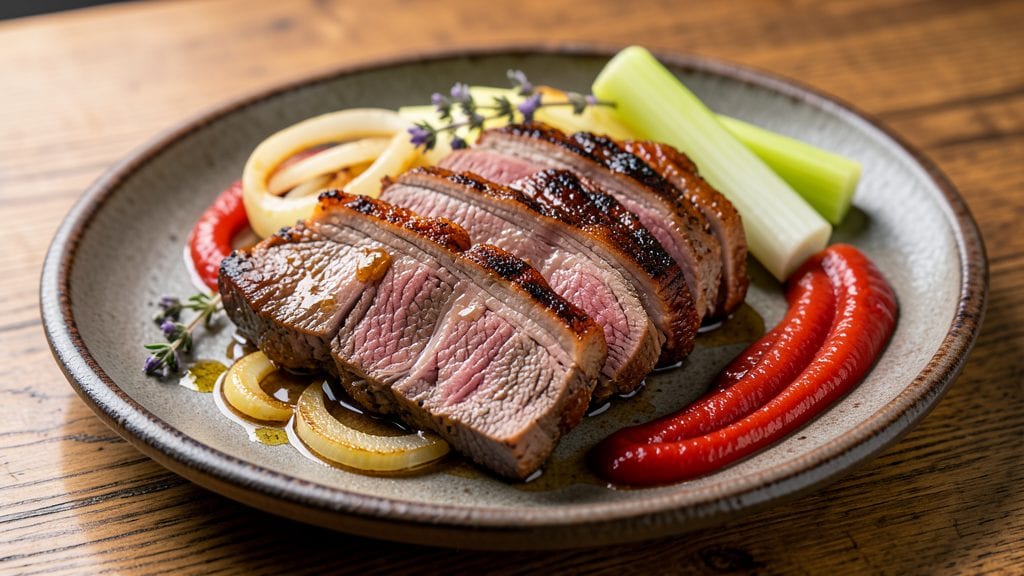
This beef chuck short rib bone-in sliced recipe turns rich, meaty bones into melt-in-your-mouth perfection with tender, caramelized slices. The bone-in technique unlocks deeper flavor and richness you won't find in boneless versions, making every bite worth the effort.
I've perfected this method through years of testing—slow braising builds complex caramelized edges while keeping the meat impossibly tender.
The secret lies in proper searing and low-temperature cooking. You'll start with a high-heat sear to develop that signature crust, then transfer to a slow oven where the collagen breaks down over hours.
This creates a sauce so rich it coats every slice, turning a simple weeknight meal into something restaurant-worthy. The bone adds an extra layer of depth that transforms ordinary beef into something extraordinary.
By the time you finish, you'll have perfectly sliced short ribs with crisp edges and tender centers, all swimming in a glossy, caramelized sauce. Each bite delivers that perfect balance of smoky, savory, and slightly sweet flavors that make this dish unforgettable.
The technique is straightforward once you understand the key steps—no fancy equipment required, just patience and attention to temperature.
Serve with classic sides like mashed potatoes or crusty bread to soak up every last bit of that precious braising liquid. This recipe delivers professional-quality results at home, proving that bone-in beef can be just as impressive as any restaurant dish.
Let's get started on creating your perfect braised short ribs.
Ingredients for beef chuck short rib bone in sliced
Four pounds of beefy bones and simple pantry staples transform into restaurant-worthy braised short ribs.
| Ingredient | Amount | Notes |
|---|---|---|
| Beef Chuck Short Ribs (Bone-In) 🥩 | 4 lb | 2-3 inches thick slices, with bones |
| Yellow Onion 🧅 | 1 whole | Chopped into large chunks |
| Carrot 🥕 | 4 whole | Cut into 2-inch chunks |
| Celery Stalks 🥬 | 4 whole | Cut into 2-inch pieces |
| Garlic Cloves 🧄 | 8 cloves | Smashed, not minced |
| Tomato Paste 🍅 | ½ cup | High-quality, no sugar added |
| Dry Red Wine 🍷 | 1 cup | Bold, like Cabernet Sauvignon |
| Beef Broth 💧 | 2 cups | Low-sodium preferred |
| Olive Oil 🫒 | 2 tbsp | Extra-virgin for searing |
| Kosher Salt 🧂 | 2 tbsp | Plus extra for seasoning |
| Black Peppercorns 🌶️ | 1 tbsp | Freshly cracked |
| Fresh Thyme Leaves 🌿 | 1 tbsp | Or 1 tsp dried thyme |
| Fresh Rosemary 🌿 | 1 sprig | Large sprig, woody stem |
| Bay Leaves 🌿 | 2 whole | Dried, standard size |
The beef is everything here. Chuck short ribs with bones are non-negotiable—bone-in gives that deep, rich flavor the braising builds. Look for thick-cut pieces (2-3 inches) at Costco or local butchers—they often have better quality than grocery stores. If you're buying a whole packer cut, ask for it to be sliced into 2-3 inch chunks before you leave. The bones should be meaty, not too small or skinny. Freshness matters too: the meat should be bright red, not grayish or slimy. If you're short on time, Trader Joe's sells pre-sliced short ribs that work in a pinch.
No red wine? Dry sherry or beef broth with a splash of balsamic works in a bind. Fresh thyme and rosemary are ideal, but dried works at half the amount if you're out. The tomato paste can be the squeeze tube kind from Trader Joe's—it's perfect for this. For the vegetables, no need to peel carrots or celery unless you're feeling fancy. The onion should be yellow or red, not sweet like Vidalia. If you're using a slow cooker, you can skip the initial sear and just brown the meat in the pot, but searing first makes a huge difference—that crust is where all the flavor happens.
This braise tastes even better the next day, so make extra. Store in an airtight container in the fridge for up to 5 days. The sauce thickens as it sits, so you might need to add a splash of broth when reheating. For freezing, portion into individual containers—3 months max. I like to slice the ribs after braising and freeze them with some of the sauce, then reheat straight from frozen in the oven. The bones can be saved for stocks too—just simmer them with veggies and water for a rich base.
Why You'll Love This Recipe
- One-Pot Magic: I swear by this—just toss ribs, onion, carrot, and celery into one pot with garlic, cover, and let it do its thing. No chopping boards, no extra pans, just hands-off cooking while you sip wine or scroll through your phone.
- Garlic Bomb Flavor: Between us, that slow-cooked garlic clove pressed into the meat? It’s the secret weapon. The ribs stay juicy, the edges get tender, and every bite has this deep, savory punch that makes you forget takeout exists.
- Leftovers for Days: I make a double batch on Sundays because these ribs reheat like a dream—just a quick warm in the oven or microwave, and they’re just as good as day one. Perfect for lazy weeknights when you don’t want to cook.
- Budget-Friendly Luxury: Short ribs aren’t cheap, but they stretch further than you’d think. The bones add richness, so you end up with a hearty, restaurant-worthy meal without breaking the bank. Honestly, it’s my way of treating myself without guilt.
Step-by-step instructions for slow-cooked beef short ribs
Here's how to transform tough beef short ribs into melt-in-your-mouth perfection.
Sear the Ribs for Maximum Flavor
Heat a large Dutch oven over medium-high heat. Add the 2 tablespoons olive oil and let it get shimmering hot. Working in batches if needed, add the 4 lb beef chuck short ribs and sear for 3-4 minutes per side until deeply browned. This step develops that rich, caramelized crust that holds up beautifully during the long cook.
Don't rush this part—you want those ribs to develop a deep golden-brown color. If your pan gets crowded, work in smaller batches to avoid steaming instead of searing. Once all ribs are browned, remove them and set aside in a plate.
Build the Flavor Base with Vegetables and Aromatics
In the same Dutch oven, add the chopped 1 whole yellow onion, 4 whole carrots, and 4 whole celery stalks. Cook for 5-6 minutes, stirring occasionally, until the vegetables begin to soften and release their juices. This creates the foundation for your braising liquid.
Add the 8 cloves smashed garlic, 1 tablespoon fresh thyme leaves, 1 sprig fresh rosemary, and 2 whole bay leaves. Stir for 30 seconds until fragrant—this releases all the aromatic oils that will infuse your ribs with flavor. Here's where it gets good: stir in the 0.5 cup tomato paste and cook for another 2 minutes until it darkens slightly.
Deglaze and Combine All Ingredients
Pour in the 1 cup dry red wine and scrape up all those delicious browned bits from the bottom of the pan. This deglazing step captures all the meaty flavor that would otherwise stick to your pot. Let it simmer for 3-4 minutes until the wine reduces by about half.
Add the 2 cups beef broth and the 2 tablespoons kosher salt. Stir in the 1 tablespoon freshly cracked black peppercorns, then return the seared ribs to the pot. The liquid should come about halfway up the ribs—if it's too little, add a splash more broth. Bring everything to a gentle simmer.
Braise Until Fork-Tender
Cover the Dutch oven and transfer to a 325°F oven. Braise for 3 hours, then carefully flip each rib and add enough water or broth to maintain about 1 inch of liquid above the ribs. Continue cooking for another 2-3 hours until the meat is fork-tender and pulls away from the bone easily.
Here's the thing—this is where patience pays off. The ribs should be falling off the bone when you test them. If you're short on time, you can do the first hour on the stovetop at a gentle simmer before transferring to the oven, but the oven method gives you more even cooking.
Rest and Serve with Rich Sauce
Once the ribs are tender, remove them from the pot and transfer to a serving platter. Tent loosely with foil and let rest for 15 minutes. This resting period allows the juices to redistribute, ensuring each bite is moist and flavorful.
Strain the braising liquid through a fine-mesh sieve to remove any solids, then return it to the pot. Simmer uncovered for 5-10 minutes to reduce slightly and thicken the sauce. Serve the ribs with the reduced sauce spooned over the top and the braised vegetables on the side. Each bite should deliver that perfect balance of tender meat, rich sauce, and caramelized flavor.
Pro Tips For Making Beef Chuck Short Rib Bone In Sliced
- Sear the Ribs First: Hit the ribs with a screaming-hot pan—cast iron or stainless—until they’re deep brown, not just pink. I learned this the hard way: skipping the sear means flavor locked in fat, not on the surface. Let them sit 5 minutes after searing so the crust sets (yes, even if you’re impatient like me).
- Dice the Aromatics Small: Onion, carrot, celery—cut them into ¼-inch pieces, no bigger. I used to eyeball it, but smaller bits render faster and infuse the braise with flavor instead of sitting like soggy chunks. Garlic? Smash those cloves with the flat of your knife first—more surface area, more punch.
- Don’t Crowd the Pot: If you’re braising, leave space between ribs—at least ½ inch—or they’ll steam instead of brown. I crammed a pot once and ended up with mushy edges. Start in batches if needed, then add liquid. The ribs need room to crisp up before they melt down.
- Deglaze with Red Wine: After searing the ribs, scrape up those browned bits with a splash of red wine (or broth if you’re skipping alcohol). This isn’t just for flavor—it dissolves the meaty fond that would otherwise stick to your pot like glue. Skip it, and you’re missing half the depth.
Perfect pairings for this recipe
Classic Comfort Sides
Rich, braised short ribs deserve sides that can soak up that luxurious sauce. I always serve them with creamy garlic mashed potatoes—the buttery texture contrasts perfectly with the meaty ribs. For a lighter option, roasted baby potatoes tossed with rosemary and olive oil add a crispy, herby bite.
Don’t forget crusty sourdough bread for mopping up every last drop of that caramelized braising liquid. 🥔
Wine Pairings
A bold Cabernet Sauvignon from Napa Valley is my go-to pairing—its dark fruit and tannins stand up to the ribs’ richness. For something lighter, a Syrah from the Rhône Valley brings smoky, spicy notes that complement the caramelized edges.
If you prefer red blends, try a Zinfandel with its jammy berry flavors. Avoid overly oaky whites or delicate Pinot Noirs—they’ll get lost in the dish’s depth. 🍷
Beer Matchups
For beer lovers, a dark amber ale like Fat Tire or Samuel Smith’s Nut Brown Ale adds malt sweetness that balances the ribs’ savory notes. If you’re feeling adventurous, a Belgian-style quadrupel like Westmalle Trappist brings a caramelized depth that mirrors the braised sauce.
For a lighter option, a hoppy IPA cuts through the richness—just avoid overly bitter hops that might clash with the dish. 🍺
Sauce Elevations
Take your braising sauce to the next level by finishing it with 1 tablespoon balsamic glaze for a touch of sweetness. A sprinkle of fresh thyme leaves right before serving adds a bright herbal note.
For extra richness, stir in 1 ounce cold butter at the end—it melts beautifully into the sauce. If you love heat, add ½ teaspoon crushed red pepper flakes to the sauce before serving. 💛
Global Twists
Transform this classic into a Korean-inspired galbi by adding 1 tablespoon gochujang and 1 tablespoon soy sauce to the braising liquid. For an Italian touch, swap the red wine for white wine and add 1 teaspoon fennel seeds to the vegetables.
A Mexican-inspired version calls for 1 tablespoon chipotle powder and ½ cup beer instead of wine. Each variation keeps the tender meat while adding exciting new flavors. 🌍
Presentation Tips
Slice the ribs against the grain for the most tender texture, then arrange them on a platter with the braised vegetables fanned around the edges. Drizzle the reduced sauce artistically over the top and garnish with fresh parsley or microgreens for a restaurant-worthy finish.
Serve family-style with extra sauce on the side for dipping—it’s always the most popular part! ✨
Nutrition facts
Frequently asked questions
Why use bone-in short ribs instead of boneless?
The bone adds incredible depth of flavor through the braising process. As the collagen breaks down, it infuses the meat with rich, savory notes you simply can't get from boneless cuts. Plus, the bone helps stabilize the meat during long cooking, preventing it from falling apart prematurely. You'll get that signature restaurant-quality texture and sauce that clings beautifully to each slice.
Can I cook these ribs in a slow cooker instead of the oven?
Yes! Skip the initial sear and brown the ribs directly in the slow cooker over medium-high heat for 5 minutes per side. Then proceed with the braising liquid and cook on low for 8-10 hours. The texture will be slightly different but still incredibly tender. Just add a splash of broth if the liquid gets too low during cooking.
How do I properly slice bone-in short ribs for serving?
First let the ribs rest for 15 minutes after cooking. Then use a sharp knife to cut between each rib bone, keeping the knife parallel to the cutting board. For individual slices, cut against the grain at a 45-degree angle for maximum tenderness. The bone will naturally separate the meat into perfect portions. Never force the knife—let the meat guide you.
What's the best way to reheat leftovers?
Slice the ribs first, then reheat in a skillet with a splash of beef broth over medium heat until warmed through. For the sauce, reheat it separately and combine at the end. Never microwave—it makes the meat tough. You can also reheat the whole dish in a covered pot at 325°F for 20-30 minutes. Leftovers taste even better the next day!
Can I make this recipe without red wine?
Substitute with 1 cup beef broth plus 1 tablespoon balsamic vinegar for depth, or use 1 cup dry sherry. The key is maintaining the same acidity and richness in the braising liquid. Just remember to deglaze properly to capture all those flavorful browned bits from the searing step.