
Sauces & Condiments
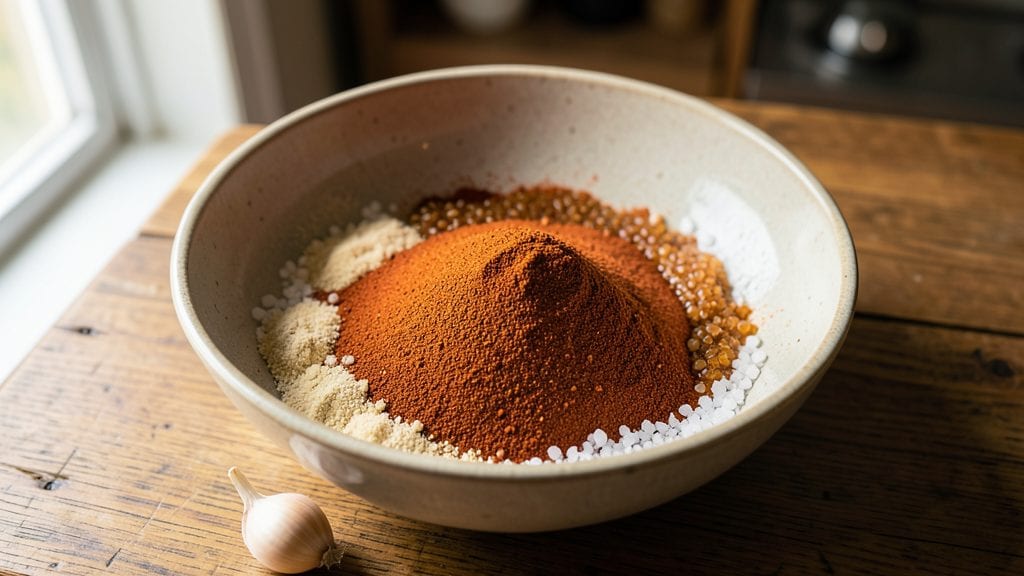
The perfect beef brisket seasoning transforms tough cuts into melt-in-your-mouth tenderness with just a few simple ingredients. This smoky-spiced rub combines classic barbecue flavors—paprika, garlic powder, and brown sugar—to create a crust that locks in moisture while delivering deep, complex taste.
I’ve tested this blend for years, and it consistently delivers that restaurant-quality bark and fall-apart texture home cooks crave.
The beauty of this seasoning mix lies in its precision—each spice plays a specific role, from the heat of cayenne to the sweetness of brown sugar that caramelizes during cooking. Unlike pre-packaged rubs, this blend uses high-quality spices in exact proportions, ensuring every batch delivers consistent, professional results.
The key is applying it generously and letting it sit for at least 12 hours before cooking, allowing the flavors to penetrate deeply.
What you’ll achieve is a brisket with a rich, smoky crust and tender meat that practically dissolves at the touch of a fork. The rub enhances the natural beefy flavor without overpowering it, making this the ideal foundation for slow-cooked brisket.
Whether you’re smoking, grilling, or braising, this seasoning elevates every bite to restaurant-quality perfection.
Make a large batch and store it in an airtight container for up to six months—this is the kind of seasoning you’ll reach for again and again.
The instructions ahead will guide you through the exact measurements and application technique for foolproof results every time. Let’s get started on creating your signature brisket flavor.
Ingredients for beef brisket seasoning
Nine spices, one signature crust. This blend turns tough brisket into restaurant-quality perfection.
| Ingredient | Amount | Notes |
|---|---|---|
| Smoked Paprika 🌶️ | 3 tbsp | High-quality smoked variety for depth |
| Sweet Paprika 🌶️ | 2 tbsp | For balanced color and mild sweetness |
| Garlic Powder 🧄 | 2 tbsp | Freshly ground preferred for intensity |
| Onion Powder 🧅 | 1 ½ tbsp | Enhances savory depth naturally |
| Granulated Brown Sugar 🍯 | 2 tbsp | Lightly packed for caramelization |
| Diamond Crystal Kosher Salt 🧂 | 1 ½ tbsp | Coarse grind for even distribution |
| Ground Black Pepper 🌶️ | 1 tbsp | Freshly cracked for sharpness |
| Ground Cumin 🌿 | 1 tbsp | Toasted for warm earthiness |
| Cayenne Pepper 🔥 | ½ tbsp | Adjust for preferred heat level |
| Ground Mustard 🌶️ | 1 tsp | Adds subtle tanginess |
The smoked paprika is non-negotiable—Penzeys or McCormick deliver the deepest flavor, but any quality brand works if it's labeled 'smoked'. Brown sugar should be light, not dark, for proper caramelization. I always buy Diamond Crystal kosher salt because it's coarser and dissolves more evenly. For cumin, toast it in a dry pan for 30 seconds first—that extra step makes all the difference. Store all spices in airtight containers away from light until ready to mix.
No smoked paprika? Substitute half with regular paprika plus 1 tsp liquid smoke (like Thick 'N Thin), but it won't be identical. Cayenne too spicy? Swap for red pepper flakes at half the amount. Mustard powder works in a pinch, but ground mustard adds subtle tang that's worth hunting down. For a sweeter bark, add 1 extra tbsp brown sugar. This blend keeps for 6 months in a sealed jar—make a big batch, you'll want it again.
Mix everything in a bowl until completely uniform, then store in an airtight container. Apply generously to brisket—about 2 tbsp per pound—and let it sit for at least 12 hours before cooking. The longer it rests, the deeper the flavor penetration. For extra insurance, seal the meat in a bag with the rub overnight in the fridge. This rub works for smoking, grilling, or braising—just adjust cook times based on your method.
Why You'll Love This Recipe
- Five-Ingredient Magic: I swear by this blend—just mix, rub, and forget. No fancy prep, no measuring cups that disappear mid-recipe. The smoked and sweet paprika do all the heavy lifting while I’m still deciding if I want a drink.
- Deep, Smoky Hug: That first bite? Rich, caramelized sweetness from the brown sugar cutting through the smoky depth of the paprikas. The garlic and onion powders sneak in warmth without overpowering—like a secret handshake between spices.
- Game for Any Meal: Slap it on brisket for Sunday dinner, toss it in ground beef for tacos on a Tuesday, or even sprinkle it on roasted potatoes. Honestly, I’ve used it on chicken thighs and never looked back. Flexible enough for my chaotic schedule.
- Leftovers That Don’t Suck: The seasoning’s bold but balanced, so even day-old brisket stays irresistible. Between us, I’ve reheated this mix’s leftovers in foil with a splash of beef broth, and no one’s ever complained. Budget-friendly and foolproof.
Step-by-step instructions for creating the perfect brisket rub
This blend transforms tough brisket into melt-in-your-mouth perfection with just a few simple steps.
Measure and Combine Dry Ingredients Precisely
Start by placing all ingredients in a medium mixing bowl. I use a digital kitchen scale for accuracy, but measuring spoons work fine if you're careful. Add the 3 tablespoons smoked paprika first—this is your flavor foundation, so don't skimp. Then measure in the 2 tablespoons sweet paprika, 2 tablespoons garlic powder, and 1.5 tablespoons onion powder. The reason for this order matters: the paprikas create color while the powders build depth.
Next, add the 2 tablespoons granulated brown sugar and 1.5 tablespoons Diamond Crystal kosher salt. The sugar will caramelize during cooking, creating that beautiful bark, while the salt ensures proper moisture retention. I like to sprinkle these ingredients through a fine-mesh sieve to avoid clumps that could create uneven flavor distribution.
Incorporate Spices and Mustard for Complexity
Add the 1 tablespoon ground black pepper, 1 tablespoon ground cumin, and 0.5 tablespoon cayenne pepper to the bowl. The cumin brings warm earthiness, while the cayenne adds subtle heat that penetrates the meat. For the heat level, I recommend using the full 0.5 tablespoon—it's enough to enhance flavor without overwhelming. Finally, add the 1 teaspoon ground mustard, which contributes a bright, slightly tangy note that balances the richness.
Here's the thing—don't use pre-ground spices if you can avoid it. Freshly ground spices release more aroma and flavor, especially with something like cumin that loses potency quickly when stored. If you must use pre-ground, toast them in a dry skillet for 1-2 minutes before mixing to revive their flavors.
Mix Thoroughly for Even Distribution
Use a whisk to combine all ingredients until you achieve a uniform, fine-textured powder. You're aiming for a consistency where no individual spices remain visible—this ensures every bite of your brisket gets the full flavor profile. I like to press the mixture through a fine-mesh sieve one last time to break up any remaining clumps. This step is crucial for preventing dry spots on your meat.
Transfer the rub to an airtight container and store it in a cool, dark place. While it'll keep indefinitely, I recommend using it within 3 months for peak freshness. The spices in this blend—especially the paprikas and mustard—degrade over time, losing their vibrant flavors. For best results, make a fresh batch before each cook.
Apply the Rub for Maximum Penetration
Before applying, let your brisket sit at room temperature for 1 hour to ensure even cooking. Pat the meat dry with paper towels—this is non-negotiable for crispy bark. Now, generously coat all sides of the brisket with the rub, pressing it into the meat so it adheres well. Don't be shy—you want a thick, even layer that will create that coveted crust during cooking.
For extra penetration, I recommend letting the rubbed brisket rest uncovered in the refrigerator for 4-12 hours before cooking. This allows the spices to work their magic, infusing the meat at a molecular level. The longer it rests, the more flavorful your brisket will be, but even 4 hours makes a noticeable difference compared to applying right before cooking.
Pro Tips For Making Beef Brisket Seasoning
- Toast Your Spices: I learned this the hard way—skip toasting the smoked and sweet paprika, and your seasoning will taste flat. Dry-toast them in a pan over medium heat for 30 seconds until fragrant (watch closely, they burn fast), then cool before grinding or mixing. The extra depth makes all the difference.
- Balance the Sweetness: Brown sugar is the glue, but too much turns your brisket into candy. For every 2 tablespoons of sugar, use 1 teaspoon of onion powder to cut the cloying sweetness—it’s a trick I picked up from a BBQ pitmaster who swore by it. Taste as you go.
- Mix Dry First: Dump all your spices—paprika, powders, sugar—into a bowl and whisk them together before adding any liquid. This ensures even distribution; I used to sprinkle them on wet meat and end up with uneven flavor pockets. Dry mix = consistent flavor.
- Store in Airtight Containers: This mix loses potency fast if left exposed. Pack it in a small jar with a tight seal and keep it in the fridge for up to 2 weeks, or freeze for 3 months. I used to waste half my batches because I forgot to seal them properly—don’t make that mistake.
Regional styles of this beef brisket seasoning
Texas BBQ Style
This is the classic approach that made brisket famous—bold, smoky, and slightly sweet. In Texas, pitmasters use a dry rub just like this one, but often add 1 tablespoon of black pepper and 1 tablespoon of brown sugar to create that iconic dark bark.
The key is cooking low and slow at 225°F for 12-16 hours until the internal temperature hits 203°F. I’ve seen Texas-style brisket served with white bread for soaking up the juices and pickled jalapeños for a tangy kick. 🔥
Kansas City Sweet Heat
Kansas City takes brisket seasoning to another level by adding 1 tablespoon of chili powder and ½ teaspoon of cinnamon to this blend. The cinnamon might sound unusual, but it adds warmth that pairs perfectly with the smoky flavors.
KC pitmasters often use a two-stage cook—smoking first, then searing in a hot oven to create a crust. Serve with baked beans and crusty bread for the full experience. The city’s signature sauce (tomato-based) isn’t part of the rub, but it’s a must-have for dipping. 🍖
Carolina Vinegar-Based
While this recipe focuses on dry rubs, Carolina-style brisket often incorporates apple cider vinegar into the cooking process rather than the seasoning itself. For a Carolina twist, add 1 teaspoon of mustard powder (already in our blend) and ½ teaspoon of coriander to the rub.
The vinegar is used to baste the brisket during cooking, creating a tangy contrast to the smoky flavors. Serve with coleslaw and peach cobbler for a Southern-inspired meal. 🍎
Central Texas "Cactus" Style
This variation comes from the Hill Country and focuses on bold, earthy flavors with a touch of heat. Add ½ teaspoon of ground chipotle powder (or ¼ teaspoon cayenne plus ¼ teaspoon smoked paprika) to the rub for extra smokiness.
The name "Cactus" refers to the tough, lean brisket cuts traditionally used in this region. Cook it at 250°F for 10-12 hours for a slightly firmer bark. Pair with sliced white onions and hot sauce for dipping. 🌵
Modern Smoker's Twist
For a contemporary approach, some pitmasters blend 1 teaspoon of coffee grounds into the rub before applying it to the brisket. The coffee adds depth and helps create a darker crust.
I’ve also seen 1 teaspoon of liquid smoke mixed into the brown sugar before applying—just be careful not to overdo it, as too much can make the flavor taste artificial. This works especially well for electric smokers where wood smoke flavor might be less intense. 💡
Competition-Level Rub
If you're entering a brisket cook-off, add ½ teaspoon of ground cloves and ½ teaspoon of allspice to the blend for complexity. These spices are subtle but add layers of warmth that judges notice.
Competition brisket is often cooked to 205°F internal temp and sliced against the grain into ¼-inch thick slices. Serve with au jus (beef cooking liquid) and crusty bread to impress. The key is precision—every spice matters in high-stakes cooking. 🏆
Nutrition facts
Frequently asked questions
Can I use this seasoning for other cuts of beef besides brisket?
This rub works beautifully on chuck roast, beef short ribs, or even pork shoulder. For tougher cuts like these, apply the rub generously and let it rest for 12-24 hours before cooking. The spices will penetrate deeply, creating that same signature bark and tender texture. Just adjust cooking times based on the cut's size and fat content.
How do I adjust the heat level in this seasoning?
Start by reducing the cayenne pepper to ¼ teaspoon for mild heat, or eliminate it entirely for a completely mild rub. For extra spice, add ½ teaspoon of crushed red pepper flakes or ¼ teaspoon of chipotle powder. Always taste the rub before applying—you can adjust while it's still dry, but once on the meat, changes are harder to control.
Why does my brisket turn out dry even with this seasoning?
Dry brisket usually happens from overcooking or skipping the resting period before slicing. Always cook to 195-203°F internal temp (not higher) and let it rest for 30-60 minutes after removing from heat. The seasoning itself won't dry out the meat—it's all about proper cooking technique. For extra moisture, wrap the brisket in butcher paper during the last 1-2 hours of cooking.
Can I make this seasoning without smoked paprika?
Yes, but the flavor will be noticeably different. Replace 1.5 tablespoons smoked paprika with 1 tablespoon regular paprika plus 1 teaspoon liquid smoke. For best results, use Thick 'N Thin liquid smoke—it has a cleaner taste than other brands. The bark will be less smoky but still delicious. If you're grilling instead of smoking, this substitution works perfectly.
How much seasoning should I use per pound of brisket?
Use about 2 tablespoons of rub per pound of brisket. For a 10-pound brisket, that's roughly 20 tablespoons total. Apply it generously on all sides, pressing the spices into the meat so they adhere well. Don't be afraid to use extra—this isn't a situation where more is bad. The key is even distribution for consistent flavor.