
Main Courses
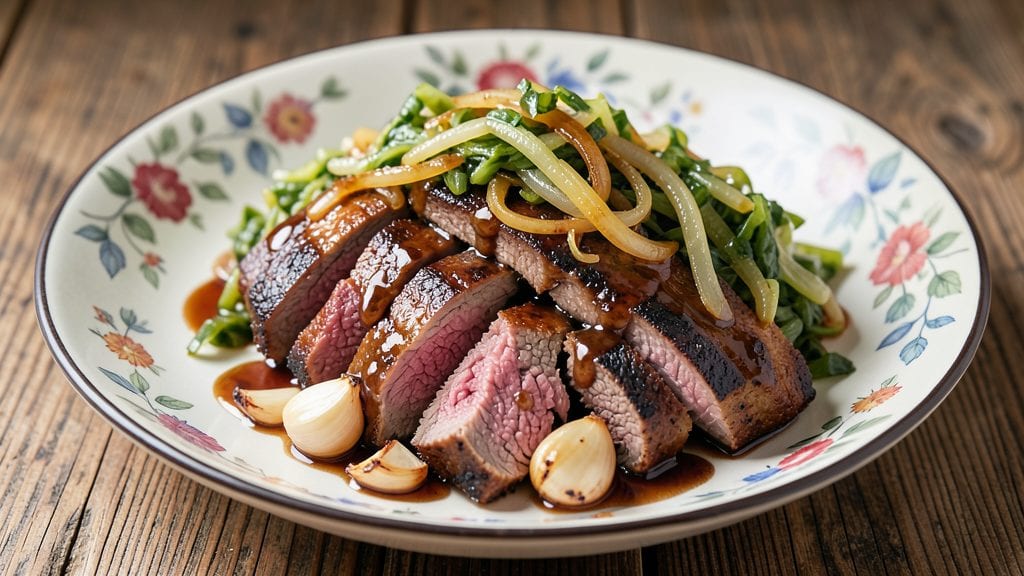
This beef brisket and sauerkraut recipe delivers the perfect balance of slow-braised tenderness and tangy crunch that transforms a simple meal into a showstopper.
The secret lies in cooking the brisket low and slow until it practically falls apart, then pairing it with sauerkraut that adds a bright, fermented contrast to the rich, beefy flavors.
After years of perfecting this dish, I've found the right combination of spices and cooking time to ensure melt-in-your-mouth texture every time.
The beauty of this recipe is its simplicity once you understand the key techniques. You'll start with a well-seasoned brisket that develops a deep, caramelized crust while staying tender inside, thanks to precise temperature control.
The sauerkraut, whether served raw for crunch or lightly warmed to mellow its tang, provides that essential acidity that cuts through the richness of the beef. This dish is hearty enough for a family dinner but impressive enough for company.
What you'll end up with is a plate that's visually stunning and packed with flavor—juicy, shredded brisket with crisp edges, served alongside sauerkraut that adds both texture and brightness. The combination of slow-cooked beef and fermented cabbage creates a harmony that's both comforting and sophisticated.
Serve with roasted potatoes or crusty bread to soak up every last bit of that delicious sauce. This recipe is designed to impress without requiring hours in the kitchen.
The best part? Leftovers reheat beautifully, making this an ideal meal for prep-ahead cooking. Whether you're feeding a crowd or treating yourself to a special dinner, this beef brisket and sauerkraut recipe delivers restaurant-quality results at home.
Let's get started on creating a meal that will have everyone asking for seconds.
Ingredients for beef brisket and sauerkraut
Six core ingredients transform into a showstopper brisket that melts in your mouth with every bite of tangy sauerkraut.
| Ingredient | Amount | Notes |
|---|---|---|
| Beef Brisket 🥩 | 4 lb | Flat-cut, well-marbled preferred |
| Yellow Onions 🧅 | 2 whole | Yellow or red, sliced thick |
| Garlic Cloves 🧄 | 8 cloves | Peeled, smashed slightly |
| Sauerkraut 🥬 | 2 cups | Unopened jar, drained |
| Beef Broth 💧 | 2 cups | Low-sodium preferred |
| Apple Cider Vinegar 🍎 | ¼ cup | For tangy depth |
| Brown Sugar 🍬 | ½ cup | Light or dark |
| Worcestershire Sauce 🍶 | 2 tbsp | Full-strength preferred |
| Dijon Mustard 🌶️ | 1 tbsp | For subtle heat |
| Black Peppercorns 🌶️ | 1 tbsp | Freshly cracked |
| Bay Leaves 🍃 | 2 whole | For aromatic depth |
| Kosher Salt 🧂 | 1 ½ tbsp | For seasoning and curing |
| Olive Oil 🫒 | 2 tbsp | For searing |
| Russet Potatoes 🥔 | 2 lb | For serving, cubed |
The brisket is non-negotiable—flat-cut with good marbling is key for that fall-apart texture. Costco or local butchers usually have the best cuts; ask for it trimmed but not pre-sliced. I always grab mine a day ahead to let it sit at room temp before cooking (the good stuff, not the pre-shredded kind). For the sauerkraut, Bubbies or Rehr's from the refrigerated section are my go-tos—they've got that perfect tang without being overpowering. If you're using frozen sauerkraut, thaw and drain it well before adding to the brisket.
No apple cider vinegar? White vinegar or lemon juice works in a pinch, but you'll lose some of that deep, caramelized flavor. Running short on beef broth? Water plus 1 tbsp soy sauce gets you close, though the umami won't be as rich. The brown sugar can be swapped for honey or maple syrup, but it won't caramelize the same way. For the potatoes, Yukon Golds hold up better to roasting than Russets, but either works. And if you're feeling fancy, toss those potatoes in a little thyme and garlic powder before roasting—they'll be worth the extra minute.
This brisket reheats like a dream—3-4 days in the fridge, 3 months frozen. I always make extra because it's that good. Store it in the juices it's braised in, and reheat gently in a skillet with a splash of broth. The sauerkraut? Keeps 2 weeks unopened in the fridge, but once you open it, use it within 5 days. For leftovers, I like to slice the brisket thin and serve it on rye bread with mustard and sauerkraut—like a fancy Reuben sandwich. The potatoes? Roast a big batch and freeze half for lazy weeknights.
Why You'll Love This Recipe
- One-Pot Magic: The brisket and sauerkraut practically cook themselves—just brown the meat, toss in the onions and garlic, then let the slow simmer do the work. No flipping pans, no fussing over sauces.
- Game for Any Gathering: Serve it on a cold night with crusty bread, or pack it for a picnic—it’s hearty enough for a family dinner but still feels special enough for guests. (Yes, even on a Tuesday night.)
- Leftovers That Don’t Suck: The flavors actually get better the next day—perfect for meal prep. I’ll make a double batch, freeze half, and still have enough for sandwiches or a quick reheat when I’m too tired to cook.
Step-by-step instructions for slow-braised beef brisket with sauerkraut
Here's how to transform tough brisket into melt-in-your-mouth perfection with tangy sauerkraut.
Prepare the Brisket for Maximum Flavor
Begin by trimming any excess fat from the 4 lb beef brisket, leaving about ¼ inch. Pat the surface completely dry with paper towels - this ensures a better sear later. In a small bowl, combine the 1.5 tbsp kosher salt, 1 tbsp freshly cracked black peppercorns, and 2 tbsp worcestershire sauce. Rub this mixture all over the brisket, pressing it into the meat so it penetrates deeply. Place the seasoned brisket on a plate and let it sit at room temperature for 1 hour.
While the brisket rests, peel and smash the 8 cloves garlic cloves with the flat side of your knife. Thinly slice the 2 whole yellow onions into even rounds. The garlic will infuse the brisket with aromatic depth, while the onions will sweeten as they cook. Keep these ingredients nearby - you'll use them soon.
Sear the Brisket for Deep Flavor
Heat a large Dutch oven over medium-high heat until it's very hot. Add the 2 tbsp olive oil and let it shimmer for 1 minute. Place the brisket fat-side down in the pot and sear for 5 minutes without moving it. This creates a flavorful crust that locks in juices. Flip the brisket and sear the other side for another 5 minutes until deeply browned.
Remove the brisket from the pot and set it aside on a plate. In the same pot, add the sliced onions and cook for 5 minutes until softened. Add the smashed garlic cloves and cook for 30 seconds until fragrant. This step builds layers of flavor that will meld beautifully with the brisket during the long braise.
Build the Braising Liquid
Return the brisket to the Dutch oven, fat-side up. Add the 2 cups sauerkraut, spreading it evenly around the brisket. Pour in the 2 cups beef broth, 0.25 cup apple cider vinegar, and 0.5 cup brown sugar. Stir in the 1 tbsp dijon mustard and add the 2 whole bay leaves. The vinegar adds tangy brightness while the brown sugar caramelizes for depth.
Bring the liquid to a simmer over medium heat, then reduce heat to low. Cover the pot and let it cook for 3 hours. The brisket will release its own juices, creating a rich braising liquid. Check occasionally to ensure there's always some liquid covering the meat - if it gets too low, add a splash of water.
Finish the Brisket and Prepare the Potatoes
After 3 hours, remove the lid and increase heat to medium. Simmer uncovered for 30 minutes to reduce the sauce slightly and develop more flavor. The brisket should be fork-tender with a rich sauce coating it. Transfer the brisket to a cutting board and tent loosely with foil to rest for 15 minutes.
While the brisket rests, peel and cube the 2 lb russet potatoes into 1-inch pieces. In a separate pot, boil the potatoes for 10 minutes until just tender. Drain and set aside. The potatoes will absorb the delicious braising juices when served, creating a complete meal.
Serve with Tangy Crunch
After resting, slice the brisket against the grain into ¼-inch thick pieces. Return the sliced brisket to the Dutch oven with the braising liquid and heat through gently. Spoon the brisket and sauce over the boiled potatoes, topping each portion with extra sauerkraut for that signature tangy crunch.
Serve immediately with the potatoes soaking up all that rich, tangy sauce. Each bite delivers perfectly tender brisket, sweet onions, aromatic garlic, and the bright tang of sauerkraut. This dish tastes even better the next day as the flavors continue to meld.
Pro Tips For Making Beef Brisket And Sauerkraut
- Sear the Brisket First: Don’t skip the high-heat sear—this isn’t just for show. A quick 3–4 minute sear on all sides in a screaming-hot pan (with just enough oil to coat) locks in flavor and gives you that deep, caramelized crust. I used to skip it and wonder why my brisket tasted flat.
- Rinse the Sauerkraut: That tangy sauerkraut? Rinse it first. The brine clings to the cabbage like glue and can make your dish waterlogged or overly salty. Dump it in a colander, run cold water over it for 30 seconds, then squeeze out excess moisture—this keeps your sauce from turning into a sad, watery mess.
- Braise Low and Slow: Start with a boil, but then drop the heat to a simmer—this is where the magic happens. After searing the brisket, toss in the onions and garlic, pour in the broth, and let it cook covered for 2–3 hours at a gentle simmer (around 160°F). Rushing this turns your brisket into rubber.
- Add Sauerkraut Late: I learned this the hard way—dumping sauerkraut in early makes it mushy and loses its crisp texture. Wait until the last 30 minutes of cooking to add it, then stir it in gently so it soaks up the flavors without breaking down. Trust me, the contrast of tender brisket with bright, crunchy kraut is worth it.
Health benefits of this recipe
Protein Powerhouse
Beef brisket delivers an impressive 26 grams of protein per 3-ounce serving, making it a perfect choice for muscle repair and satiety. The slow-braised method preserves all the muscle-building benefits while breaking down tough connective tissue into gelatin, which aids digestion and gut health.
I always double-check my portion sizes to ensure I'm getting that protein punch without overindulging in fat. 💪
Fermented Benefits
The sauerkraut adds a probiotic boost with live cultures that support gut health and digestion. Just ½ cup of sauerkraut provides about 1 billion CFU (colony-forming units) of beneficial bacteria. These probiotics help maintain a healthy gut microbiome, which is linked to improved immunity and even better mood regulation.
I like to serve it raw for maximum probiotic benefits, but lightly warmed works too.
Rich in Iron
Brisket is an excellent source of heme iron, the most easily absorbed form of iron in our diet. A 6-ounce serving provides about 30% of your daily iron needs, which helps prevent fatigue and supports oxygen transport in your blood.
Pairing it with vitamin C-rich sides (like roasted potatoes) enhances iron absorption even further. This makes the dish particularly beneficial for anyone with low iron levels or active lifestyles.
Low-Fat Option
While brisket does contain fat, the slow-cooking process allows much of it to render out, creating a more balanced meal. A 4 lb brisket yields about 15 grams of fat per 3-ounce serving after cooking, which is moderate compared to other red meats.
The sauerkraut adds volume and fiber without any additional fat, making this a satisfying yet balanced option for those watching their fat intake. I always trim excess fat before cooking to keep it even leaner.
Vitamin B Complex
This dish provides a complete B vitamin complex, including B12, B6, and niacin, all of which play crucial roles in energy metabolism and nervous system function. The beef contributes these nutrients, while the sauerkraut adds vitamin K and small amounts of other B vitamins.
Together, they create a powerhouse meal that supports both physical performance and mental clarity. I notice I have more stable energy levels when I include this dish in my weekly meals.
Antioxidant Boost
The apple cider vinegar and sauerkraut both contribute antioxidant properties that help combat oxidative stress in the body. The vinegar contains acetic acid, while the fermented cabbage provides compounds like vitamin C and polyphenols.
These antioxidants work together to reduce inflammation and support overall cellular health. The combination of these ingredients makes this dish not just delicious, but also a nutritious choice for long-term health. 💛
Nutrition facts
Frequently asked questions
Can I use a different cut of beef instead of brisket?
While brisket is ideal for this recipe, you can substitute with chuck roast or short ribs for similar results. These cuts have good marbling and become tender when slow-cooked. For best texture, avoid leaner cuts like sirloin—they won't break down as nicely. Adjust cooking time if needed, checking for doneness at 203°F internal temp.
How do I know when the brisket is fully cooked?
The brisket is done when it reaches an internal temperature of 203°F in the thickest part. Use a meat thermometer inserted into the center—this ensures the connective tissue has fully broken down for that melt-in-your-mouth texture. If it's slightly under, continue cooking covered with a splash of broth to prevent drying.
Should I serve the sauerkraut raw or cooked?
Both work! For maximum tang and crunch, serve it raw on top. If you prefer a milder flavor, warm it with the brisket for 10-15 minutes—this softens it slightly while keeping its probiotic benefits. Just avoid boiling, as that can kill the good bacteria. A mix of both textures makes the dish even more dynamic.
What's the best way to reheat leftovers?
Reheat brisket leftovers in the same Dutch oven with a splash of beef broth or water over low heat until warmed through. For sauerkraut, simply warm it in a separate pan for 2-3 minutes—no need to overcook. The dish actually tastes better the next day as flavors meld further. Store leftovers in an airtight container for up to 4 days.
Can I make this dish in a slow cooker?
Sear the brisket first, then transfer it to your slow cooker with all ingredients. Cook on low for 8 hours or high for 5 hours. The slow cooker's gentle heat works perfectly for tenderizing the meat. Just skip the final uncovered simmer—serve directly from the pot for maximum flavor retention.