
Main Courses
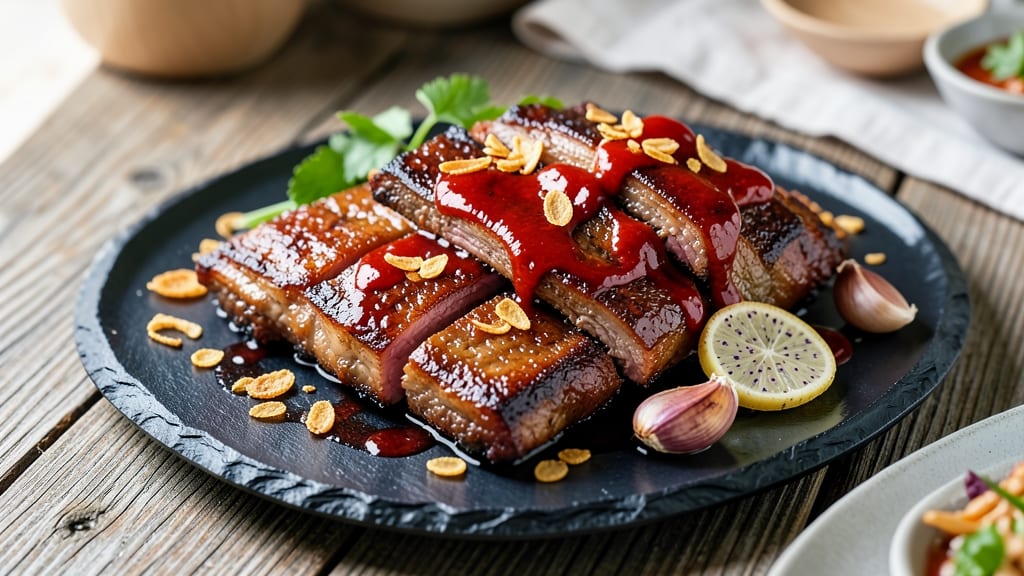
This Korean beef back ribs recipe transforms tough meat into melt-in-your-mouth perfection with a smoky gochujang glaze that clings to every bone. 🔥 After years of perfecting the balance between sweet, spicy, and umami, I've developed a marinade that tenderizes even the most stubborn ribs while building layers of flavor that carve into the bone.
The secret lies in the marinade's combination of soy sauce, brown sugar, and garlic, which works overnight to break down the connective tissue.
What sets these ribs apart is the dual-cooking method: starting with a high-heat sear to lock in juices, then finishing with a slow braise that renders fat and deepens flavors. This approach delivers restaurant-quality results without requiring a smoker or specialized equipment—just your oven and a little patience.
The gochujang glaze, brushed on during the final stages, creates that signature caramelized crust while keeping the meat tender.
By the time you serve these ribs, you'll have a dish that's rich, smoky, and perfectly balanced—with a glaze that's sticky enough to drip but not so sweet it overpowers the beef's natural flavor.
The aroma alone will have everyone gathering at the table, and each bite delivers that perfect harmony of sweet, spicy, and savory that defines Korean BBQ.
Serve these ribs over steamed rice with a side of quick-pickled vegetables or a simple kimchi banchan to complete the meal. The leftovers reheat beautifully, making this an ideal recipe for feeding a crowd or prepping ahead.
Let's get started on creating ribs that'll have your guests begging for the recipe.
Ingredients for beef back ribs recipe korean
Four pounds of meaty ribs plus bold flavors for a dish that'll have everyone begging for seconds.
| Ingredient | Amount | Notes |
|---|---|---|
| Beef Back Ribs 🥩 | 4 lb | Bone-in, meaty sections preferred |
| Gochujang Paste 🌶️ | ½ cup | Korean fermented chili paste |
| Soy Sauce 🥫 | ½ cup | Korean or Japanese preferred |
| Brown Sugar 🍯 | ½ cup | Light or dark, packed |
| Garlic Cloves 🧄 | 8 cloves | Minced for marinade |
| Fresh Ginger 🌿 | ½ cup | Finely grated, peeled |
| Sesame Oil 🫒 | 1 tbsp | Toasted for aroma |
| Rice Vinegar 🍶 | ¼ cup | White or seasoned |
| Honey 🍯 | 2 tbsp | Wildflower preferred |
| Vegetable Oil 🫒 | ¼ cup | High smoke point |
| Green Onions 🧅 | 3 whole | Sliced, for garnish |
| Sesame Seeds 🌰 | 1 tbsp | Toasted for crunch |
| Salt 🧂 | 1 ½ tsp | Kosher or sea salt |
| Black Pepper 🌶️ | 1 tsp | Freshly ground |
| Asian Pearl Onions 🧅 | 4 whole | Sliced for quick-pickled veggies |
The ribs are the star, so look for meaty back ribs with good marbling—avoid those skinny ones. Costco or local butchers usually have the best selection, but regular grocery stores carry them too. If you're buying frozen, thaw overnight in the fridge. The gochujang? Mae Mun or Dae Yang are my go-tos—they've got that perfect balance of heat and sweetness. Grab a small jar unless you're making this often. Fresh ginger and garlic are non-negotiable here—they make all the difference in flavor.
No gochujang? Mix 2 tbsp sriracha with 1 tbsp honey and 1 tbsp soy sauce as a pinch-hitter. Running low on sesame oil? Toasted sesame seeds ground into oil works in a pinch. The rice vinegar adds brightness, but apple cider vinegar in a 1:1 swap keeps things balanced. For the quick-pickled onions, slice them thin and toss with 1 tbsp vinegar, 1 tsp sugar, and a pinch of salt—let sit 15 minutes before serving. The onions should be crisp but slightly softened.
Marinated ribs keep 3 days in the fridge—use that time to let flavors meld. The cooked ribs reheat beautifully—350°F for 15 minutes wrapped in foil. For leftovers, store in an airtight container with a little extra glaze to keep them moist. Freeze for up to 3 months by wrapping tightly in plastic wrap before bagging. The glaze thickens when chilled, so stir in a splash of water before reheating. Trust me, these ribs taste even better the next day.
Why You'll Love This Recipe
- I’ll be real: most rib leftovers are sad. Not these. The sauce clings to the meat, so reheating is a breeze—just a quick broil or microwave, and they taste like you just pulled them from the oven. (Yes, even on a Tuesday night.)
- Five-Ingredient Magic: I swear, this recipe keeps it stupid simple—just ribs, gochujang, soy, sugar, and garlic. No fancy marinades or last-minute shopping runs. Honestly, the sauce comes together in one bowl while the ribs sear, and that’s it.
- Sweet-Spicy Crunch: That caramelized brown sugar glaze? It’s ridiculously good—sticky, slightly crispy edges with a slow-cooked tenderness inside. The gochujang brings the heat, but the soy and garlic keep it balanced so it’s never overpowering.
- Weeknight or Party: Between us, these ribs work for everything. Toss them on the grill for a summer BBQ, slow-cook them in the oven for a lazy Sunday, or even prep the sauce ahead for a last-minute dinner. My college friends still ask for the recipe—it’s that reliable.
Step-by-step instructions for Korean-inspired beef back ribs
Turn tough ribs into melt-in-your-mouth perfection with this smoky-sweet glaze.
👨🍳 Step 1: Prep the Ribs and Quick-Pickle the Onions
Start by slicing the 4 whole Asian pearl onions into quarters. Toss them in a bowl with 0.25 cup rice vinegar, 1 tbsp sesame oil, and 1 tsp salt. Let them marinate while you prep the ribs—this keeps them crisp and adds tangy brightness to each bite.
Pat the 4 lb beef back ribs completely dry with paper towels. This step is non-negotiable—moisture prevents the glaze from sticking and creates steam instead of that coveted caramelized crust. Use your hands to rub the ribs with 1.5 tsp salt and 1 tsp black pepper, pressing the seasoning into the meaty sections and bone crevices.
🍳 Step 2: Build the Gochujang Glaze
In a large bowl, whisk together 0.5 cup gochujang paste, 0.5 cup soy sauce, 0.5 cup brown sugar, 2 tbsp honey, 8 cloves minced garlic, and 0.5 cup finely grated fresh ginger. This is where the magic happens—the gochujang's fermented heat meets sweetness, creating a complex sauce that'll cling to every bone.
Let the glaze sit for 10 minutes while you heat your oven. This resting time allows the ingredients to meld, developing deeper flavor. You'll notice the mixture darken slightly and become glossy—this is your cue that it's ready to coat those ribs.
🔥 Step 3: Sear and Glaze the Ribs
Preheat your oven to 275°F—low and slow is key for tenderizing these tough cuts. Heat 0.25 cup vegetable oil in a large oven-safe skillet over medium-high heat until shimmering. Add the ribs in a single layer and sear for 3-4 minutes per side until deeply browned. Don't rush this—you want that Maillard reaction happening on every surface.
Once browned, remove the ribs from the pan and brush both sides generously with the prepared glaze. Return them to the skillet and transfer to the oven. Bake for 2 hours, basting with additional glaze every 30 minutes. The ribs are done when they're fork-tender and the glaze has thickened into a sticky, caramelized crust.
🥘 Step 4: Finish with Crispy Garnishes
Remove the ribs from the oven and let them rest for 10 minutes on a wire rack. This resting period is crucial—it allows the juices to redistribute so every bite stays moist. While they rest, drain and pat dry the quick-pickled Asian pearl onions, then toss them with 1 tbsp toasted sesame seeds.
Slice the 3 whole green onions into 1-inch pieces and lightly toast them in a dry skillet over medium heat for 1 minute until fragrant. Arrange the ribs on a platter, drizzle with any remaining glaze from the pan, and scatter the toasted onions and pickled pearl onions on top. The contrast of crispy, tangy, and sweet elements makes this dish unforgettable.
Pro Tips For Making Beef Back Ribs Recipe Korean
- SEAR FIRST, LOW AND SLOW: The ribs need that initial crust—don’t skip the high-heat sear in oil before braising. After browning, drop the heat to 275°F (135°C) and let them cook uncovered for the first hour. I learned this the hard way when my ribs turned out mushy instead of tender.
- BLEND GOCHUJANG WITH GARLIC: Mash the garlic cloves into a paste with the gochujang before adding other ingredients. This ensures even distribution and deeper flavor infusion—no more clumps of raw garlic lurking in your sauce. (Yes, even if you’re impatient like me.)
- SKIP THE BOILING WATER BATH: If your ribs are bone-in, resist the urge to submerge them in water during cooking. The natural collagen will render perfectly on its own at low heat—adding liquid just dilutes the sauce and makes the meat soggy. Trust the process.
- PREP BROWN SUGAR IN ADVANCE: Dissolve the brown sugar in a splash of water (about 2 tablespoons) before mixing it into the sauce. This prevents grainy clumps and helps it caramelize smoothly during cooking. I skip this when I’m lazy, but the sauce is noticeably better when I don’t.
Best sauces and condiments for this dish
Gochujang Glaze Mastery
This gochujang glaze is the soul of your ribs—where fermented heat meets caramelized sweetness. I like to thicken it slightly by simmering it for 5 minutes on the stove before brushing on the ribs.
This creates a sticky, caramelized crust that clings to every bone. For extra depth, add 1 tbsp toasted sesame oil to the glaze while it simmers—it adds a nutty aroma that elevates the dish. 🌶️
If you prefer a less spicy version, reduce the gochujang to ¼ cup and add 1 tbsp honey to balance the heat. For extra richness, stir in 1 tbsp melted butter at the end—it adds a luxurious finish.
Trust me, the glaze tastes even better the next day as the flavors meld together.
Quick-Pickled Onions
These crisp, tangy onions cut through the richness of the ribs beautifully. I slice Asian pearl onions into ¼-inch rounds and marinate them in rice vinegar for 15 minutes before serving. For a sweeter touch, add 1 tsp sugar to the vinegar.
If you're short on time, green onions work in a pinch—just slice them thin and toss with 1 tsp vinegar and a pinch of salt. 🧅
For a spicy kick, add ½ tsp gochugaru (Korean red pepper flakes) to the pickling liquid. The heat will complement the ribs perfectly. Store any leftovers in an airtight container in the fridge for up to 5 days—they’re great on tacos or sandwiches too!
Sesame Oil Finish
A drizzle of toasted sesame oil at the end adds a nutty, aromatic touch that ties everything together. I like to heat 1 tbsp sesame oil in a small pan until fragrant, then drizzle it over the ribs just before serving.
For extra crunch, sprinkle with toasted sesame seeds—they add texture and a subtle earthy flavor. 🌰
If you don’t have sesame oil, toasted sesame seeds alone work well. Just toast them in a dry pan for 1-2 minutes until golden and sprinkle generously. This step is optional but makes a huge difference in the final presentation.
Extra Sauce Ideas
For a dipping sauce, mix 2 tbsp gochujang with 1 tbsp soy sauce, 1 tbsp honey, and 1 tsp rice vinegar. Thin with a splash of water if needed. This sauce is perfect for soaking up any leftover glaze on the plate. 🥄
If you love umami, stir 1 tbsp fish sauce into the glaze before brushing it on the ribs. It adds a savory depth that pairs beautifully with the sweet-spicy flavors. For a herbaceous note, garnish with fresh cilantro or Thai basil—it brightens up the dish.
Nutrition facts
Frequently asked questions
Can I substitute pork ribs for beef back ribs in this recipe?
While pork ribs will work, the cooking time and tenderness will differ. Beef back ribs have more connective tissue that benefits from the long braise, while pork ribs cook faster and might become too tender. If using pork, reduce oven time to 1.5 hours and check for doneness earlier.
How do I adjust the spice level in the gochujang glaze?
For less heat, reduce gochujang to ¼ cup and add 1 tbsp honey to balance. For extra spice, increase to ⅔ cup and add ½ tsp gochugaru (Korean chili flakes). Always taste before applying to ribs—you can adjust while cooking.
What's the best way to reheat leftover Korean beef back ribs?
Wrap ribs in foil with a splash of water and reheat at 350°F for 15 minutes. For extra moisture, brush with a little extra glaze before reheating. Avoid microwaving—it makes the meat dry. These ribs actually taste better the next day as flavors meld!
Can I make this recipe without gochujang?
Yes! Mix 2 tbsp sriracha with 1 tbsp honey and 1 tbsp soy sauce as a substitute. For deeper flavor, add ½ tsp smoked paprika to mimic gochujang's complexity. The glaze will be less fermented but still delicious.
What sides pair best with these Korean beef ribs?
Steamed jasmine rice absorbs all the glaze beautifully. Add kimchi for tangy contrast, quick-pickled cucumbers for freshness, or a simple cucumber salad. For a heartier meal, serve with mandu (Korean dumplings) or steamed bok choy.