
Soups & Stews
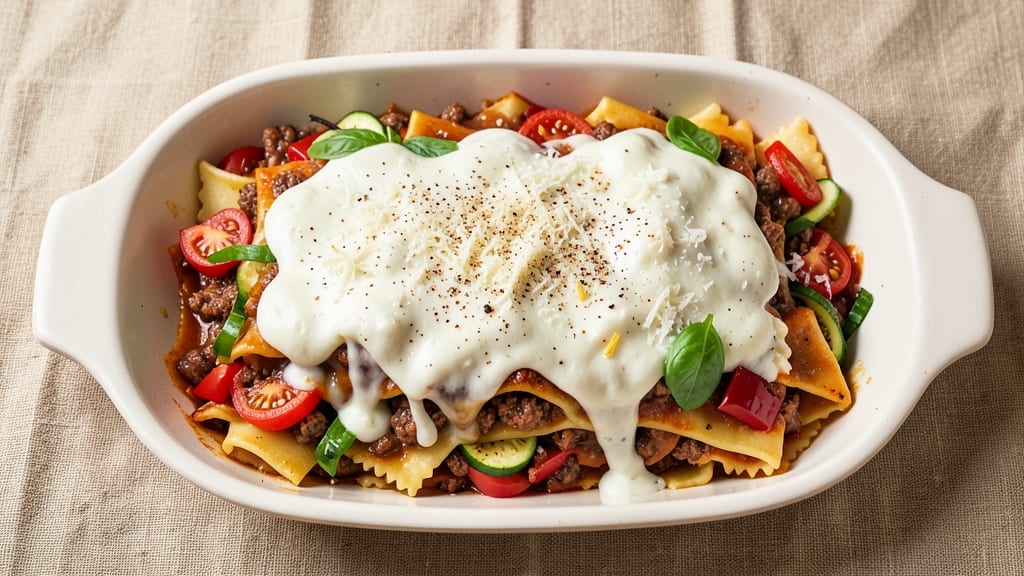
This beef and veg lasagna recipe delivers the ultimate comfort food experience—rich layers of savory ground beef, tender vegetables, and melted cheese crowned with a perfectly crispy top edge. The secret to achieving that signature golden crust lies in a precise baking technique that transforms simple ingredients into restaurant-quality results.
I've perfected this method over years of testing, ensuring every bite delivers the perfect balance of flavors and textures.
The foundation begins with properly browning the ground beef to develop deep, meaty flavors, then sautéing a mix of seasonal vegetables like spinach, zucchini, and bell peppers for vibrant color and texture. A robust tomato-based sauce ties everything together, while layered lasagna noodles (or gluten-free alternatives) create the signature structure.
The key to that crispy top isn't just cheese—it's a combination of high heat and proper baking time that creates the perfect contrast to the creamy layers below.
What you'll end up with is a lasagna that's hearty enough for a family dinner but impressive enough for company. The beef remains tender, the vegetables stay vibrant, and the cheese forms that coveted golden crust that everyone reaches for first.
This recipe builds on traditional techniques while offering flexibility for modern adaptations like white sauce variations or different vegetable combinations.
Whether you're making it for a weeknight dinner or a special occasion, this lasagna delivers on both comfort and presentation.
Let's get started with the step-by-step instructions that will guide you through every layer and ensure your lasagna comes out of the oven looking and tasting like it belongs on a restaurant menu.
Ingredients for beef and veg lasagna
Sixteen essential ingredients for lasagna that's restaurant-worthy at home—crispy top guaranteed.
| Ingredient | Amount | Notes |
|---|---|---|
| Ground Beef (80% lean) 🥩 | 1 ½ lb | Browned and drained of fat |
| Lasagna Noodles 🍝 | 12 pieces | No-boil or pre-cooked preferred |
| Ricotta Cheese 🧀 | 1 ½ cups | Full-fat for creaminess |
| Mozzarella Cheese (shredded) 🧀 | 3 cups | Part-skim for best melt |
| Parmesan Cheese (grated) 🧀 | 1 cup | Freshly grated from block |
| Marinara Sauce 🍅 | 2 ½ cups | Homemade or quality jarred |
| Spinach (fresh, chopped) 🌿 | 5 oz | Wilted and drained |
| Zucchini (grated) 🥒 | 1 ½ cups | Freshly grated, no moisture |
| Bell Peppers (red, diced) 🌶️ | 1 ½ cups | Fresh, vibrant color |
| Onion (yellow, diced) 🧅 | 1 ½ cups | Finely chopped for even cooking |
| Garlic Cloves (minced) 🧄 | 4 cloves | Freshly minced for aroma |
| Eggs (beaten) 🥚 | 2 whole | Room temperature for blending |
| Olive Oil 🫒 | 2 tbsp | Extra-virgin for richness |
| Salt 🧂 | 1 ½ tsp | Diamond Crystal preferred |
| Black Pepper 🌶️ | 1 tsp | Freshly ground for heat |
| Dried Oregano 🍃 | 1 tsp | Italian variety preferred |
The beef is where flavor starts. Ground chuck gives you that rich, meaty taste—80% lean is ideal for juiciness. Grab it from the butcher counter if possible, or the pre-packaged Costco Kirkland brand works perfectly. Look for bright red color and good marbling. The ricotta? Full-fat is non-negotiable—it's what makes the filling creamy. I always buy mine in 15-ounce tubs from the dairy case, not the pre-ricotta mixes. For the cheese, part-skim mozzarella melts better than whole milk, and Parmigiano-Reggiano is worth the splurge for that umami punch.
No fresh spinach? Frozen works just as wellwell-drained—wrap it in a towel and squeeze out excess moisture. For the garlic, roasted cloves add a sweet depth, but fresh minced is classic. Marinara sauce? Rao's or Muir Glen are my go-tos if I'm short on time. Need a quick swap? Crushed tomatoes with Italian seasoning gets you close. The eggs should be room temperature when you beat them—blends smoother into the ricotta mixture.
Prep ahead to save time. The ricotta-egg mixture keeps for 2 days in the fridge, and the sauce can be made 3 days ahead. Assemble the lasagna up to 24 hours early—just cover tightly and refrigerate. The noodles? If using regular lasagna noodles, parboil for 2 minutes to soften them slightly before assembling. This lasagna reheats beautifully—350°F for 20-25 minutes until bubbly and golden. Leftovers keep for 4 days in the fridge or 3 months frozen. Freeze in portions for easy lunches.
Why You'll Love This Recipe
- No-Fuss Assembly: I swear by the layering trick here—just brown the beef with garlic and onions, mix in ricotta and a pinch of nutmeg, then alternate noodles, sauce, and cheese. It’s the kind of recipe where you don’t need to be a chef to pull it off.
- Rich Layered Texture: That creamy ricotta base with melty mozzarella on top? It’s the perfect contrast—soft, gooey, and just crispy enough on the edges. The 80% lean beef keeps it hearty without being greasy, and the parmesan on top ties everything together like a hug.
- Meal Prep MVP: Honestly, this is my go-to for busy weeks. Assemble it ahead, refrigerate overnight, then bake when you’re ready—no one will guess it wasn’t made fresh. Leftovers? Even better the next day, if that’s possible.
- Budget-Friendly Feast: Ground beef and ricotta stretch far, and you’re not sacrificing flavor. A single pan, minimal ingredients, and enough servings to feed the whole family without breaking the bank. (Yes, even on a Tuesday night.)
Step-by-step instructions for beef and vegetable lasagna
This layered masterpiece delivers restaurant-quality texture—crispy edges, tender beef, and perfectly melted cheese.
Brown the Ground Beef and Sauté the Vegetables
Heat the 2 tablespoons olive oil in a large skillet over medium-high heat. Add the 1.5 pounds ground beef (80% lean) and cook, breaking it apart with a wooden spoon, until it loses its raw color and begins to brown—about 5-7 minutes. Drain all but 1 tablespoon of the rendered fat.
Add the 1.5 cups diced onion, 1.5 cups diced red bell peppers, and 1.5 cups grated zucchini to the skillet. Cook for 5 minutes until the vegetables soften and release their moisture. Stir in the 4 cloves minced garlic, 1 teaspoon dried oregano, 1.5 teaspoons salt, and 1 teaspoon black pepper, cooking for another 1 minute until fragrant. Transfer the mixture to a bowl and set aside.
Prepare the Cheese Mixture
In a separate bowl, combine the 1.5 cups ricotta cheese, 2 whole beaten eggs, ½ cup grated Parmesan cheese, ½ teaspoon salt, and ½ teaspoon black pepper. Mix until smooth and well incorporated. This mixture will create a creamy, rich layer between the lasagna noodles.
Fold in the 5 ounces chopped spinach and the cooked beef-vegetable mixture. Stir gently to distribute evenly without overmixing. The spinach will wilt further as it warms, adding moisture and nutrients to the filling.
Assemble the Lasagna Layers
Preheat your oven to 375°F. Spread ½ cup marinara sauce on the bottom of a 9x13-inch baking dish. Arrange 4 lasagna noodles (no-boil or pre-cooked) in a single layer, slightly overlapping if needed. Spread half of the ricotta-beef mixture evenly over the noodles.
Sprinkle 1 cup shredded mozzarella cheese over the ricotta mixture, followed by another ½ cup marinara sauce. Repeat the layering—noodles, remaining ricotta mixture, another 1 cup mozzarella, and the final ½ cup marinara. Top with the remaining 8 lasagna noodles, ensuring they cover the entire dish.
Bake to Golden Perfection
Cover the lasagna tightly with aluminum foil and bake for 30 minutes. Remove the foil and sprinkle the remaining 2 cups shredded mozzarella cheese and ½ cup grated Parmesan cheese evenly over the top. Return to the oven, uncovered, and bake for an additional 15-20 minutes until the cheese is deep golden brown and bubbly.
For that crispy edge you crave, broil for 2-3 minutes at the end—watch closely to avoid burning. Let the lasagna rest for 10 minutes before slicing. This resting period ensures clean cuts and prevents the filling from sliding out. Serve warm with a side of garlic bread and a crisp green salad.
Pro Tips For Making Beef And Veg Lasagna
- COOK THE BEEF LOW: I learned this the hard way—80% lean ground beef dries out fast on high heat. Keep it at a steady simmer (325°F/160°C) until it’s fully browned but still moist, then drain most of the fat. Too much grease swimming in your sauce later will make the lasagna soggy, and nobody wants that.
- SALT THE RICOTTA: Ricotta’s bland by nature, and unsalted versions are a trap. Mix in ½ teaspoon of salt per 8 oz (225g) of ricotta before layering—it blends in perfectly and cuts through the richness. I used to skip this, and the dish always felt flat until I started.
- DON’T OVERLAYER THE CHEESE: Three layers of cheese (ricotta, mozzarella, parmesan) are plenty—more just means a greasy, rubbery mess. Sprinkle mozzarella lightly between noodles and parmesan sparingly on top. Trust me, your lasagna won’t need extra cheese to shine.
- BAKE UNTIL CRUSTY: Cover the lasagna with foil for the first 20 minutes, then uncover and crank the oven to 425°F (220°C) for the last 10. That high heat turns the top golden and crispy—no soggy noodles here. I used to walk away too soon, and the result was always sad.
Make-ahead tips for this recipe
Prep Ahead Strategy
Assemble your lasagna up to 24 hours before baking—this is where meal prep shines! Store the assembled dish in an airtight container (I use Rubbermaid Brilliance containers) in the fridge. The flavors meld beautifully overnight, and you'll save 30 minutes of prep day-of.
Just bake straight from the fridge at 375°F for 5-10 extra minutes to account for the cold start.
Cheese Mixture Make-Ahead
The ricotta-egg mixture can be prepped 2 days ahead and stored in a sealed container. I cover mine with plastic wrap pressed directly on the surface to prevent a skin from forming.
The spinach and beef-vegetable mixture should be added fresh before assembling to maintain vibrant color and texture. When ready to assemble, simply combine these fresh components with your pre-made cheese base.
Sauce Prep Timeline
Marinara sauce keeps for 3 days in the fridge or 3 months in the freezer. I double the recipe and freeze half in silicone ice cube trays—perfect portions for future lasagnas or pasta dishes.
For best results, thaw overnight in the fridge before using. The sauce should be at room temperature when assembling to prevent condensation between layers.
Freezing Fully Assembled
For ultimate convenience, freeze your fully assembled lasagna (before baking) in a heavy-duty freezer bag. Squeeze out excess air and lay it flat to save space. When ready to bake, thaw overnight in the fridge, then bake as directed—add 10-15 extra minutes to the baking time.
The texture remains excellent, though the top may need slightly more browning time after thawing.
Reheating Leftovers
Lasagna reheats best in the oven at 350°F for 20-25 minutes covered with foil. For microwave reheating, cover with a damp paper towel and heat in 1-minute intervals on 70% power until reaching 165°F internally. Add 1-2 tablespoons water or beef broth if the lasagna appears dry during reheating.
Portioning for Meal Prep
Divide baked lasagna into 4-6 portions using a sharp knife or pizza cutter. Store in glass Pyrex containers with tight-fitting lids for up to 4 days in the fridge. For freezing, wrap individual portions in plastic wrap before placing in freezer bags.
This prevents freezer burn and makes it easy to grab just what you need for lunches or dinners. 💫
Nutrition facts
Frequently asked questions
Can I use regular lasagna noodles instead of no-boil?
Yes, but you'll need to par-cook them first! Boil regular lasagna noodles for 2 minutes (not fully cooked), then drain and rinse with cold water. This prevents a gummy texture. The par-cooked noodles will soften further during baking while maintaining structure. Pro tip: Toss them with a little olive oil after draining to prevent sticking.
What if I don't have ricotta cheese?
You can substitute with a mix of 1 cup mascarpone and ½ cup sour cream for creaminess, or use 1.5 cups cottage cheese (blended smooth) for a budget-friendly option. For extra richness, add 1 tablespoon butter to the mixture. The texture will be slightly denser but still delicious.
How do I prevent a soggy bottom layer?
This happens when too much moisture gets trapped. First, always drain your beef and vegetables well. Second, spread a thin layer of sauce (½ cup) on the bottom of your dish and let it sit for 5 minutes to absorb excess moisture before adding noodles. Finally, don't overfill your dish—leave ½-inch space at the top for expansion during baking.
Can I make this lasagna in a different sized baking dish?
Yes, but adjust your baking time and layer proportions. For a 9x13-inch dish, use the full recipe. For an 8x8-inch dish, reduce all quantities by 50% and bake at 375°F for 30-35 minutes (covered) + 10-15 minutes (uncovered). For a 11x15-inch sheet pan, double the recipe and bake for 45-50 minutes covered, then 20-25 minutes uncovered.
Why did my lasagna come out dry?
Overbaking is the most common cause. The lasagna is done when the cheese is golden and bubbly, not when the edges pull away from the pan. If yours seems dry, try adding 2-3 tablespoons beef broth to the sauce before assembling next time. Also ensure your vegetables are well-drained and your beef isn't overcooked—it should be juicy, not crispy.