
Soups & Stews
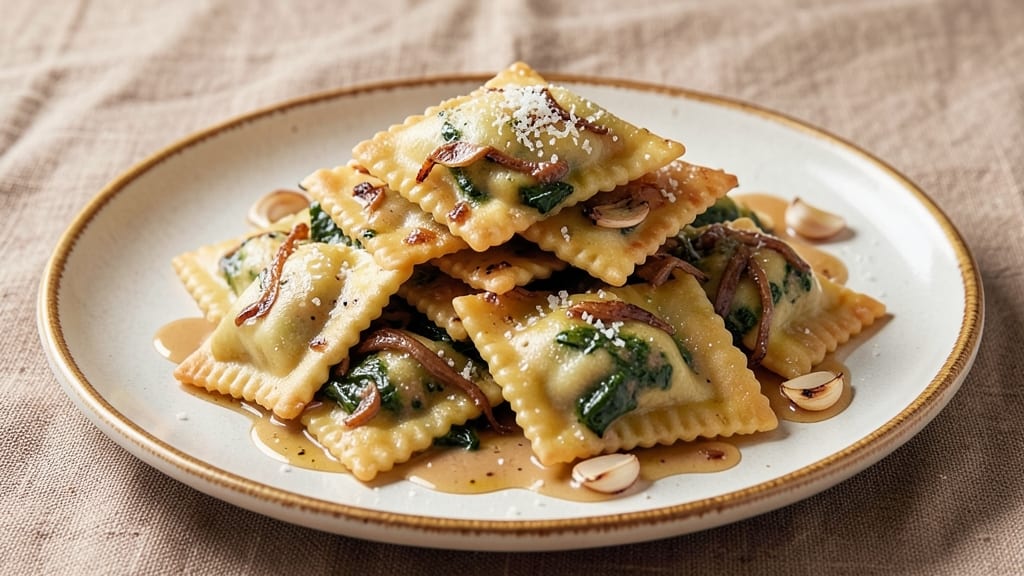
This beef and spinach ravioli recipe transforms your kitchen into a rustic Italian trattoria with every bite. 🌟 The secret lies in perfectly balanced filling—tender ground beef, wilted spinach, and just the right amount of parmesan—encased in delicate, handmade pasta that achieves that signature restaurant-quality texture.
I've refined this recipe over years of testing, ensuring the dough stays tender while the filling remains rich and flavorful without being too heavy.
The process begins with making the pasta dough from scratch, which might sound intimidating but becomes second nature with the right technique. You'll mix flour and eggs until a smooth dough forms, then roll it thin enough to encase the filling without tearing.
The beef and spinach mixture is seasoned simply with garlic, nutmeg, and a touch of salt, creating a filling that's savory yet bright—never overpowering.
What sets this recipe apart is the balance of textures: the dough achieves a just-cooked al dente bite while the filling stays tender and cohesive. The ravioli cook in just 3-4 minutes in boiling water, then finish in a light brown butter sauce that adds a nutty depth.
Each bite delivers layers of flavor—herbaceous spinach, rich beef, and creamy cheese—all held together by that perfect pasta shell.
Perfect for a special dinner or a comforting weeknight meal, this recipe scales beautifully. Serve with a sprinkle of fresh parsley and extra grated parmesan for that final touch of elegance. Let's get started on creating these handmade pasta masterpieces.
Ingredients for beef and spinach ravioli
Here's what you need to craft restaurant-quality ravioli at home with tender dough and rich filling.
| Ingredient | Amount | Notes |
|---|---|---|
| All-Purpose Flour 🌾 | 2 ½ cups | Sifted for smooth dough |
| Large Eggs 🥚 | 3 whole | Room temperature preferred |
| Ground Beef 🥩 | ¾ lb | 80% lean, finely chopped |
| Fresh Spinach 🌿 | 4 oz | Chopped, stems removed |
| Parmesan Cheese 🧀 | ½ cup | Freshly grated, block preferred |
| Garlic Cloves 🧄 | 2 cloves | Minced for filling |
| Ground Nutmeg 🌶️ | ¼ tsp | Freshly grated preferred |
| Salt 🧂 | ½ tsp | Fine sea salt preferred |
| Black Pepper 🌶️ | ¼ tsp | Freshly ground |
| Unsalted Butter 🧈 | ½ cup | Cold, cubed for sauce |
| Fresh Parsley 🌿 | ¼ cup | Chopped, for garnish |
| Olive Oil 🫒 | 1 tbsp | Extra-virgin for dough |
The flour matters here—King Arthur or Caputo Tipo 00 if you want that authentic Italian touch, but regular all-purpose works perfectly fine. Eggs should be room temperature for a smoother dough, and I always grab the large size for better structure. For the beef, 80% lean ground chuck gives you that perfect balance of tenderness and flavor—skip the leaner cuts. Spinach? Fresh is non-negotiable—frozen loses its vibrant color and texture. I buy mine in baby spinach bags from Whole Foods or the grocery store's produce section, but any fresh variety works. The Parmesan needs to be freshly grated from a block—pre-grated gets clumpy and lacks depth.
No King Arthur flour? Any high-protein all-purpose flour will do, but you might need an extra tablespoon. Running short on eggs? Substitute with aquafaba or mashed banana (though texture may vary slightly). The ground nutmeg can be tricky to find—Penzeys or specialty stores carry it, but a pinch of cinnamon in a pinch works. For the butter sauce, European-style butter like Plugrá has more flavor, but regular unsalted butter is fine. Want to make this ahead? Freeze the ravioli on a tray first to prevent sticking, then transfer to a bag for up to 2 months.
Fresh pasta dough keeps best in the fridge for 24 hours wrapped tightly in plastic, but I usually make it fresh and cook immediately for that perfect al dente texture. The filling can be prepped a day ahead and stored in the fridge—just bring it to room temperature before assembling. Leftover ravioli reheats beautifully in a steam basket over boiling water for about 2 minutes. For extra elegance, serve with a sprinkle of freshly grated Parmesan and a drizzle of the brown butter sauce—trust me, it's worth the extra minute to make it.
Why You'll Love This Recipe
- No-Fuss Dough: Honestly, the pasta just comes together with flour and eggs—no kneading, no fuss. Roll it out thin, cut those squares, and you’re halfway there without breaking a sweat.
- Rich & Earthy: That ground beef and wilted spinach filling? It’s like a hug in your mouth—savory, herby, with just enough Parmesan to make it feel indulgent. (Yes, even on a Tuesday night.)
- Weeknight to Dinner Party: Make a batch for Tuesday lunches, then freeze half for when unexpected guests show up. Toss with butter and sage for a quick weeknight meal or dress it up with prosciutto and a balsamic glaze for company.
- Budget-Friendly Luxury: Ground beef and spinach stretch further than you’d think, and the dough costs pennies. Leftovers reheat beautifully—just a splash of water to keep them tender—so you’re feeding your family well without emptying your wallet.
Step-by-step instructions for beef and spinach ravioli
Master the art of handmade pasta with this foolproof method for rich, chewy ravioli.
👨🍳 Step 1: Prepare the Filling with Perfect Texture
In a large skillet, heat 1 tablespoon olive oil over medium heat. Add the 0.75 lb ground beef and cook until it loses its raw color and begins to brown, breaking it apart with a wooden spoon. This should take about 5-6 minutes. You're aiming for a crumbly texture—not fully cooked yet, just broken down.
Add the 4 oz chopped spinach and cook until just wilted, about 1-2 minutes. Drain any excess liquid from the pan using a paper towel. Transfer the mixture to a bowl and let it cool slightly. Once cool enough to handle, add the 0.5 cup freshly grated Parmesan cheese, 2 cloves minced garlic, 0.25 tsp ground nutmeg, 0.5 tsp salt, and 0.25 tsp black pepper. Mix thoroughly until well combined. The filling should be moist but not soupy—if it's too dry, add 1 teaspoon water.
👨🍳 Step 2: Make the Dough for Silky Ravioli
On a clean surface, mound the 2.5 cups sifted all-purpose flour and create a well in the center. Add the 3 whole room-temperature eggs to the well. Using a fork, gradually incorporate the flour into the eggs, mixing until a shaggy dough forms. Once it comes together, knead gently for 5-7 minutes until smooth and elastic. If the dough feels too sticky, add 1 tablespoon more flour.
Wrap the dough in plastic wrap and let it rest at room temperature for 30 minutes. This resting period relaxes the gluten, making it easier to roll out thin sheets. Real talk: don't skip this step—it's what gives your ravioli that signature chewy texture. While it rests, set up your rolling pin and a clean kitchen towel to prevent sticking.
🔪 Step 3: Roll and Cut the Perfect Ravioli
Divide the rested dough into 4 equal pieces (about 6 oz each) and work with one piece at a time, keeping the others covered with a damp towel. Using a rolling pin, roll the dough piece out to about 1/16-inch thickness. If you don't have a pasta roller, use a well-floured rolling pin—press firmly and roll away from you, then rotate the dough and repeat until even.
Cut the rolled dough into 3-inch squares using a sharp knife or pizza cutter. Place a 1-teaspoon portion of the beef-spinach filling in the center of each square. Fold the dough over the filling, pressing the edges firmly with your fingers to seal. If you're feeling fancy, you can crimp the edges with a fork for a decorative touch. Keep the filled ravioli on a floured surface until you've assembled all of them.
🍳 Step 4: Cook the Ravioli to Al Dente Perfection
Bring a large pot of salted water to a rolling boil. Add the ravioli in batches (don't overcrowd the pot) and cook for 2-3 minutes. They're done when they float to the surface and are tender but still slightly firm to the bite. This is your al dente window—overcooking will turn them mushy. Use a slotted spoon to remove them and transfer to a plate.
For the sauce, melt the 0.5 cup unsalted butter in a large skillet over medium heat. Add the cooked ravioli and toss to coat evenly. Stir in 0.25 cup chopped fresh parsley and season with additional salt and pepper if needed. Serve immediately, garnished with extra parsley and a sprinkle of Parmesan cheese.
Pro Tips For Making Beef And Spinach Ravioli
- Cook Spinach Low: Sauté spinach at the lowest heat setting you can tolerate—it wilts fast and keeps its color bright. I learned this the hard way after ending up with sad, limp greens that looked like they’d been through a sauna.
- Brown the Beef: Skip the pre-cooked shortcut and brown the ground beef first—it adds depth the microwave can’t. Use a heavy pan and let it sit undisturbed for 2-3 minutes so it crisps instead of steaming.
- Rest the Dough: Give the flour-egg mix a 30-minute rest before rolling—it makes the dough way easier to handle. I used to rush it, and the pasta always stuck together like glue.
- Salt the Water Hard: Boil ravioli in water with more salt than you think (about 2 tablespoons per quart). Under-seasoned pasta is a crime, and you’ll taste the difference when the noodles hit your plate.
Perfect pairings for beef and spinach ravioli
Classic Brown Butter Sauce
The star of this dish is that nutty, golden brown butter sauce that elevates everything. Start with ½ cup unsalted butter in a skillet over medium heat—don't rush it!
Let it foam and bubble until it turns a rich golden brown (3-4 minutes), then immediately remove from heat. The moment it hits 350°F, it releases those amazing nutty aromas.
Toss your cooked ravioli in this sauce just before serving—it clings beautifully to the pasta while adding depth. 🔥
Creamy Sage Sauce
For a lighter option, try a sage-infused cream sauce that pairs perfectly with the beef and spinach flavors. Heat ¼ cup heavy cream with 4 fresh sage leaves and 1 tablespoon butter until steaming. Remove the sage leaves, then stir in 2 tablespoons grated Parmesan.
The sage adds an earthy note that complements the spinach while balancing the richness of the beef. I like to finish with a pinch of black pepper for extra warmth.
Garlic White Wine Reduction
This elegant sauce adds brightness and acidity that cuts through the richness of the ravioli. Sauté 3 minced garlic cloves in 1 tablespoon olive oil until fragrant (1 minute), then deglaze with ½ cup dry white wine.
Simmer until reduced by half (3-4 minutes), then stir in 1 tablespoon butter and 1 tablespoon heavy cream. Finish with 1 tablespoon chopped parsley—the wine's acidity makes each bite taste even more vibrant.
Simple Olive Oil Finish
When you want to keep things light, a drizzle of extra-virgin olive oil with fresh herbs is all you need. After cooking the ravioli, toss them with 1 tablespoon olive oil and 2 tablespoons chopped parsley. The oil enhances the natural flavors without adding heaviness.
For extra brightness, add a squeeze of lemon juice—just ½ teaspoon does the trick. This is my go-to for warm summer evenings when I want something fresh but still satisfying.
Side Dish Harmony
A simple arugula salad with lemon vinaigrette provides the perfect peppery contrast to rich ravioli. Toss 4 cups baby arugula with 2 tablespoons olive oil, 1 tablespoon lemon juice, ½ teaspoon Dijon mustard, and a pinch of salt.
The bitterness balances the creaminess of the ravioli beautifully. For a heartier option, serve with garlic bread—just toast a baguette with butter and garlic until golden. ✨
Wine Pairing Perfection
An Italian Chianti Classico or Barbera complements the beef and spinach flavors beautifully. The medium-bodied reds with their bright acidity and earthy notes cut through the richness of the ravioli.
For white wine lovers, a crisp Pinot Grigio from Alto Adige offers citrusy freshness that pairs wonderfully with the brown butter sauce. Avoid heavy, oaky wines—they'll overwhelm the delicate pasta flavors.
Nutrition facts
Frequently asked questions
Can I substitute ground turkey for the beef in this recipe?
Ground turkey works beautifully and makes this dish lighter. Use the same amount (0.75 lb) and cook it until it reaches 165°F to ensure it's fully done. The flavor will be slightly milder, so consider adding ½ teaspoon Italian seasoning to enhance the taste. The texture remains perfect for ravioli filling.
How do I prevent my ravioli dough from sticking while rolling?
Keep your work surface and rolling pin well-floured, but don't overdo it—too much flour makes the dough tough. Use a clean kitchen towel to wipe off excess flour between rolls. For extra insurance, dust the dough lightly with flour before each rolling session. If it still sticks, your dough might need 5 more minutes of kneading to develop proper gluten structure.
What's the best way to store leftover ravioli?
Cooked ravioli should be stored in an airtight container in the fridge for up to 3 days. For longer storage, freeze them on a tray first (to prevent sticking), then transfer to a freezer bag for up to 2 months. When reheating, use a steamer basket over boiling water for 2-3 minutes—never microwave directly from frozen as it makes them rubbery.
Can I make the dough ahead of time?
Yes! Wrap the finished dough tightly in plastic wrap and refrigerate for up to 24 hours. Let it sit at room temperature for 30 minutes before rolling to relax the gluten. For longer storage, wrap the dough in plastic and freeze for up to 1 month. Thaw overnight in the fridge before using.
Why did my ravioli filling leak out during cooking?
This usually happens when the dough isn't sealed properly or the filling is too wet. Press the edges firmly when folding, and ensure your filling isn't soupy—add just 1 teaspoon water if needed. For extra security, use a fork to crimp the edges before cooking. Also, don't overcrowd the pot when boiling—give them space to cook evenly!