
Main Courses
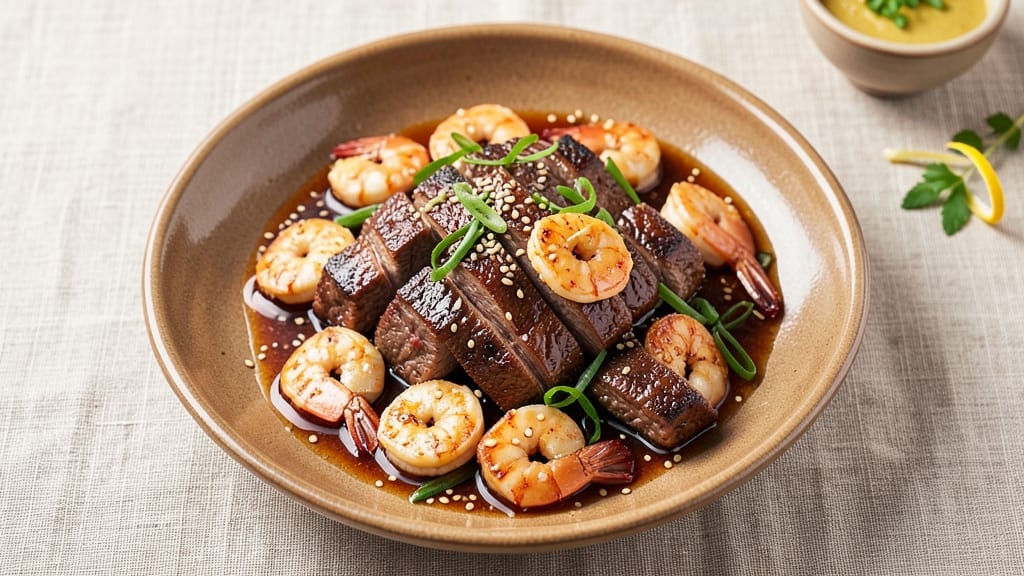
This beef and shrimp teriyaki recipe delivers restaurant-quality results with a caramelized glaze that transforms simple proteins into a sweet-savory masterpiece.
The key lies in searing the beef and shrimp separately to maintain perfect textures—tender beef strips and succulent shrimp—before combining them with a homemade teriyaki sauce that thickens beautifully in the pan. Cross-contamination is avoided by preparing each protein on clean surfaces, ensuring food safety while keeping flavors distinct.
What sets this recipe apart is the balance of traditional techniques with modern efficiency. The teriyaki sauce simmers until it reaches that ideal sticky-sweet consistency, coating every bite without overwhelming the natural flavors of the beef and shrimp.
A splash of mirin and soy sauce creates depth, while a touch of honey adds just the right amount of caramelization. The result? A dish that’s rich, glossy, and packed with umami that’ll have everyone asking for seconds.
By the time you plate this dish, you’ll have perfectly seared beef strips with a slight char, plump shrimp that flakes easily, and a sauce that clings to each piece like a silky blanket.
The aromatics alone—ginger, garlic, and sesame—will fill your kitchen, while the visual appeal of golden-brown proteins against the glossy sauce makes it perfect for gatherings or a special weeknight dinner. Serve over steamed rice to soak up every last drop of that caramelized goodness.
This recipe is designed to be both approachable and impressive, with clear steps for handling each protein separately before bringing them together in harmony. Whether you're feeding a crowd or treating yourself to a flavorful meal, the combination of textures and flavors ensures every bite is a standout.
Let’s get cooking—your taste buds will thank you.
Ingredients for beef and shrimp teriyaki
Restaurant-quality teriyaki starts with these 15 ingredients—simple but powerful.
| Ingredient | Amount | Notes |
|---|---|---|
| Beef Sirloin 🥩 | 1 lb | Cut into 1/2-inch strips |
| Large Shrimp 🦐 | 1 ½ lb | Peeled, deveined, tails on |
| Sesame Oil 🫒 | 1 tbsp | For aroma and flavor |
| Mirin 🍶 | ½ cup | Sweet rice wine (honest mirin preferred) |
| Soy Sauce 🥢 | ½ cup | Use high-quality tamari for gluten-free |
| Honey 🍯 | 3 tbsp | For caramelization (sub maple syrup for vegan) |
| Rice Vinegar 🍶 | 2 tbsp | Adds tangy brightness |
| Fresh Ginger 🧄 | 2 tbsp | Grate finely (or 1-inch piece, grated) |
| Garlic Cloves 🧄 | 4 cloves | Minced for sauce |
| Sesame Seeds 🌾 | 1 tbsp | Toasted for garnish |
| Vegetable Oil 🫒 | 2 tbsp | For searing proteins |
| Salt 🧂 | 1 ½ tsp | Kosher or sea salt |
| Black Pepper 🌶️ | ½ tsp | Freshly ground |
| Cornstarch 🌾 | 1 tbsp | For thickening sauce |
| Steamed White Rice 🍚 | 2 cups | Cooked, for serving |
The beef and shrimp are stars here, so quality matters. Look for sirloin with good marbling—it stays juicy when seared. For shrimp, frozen works fine if thawed properly (cold water bath only), but fresh is ideal. Trader Joe's has great pre-peeled shrimp if you're short on time. The mirin and soy sauce are non-negotiable—cheap brands won't give that rich, sticky sauce. Pro tip: Buy mirin in the Asian aisle—the stuff in regular wine sections is often just sweetened vinegar.
No mirin? Substitute 3 tbsp sugar plus 1 tbsp rice vinegar—it's not identical, but close. Short on honey? Agave or maple syrup works, though honey's caramelization is special. The ginger and garlic can be swapped for paste (use half the amount), but fresh is worth the 30-second prep. For a gluten-free version, tamari instead of soy sauce and make sure your cornstarch is certified gluten-free. The sesame oil adds aroma—use sparingly, or skip entirely if you prefer a more traditional teriyaki flavor.
This sauce thickens as it cooks, so start with 1 tbsp cornstarch and add more if needed. Store leftovers in the fridge for 3-4 days—the sauce actually improves overnight. Freeze portions for up to 3 months by portioning into ice cube trays with a splash of water. The rice? Cook it ahead—day-old rice reheats beautifully and soaks up the sauce even better. Garnish with toasted sesame seeds right before serving to keep them crisp.
Why You'll Love This Recipe
- One-Pan Magic: I swear by this recipe for lazy nights—just slice the sirloin thin, toss shrimp in the same pan, and let the teriyaki (mirin + soy + sesame oil) do all the work. No chopping, no fuss, and that caramelized glaze happens while you’re still deciding what to drink.
- Sweet-Savory Bomb: The mirin cuts through the beef’s richness while the shrimp soak up that sticky, umami-packed sauce. Honestly, the first bite makes me close my eyes—it’s like a hug in a bowl, but with actual protein.
- Lunchbox Hero: Between us, this keeps perfectly for days. Pack the leftovers with rice and steamed veggies, and your coworkers will think you’re a teriyaki chef. (Spoiler: It’s just 20 minutes of your Sunday.)
- Budget Flex: Sirloin on sale? Double down. Shrimp cheaper than chicken? Go wild. The teriyaki sauce stretches thin, so you’re feeding a crowd for less than takeout—and still eating like you’re at a fancy restaurant.
Step-by-step instructions for beef and shrimp teriyaki
Here's how to create a perfectly balanced teriyaki glaze that caramelizes beautifully in the pan.
Prepare the Proteins for Cooking
Start by cutting the 1 lb beef sirloin into ½-inch strips—this ensures even cooking and quick searing. Pat each piece dry with paper towels to remove any surface moisture, which helps create that perfect crust. In a small bowl, combine the 1.5 lb large shrimp with 1.5 tsp salt, 0.5 tsp black pepper, and 1 tbsp sesame oil, tossing gently to coat. Let the shrimp sit for 5 minutes while you prep the beef—this helps the seasoning adhere better.
I like to keep the shrimp whole with tails on for presentation, but if you prefer, you can remove the tails after cooking. The key here is to handle the shrimp as little as possible to prevent overcooking later. While the proteins marinate briefly, you'll have time to prep the aromatics without rushing.
Sear the Beef and Shrimp Separately
Heat a large skillet over medium-high heat and add 2 tbsp vegetable oil. Once the oil shimmers (about 1 minute), add the beef strips in a single layer, being careful not to overcrowd the pan. Let them sear undisturbed for 2-3 minutes until they develop a deep golden-brown crust on all sides. Then transfer the beef to a plate and set aside.
In the same skillet, add the shrimp in a single layer and cook for 1-2 minutes per side until they turn pink and opaque. The shrimp should release easily from the pan when ready—if they stick, your heat is too low. Transfer the shrimp to the same plate with the beef and keep both warm while you prepare the teriyaki sauce.
Build the Teriyaki Sauce
Reduce the heat to medium and add 2 tbsp finely grated fresh ginger and 4 minced garlic cloves to the skillet. Sauté for 30 seconds until fragrant—this step unlocks the full depth of flavor in the sauce. Pour in the 0.5 cup mirin, 0.5 cup soy sauce, 3 tbsp honey, and 2 tbsp rice vinegar, scraping up any browned bits from the bottom of the pan with a wooden spoon.
Bring the mixture to a gentle simmer and let it cook for 3-4 minutes until it thickens slightly. Here's where the magic happens: the mirin and honey caramelize, creating that glossy, sticky glaze we all love. If the sauce reduces too quickly, add 1-2 tablespoons of water to maintain the right consistency.
Thicken and Finish the Sauce
In a small bowl, whisk together 1 tbsp cornstarch with 2 tablespoons of water to create a slurry. Slowly pour this into the simmering sauce while stirring constantly—this will thicken it beautifully. Let the sauce cook for another 1-2 minutes until it coats the back of a spoon and has a smooth, glossy texture. Taste and adjust seasoning with a pinch more salt or soy sauce if needed.
Return the beef and shrimp to the skillet, tossing gently to coat them evenly in the teriyaki sauce. Let everything heat through for 1-2 minutes until the proteins are warmed through and the sauce clings perfectly. The shrimp should be fully opaque, and the beef should be tender with a slight pink center.
Serve Over Steamed Rice
Transfer the beef and shrimp to a serving platter and spoon any extra sauce from the skillet over the top. Sprinkle with 1 tbsp toasted sesame seeds for a beautiful finish and a nutty crunch. Serve immediately over 2 cups steamed white rice, letting everyone dig in while the sauce is still warm and glossy.
This dish is all about balance—the sweetness of the honey and mirin, the savory depth of the soy sauce, and the bright tang of the rice vinegar. The key to success is patience during the sauce-making step—rushing will prevent that perfect caramelization. Enjoy your restaurant-quality teriyaki at home!
Pro Tips For Making Beef And Shrimp Teriyaki
- Sear Beef First: Hit the sirloin with a screaming-hot pan—no oil needed—until deep brown crust forms. I used to skip this, and the teriyaki just sat on top like sad wallpaper. Two minutes max, then pull it out and let it rest while you prep the shrimp.
- Peel Those Shrimp: Leave the shells on for the first 30 seconds of cooking, then flick them off—this keeps the meat plump and adds body to the sauce. I learned this the hard way after ending up with rubbery shrimp that looked like they’d been through a war.
- Reduce the Sauce Low: Simmer the teriyaki (mirin, soy, sesame oil) on actual low heat for 8–10 minutes, stirring often. Rushing this turns it into glue; patience gives you a glossy, balanced sauce that won’t cling like syrup. (Yes, even if you’re impatient like me.)
- Deglaze with Mirin First: After searing the beef, splash in the mirin immediately—it breaks down the browned bits into flavor gold. Then add soy sauce; this keeps the sauce bright instead of turning muddy. (Your future self will notice the difference.)
Essential equipment for perfect results
Skillet Essentials
A heavy-bottomed 12-inch cast iron skillet—like the Lodge Pre-Seasoned—is my go-to for this recipe. It distributes heat evenly, preventing hot spots that could burn your shrimp while the beef cooks.
If you don’t own cast iron, a stainless steel skillet (like All-Clad) works well, but preheat it longer to ensure even searing. Avoid nonstick—it can’t handle the high heat needed for that perfect crust. 🔥
Sauce Thickening Tools
For the sauce, you’ll need a whisk (I prefer OXO Good Grips) to create the cornstarch slurry smoothly. A wooden spoon is ideal for scraping up those flavorful browned bits from the skillet—metal spoons can scratch the seasoning.
If you’re making extra sauce, a small saucepan (like Le Creuset) helps control the thickening process better than the skillet.
Prep and Storage Gear
Keep proteins separate with two small mixing bowls (I use Pyrex glass) to avoid cross-contamination. For storage, airtight containers (like Rubbermaid Brilliance) preserve leftovers for up to 4 days in the fridge.
If freezing, quart-sized freezer bags with labels save space and prevent freezer burn. A microplane (like Microplane Classic) is perfect for grating fresh ginger quickly. ✨
Optional Upgrades
For extra precision, a meat thermometer (like Thermoworks Smoke) ensures beef reaches 145°F (medium-rare). A fine-mesh strainer helps drain shrimp properly if thawing from frozen. For presentation, tongs (like Mercer Culinary) make plating effortless without breaking shrimp tails. These aren’t mandatory, but they elevate the experience.
Nutrition facts
Frequently asked questions
Can I use frozen shrimp in this recipe?
Yes, but thaw them properly first! Place frozen shrimp in a colander under cold running water for 5-10 minutes until fully thawed. Never microwave or use warm water—this can turn the shrimp rubbery. Pat them dry thoroughly before seasoning to ensure they sear properly in the pan.
How do I adjust the recipe for a gluten-free diet?
Swap regular soy sauce for tamari and use certified gluten-free cornstarch. Double-check all ingredient labels—some mirin brands contain wheat. The rest of the recipe remains the same, and the sauce will still thicken beautifully.
Why does my teriyaki sauce turn out too thin? This usually happens if you rush the thickening step.
Can I make the sauce ahead of time?
Prepare the sauce up to 3 days ahead and store it in an airtight container in the fridge. Reheat it gently in a saucepan over low heat, stirring frequently to prevent burning. The flavors actually deepen overnight, making it even more delicious.
What's the best way to reheat leftovers?
Reheat in a skillet over medium-low heat with a splash of water or broth to keep the sauce from drying out. Stir frequently and heat until everything reaches 165°F (especially the beef). For extra moisture, add 1 tsp sesame oil to the pan before reheating. Microwaving works in a pinch, but the sauce may lose its glossy texture.