
Soups & Stews
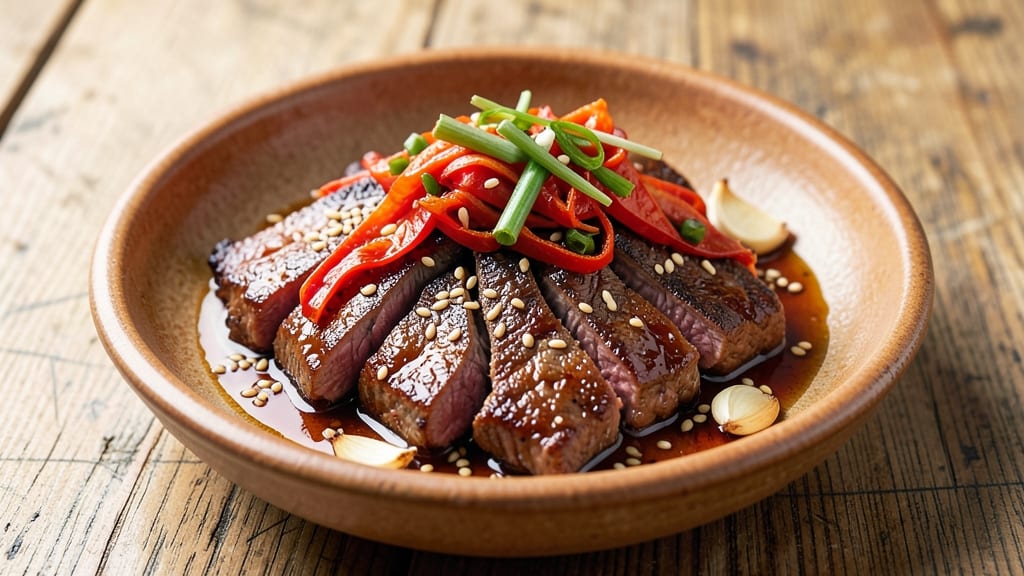
This beef and kimchi recipe transforms humble ingredients into a dish that balances fermented heat and caramelized richness in every bite. The technique starts with searing beef strips until they develop a deep fond, then simmers them in a sauce that marries kimchi's tangy depth with sweet caramelized notes.
What makes this recipe special is how the kimchi's natural acidity tenderizes the beef while adding layers of umami that no store-bought sauce can match.
The process is straightforward yet transformative: begin with a quick sear to build flavor, then braise the beef until fork-tender in a sauce that reduces into a glossy, slightly sticky consistency.
The key is patience—letting the flavors meld over 20 minutes of gentle simmering creates a dish that's both comforting and complex. This method delivers restaurant-quality results without requiring advanced techniques, making it perfect for weeknight dinners that feel special.
By the time you're done, you'll have tender beef strips swimming in a sauce that's boldly flavorful yet balanced—where the kimchi's spicy-sweet notes harmonize with the beef's caramelized depth.
Serve it over steamed rice to soak up every last drop of that rich sauce, or pair it with quick-pickled cucumbers to cut through the intensity. The contrast of textures and flavors makes this dish unforgettable.
This recipe works equally well as a main course or a hearty appetizer, scaling easily for crowds. The beauty lies in its versatility—you can adjust the spice level by using more or less kimchi, or add a splash of soy sauce for extra umami depth.
Whether you're cooking for family or hosting a dinner party, this beef and kimchi dish will leave everyone asking for seconds.
Ingredients for beef and kimchi
Humble ingredients transform into a restaurant-worthy dish with bold flavors and tender beef.
| Ingredient | Amount | Notes |
|---|---|---|
| Flank Steak 🥩 | 1 ½ lb | Thinly sliced against grain |
| Kimchi 🥬 | 2 cups | Store-bought or homemade |
| Brown Sugar 🍯 | ¼ cup | Light or dark preferred |
| Soy Sauce 🥫 | ½ cup | Low-sodium preferred |
| Sesame Oil 🫒 | 1 tbsp | Toasted sesame oil |
| Garlic Cloves 🧄 | 6 cloves | Minced for depth |
| Fresh Ginger 🌿 | 1 tbsp | Grated, peeled |
| Vegetable Oil 🫒 | 2 tbsp | For high-heat searing |
| Water 💧 | ½ cup | For deglazing |
| Cornstarch 🌾 | 1 tbsp | For thickening sauce |
| Green Onions 🧅 | 4 whole | Sliced for garnish |
| Toasted Sesame Seeds 🌾 | 1 tbsp | For finishing touch |
| Salt 🧂 | 1 tsp | Kosher or sea salt |
| Black Pepper 🌶️ | ½ tsp | Freshly ground |
The flank steak is non-negotiable here—its lean texture and grain direction matter. Ask your butcher to slice it thinly against the grain if you're not doing it yourself. For the kimchi, Mae Mun Korean Kimchi from the Asian aisle delivers that perfect balance of spicy and sweet, but any quality kimchi works. Brown sugar adds depth without overpowering; Light or dark varieties both work, but avoid raw sugar. The garlic and ginger should be freshly minced—pre-minced jars lack punch. If you're making this for a crowd, double the batch but keep the proportions identical.
No kimchi? Substitute 1 cup of spicy slaw mix plus 1 tbsp sriracha in a pinch, though the flavor won't be the same. Running low on sesame oil? Swap for 1 tsp toasted sesame seeds plus 1 tbsp neutral oil—just add the seeds at the end. The cornstarch is optional but recommended; if you skip it, the sauce will be thinner. For extra umami, add 1 tbsp fish sauce (ensure it's vegan if needed). Always taste as you go—the kimchi's spice level varies by brand, so adjust the sweetness (brown sugar) or salt accordingly. The green onions and sesame seeds are purely for garnish, but they add that professional restaurant finish.
This dish reheats beautifully—best the next day when flavors meld. Store in an airtight container for up to 4 days in the fridge or 3 months frozen. For freezing, portion into single servings first. If you're prepping ahead, sear the beef and store it separately, then finish the sauce fresh before combining. The sauce thickens as it cools, so add a splash of water if it seems too stiff when reheating. Serve over steamed jasmine rice or noodles to soak up every last bit of that glossy, caramelized sauce.
Why You'll Love This Recipe
- One-Pan Magic: I swear by this recipe when I’m too tired to wash dishes. Just sear the flank steak, toss in the kimchi and sauce, and let it all caramelize together—no extra pots, no fuss. That sesame oil finish ties it all together while I’m still scraping the last bits off my plate.
- Sweet-Savory Bomb: The brown sugar and soy sauce create this perfect balance—salty, sweet, and funky from the kimchi. It’s the kind of dish where every bite makes you want to reach for another, and the steak stays tender while the kimchi adds that tangy crunch.
- Meal Prep MVP: Between us, this is my go-to for lunches all week. The flavors actually get better the next day, and it reheats like a dream. Pack it in containers, grab it for work, or serve it cold with rice—it’s that reliable.
- Budget-Friendly Feast: Flank steak stretches far when sliced thin, and kimchi lasts forever in the fridge. A little brown sugar and soy sauce go a long way, and you’re left with a dish that feels fancy but costs next to nothing. My wallet and taste buds both win.
Step-by-step instructions for beef and kimchi with caramelized fond
Master this balance of fermented heat and rich, caramelized depth in just one pan.
Prep the Flank Steak for Perfect Texture
Slice the 1.5 lb flank steak thinly against the grain into ¼-inch strips. This ensures tender bites that cook quickly and evenly. Pat the slices dry with paper towels—moisture prevents proper searing and creates steam instead of a crust.
In a small bowl, combine 1 tbsp sesame oil, 1 tbsp soy sauce, 1 tsp salt, and ½ tsp black pepper. Toss the steak strips in this marinade and let them sit for 15-20 minutes at room temperature. This brief marinade enhances flavor without overpowering the beef's natural taste.
Sear the Beef and Build the Kimchi Base
Heat 2 tbsp vegetable oil in a large skillet over medium-high heat until shimmering. Add the steak in a single layer and sear undisturbed for 1-2 minutes until deeply browned on one side. Flip and sear the other side for 30 seconds—the beef should be golden brown but still slightly pink in the center. Remove and set aside.
Reduce heat to medium, then add 6 minced garlic cloves and 1 tbsp grated fresh ginger. Sauté for 30 seconds until fragrant. Add 2 cups kimchi, breaking it up with a spoon, and cook for 3-4 minutes until the liquid reduces slightly. This step develops the kimchi's natural sweetness and tang.
Create the Caramelized Fond and Thicken the Sauce
Increase heat to high and add ¼ cup brown sugar. Stir for 1 minute until it melts and begins to caramelize. Pour in ½ cup soy sauce and ½ cup water, scraping up any browned bits from the pan—these contain concentrated flavor. Simmer for 3-4 minutes until the sauce thickens slightly.
In a small bowl, whisk 1 tbsp cornstarch with 2 tbsp water to form a slurry. Slowly pour this into the skillet while stirring constantly. The sauce should thicken to a glossy consistency within 1-2 minutes. Return the seared beef to the pan and toss to coat evenly in the sauce.
Finish and Garnish for Restaurant-Quality Presentation
Reduce heat to low and simmer for 2-3 minutes until the beef is fully heated through and the sauce clings to the strips. Taste and adjust seasoning—add a pinch more salt if needed, or a splash of water if the sauce is too thick.
Remove from heat and stir in 1 tbsp toasted sesame seeds. Garnish with 4 sliced green onions, dividing them evenly over the top. Serve immediately over steamed rice or noodles for a complete meal. The contrast of crisp green onions and nutty sesame seeds elevates the dish's complexity.
Pro Tips For Making Beef And Kimchi
- Slice Against the Grain: Flank steak’s tough fibers run lengthwise—cut thin slices across the grain before cooking. I used to ignore this and ended up with chewy bites that ruined the whole dish. Trust me, the effort pays off in every forkful.
- Drain and Pat Dry: Skip the soggy kimchi by draining it well and pressing out excess liquid with a clean towel. Wet kimchi steams instead of caramelizing, and you’ll lose that deep, savory punch you’re paying for. (Yes, even if it looks sad afterward.)
- Start with High Heat: Crank the pan to screaming hot before adding the beef—you’re sealing in those juices, not steaming them out. I learned this the hard way after serving dry, flavorless strips. Two minutes of patience here makes all the difference.
- Toast the Kimchi First: Sear the kimchi in the same pan for 3-4 minutes before adding the beef. The sugars caramelize into a sticky glaze that clings to the meat, adding depth. (Bonus: It cuts through the funk if your kimchi’s past its prime.)
Creative variations of these flavors
Spicy Korean Fusion
For a bolder kick, add 1 tbsp gochujang (Korean chili paste) when building the kimchi base. This deepens the umami and adds a smoky-spicy layer that complements the caramelized fond. I like to balance it with 1 tsp honey to soften the heat while enhancing the sauce's glossiness.
Serve with quick-pickled radishes on the side—their crisp acidity cuts through the richness beautifully. 🌶️
Sweet and Tangy Glaze
Swap the brown sugar for 2 tbsp honey and reduce the soy sauce to ¼ cup to create a sweeter, stickier sauce. Add 1 tbsp rice vinegar when combining the kimchi to brighten the flavors.
This variation works especially well with ribeye strips instead of flank steak, as the extra fat handles the longer cooking time. The result is a dish that's almost dessert-like in its sweetness. 🍯
Umami Bomb Version
Boost the depth by adding 2 tbsp fish sauce (or vegan fish sauce substitute) when creating the caramelized fond. For extra richness, stir in 1 tbsp miso paste during the final simmer. This version pairs perfectly with steamed bok choy and a drizzle of chili oil at the table.
The miso adds a savory complexity that makes this dish feel like a true umami powerhouse. 💪
Quick Stir-Fry Adaptation
For a faster weeknight meal, skip the braising step entirely. Sear the beef as directed, then stir-fry it with 1 cup kimchi, 1 tbsp soy sauce, and 1 tsp sugar over high heat for 3-4 minutes.
Finish with 1 tsp toasted sesame oil and serve over rice noodles for a lighter take. This version keeps all the bold flavors but cuts cooking time in half. ⚡
Asian-Inspired BBQ Twist
Transform this into a Korean-style BBQ by marinating the beef in ½ cup soy sauce, 2 tbsp brown sugar, and 1 tbsp kimchi juice for 2 hours before cooking.
Grill the beef strips over medium-high heat for 2-3 minutes per side, then toss with a quick sauce made from ½ cup kimchi, 1 tbsp honey, and 1 tsp sesame oil. Serve with grilled pineapple slices for a sweet-savory fusion that's perfect for summer. 🍍
Slow-Cooker Comfort
For hands-off cooking, combine all ingredients (except cornstarch and garnishes) in a slow cooker on low heat for 6-8 hours. Stir in the cornstarch slurry during the last 30 minutes to thicken the sauce.
This method is ideal for large gatherings—just double the recipe and let the slow cooker do the work. The beef will be fall-apart tender, and the sauce will develop even deeper flavors. ⏳
Nutrition facts
Frequently asked questions
Can I use ground beef instead of flank steak?
Yes, but the texture will differ significantly. Ground beef works best for a quick stir-fry version—cook it with 1 cup kimchi, 1 tbsp soy sauce, and 1 tsp sugar over high heat for 3-4 minutes. For a richer result, add 1 tbsp toasted sesame oil at the end. The dish will be heartier but less tender than with sliced flank steak.
How do I adjust the spice level?
Kimchi's heat varies by brand, but you can control spice easily. For milder flavor, use 1 cup kimchi instead of 2 cups and add 1 tsp honey to balance. For extra heat, stir in ½ tsp red pepper flakes or 1 tsp gochujang when building the sauce. Always taste before serving!
Can I make this dish ahead of time?
This recipe actually tastes better the next day. Store the cooked beef and sauce separately in an airtight container for up to 4 days. When reheating, warm the sauce first, then gently stir in the beef. Add a splash of water if the sauce thickens too much. The flavors meld beautifully overnight.
What's the best way to serve this dish?
Serve it over steamed jasmine rice to soak up the rich sauce, or pair with cold noodles for contrast. For extra freshness, add quick-pickled cucumbers or steamed bok choy on the side. Garnish with extra sesame seeds and green onions right before serving for maximum flavor.
Why did my sauce turn out too thin?
This usually happens if you skipped the cornstarch slurry or didn't simmer long enough. For a quick fix, mix 1 tsp cornstarch with 1 tbsp water and stir it into the sauce while heating. If the sauce is still too thin, reduce it by simmering uncovered for 2-3 minutes. Always taste as you go to adjust!