
Soups & Stews
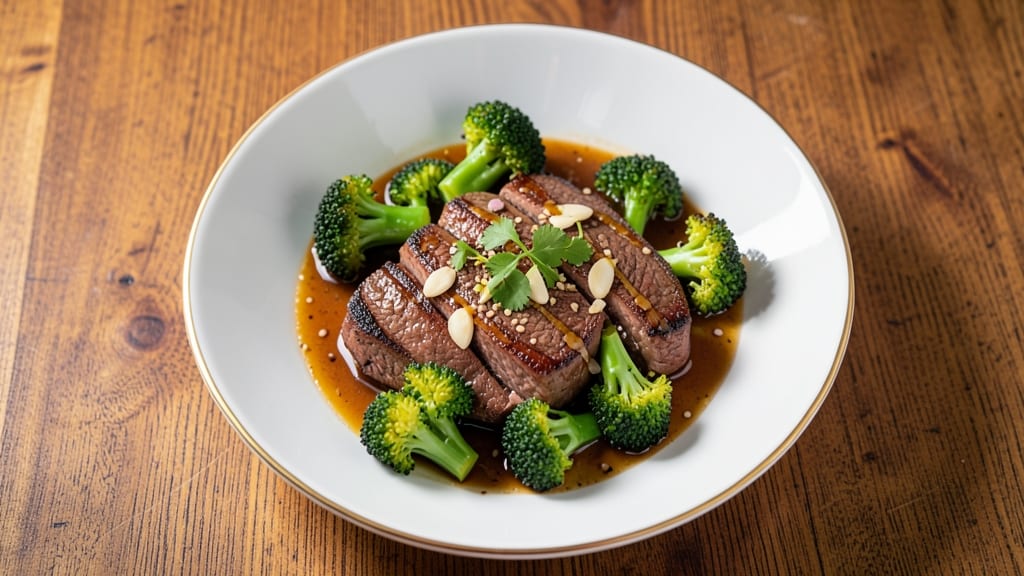
This beef and broccoli recipe with velveting transforms tough beef into silky tenderness in just 30 minutes—no slow cooking required. The secret lies in a simple cornstarch slurry marinade that creates a velvety texture, a technique inspired by Chinese-American fusion cuisine.
What sets this method apart is how it preserves moisture while achieving that signature restaurant-quality bite.
The velveting process begins with marinating beef strips in a soy-based slurry, which develops a delicate, almost gelatinous surface when cooked. This ensures your beef stays tender and juicy even after stir-frying, while the broccoli retains its crisp texture.
The result is a dish that balances rich umami flavors with fresh, vibrant vegetables—perfect for weeknight dinners or special occasions.
What you'll achieve is a restaurant-quality beef and broccoli with perfectly silky beef and bright, caramelized broccoli, all coated in a savory sauce. The velveting technique eliminates guesswork, guaranteeing tender beef every time. Serve it over steamed rice or noodles for a complete meal that’s both satisfying and elegant.
Ready to master this technique? The process is straightforward, and the results are worth the effort. Let’s get started with a method that delivers professional-quality tenderness in record time.
Ingredients for beef and broccoli recipe velveting
Mastering velveting starts with these 15 precision ingredients for restaurant-quality beef and broccoli.
| Ingredient | Amount | Notes |
|---|---|---|
| Flank Steak 🥩 | 1 ½ lb | Thinly sliced against grain |
| Cornstarch 🌾 | 2 tbsp | For velveting slurry |
| Soy Sauce 🍶 | ½ cup | High-quality, low-sodium preferred |
| Brown Sugar 🍯 | 2 tbsp | Light or dark variety |
| Sesame Oil 🫒 | 1 tbsp | Toasted, for aroma |
| Garlic Cloves 🧄 | 6 cloves | Minced for marinade |
| Fresh Ginger 🌿 | 2 tbsp | Finely grated, aromatic |
| Broccoli Florets 🥦 | 4 cups | Medium-sized, fresh |
| Vegetable Oil 🫒 | 2 tbsp | High smoke point |
| Green Onions 🧅 | 3 whole | Sliced, for garnish |
| Sesame Seeds 🌱 | 1 tbsp | Toasted, for texture |
| Diamond Crystal Kosher Salt 🧂 | ½ tsp | For seasoning |
| Black Pepper 🌶️ | ¼ tsp | Freshly ground |
| White Wine 🍷 | ¼ cup | Dry, for deglazing |
| Cornstarch Slurry 🌾 | 1 tbsp | Cornstarch + 2 tbsp water |
The flank steak is non-negotiable—its lean yet fibrous texture responds perfectly to velveting. Look for well-marbled cuts at Whole Foods or your local butcher; avoid pre-sliced packages that often contain tougher, less tender pieces. Thinly slice the steak against the grain to ensure tenderness, and pat it dry before marinating. Kosher salt is essential here—Diamond Crystal dissolves completely, unlike table salt. For the soy sauce, Lee Kum Kee or Pearl River Bridge are professional-grade choices that add depth without overpowering.
No cornstarch? Arrowroot powder at equal measure works as a substitute, though it lacks the same binding properties. The white wine can be swapped for dry sherry or extra chicken stock if unavailable, but avoid sweet wines. Fresh ginger loses potency quickly, so grate it fresh—pre-grated often contains fillers. Broccoli should be bright green florets with no yellowing; larger stems can be peeled to ensure even cooking. For the sesame oil, toasted varieties from Asian markets provide the richest flavor, while regular supermarket brands offer a more neutral profile.
Marinated beef keeps up to 24 hours in the fridge, though flavor develops best after 4-6 hours. Broccoli should be blanched for 1 minute before stir-frying to preserve its vibrant color. Store leftovers in an airtight container for 3-4 days, or freeze for up to 3 months. The velveting slurry can be prepped a day ahead—just whisk with water before use. For reheating, add a splash of water to prevent drying, and finish with fresh sesame seeds and green onions for maximum brightness.
Why You'll Love This Recipe
- Velvet Texture Magic: That cornstarch velveting trick? It turns tough flank steak into melt-in-your-mouth perfection. No more overcooking or dry bites—just tender, silky slices that practically disappear.
- Weeknight Workhorse: I’ve made this on Tuesdays when I’m exhausted and on Saturdays when I’m feeling fancy. The same simple steps work for both—just adjust the rice portion.
- Leftover Heaven: Between us, this reheats like a dream. Cold noodles? Toss it in. Next-day lunch? Microwave it. The sauce clings to every bite, so it never tastes like yesterday’s effort.
- Budget-Friendly Luxury: Flank steak stretches further than you’d think, and a little sesame oil goes a long way. Honestly, it’s the kind of dish that makes takeout feel like a splurge—without the guilt.
Step-by-step instructions for beef and broccoli with velveting technique
Master the velveting method for restaurant-quality beef that stays silky through every bite.
Prepare the Velveting Marinade and Slice the Flank Steak
In a mixing bowl, whisk together the 0.5 cup soy sauce, 2 tbsp brown sugar, 1 tbsp sesame oil, 6 cloves minced garlic, and 2 tbsp finely grated ginger until the sugar fully dissolves. This marinade creates the flavor foundation while the velveting slurry will transform the texture. Meanwhile, slice the 1.5 lb flank steak thinly against the grain into ¼-inch thick strips—this ensures maximum tenderness when served.
For the velveting slurry, combine 2 tbsp cornstarch with 2 tbsp cold water in a separate bowl and whisk until completely smooth. The slurry must be lump-free to create that signature velvety coating. Place the steak strips in a shallow dish and pour half of the marinade over them, reserving the rest for later. Let the meat marinate for 20 minutes at room temperature while you prepare the remaining components.
Double-Velvet the Beef for Unmatched Tenderness
Heat a 12-inch wok or large skillet over medium-high heat until a drop of water sizzles and evaporates instantly. Add 1 tbsp vegetable oil and swirl to coat the surface. Working in two batches to avoid crowding, add the marinated steak strips and cook undisturbed for 30 seconds until the edges begin to set. This initial sear locks in juices before velveting.
Pour ½ cup of the reserved marinade over the steak and immediately add 1 tbsp of the cornstarch slurry. Stir gently with a spatula for 10-15 seconds until the sauce thickens slightly and coats the beef. Remove from heat and set aside. Repeat with the second batch. This double-velveting process—first with marinade, then with slurry—creates that signature silky texture while sealing in moisture. The steak should now be glossy and slightly sticky to the touch.
Stir-Fry the Broccoli and Complete the Sauce
In the same wok, add 1 tbsp vegetable oil and increase heat to high. Add the 4 cups broccoli florets and stir-fry for 2-3 minutes until they brighten in color but remain crisp-tender. Remove the broccoli and set aside, leaving the oil in the pan. This high-heat cooking preserves the broccoli's vibrant green color while preventing mushiness.
Return the beef to the wok along with any accumulated juices. Deglaze with the 0.25 cup white wine, scraping up any browned bits from the bottom. Let the wine reduce by half (30-45 seconds), then add the remaining 1 tbsp cornstarch slurry and stir vigorously. The sauce should thicken to a glossy, slightly glossy consistency that coats the back of a spoon. If needed, add 1-2 tablespoons of water to reach your desired thickness.
Finish and Garnish for Restaurant-Worthy Presentation
Return the broccoli to the wok and toss everything together for 1-2 minutes until the beef is heated through and the flavors meld. The beef should be silky and fork-tender with no resistance when pierced. Season to taste with 0.5 tsp diamond crystal kosher salt and 0.25 tsp black pepper, adjusting for your preference.
Transfer to serving plates and garnish with 3 whole sliced green onions and 1 tbsp toasted sesame seeds. The dish should have a glossy sheen from the sauce and a balance of sweet, salty, and umami flavors. Serve immediately over steamed rice to soak up every last bit of that velvety sauce. The velveting technique ensures each bite delivers that melt-in-your-mouth tenderness that makes this dish legendary.
Pro Tips For Making Beef And Broccoli Recipe Velveting
- VELVET THE STEAK FIRST: Skip the broccoli and toss the steak into the velveting marinade (soy sauce, brown sugar, cornstarch) before cutting it. Let it sit 15-20 minutes—this guarantees a silky texture when you sear it later. I used to cut first, and the edges always turned out dry no matter how carefully I cooked them.
- WEIGH THE CORNSTARCH: Use 1 tablespoon of cornstarch per pound of beef—no eyeballing. Too little and the sauce won’t coat properly; too much and it’ll turn gluey. I learned this after a batch where the sauce separated like oil and water. Grab a small scale if you’re serious about this dish.
- SEAR IN BATCHES: Crowd the pan and the steak will steam instead of sear. Cut the flank steak against the grain into ½-inch strips, then cook in two batches over high heat—just 2-3 minutes per batch. The first time I ignored this, the steak came out gray and sad.
- BROCCOLI LAST MINUTE: Add the broccoli to the wok after the steak is out—just 30 seconds in the residual heat. Overcooking turns it mushy, and you’ll end up with a sad, limp pile. I know, it’s tempting to toss everything in at once, but trust me on this one.
Perfect pairings for this dish
Sauce Elevations
Swap the white wine deglaze for 1 tbsp rice vinegar and 1 tsp chili crisp to add tangy brightness and heat. For a nutty depth, replace half the soy sauce with 1 tbsp dark soy sauce—it caramelizes beautifully.
I love finishing with 1 tsp honey to balance the saltiness, especially when using leaner cuts. 🌶️
Rice Pairings
Jasmine rice is classic, but forbidden black rice adds visual drama with its deep purple hue. For extra richness, serve over garlic fried rice—the residual oil keeps the beef moist. I also recommend steamed cauliflower rice for a low-carb option that still soaks up the sauce perfectly. 🍚
Vegetable Swaps
Replace broccoli with bok choy for a milder flavor or snow peas for a sweeter, crunchier bite. For heartier meals, add shitake mushrooms sliced thin—they absorb the sauce beautifully. I often mix 1 cup broccoli florets with 1 cup bell peppers for extra color and texture. 🥦
Protein Variations
Try sirloin strips instead of flank steak for a milder flavor, or chicken thighs for a budget-friendly twist. For seafood lovers, shrimp marinated in the same soy-ginger slurry delivers incredible results. I've even used tofu for a vegetarian version—just increase the cornstarch to 3 tbsp for better texture. 🍤
Garnish Ideas
Add crispy fried shallots for crunch or pickled red onions for acidity. A sprinkle of toasted cumin seeds gives earthy warmth, while cilantro leaves add freshness. For a smoky touch, finish with 1 tsp smoked paprika mixed into the sauce during the last minute of cooking. ✨
Beverage Pairings
A crisp Sauvignon Blanc with citrus notes complements the dish beautifully. For beer lovers, a Japanese lager like Sapporo cuts through the richness. I also enjoy jasmine tea with a splash of soy sauce—it enhances the umami flavors without overpowering. 🍷
Nutrition facts
Frequently asked questions
Why does velveting make the beef so tender?
The velveting process creates a delicate cornstarch coating that forms a protective layer around the beef. When cooked, this layer breaks down into a gelatinous texture that traps moisture and prevents the meat from drying out. The double-velveting technique (marinade + slurry) ensures maximum tenderness while maintaining that signature restaurant-quality bite.
Can I use regular flour instead of cornstarch for velveting?
Not for velveting—regular flour lacks the fine texture needed to create that signature silky coating. Cornstarch or arrowroot powder are essential for achieving the proper consistency. The slurry must be completely smooth to work effectively. If you're out of cornstarch, arrowroot works in a pinch but may yield slightly different results.
How long can I marinate the beef before cooking?
You can marinate the beef for up to 24 hours in the refrigerator, but the flavor develops best after 4-6 hours. Longer marinating doesn't improve tenderness—it just enhances flavor. Keep the beef in an airtight container and refrigerate until ready to cook. The velveting slurry should be added just before cooking for optimal texture.
What if my beef turns out tough instead of tender?
Tough beef usually means one of three things: the meat wasn't sliced against the grain, the velveting slurry wasn't applied properly, or the beef was overcooked. Always slice thinly against the grain, use a fresh slurry, and cook the beef just until it reaches 145°F internally. If it's still tough, try increasing the cornstarch to 3 tbsp in future attempts.
Can I make this recipe ahead of time?
Yes! Prepare the velveting marinade and slurry up to 1 day ahead, and marinate the beef for 4-6 hours before cooking. Store leftovers in an airtight container for 3-4 days or freeze for up to 3 months. When reheating, add a splash of water to prevent drying, and finish with fresh sesame seeds and green onions for maximum brightness.