
Main Courses
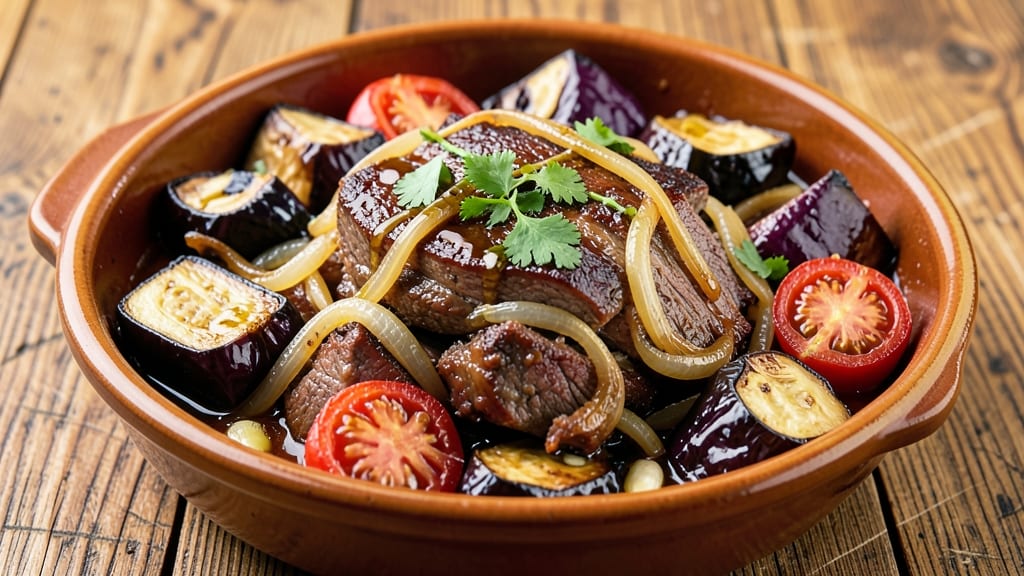
This beef afritada recipe Mama Sita delivers the rich, wine-braised perfection that makes Filipino comfort food legendary. 💛 The secret lies in slow-searing beef until tender, then simmering it in a tangy tomato-vinegar sauce until the flavors meld into a velvety, deeply satisfying dish.
My version stays true to Mama Sita's signature balance—sweet, savory, and just a touch acidic—while keeping the technique approachable for home cooks.
The process begins with searing beef in batches to develop deep flavor, then deglazing the pan to create a flavorful base. Eggplant and tomatoes join the pot, absorbing the aromatic sauce as it reduces to a perfect consistency.
The addition of white wine and vinegar brightens the dish, cutting through the richness while enhancing the beef's natural depth. This isn't just a recipe—it's a celebration of Filipino home cooking, where every bite tells a story.
What you'll end up with is melt-in-your-mouth beef, tender eggplant, and tomatoes that burst with flavor, all swimming in a glossy, wine-infused sauce. The dish pairs beautifully with steamed rice, which soaks up every last drop of that luxurious sauce.
It's the kind of meal that transforms a simple weeknight into a special occasion, without requiring hours in the kitchen.
Perfect for family gatherings or when you want to impress guests with authentic Filipino flavors. The slow cooking process ensures tenderness, while the careful balance of ingredients delivers that signature Mama Sita touch. Let's get cooking—your taste buds will thank you.
Ingredients for beef afritada recipe mama sita
Rich, wine-kissed beef and tender eggplant—Mama Sita's legendary Filipino comfort food in your kitchen.
| Ingredient | Amount | Notes |
|---|---|---|
| Beef Chuck Roast 🥩 | 1 ½ lb | Cut into 1-inch cubes |
| Eggplant 🍆 | 1 medium | Cubed, peeled if preferred |
| Medium Tomatoes 🍅 | 4 whole | Ripe, quartered |
| White Wine 🍷 | ½ cup | Dry, like Sauvignon Blanc |
| Canola Oil 🫒 | 2 tbsp | For searing beef |
| Onion 🧅 | 1 medium | Sliced into half-moons |
| Garlic Cloves 🧄 | 4 cloves | Minced, fresh preferred |
| Canned Tomatoes 🍅 | 1 can | 15 oz, San Marzano preferred |
| White Vinegar 🍶 | 2 tbsp | White or apple cider |
| Sugar 🍚 | 1 tbsp | White granulated |
| Salt 🧂 | 1 ½ tsp | Kosher or sea salt |
| Black Pepper 🌶️ | ½ tsp | Freshly ground |
| Bay Leaves 🌿 | 2 whole | Dried, for aroma |
| Olive Oil 🫒 | 1 tbsp | For finishing |
The beef is the heart of this dish, so chuck roast is non-negotiable—it stays tender while developing deep flavor. Grab a 1.5 lb piece from the butcher section and ask for it pre-cut into cubes if you're short on time. The eggplant? One medium, firm one works best—avoid the wrinkly ones at the grocery store. For tomatoes, San Marzano cans are ideal, but any good-quality canned tomatoes will do. The white wine should be dry—Sauvignon Blanc or Pinot Grigio are perfect choices, but whatever's open in your fridge works too. If you're not a wine drinker, substitute with extra beef broth.
No white wine? Beef broth with a splash of vinegar mimics that bright acidity. The eggplant can be swapped for zucchini if you prefer—it cooks faster and absorbs the sauce beautifully. For garlic, fresh is best, but if you're in a pinch, dried works at half the amount. The vinegar is key for that signature tang—white or apple cider vinegar both work. If you're worried about the sugar making the dish too sweet, trust me, it balances the acidity perfectly. The bay leaves add depth without overpowering, but if you don't have any, a pinch of dried thyme works in a pinch.
This dish tastes even better the next day as the flavors meld. Store leftovers in an airtight container in the fridge for up to 5 days. Freeze portions for up to 3 months—just thaw overnight in the fridge before reheating. I always make a double batch because it disappears fast. The sauce thickens as it cools, so add a splash of water or broth when reheating if it seems too thick. Serve with steamed rice to soak up every last drop of that glorious sauce.
Why You'll Love This Recipe
- One-Pan Magic: I swear by this recipe because it’s all about minimal cleanup. Sear the beef, toss in the eggplant and tomatoes, then let the wine and simmering sauce do the work—no extra pots, no fuss. That rich, caramelized beef practically falls apart with a fork, and the eggplant soaks up the sauce like a dream.
- Wine-Infused Richness: Between us, the white wine isn’t just for show—it cuts through the beef’s richness and balances the acidity of the tomatoes. The slow simmer lets those flavors meld into something deeply satisfying, with a depth you’d never guess came from a simple chuck roast. Honestly, it’s the kind of dish that makes you want to linger over a second plate.
- Weeknight to Potluck: This recipe works everywhere. Too tired for dinner? Throw it together in 45 minutes. Hosting a gathering? It scales up beautifully—just double the ingredients and let it simmer longer. My in-laws asked for seconds at a family BBQ, and that’s when I knew it was a keeper.
- Budget-Friendly Leftovers: A chuck roast is cheap, and this recipe stretches it far—especially when you repurpose the leftovers. Shred the beef for tacos the next day or toss it into a quick pasta with the leftover sauce. The eggplant also keeps well, so you’re not stuck with wasted ingredients. (Yes, even on a Tuesday night.)
Step-by-step instructions for wine-braised beef Afritada
This Filipino classic comes together with rich layers of flavor—deep wine braising, tender beef, and vibrant vegetables.
🍳 Step 1: Sear the Beef Until Deeply Browned
Heat the 2 tablespoons canola oil in a large Dutch oven over medium-high heat. Working in batches to avoid crowding, add the 1.5 lb beef chuck roast cut into 1-inch cubes and sear for 3-4 minutes per side until deeply browned and caramelized. This step builds the foundation of flavor—don't rush it, or the beef will steam instead of develop that rich crust.
As you sear, you'll notice the beef releases its natural juices. Let them evaporate completely before moving the beef—this concentrates the flavor. Once all pieces are golden brown, transfer them to a plate and set aside. If your pan has excess oil, wipe it out with a paper towel to prevent the sauce from becoming greasy later.
👨🍳 Step 2: Sauté Aromatics and Deglaze with Wine
In the same Dutch oven, add the 1 medium onion sliced into half-moons and cook for 4-5 minutes until softened and slightly caramelized. Add the 4 cloves minced garlic and cook for 30 seconds until fragrant—you'll smell that sweet, pungent aroma that signals it's ready. Here's where it gets good: pour in the 0.5 cup white wine and scrape up all those browned bits from the bottom of the pan with a wooden spoon.
This deglazing step captures all the meaty flavor that would otherwise stick to the pan. Let the wine simmer for 2-3 minutes until it reduces by half and the alcohol cooks off. The sauce should smell rich and slightly sweet—this is your base building block. If you're using a particularly strong wine, you might taste its character more prominently here.
🥘 Step 3: Build the Braising Liquid
Add the 1 can canned tomatoes, 2 tablespoons white vinegar, 1 tablespoon sugar, 1.5 teaspoons salt, 0.5 teaspoon black pepper, and 2 whole bay leaves to the Dutch oven. Stir everything together and bring to a gentle simmer. The vinegar will brighten the flavors while the sugar helps balance the acidity—this is what makes Afritada uniquely tangy-sweet.
Return the browned beef to the pot and add the 1 medium eggplant cut into cubes and the 4 whole medium tomatoes quartered. The eggplant will absorb some of the braising liquid, becoming tender and slightly sweet. The tomatoes will break down, releasing their juices and deepening the sauce's color. Give everything a gentle stir to combine, then bring back to a simmer.
⏰ Step 4: Braise Until Tender and Flavorful
Cover the Dutch oven and transfer to a preheated 325°F oven. Braise for 2 to 2.5 hours, depending on your beef's tenderness. The eggplant and tomatoes will soften first—you'll know they're ready when a fork slides in easily. The beef should be fork-tender with just a slight resistance. Here's the thing—don't peek or stir too often. Each time you open the lid, you lose heat and moisture, extending the cooking time.
About 30 minutes before the beef is done, check the sauce consistency. If it's too thick, add 2-3 tablespoons water to loosen it. The sauce should coat the back of a spoon but still be rich enough to cling to the beef. The beef is ready when it pulls apart easily with two forks and the sauce has thickened into a glossy, velvety consistency.
🔥 Step 5: Finish with Olive Oil and Serve
Remove the beef and vegetables from the braising liquid and transfer them to a serving platter. Skim off any excess fat from the sauce using a spoon or fat separator if needed. Return the sauce to the stove over medium heat and let it reduce for 2-3 minutes until slightly thickened. Stir in the 1 tablespoon olive oil—this adds a silky finish and helps balance the flavors.
Taste and adjust seasoning if needed. The dish should be rich, slightly tangy, and well-balanced. Serve the beef Afritada hot, spooning the sauce generously over each portion. The eggplant will have absorbed the flavors beautifully, the tomatoes will be tender and sweet, and the beef will be melt-in-your-mouth tender. Pair it with steamed rice to soak up every last bit of that delicious sauce.
Pro Tips For Making Beef Afritada Recipe Mama Sita
- Sear the Beef Properly: Don’t just brown the chuck roast—get it deep brown with a crust. After patting it dry, hit it with canola oil and high heat until the edges darken and you smell that caramelized beef aroma. I used to rush this, and the sauce never tasted as rich. Take your time here—it’s worth the extra 5 minutes.
- Salt the Eggplant Before Cooking: Toss sliced eggplant with a generous pinch of salt (about 1 tsp per pound) and let it sit for 20 minutes before rinsing. This pulls out bitterness and keeps it from turning mushy. I learned this the hard way after serving eggplant that tasted like wet cardboard—don’t skip the salt bath.
- Deglaze with Wine Immediately: As soon as you remove the beef from the pan, pour in the white wine right away while the pan is still hot. Scrape up every last bit of browned bits—this is where the flavor lives. If you wait, you’ll lose half the depth of the sauce. (Yes, even if you’re impatient like me.)
- Simmer Tomatoes Low and Slow: After adding the tomatoes, reduce heat to low and let them cook for at least 20 minutes. This breaks down their texture into a velvety consistency instead of chunky bits. I used to speed this up, and the sauce always ended up watery—patience here makes a real difference.
Perfect pairings for this dish
Rice Pairings
Steamed white rice is the traditional companion to beef Afritada, and for good reason. The neutral flavor and soft texture soak up the rich, tangy sauce beautifully. I like using jasmine rice for its fragrant aroma that complements the dish without overpowering it.
For an extra touch, cook the rice with 1 teaspoon of butter or coconut oil—this adds a subtle richness that pairs perfectly with the beef's depth. 💛
If you want to mix it up, try garlic fried rice as a side. Sauté 2 cups cooked rice with 2 cloves minced garlic, 1 egg, and 1 tablespoon soy sauce for a quick, flavorful alternative.
The garlic adds a nice contrast to the sweet-savory Afritada sauce, while the egg provides a protein boost.
Vegetable Sides
For a lighter balance, serve sautéed green beans with garlic and a splash of vinegar. Toss 1 lb trimmed green beans with 1 tablespoon olive oil, 2 cloves minced garlic, ½ teaspoon salt, and 1 tablespoon white vinegar over medium-high heat for 5-6 minutes.
The acidity in the vinegar echoes the Afritada's tangy notes, creating a harmonious pairing. ✨
Another great option is roasted eggplant slices—thinly slice 1 eggplant, brush with 1 tablespoon olive oil, sprinkle with ½ teaspoon salt, and roast at 400°F for 15-20 minutes until tender. The caramelized edges add a delightful contrast to the creamy beef and sauce.
Beverage Pairings
A crisp Filipino beer like San Miguel or Red Horse cuts through the richness of the Afritada beautifully. The light, slightly malty flavor complements the dish without overpowering it. For a non-alcoholic option, try calamansi juice—its bright citrus notes balance the sweet-savory sauce perfectly. 🍺
If you prefer wine, a dry Riesling or Pinot Noir works well. The acidity in Riesling mirrors the vinegar in the sauce, while the earthy notes of Pinot Noir enhance the beef's depth. Avoid heavy reds like Cabernet Sauvignon—they can clash with the dish's tangy profile.
Garnishing Touches
Finish your dish with chopped fresh parsley or cilantro for a pop of color and freshness. The herbs brighten the plate and add a subtle contrast to the rich flavors.
For an extra touch, drizzle with a few drops of chili oil or sprinkle with toasted sesame seeds—both add a delightful crunch and a hint of heat. 🌟
If you're feeling adventurous, serve with crispy garlic croutons on the side. Toss ½ cup cubed bread with 1 tablespoon olive oil and 1 minced garlic clove, then bake at 375°F for 8-10 minutes until golden. The crunch adds texture and soaks up any leftover sauce.
Nutrition facts
Frequently asked questions
Can I substitute white wine in this recipe?
If you don't have white wine, use ½ cup beef broth plus 1 tablespoon white vinegar to mimic the acidity and depth. For a non-alcoholic version, try ½ cup apple juice with 1 tablespoon vinegar. The key is balancing the tangy-sweet profile that makes Afritada special.
How do I know when the beef is tender enough?
The beef should be fork-tender with just a slight resistance—it should pull apart easily when pierced with two forks. For chuck roast, this typically takes 2 to 2.5 hours in the oven at 325°F. If you're unsure, cut into a small piece—if it's juicy and falls apart, it's ready. Never overcook, or the meat will dry out.
Can I make this dish in a slow cooker?
Yes! Sear the beef first, then transfer everything (including the seared beef) to a 6-quart slow cooker. Cook on Low for 7-8 hours or High for 4-5 hours. The slow cooking enhances tenderness, but the sauce may need thickening with a cornstarch slurry at the end. The wine will cook off completely, so add an extra ¼ cup broth if needed.
Why does my sauce taste too acidic?
The vinegar and tomatoes create the signature tang, but if it's overwhelming, balance it with ½ teaspoon sugar or 1 tablespoon honey at the end. Simmer for 2-3 minutes to let flavors meld. Alternatively, add a pinch of salt to enhance the beef's natural richness. Taste as you go—this dish thrives on balance!
What's the best way to reheat leftovers?
Reheat gently in a skillet over low heat with 1-2 tablespoons water or broth to prevent drying. Cover and cook for 5-7 minutes, stirring occasionally. For oven reheating, cover with foil and bake at 300°F for 20 minutes. The sauce will thicken further—add a splash of water if needed. Leftovers taste even better the next day!