
Main Courses
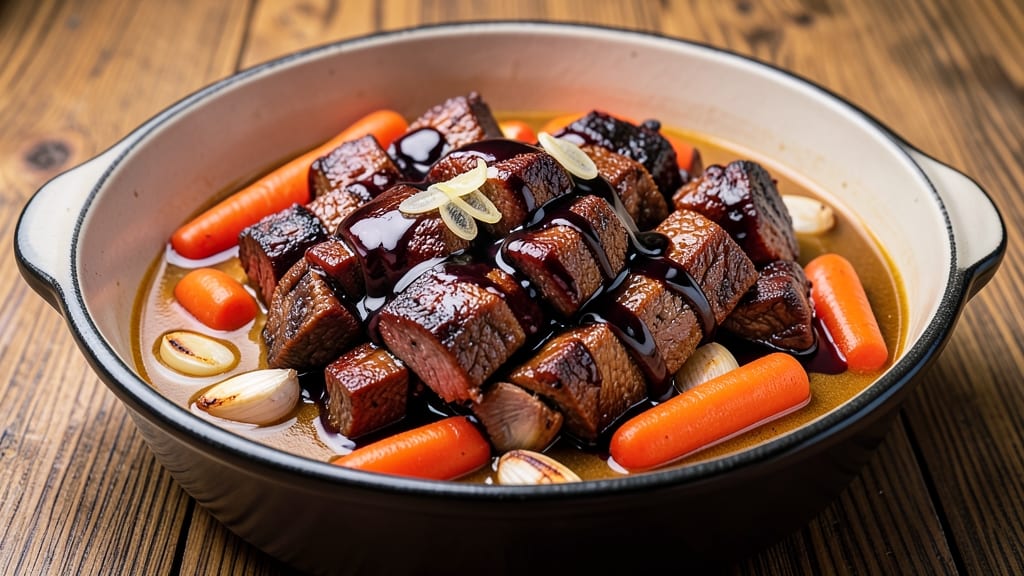
This balsamic braised beef recipe transforms tough cuts into melt-in-your-mouth perfection through slow simmering and caramelized depth. The secret lies in searing beef first to build flavor, then braising it for hours until tender while the balsamic reduction develops into a rich, glossy sauce.
Every bite delivers layers of sweetness, acidity, and umami that elevate simple weeknight dinners to restaurant-quality meals.
The process begins with a deep sear in a Dutch oven, creating a flavorful crust that dissolves into the sauce during braising. Red wine and beef broth form the base, while balsamic vinegar adds complexity as it reduces into a glossy, slightly sweet glaze.
The long cooking time—typically 2 to 3 hours—breaks down connective tissue, resulting in beef that nearly falls apart at the touch. This method works best with chuck roast, though other tough cuts like short ribs or brisket will also yield incredible results.
What makes this dish truly special is the caramelized fond that forms at the bottom of the pot—a treasure trove of concentrated flavors.
Deglazing with wine and scraping up these browned bits ensures no flavor is wasted, while the final reduction of balsamic creates a sauce that's both elegant and deeply satisfying.
The aroma alone will have everyone gathering around the table, and the first bite delivers that perfect balance of tender meat and rich, tangy sauce.
Serve this luxurious braised beef over creamy mashed potatoes, polenta, or crusty bread to soak up every last drop of that velvety sauce. The dish reheats beautifully, making it ideal for meal prep or entertaining guests.
With minimal effort and maximum flavor, this recipe proves that slow cooking can be both impressive and approachable—perfect for cooks who want restaurant-quality results without the fuss.
Ingredients for balsamic braised beef
The secret to melt-in-your-mouth beef lies in these 13 ingredients—bold flavors and simple techniques transform tough cuts into restaurant-quality luxury.
| Ingredient | Amount | Notes |
|---|---|---|
| Chuck Roast 🥩 | 2 ½ lb | Cut into 1.5-inch cubes |
| Red Wine 🍷 | 1 cup | Bold, dry variety like Cabernet Sauvignon |
| Beef Broth 💧 | 2 cups | Low-sodium preferred |
| Balsamic Vinegar 🍶 | ½ cup | Aged for richer flavor |
| Garlic Cloves 🧄 | 6 cloves | Smashed for deeper flavor |
| Carrots 🥕 | 3 medium | Peeled and sliced into rounds |
| Yellow Onion 🧅 | 1 whole | Chopped into half-moons |
| Tomato Paste 🍅 | 2 tbsp | Smooth, not chunky |
| Fresh Thyme 🌿 | ½ ounce | Or 1 tbsp dried |
| Black Peppercorns 🌶️ | 1 tsp | Freshly cracked |
| Kosher Salt 🧂 | 1 ½ tsp | Diamond Crystal preferred |
| Olive Oil 🫒 | 2 tbsp | Extra-virgin for searing |
| All-Purpose Flour 🌾 | 2 tbsp | For dusting beef |
The chuck roast is non-negotiable—it's packed with connective tissue that dissolves into silky perfection during braising. Grab the pre-cubed version from Costco or your butcher counter to save time, but if you're buying a whole roast, ask for it cut into 1.5-inch chunks. The balsamic vinegar should be aged (look for 'extra aged' on the label)—it's sweeter and richer than regular. For the wine, any bold, dry red works here—Cab Sauv, Merlot, whatever's open. The beef broth? Low-sodium is key so you control the saltiness.
No red wine? Beef broth with a splash of balsamic gets you close—just add an extra tablespoon of balsamic vinegar to compensate. Fresh thyme is ideal but dried works at one-third the amount. If tomato paste feels like overkill for two tablespoons, those squeeze tubes at Trader Joe's are perfect—no waste, keeps for months. The carrots can be baby carrots if that's what's in the fridge, but regular carrots work too. For the garlic, smash the cloves with the side of your knife before adding—it releases more flavor. And if you're short on time, use pre-minced garlic from a jar (just drain it well).
This dish tastes even better the next day, so make extra if you can. The braised beef keeps for 4-5 days in the fridge, and the sauce freezes beautifully for 3 months. I always portion mine into containers so lunches are sorted for the week—just reheat with a splash of water or broth. For serving, crusty bread or creamy polenta soaks up every last drop of that velvety sauce. And trust me, the caramelized fond at the bottom? That's the good stuff—don't skip scraping it up!
Why You'll Love This Recipe
- One-Pot Magic: I swear by this recipe when I don’t want to wash a million dishes. Chuck roast goes in raw, wine and broth bubble away, and by the time the garlic’s caramelizing, you’re basically done. The balsamic glaze does the work for you—no flipping, no fuss.
- Rich Without Effort: Between the red wine’s deep umami and the balsamic’s tangy sweetness, this dish tastes like it simmered for hours—even though it’s ready in under 2. The garlic cloves? They melt into the meat, leaving you with that just-right flavor, not a single bite of raw garlic to deal with.
- Weeknight to Dinner Party: I make this for lazy Tuesday nights when I’m too tired to think, but it’s also the star of my holiday table. The leftovers? Even better the next day—toss it in sandwiches, serve it over mashed potatoes, or just eat it straight from the pot. No judgment here.
- Budget-Friendly Feast: Chuck roast is cheap, but this recipe makes it feel special. A bottle of wine, a little vinegar, and broth stretch to feed four (or five if you’re me). Honestly, the only thing costlier is the time you don’t spend stressing over a complicated meal.
Step-by-step instructions for balsamic braised beef
This luxurious braise delivers melt-in-your-mouth beef with a rich, caramelized sauce that sings of balsamic and wine.
Sear the Chuck Roast for Maximum Flavor
Pat the 2.5 lb chuck roast dry with paper towels—this ensures a proper sear. Heat the 2 tbsp olive oil in a Dutch oven over medium-high heat until shimmering. Working in batches if needed, add the beef cubes and sear for 3-4 minutes per side until deeply browned. Don't crowd the pan or the temperature will drop.
Here's the thing—those browned bits (fond) are pure flavor gold. I press down gently on the beef during the first minute to prevent curling, which guarantees even contact with the hot pan. Transfer the seared beef to a plate and set aside.
Build the Flavor Base with Aromatics
In the same Dutch oven, add the 1 whole yellow onion and 3 medium carrots (still in their rounds). Cook for 5 minutes until softened, stirring occasionally. Add the 6 smashed garlic cloves and cook for another 30 seconds until fragrant—you'll smell that sweet garlic aroma filling your kitchen.
Stir in the 2 tbsp tomato paste and cook for 1 minute until it darkens slightly. This step develops the sauce's depth. Sprinkle the beef with the 2 tbsp all-purpose flour and shake to coat evenly. Pour in the 1 cup red wine and scrape up all those delicious browned bits from the bottom of the pot.
Simmer the Braise Until Tender
Return the beef to the pot along with any accumulated juices. Add the 2 cups beef broth, 0.5 cup balsamic vinegar, 0.5 oz fresh thyme, 1.5 tsp kosher salt, and 1 tsp cracked black peppercorns. Bring to a gentle simmer, then reduce heat to maintain a bare bubble at the edges.
Cover and simmer for 2 hours. Here's where patience pays off—the beef will become fork-tender as it breaks down in the liquid. I check occasionally to ensure the liquid level hasn't evaporated too much, adding a splash of water if needed. The sauce should reduce slightly but remain saucy enough to coat the beef.
Finish with a Glossy, Caramelized Sauce
Once the beef is fork-tender (it should pull apart easily), remove the lid and increase heat to medium. Simmer uncovered for 10-15 minutes to reduce the sauce and develop a glossy sheen. The balsamic will caramelize slightly, creating that luxurious finish we're after.
Taste and adjust seasoning—you might need a touch more salt or pepper depending on your broth. The sauce should coat the back of a spoon with a velvety texture. If it's too thin, simmer a bit longer to thicken it. This is the moment that matters: where all the flavors meld into perfect harmony.
Rest and Serve with Pan Sauce
Transfer the beef to a serving platter, skimming any excess fat from the sauce if desired. Let the beef rest for 10 minutes before serving—this allows the juices to redistribute throughout the meat. Spoon the rich balsamic sauce over the beef and serve immediately with crusty bread or polenta.
Each bite should deliver tender, flavorful beef with a sauce that balances sweet, tangy, and savory notes. The beef should be so tender it nearly falls apart at the touch, while the sauce clings beautifully to every strand. This is comfort food elevated to luxurious heights.
Pro Tips For Making Balsamic Braised Beef
- SEAR THE ROAST FIRST: High heat for 4-5 minutes per side—don’t rush this. The crust locks in flavor and keeps the meat from turning mushy later, especially with a chuck roast that’s got more connective tissue than a steak.
- USE AGED BALSAMIC: Skip the cheap stuff. A 10-year or older balsamic glaze (or even a splash of aged balsamic vinegar) adds depth that regular balsamic just can’t match. I used to scrimp here, and the sauce always tasted flat—now I treat it like a fine wine.
- DEGLAZE WITH WINE IMMEDIATELY: As soon as you remove the roast, pour in that red wine and scrape every last bit of browned bits from the pan. Those bits are pure flavor—ignore them, and your sauce will taste watery. (Yes, even if you’re impatient like me.)
- SIMMER LOW AND COVERED: After adding broth, turn the heat down to a bare simmer and cover the pot. Too high, and the liquid evaporates too fast, leaving you with dry meat. Too low, and it won’t tenderize. Find that sweet spot where bubbles rise lazily—about 2-3 hours for a 3-pound roast.
Regional styles of these flavors
Italian Grandma's Style
In Italy, braised beef often gets a rustic touch with San Marzano tomatoes blended into the sauce for natural sweetness. I like adding 1 cup crushed tomatoes along with the balsamic to create a deeper, fruitier profile.
Many Italian versions also include rosemary instead of thyme—try 1 sprig for an earthy aroma. The dish is traditionally served with polenta or fresh pasta to soak up the sauce. 🍷
French Classic Approach
The French take their braising seriously, often using red Burgundy wine instead of Cabernet for a more refined acidity. Add 1 tbsp Dijon mustard to the sauce during the final reduction for complexity.
French cooks also emphasize browning the beef longer—up to 5 minutes per side—to develop deeper fond flavors. Serve with crusty baguette and buttery mashed potatoes for the full bistro experience. 🥖
Texas BBQ Twist
In Texas, balsamic braised beef gets a smoky upgrade with 1 tbsp smoked paprika and ½ cup beef stock swapped for broth. Some versions even include 1 chipotle pepper in adobo for subtle heat.
The dish pairs perfectly with cornbread and collard greens for a Southern-inspired meal. I've seen Texas-style braises cooked with apple cider vinegar instead of balsamic for a tangier kick. 🌶️
Japanese-Inspired Umami Boost
For a Japanese-inspired version, add 1 tbsp soy sauce and 1 tsp grated ginger during the final reduction. The umami from soy enhances the balsamic's sweetness beautifully. Some chefs also include shiitake mushrooms (about 4 slices) when building the flavor base.
Serve over steamed jasmine rice or udon noodles for a fusion twist that's surprisingly delicious. 🍜
Spanish Sherry Reduction
Spanish cooks often replace red wine with ½ cup amontillado sherry for a nutty depth. Add 1 tsp smoked paprika and 1 bay leaf to the braising liquid for authentic flavor.
The dish pairs wonderfully with paella rice or garlic roasted potatoes. I've found that Spanish versions tend to braise the beef slightly longer—up to 2.5 hours—for extra tenderness. 🍷
Nutrition facts
Frequently asked questions
Can I use a different cut of beef for this recipe?
While chuck roast is ideal, short ribs, brisket, or even stew beef work beautifully. The key is choosing a tough cut with connective tissue that breaks down during braising. For ribs, reduce the cooking time to 1.5-2 hours since they cook faster.
What if I don't have red wine? Can I substitute?
Yes! Use 2 cups beef broth plus 1 tbsp balsamic vinegar extra to mimic the depth. For more complexity, add 1 tsp soy sauce or ½ cup beef stock with 1 tsp Worcestershire sauce. The dish will still be flavorful, though the wine adds a special richness.
How do I know when the beef is fully tender?
Test with a fork or skewer—it should pierce easily with no resistance. The beef should also pull apart slightly when prodded. If it's still tough after 2 hours, add ½ cup hot water and simmer 30 more minutes uncovered. The sauce should coat the beef like a glaze.
Can I make this recipe in a slow cooker?
Yes! Sear the beef first, then transfer everything to a slow cooker. Cook on low for 6-8 hours or high for 3-4 hours. The sauce may be thinner, so reduce it on the stovetop afterward. For extra depth, finish with 1 tbsp balsamic vinegar and 1 tsp butter at the end.
What's the best way to reheat leftovers?
Reheat gently in a skillet with a splash of beef broth or water to loosen the sauce. Keep heat medium-low for 5-7 minutes—never microwave directly. The sauce should thicken slightly, and the beef will stay tender. Store leftovers for 4-5 days in the fridge or freeze the sauce separately for 3 months.