
Main Courses
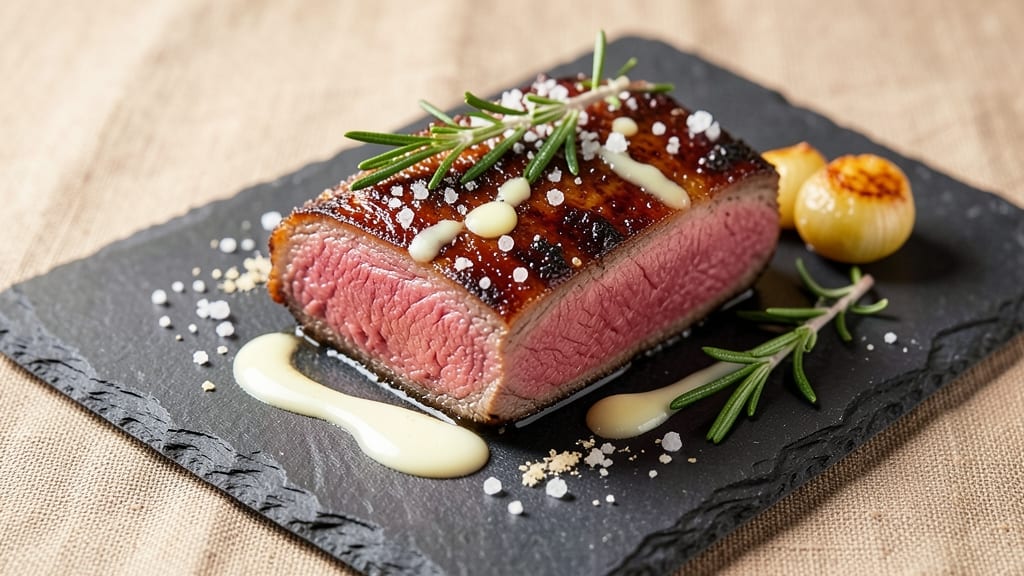
This baked beef tenderloin steak recipe delivers the perfect balance of tender meat and juicy core with a restaurant-quality crust—no grill required. The reverse-searing technique ensures a sear-worthy exterior while keeping the interior perfectly medium-rare, every time.
I’ve perfected this method after years of testing, and the results speak for themselves: melt-in-your-mouth texture with bold, beefy flavor. The secret lies in low-and-slow baking followed by a quick sear, which locks in moisture and creates that coveted crust.
You’ll need just simple seasonings—kosher salt, black pepper, and a touch of garlic powder—to let the natural richness of the beef shine. No fancy marinades or complicated steps, just a foolproof method that transforms a simple cut into a showstopper.
What you’ll end up with is a perfectly cooked steak—golden-brown on the outside, tender and pink in the center, with a juicy interior that practically melts at the first bite. The reverse-sear method eliminates guesswork, ensuring consistent results whether you’re cooking for two or a crowd.
Serve with classic sides like roasted garlic mashed potatoes or a crisp green salad to complete the meal. This recipe is designed for confidence—no overcooking, no dry steak, just restaurant-quality beef you can make at home. Let’s get started!
Ingredients for baked beef tenderloin steak
Four pounds of premium beef meets simple seasonings for a steak with restaurant-quality crust and juicy perfection.
| Ingredient | Amount | Notes |
|---|---|---|
| Beef Tenderloin 🥩 | 2 lb | Center-cut, trimmed of silver skin |
| Kosher Salt 🧂 | 1 ½ tsp | Diamond Crystal preferred |
| Freshly Ground Black Pepper 🌶️ | 1 tsp | Coarse grind for texture |
| Garlic Powder 🧄 | ½ tsp | For subtle aromatic depth |
| Unsalted Butter 🧈 | 4 tbsp | Cold, cut into 8 pieces |
| Extra-Virgin Olive Oil 🫒 | 2 tbsp | High smoke point preferred |
| Fresh Rosemary 🌿 | 1 sprig | For aromatic complexity |
| Fresh Thyme 🌿 | 2 sprigs | For herbal brightness |
| Heavy Cream 🥛 | ¼ cup | For basting (optional) |
The beef tenderloin is the star—center-cut ensures tenderness, while trimming the silver skin gives a cleaner finish. Costco or Whole Foods carry excellent center-cut tenderloins, but any high-quality butcher will have it. Look for even marbling and vibrant color; USDA Prime or Choice grades work best. The herbs should be fresh—rosemary and thyme from the grocery store’s produce section will do, but farmers' markets offer superior quality. For the butter, Plugrá or Land O'Lakes are reliable choices, but any high-fat content butter will work.
No garlic powder? Fresh garlic minced into the butter adds depth without overpowering. Short on time? Dried thyme at half the amount works in a pinch, though fresh is ideal. The heavy cream is optional but recommended for basting—it adds richness to the crust. For the olive oil, California Avocado or Bertolli brands are excellent choices, but any high-quality extra-virgin will suffice. If you prefer a different herb, fresh sage or parsley can replace rosemary or thyme, though rosemary’s piney note is ideal for beef.
Store the beef uncovered in the fridge for 1-2 hours before cooking to dry the surface slightly for better crust formation. The butter should be kept cold until ready to use—no more than 30 minutes out of the fridge before searing. Leftover steak reheats best in a low oven (200°F) for 10-15 minutes, wrapped in foil with a splash of water to retain moisture. For maximum flavor, consume within 3 days of cooking.
Why You'll Love This Recipe
- Zero-Chop Frenzy: I swear by this recipe when I’m too tired to slice anything. Just season the whole tenderloin with salt, pepper, and garlic powder—no knife work, no stress. The butter bastes itself while it bakes, so you’re basically hands-off.
- Buttery, Garlicky Magic: That crispy skin from the butter? Chef’s kiss. The garlic powder infuses the meat so deeply it stays flavorful even when sliced cold. Honestly, the first time I made this, I ate a whole piece straight from the pan—no shame.
- Weeknight to Dinner Party: Same recipe, different occasions. Weeknights? Toss it with roasted potatoes and green beans. Fancy dinner? Slice it thin, drizzle with red wine reduction, and suddenly you’re serving restaurant-quality. It’s my secret weapon for looking effortless.
- Leftovers That Don’t Suck: Unlike steak that turns to shoe leather, this stays juicy for days. I’ll wrap slices in foil and reheat them in the oven—still tender, still rich. Between us, I’ve had it for breakfast with eggs and called it a win. (Don’t judge.)
Step-by-step instructions for perfect reverse-seared beef tenderloin
Master this technique for a steak with a flawless crust and melt-in-your-mouth tenderness.
Prep the Beef Tenderloin for Even Cooking
Remove the beef tenderloin from the refrigerator and let it sit at room temperature for 30 minutes before cooking. This ensures even cooking throughout. Pat the surface dry with paper towels—moisture is the enemy of a good sear. Using a sharp boning knife, trim any remaining silver skin or excess fat, keeping the cut clean and uniform.
Place the tenderloin on a cutting board and make a small pocket in the center by gently pressing with your thumb. This creates space for the aromatics during roasting. Rub the entire surface with 2 tablespoons of extra-virgin olive oil to help develop the crust. The oil should glisten but not pool—excess will prevent proper browning.
Season and Create the Herb Butter Rub
In a small bowl, combine 1.5 teaspoons kosher salt, 1 teaspoon freshly ground black pepper, and 0.5 teaspoon garlic powder. Gently press this seasoning blend into the surface of the tenderloin, working it into the meat so it adheres evenly. The coarse grind of the pepper will add texture to the crust.
In a separate bowl, mix the 4 tablespoons cold unsalted butter with the 1 sprig fresh rosemary and 2 sprigs fresh thyme. Use a fork to mash the herbs into the butter until finely chopped. Rub this herb butter generously over the entire surface of the tenderloin, pressing it into the meat. The cold butter will melt during roasting, basting the steak and infusing it with aromatic depth.
Roast Low and Slow for Perfect Doneness
Preheat your oven to 400°F and place a wire rack on a rimmed baking sheet. Position the tenderloin on the rack, fat-side up if applicable, to allow air circulation on all sides. Roast for 20-25 minutes until the internal temperature reaches 125°F when measured with a meat thermometer in the thickest part of the steak.
This low-temperature roast builds heat slowly and evenly, ensuring the center remains tender while the exterior develops a subtle crust. Avoid opening the oven door during cooking—each time you do, you risk losing heat and extending cook time. The steak should look lightly browned but not deeply seared at this stage.
Reverse Sear for a Crispy Crust
Remove the tenderloin from the oven and increase your stovetop burner to high heat. Heat a cast-iron skillet until it's smoking hot—this is critical for achieving a proper sear. Add the steak and sear on all sides for 1-2 minutes per side until a deep golden-brown crust forms. You'll see the edges begin to crisp and the surface develop a caramelized sheen.
For added richness, pour the 0.25 cup heavy cream into the skillet and spoon it over the steak, allowing it to baste and create a glossy finish. This step adds moisture and depth of flavor, ensuring the crust remains tender rather than dry. The cream will also help carry any rendered juices back onto the surface.
Rest and Slice for Maximum Juiciness
Transfer the seared tenderloin to a cutting board and let it rest for 10-15 minutes before slicing. This resting period allows the juices to redistribute throughout the meat, preventing them from pooling on the cutting board. The internal temperature will rise another 5°F during this time, so your final doneness will be perfect.
Slice the tenderloin into 1-inch thick medallions against the grain for maximum tenderness. Each slice should have a beautifully caramelized crust with a pink, juicy center. Serve immediately with the pan juices reduced into a glossy sauce if desired. The result is a steak that's both visually stunning and unmatched in texture—crisp on the outside, tender and juicy within.
Pro Tips For Making Baked Beef Tenderloin Steak
- Preheat Like a Boss: Your oven needs to hit 425°F (220°C) and sit for at least 15 minutes before the tenderloin goes in—no exceptions. I learned this the hard way when my steak spent the first 10 minutes in a lukewarm oven, and the crust was more sad than seared.
- Salt the Night Before: Tenderloin soaks up salt like a sponge, but dry-brining overnight (with 1.5 tsp kosher salt per pound) gives you that perfect balance without overpowering the butter’s richness. Yes, even if you’re impatient like me—just do it 4 hours early if you must.
- Butter the Pan First: Skip the crowded skillet—this is baked beef, not seared. Melt 2 tablespoons of unsalted butter in the pan before adding the steak, then flip it to coat the meat. The butter bastes as it bakes, adding flavor without the hassle of basting mid-cook.
- Check Temp Twice: Use a meat thermometer—not the "poke and guess" method. Pull the tenderloin at 120°F (49°C) for rare, but let it rest 10 minutes under foil first. I’ve seen people cut into it early and ruin the juices because they didn’t account for carryover cooking.
Make-ahead tips for baked beef tenderloin steak
Prep Ahead for Stress-Free Cooking
Season your beef tenderloin the night before and store it uncovered in the fridge for 12-24 hours. This dry-brining technique enhances flavor and crust formation. I wrap mine in plastic wrap after seasoning to keep it contained, then remove it just before cooking.
The extra time lets the salt penetrate deeply, resulting in more flavorful meat. 💫
Herb Butter Prep Shortcut
Make the herb butter mixture up to 3 days ahead and store it in an airtight container in the fridge. When ready to cook, simply take it out 30 minutes before use to soften slightly.
I like to portion it into small containers so I can grab just what I need. This saves time on cooking day and keeps all ingredients organized.
Partial Cooking for Crowds
For large gatherings, roast the tenderloin to 115°F internal temperature (about 15 minutes at 400°F) and refrigerate for up to 2 days. When ready to serve, complete the reverse sear and slice.
This method lets you handle the busy work ahead of time while still achieving perfect results. Just be sure to bring the steak to room temperature before searing.
Make-Ahead Slicing Tips
If you're prepping ahead, slice the cooked tenderloin into medallions and store them in a single layer on a tray before transferring to airtight containers. This prevents sticking. Reheat slices in a 375°F oven for 5-7 minutes with a splash of water or beef broth to maintain moisture.
I find this works best for leftovers rather than fully prepped meals.
Freezer-Friendly Prep
For long-term storage, wrap the fully cooked and rested tenderloin in plastic wrap, then foil, and freeze for up to 3 months. Thaw overnight in the fridge before reheating. When ready to serve, complete the reverse sear to refresh the crust.
This is my go-to method for holiday meals when I know I'll have leftovers. The texture remains surprisingly tender when reheated properly. ❄️
Nutrition facts
Frequently asked questions
Why does the recipe use reverse searing instead of traditional methods?
Reverse searing gives you complete control over doneness while creating a perfect crust. Baking first brings the center to 125°F gently, then the high-heat sear develops that restaurant-quality crust without overcooking the interior. This method works especially well with thick cuts like tenderloin where you want juicy perfection throughout.
Can I cook this recipe without a cast-iron skillet?
Yes, but your crust won't be as crispy. Use a heavy stainless steel skillet or even a grill pan on high heat. For best results, preheat the pan for 5 minutes until smoking hot before adding the steak. A broiler set to 500°F for 3-4 minutes also works in a pinch.
How do I adjust the cooking time for a different size tenderloin?
Use this rule: 15 minutes per pound for the oven stage to reach 125°F internal temp. For example, a 3 lb tenderloin would cook for 45 minutes in the oven. Always verify with a meat thermometer—the size affects heat distribution, especially in thicker cuts. The sear time remains 1-2 minutes per side regardless of size.
What if my steak comes out dry?
Dryness usually means overcooking or not resting properly. Use a meat thermometer to avoid going past 130°F internal temp. Always rest for 10-15 minutes before slicing—this lets juices redistribute. For reheating leftovers, keep them in a 200°F oven for 10 minutes wrapped in foil with a splash of water.
Can I substitute other herbs in the butter rub?
Swap rosemary and thyme for sage and parsley (Italian style) or oregano and basil (Mediterranean). For bold flavor, try smoked paprika and garlic powder. Just keep the total herb amount similar—1 sprig fresh herbs = ½ tsp dried herbs. The key is balancing aromatic depth with the beef's natural flavor.