
Main Courses
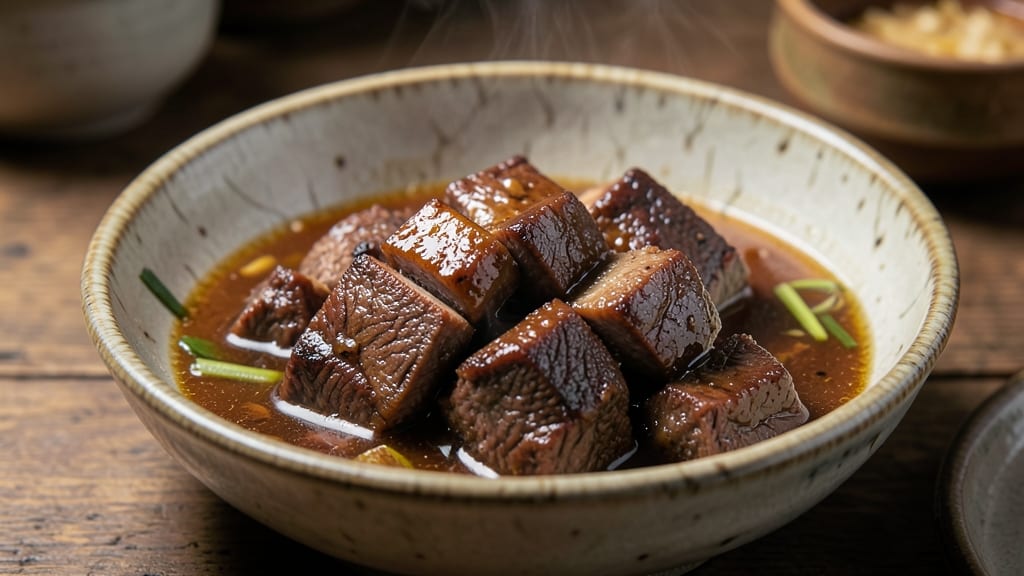
This authentic beef rendang recipe delivers the slow-cooked, caramelized spice experience that defines Indonesian cuisine—where tender beef melts into a rich, aromatic sauce that clings to every bone. 🌟 The secret lies in a meticulously balanced spice paste and hours of gentle simmering, transforming tough cuts into melt-in-your-mouth perfection.
Unlike shortcut versions, this method captures the deep, complex flavors of traditional rendang, where coconut milk reduces into a thick, fragrant sauce with layers of heat and sweetness.
The process begins with a vibrant spice paste—galangal, lemongrass, turmeric, and chili—pounded into a fragrant paste that forms the soul of the dish. Beef is marinated in this paste before slow-cooking for 6+ hours, allowing flavors to penetrate deeply while the sauce caramelizes into a glossy, sticky glaze.
The result is beef so tender it falls apart at the touch, bathed in a sauce that’s both sweet and savory, with a subtle smokiness from the spices.
What sets this rendang apart is its authentic texture—the beef remains juicy, while the sauce thickens into a syrupy consistency that coats each bite. Served over steamed jasmine rice with a side of sambal, it’s a dish that commands the table, offering warmth and depth in every spoonful.
The aroma alone will transport you to a bustling Indonesian kitchen, where rendang is celebrated as a centerpiece for gatherings and special occasions.
While the cooking time is long, the effort is rewarded with a dish that tastes like love—rich, aromatic, and impossibly tender. This is the rendang your family will ask for again and again, proving that patience in the kitchen yields flavors no shortcut can replicate.
Let’s begin the journey to create this iconic Indonesian masterpiece.
Ingredients for authentic beef rendang
Six pounds of beef, two cans of coconut milk, and a spice blend that transforms tough cuts into melt-in-your-mouth perfection.
| Ingredient | Amount | Notes |
|---|---|---|
| Beef Chuck Roast 🥩 | 3 lb | Cut into 2-inch cubes, marbled fat preferred |
| Coconut Milk 🥥 | 2 cans | Full-fat, 13.5 oz each, unsweetened |
| Lemongrass 🌿 | 3 whole | White parts only, bruised for flavor |
| Fresh Galangal 🍃 | 1 piece | Substitute ginger if unavailable |
| Fresh Ginger 🧄 | 1 inch | Peeled, sliced into thin coins |
| Garlic Cloves 🧄 | 8 cloves | Minced, skin left on for color |
| Shallots 🧅 | 6 whole | Peeled, thinly sliced |
| Red Chili Peppers 🌶️ | 4 whole | Bird's eye or Thai chilies, seeds removed |
| Turmeric Powder 🌿 | 2 tbsp | Freshly ground preferred |
| Coriander Seeds 🌿 | 1 tbsp | Toasted lightly for aroma |
| Cumin Seeds 🌿 | 1 tbsp | Toasted with coriander |
| Salt 🧂 | 2 tsp | Kosher or sea salt |
| Coconut Oil 🫒 | 2 tbsp | For toasting spices |
| Brown Sugar 🍚 | 2 tbsp | Lightly packed |
| Jasmine Rice 🍚 | 2 cups | Uncooked, for serving |
The beef is non-negotiable—chuck roast with good marbling delivers that signature rendang texture. Costco or your local butcher are best for quality cuts; avoid leaner options. Lemongrass and galangal are the soul of this dish—Asian markets stock fresh galangal, but ginger works in a pinch. Toast your spices in coconut oil first—this step unlocks the deep, nutty aroma that defines authentic rendang. For the coconut milk, full-fat is essential—the richness won't reduce properly with light versions.
No galangal? Double the ginger, but it won't be identical. Short on lemongrass? Lime zest plus a splash of lime juice adds brightness. Chili peppers vary in heat—start with 2 whole for mild, 4 for medium. The brown sugar balances acidity; coconut sugar works too. For the shallots, red onion in a bind, but it lacks the sweetness. And if your recipe calls for 6 hours of simmering but you're short on time, braise on low heat overnight—the flavors develop just as deeply.
This rendang tastes better the next day—plan ahead. Store in an airtight container for up to 5 days in the fridge or 3 months frozen. For serving, steam jasmine rice while the rendang cooks—the aroma will fill your kitchen. Leftovers reheat beautifully; add a splash of water or coconut milk if the sauce thickens too much. The sauce clings to everything, so double the rice if you're hungry for seconds.
Why You'll Love This Recipe
- One-Pot Magic: I swear by this—just brown the beef, toss in the galangal and ginger, then let the coconut milk do its thing. No flipping pans, no stress, and that slow simmer? Pure hands-off luxury.
- Deep Umami Bomb: The trick is the long cook—lemongrass and ginger meld into the beef until it’s fall-apart tender, while the coconut milk turns rich and caramelized. Honestly, the first bite makes you question why you ever ate anything else.
- Leftovers That Shine: This isn’t one of those dishes that gets sad in the fridge. Reheat it, and it’s even better—drier, more concentrated, perfect for wraps or rice bowls. My lunch for a week, every time.
- Budget Stretch: A single chuck roast feeds six, and the spices cost pennies. Between us, this is how I feed my book club without breaking the bank. Plus, the leftovers stretch into next week’s meals. Smart.
Step-by-step instructions for authentic beef rendang
Here's how to craft this West Sumatran masterpiece with deep, caramelized spices that cling to every tender bite.
🔥 Step 1: Prepare the Spice Paste for Maximum Flavor
In a food processor, combine the 3 whole lemongrass (white parts only), 1 piece fresh galangal, 1 inch fresh ginger, 8 cloves garlic cloves (skin left on), 6 whole shallots, and 4 whole red chili peppers. Pulse until you achieve a thick, chunky paste—this texture is crucial for authentic rendang. Scrape down the sides as needed.
Transfer the paste to a heavy-bottomed pot and add 2 tbsp coconut oil. Cook over medium heat for 8-10 minutes, stirring constantly, until the oil separates and the paste becomes fragrant and deep golden brown. This step develops the complex flavors that define rendang—don't rush it. The paste should smell rich, earthy, and slightly sweet from the caramelization.
Now add 2 tbsp turmeric powder, 1 tbsp coriander seeds, and 1 tbsp cumin seeds. Toast these spices for 1-2 minutes until they release their aromatic oils. Immediately pour in 1 can coconut milk and stir well to combine. Let this mixture simmer gently for 5 minutes to allow the spices to fully infuse.
🍳 Step 2: Brown the Beef for Deep Flavor
While the spice mixture simmers, pat the 3 lb beef chuck roast dry with paper towels and cut it into 2-inch cubes. In a separate heavy pot, heat 1 tbsp coconut oil over high heat until shimmering. Working in batches, brown the beef cubes for 2-3 minutes per side until deeply caramelized and golden. This browning step creates the Maillard reaction that forms the rich, complex flavors of rendang.
Transfer the browned beef to your spice mixture, along with any accumulated juices in the pot. Stir to coat the beef evenly in the aromatic paste. Here's the thing—don't worry if it looks like too much liquid. The coconut milk will gradually reduce as we cook, creating that signature thick, caramelized sauce.
🥘 Step 3: Slow-Cook Until Tender and Caramelized
Pour in the remaining 1 can coconut milk and add 2 tbsp brown sugar and 2 tsp salt. Stir well to combine, then reduce heat to low. Here's where the magic happens: cover the pot and let it simmer gently for 2.5-3 hours, stirring occasionally. The key is patience—this slow cooking allows the beef to become fork-tender while the coconut milk reduces into a thick, glossy sauce that clings to every bite.
After 2 hours, uncover the pot and increase heat to medium-low. Let the sauce continue to reduce and caramelize for another 30-45 minutes, stirring frequently. You're looking for a sauce that coats the back of a spoon and has a deep, rich color. The beef should be so tender it practically falls apart with a gentle touch, and the sauce should have a sticky, jam-like consistency.
⏰ Step 4: Rest and Serve with Jasmine Rice
Once the rendang reaches your desired consistency, remove it from heat and let it rest for 10-15 minutes. This resting period allows the flavors to meld even more deeply. Taste and adjust seasoning if needed—you might want to add a splash more coconut milk if the sauce is too thick, or a pinch of salt if it needs more depth.
Serve the beef rendang immediately over 2 cups cooked jasmine rice, spooning generous amounts of that beautiful caramelized sauce over the top. The rice should be perfectly steamed and slightly sticky to complement the rich, spicy beef. Garnish with fresh cilantro if you like, though traditional rendang is often served plain to let the complex flavors shine.
Pro Tips For Making Authentic Beef Rendang
- BLOOD THE MEAT FIRST: I learned this the hard way—skipping the salt-and-pepper rub before searing leaves your beef bland no matter how long you cook it. Pat the chuck roast dry, then generously coat it with salt, pepper, and a pinch of turmeric (for color) at least 30 minutes before cooking. Let it sit uncovered in the fridge—this helps the spices penetrate deeper.
- PEEL GALANGAL THINLY: Fresh galangal’s tough, fibrous skin won’t soften, so don’t waste time trying to cook it out. Use a sharp knife to shave it into paper-thin slices (about 1/16-inch thick) before adding it to the pot. This way, it blends into the sauce instead of sitting as chewy chunks—no one wants to pick through their rendang.
- SIMMER LOW AND LONG: After the initial sear and coconut milk addition, resist the urge to crank the heat. Rendang needs gentle bubbling—around 180°F (82°C)—for 3-4 hours to develop its signature caramelized depth. I used to rush it, and the sauce ended up thin and one-dimensional. Trust the process; your future self will notice the difference.
- STRAIN THE PASTE: Homemade rendang paste is the soul of the dish, but it can make the sauce grainy if not handled right. After blending your lemongrass, galangal, ginger, and spices into a paste, strain it through a fine-mesh sieve before adding it to the pot. This removes fibrous bits that turn to mush, giving you a silky-smooth sauce every time—no extra straining later.
Storing and reheating this authentic beef rendang
Refrigerator Storage
Let your rendang cool completely before transferring to airtight containers—I use glass Pyrex with tight-sealing lids. Store at 40°F or below for up to 5 days, though the flavors actually deepen overnight as spices meld. The sauce thickens further, creating that signature jam-like consistency. 🌟
Freezer Preservation
For long-term storage, freeze rendang in quart-sized freezer bags with 1-inch headspace to prevent cracking. Label with the date—it keeps for 3 months without losing texture. Thaw overnight in the fridge, then reheat gently on the stovetop with a splash of coconut milk to restore moisture.
The beef remains tender, though the sauce may separate slightly.
Stovetop Reheating
My preferred method is low-and-slow reheating: place rendang in a heavy-bottomed pot over medium-low heat with ¼ cup water or coconut milk. Stir frequently for 15-20 minutes until reaching 165°F internal temperature.
The sauce will thicken again—add more liquid if needed. Avoid high heat, which can make the sauce grainy. ✨
Microwave Shortcuts
For quick meals, transfer rendang to a microwave-safe dish and cover loosely with a damp paper towel. Heat on 50% power for 3-4 minutes, stirring halfway. Add 1-2 tablespoons of water if the sauce looks too dry. Microwaving works best for single servings—portions reheat more evenly than larger batches.
Sauce Consistency Fixes
If your reheated rendang is too thick, stir in 1-2 tablespoons of warm water or coconut milk until silky. For separation issues, gently simmer the sauce alone for 5 minutes to re-emulsify.
The key is patience—never rush reheating, or you’ll lose that velvety texture. A splash of lime juice can also brighten flavors if the dish tastes flat.
Serving Leftovers
Rendang tastes even better the next day—serve with steamed jasmine rice and a side of sambal for heat. Garnish with fresh cilantro or lime wedges if desired. For extra richness, drizzle with toasted coconut flakes or serve with fried shallots on top.
The leftovers make fantastic lunches or meal prep for the week ahead. 💫
Nutrition facts
Frequently asked questions about authentic beef rendang
Why does authentic rendang need such a long cooking time?
The 6+ hour slow cook is essential to develop the dish's signature deep flavors and tender texture. The spices need time to infuse into the beef, while the coconut milk gradually reduces into a thick, caramelized sauce. This process creates the perfect balance of sweet, spicy, and savory notes that define authentic rendang.
Can I substitute galangal with something else?
Yes, but it won't be identical. Use double the ginger for the closest substitute, though it lacks galangal's unique citrusy, peppery flavor. For extra brightness, add ½ teaspoon lime zest to the spice paste. Galangal's aromatic oils are what give rendang its complex depth, so if possible, track it down at Asian markets.
How do I know when the rendang is done?
The beef should be fork-tender and practically fall apart when pierced. The sauce should coat the back of a spoon and have a glossy, jam-like consistency with a deep reddish-brown color. If the sauce reduces too much, add a splash of coconut milk to maintain the perfect balance. The aroma should be rich, spicy, and irresistibly inviting.
What's the best way to reheat rendang without drying it out?
Use the stovetop method for best results: heat on medium-low with ¼ cup water or coconut milk, stirring frequently for 15-20 minutes. Avoid microwaving for large batches, as it can make the sauce grainy. For extra richness, add a pat of butter or a spoonful of coconut cream during reheating.
Can I make rendang with chicken or pork instead of beef?
While beef is traditional, you can adapt the recipe for chicken or pork by reducing cooking time to 2-3 hours (chicken) or 3-4 hours (pork). For chicken, use bone-in thighs for best texture. Pork should be cut into similar-sized pieces as beef. The spice paste and sauce ratios remain the same, but monitor the meat's doneness carefully to prevent overcooking.