
Main Courses
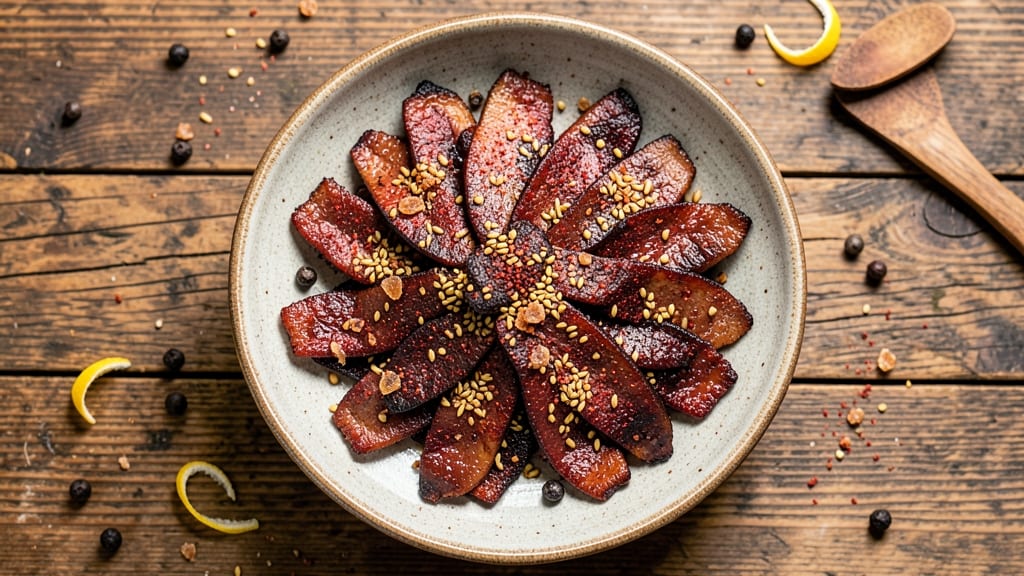
This Australian beef jerky recipe delivers the perfect balance of smoky depth and sweet undertones that make it irresistible. What sets it apart is the traditional approach—lean cuts of beef marinated in a blend of native spices and a touch of brown sugar, then slow-dried to create chewy, flavor-packed bites that last for months. The process is straightforward, but the results are restaurant-quality, with a texture that’s tender yet firm enough to hold its shape.
Unlike mass-produced jerky, this recipe focuses on quality ingredients and proper curing techniques to ensure safety and maximum flavor.
You’ll start with thinly sliced beef, a marinade that includes wattleseed (if available) or a classic mix of salt, pepper, and smoked paprika, and a drying method that preserves the meat’s natural richness.
The key is patience—allowing the jerky to dry slowly ensures it stays moist and packed with flavor, not brittle or tough.
By the time you’re done, you’ll have a batch of jerky that’s perfect for hiking trips, snacking, or even gifting. The smoky-sweet profile makes it versatile enough for charcuterie boards or as a protein boost in salads and wraps.
Plus, the long shelf life means you can make a big batch and enjoy it for weeks without worrying about spoilage.
This method works equally well in a dehydrator, oven, or even with a smoker for added depth. Ready to make jerky that tastes like it came from an Australian outback kitchen? Let’s get started with the full recipe.
Ingredients for australian beef jerky
Lean beef and native spices create restaurant-quality jerky with smoky-sweet flavor that lasts months.
| Ingredient | Amount | Notes |
|---|---|---|
| Lean Beef Top Round Roast 🥩 | 2 lb | Thinly sliced against grain |
| Kosher Salt 🧂 | ½ cup | Diamond Crystal preferred |
| Ground Black Pepper 🌶️ | 2 tbsp | Freshly ground for best flavor |
| Smoked Paprika 🌶️ | 2 tbsp | For authentic smoky depth |
| Brown Sugar 🍯 | ¼ cup | Light or dark variety |
| Wattleseed (optional) 🌿 | 1 tbsp | For native Australian flavor |
| Garlic Powder 🧄 | 1 tbsp | Not garlic salt |
| Ground Cinnamon 🌿 | ½ tsp | Enhances sweetness |
| Lemon Juice 🍋 | ¼ cup | Freshly squeezed |
| Extra-Virgin Olive Oil 🫒 | 2 tbsp | For moisture and flavor |
| Cayenne Pepper (optional) 🔥 | ½ tsp | Adjust for heat preference |
The beef cut is everything—top round roast delivers that perfect lean-to-fat ratio for jerky. Ask your butcher to slice it paper-thin against the grain (about 1/8-inch thick). Costco or Whole Foods usually carry pre-sliced jerky beef, but if you're cutting it yourself, use a sharp knife and work in batches. For the spices, Penzeys carries authentic wattleseed if you want that true Australian touch, but smoked paprika gives great depth too. The brown sugar should be light—it dissolves better and won't overpower the smoky flavors. If you can't find wattleseed, toasted coffee beans ground into a powder make a decent substitute.
No wattleseed? Extra garlic powder (up to 2 tbsp) or a pinch of ground coriander adds complexity. Running low on brown sugar? Maple syrup at half the amount works in a pinch, though it'll be slightly more liquid. The lemon juice is non-negotiable—it tenderizes the meat and prevents spoilage. For the olive oil, use something with good fruity notes—California extra-virgin from Trader Joe's is my go-to. The cayenne is optional but recommended if you like heat—start with 1/4 tsp and taste before adding more. All your spices should be fresh; if they smell dull, toast them in a dry pan for 30 seconds to revive their flavor.
Marinated beef keeps in the fridge for up to 3 days—use within that time for best texture. For long-term storage, freeze the marinated strips on a parchment-lined tray until solid, then transfer to a sealed bag for up to 3 months. Once dried, properly cured jerky lasts 6-12 months in a cool, dark place or the fridge. The slow drying process is key—rushing it makes jerky tough. If you're using an oven, prop the door open slightly to allow moisture to escape. For extra authenticity, smoke the jerky over hickory or applewood chips during the final drying stage.
Why You'll Love This Recipe
- Five-Ingredient Magic: I swear by this combo—lean beef, smoked paprika, and a touch of brown sugar do all the heavy lifting. No fancy marinades, no stressing over herbs you don’t own. Just slice, season, and dehydrate. That’s it.
- Smoky-Sweet Crave: The smoked paprika gives it this deep, campfire vibe, while the brown sugar keeps it from being too dry. It’s the kind of flavor that sticks with you—perfect for when you’re craving something savory but don’t want to fire up the oven.
- Snack Attack Ready: Honestly, this jerky is my go-to for road trips, hiking, or just mindless snacking while binge-watching. It travels well, stays fresh for weeks, and I’ve even sent it in lunchboxes for my kids (they don’t know it’s “healthy”).
- Budget Protein Win: A whole top round roast stretches into pounds of jerky, and the ingredients? Basic pantry staples. I’ve made 30 servings for under $15—great for meal prep or when you’re trying to stretch groceries without sacrificing taste.
Step-by-step instructions for Australian beef jerky
This method delivers tender, flavorful jerky with a perfect balance of smoky-sweet heat.
Prepare the Beef for Maximum Flavor and Texture
Begin by slicing the 2 lb lean beef top round roast thinly against the grain using a sharp knife. Aim for slices about ¼-inch thick—this ensures quick cooking and tender bites. Place the slices in a large bowl and pat them dry with paper towels. Removing excess moisture helps the marinade adhere better and prevents soggy jerky.
While the beef dries, combine 0.5 cup kosher salt, 2 tbsp smoked paprika, 2 tbsp ground black pepper, 0.25 cup brown sugar, 1 tbsp garlic powder, 0.5 tsp ground cinnamon, and 0.5 tsp cayenne pepper (optional) in a small bowl. Mix well to distribute the spices evenly. If using, add 1 tbsp wattleseed for that authentic Australian touch.
Marinate the Beef Overnight for Deep Flavor
In a separate bowl, whisk together 0.25 cup lemon juice and 2 tbsp extra-virgin olive oil. Pour this liquid mixture over the dried beef slices, then sprinkle the spice blend evenly over the top. Use your hands to massage the marinade into the meat, ensuring every slice is coated. This step is critical—it guarantees even flavor distribution and tender results.
Cover the bowl with plastic wrap and refrigerate for at least 12 hours, or up to 24 hours for maximum flavor penetration. The acidity from the lemon juice will begin breaking down the meat fibers, while the spices infuse deeply. Don't skip this step—rushing the marinating process leads to bland, tough jerky.
Dry the Beef Thoroughly Before Dehydrating
After marinating, remove the beef from the refrigerator and let it sit at room temperature for 15-20 minutes. This prevents condensation when you transfer it to your dehydrator or oven. Line a baking sheet with paper towels and pat each slice dry with fresh paper towels. Removing all excess moisture is essential—it ensures your jerky dehydrates evenly and doesn't develop mold.
Arrange the dried slices in a single layer on a clean baking sheet or dehydrator tray, leaving about ½-inch between each piece. This spacing allows proper air circulation, which is key to even drying. If using a dehydrator, follow the manufacturer's instructions for beef jerky settings. If using an oven, we'll cover that in the next step.
Dehydrate Until Leather-Like and Flexible
For oven dehydration, preheat your oven to its lowest setting—typically 170°F—and prop the door open slightly with a wooden spoon to allow moisture to escape. Place the baking sheet in the oven and dehydrate for 4-6 hours, checking periodically. The jerky is done when it's pliable but not sticky, and when you bend a piece, it should snap with a slight crack but not break completely.
If using a dehydrator, set it to 160°F and dehydrate for 6-8 hours, again checking for the proper texture. The goal is to remove about 70% of the moisture from the beef. When the jerky reaches this state, it will be safe to store for months without refrigeration. Let the slices cool completely before packaging.
Package and Store for Long-Term Enjoyment
Once fully dehydrated, let the jerky cool to room temperature. Transfer it to airtight containers or vacuum-sealed bags to preserve freshness. Properly stored, this jerky will keep for 1-2 months at room temperature or up to 6 months in the freezer. The smoky-sweet flavor will intensify over time, making it an excellent snack for hiking, camping, or office emergencies.
To serve, simply tear into bite-sized pieces. The jerky should be tender yet firm, with a deep, complex flavor profile where the smokiness of the paprika and wattleseed (if used) balances the sweetness of the brown sugar and the tang of the lemon juice. Enjoy as a standalone snack or pair with a cold beverage for a satisfying contrast.
Pro Tips For Making Australian Beef Jerky
- FREEZE THE MEAT FIRST: I learned this the hard way—skipping the 24-hour freeze makes slicing the top round into even strips a nightmare. Pop it in the freezer for a day, then slice against the grain while it’s still cold (not solid). The strips will be cleaner, and the jerky chews better.
- SALT THE NIGHT BEFORE: This isn’t just about seasoning—it’s about tenderizing. Rub the beef with kosher salt and black pepper 12–24 hours ahead, then refrigerate uncovered. The salt breaks down proteins, and the dry surface ensures the smoked paprika and brown sugar stick like glue when you’re ready to dehydrate.
- WATCH THE DEHYDRATOR TEMP: Start hot, but finish low. If your dehydrator runs at 160°F (71°C) the whole time, you’ll end up with jerky that’s dry on the outside but still slightly damp inside—great for mold. After the first 4 hours, drop the temp to 145°F (63°C) for the last 6–8 hours. This keeps it chewy without gummy centers.
- SKIP THE PRE-SLICING MEASUREMENTS: Cut the strips to about ¼-inch thickness, but don’t stress over perfect uniformity. Thicker slices in the middle of the batch? Let them run a little longer. Thin edges? Pull them early. The dehydrator’s airflow will handle the rest—overthinking this just wastes time.
Troubleshooting your australian beef jerky
Jerky Too Dry?
If your jerky turns out brittle and dry, you likely dehydrated it too long or at too high a temperature. For oven drying, stick to 170°F and check every 30 minutes after 3 hours. Jerky should bend like leather—not snap like a cracker.
If using a dehydrator, reduce the temperature to 155°F and extend drying time by 1-2 hours. Humidity matters too—run a small fan near your drying setup to improve airflow. 🌡️
Jerky Too Chewy?
Overly chewy jerky usually means it didn’t dry enough or was marinated too long. First, verify your drying time—jerky should be pliable but firm. If it’s still too soft after 8 hours, increase the temperature by 5°F and try again.
For marinating, 12-24 hours is ideal; longer than 24 hours can make the meat mushy. Pat slices extra dry before dehydrating to prevent excess moisture retention.
Flavor Fading Fast?
If your jerky loses flavor quickly, it likely didn’t cure properly. Always use fresh spices (toast them in a dry pan for 30 seconds to revive flavor). Store jerky in vacuum-sealed bags or airtight glass containers to lock in moisture and aroma.
For extra protection, add a bay leaf to the storage container—it naturally preserves flavor. Avoid plastic bags, as they allow oxygen to degrade spices faster. 🌿
Mold or Spoilage?
Mold or spoilage usually happens from excess moisture or improper storage. Before dehydrating, ensure slices are completely dry—no wet spots. Store jerky in a cool, dark place (like a pantry) or freeze it for long-term storage.
If mold appears, discard the batch immediately—jerky is high-risk for bacterial growth if contaminated. Always wash hands and tools with hot, soapy water between batches.
Uneven Drying?
Uneven drying occurs when slices aren’t spaced properly or airflow is blocked. Arrange slices ½-inch apart on trays and rotate them halfway through drying. Use mesh dehydrator trays or wire racks to maximize airflow.
If using an oven, place a baking rack under the tray to prevent condensation buildup. For thick slices, trim them thinner before dehydrating to ensure even drying. ⚡
Jerky Sticking?
Sticky jerky means it didn’t dry long enough or had too much marinade. Next time, pat slices extra dry before dehydrating and reduce marinade time to 12 hours. If using a dehydrator, increase airflow by propping the door open slightly.
For oven drying, prop the door open 1 inch to release moisture. Let jerky cool completely before packaging to prevent condensation buildup in storage containers.
Nutrition facts
Frequently asked questions about Australian beef jerky
What’s the best cut of beef for authentic Australian jerky?
Always use top round roast or silverside—these lean cuts are traditional for Australian jerky. Ask your butcher to slice it paper-thin against the grain (about 1/8-inch thick) for maximum tenderness. Avoid fatty cuts like ribeye, as excess fat makes jerky greasy and spoils faster.
Can I substitute wattleseed if I can’t find it?
Yes! Wattleseed’s nutty flavor can be replaced with toasted coffee beans (ground) or extra garlic powder (1-2 tbsp). For a smoky depth, add 1 extra tbsp smoked paprika. The key is balancing the earthy notes—skip the wattleseed if you prefer a simpler, classic flavor profile.
How do I know when the jerky is fully dried?
Test for doneness by bending a piece—it should snap with a slight crack (like leather) but not break completely. If it bends without resistance, it needs more time. Weigh it too: jerky loses 70% of its moisture, so a 2-lb roast should yield about ½ lb finished jerky. Store in airtight containers to prevent reabsorption of humidity.
Is oven-dried jerky as good as dehydrator-made?
Both methods work, but dehydrators offer more consistent results. For oven drying, use 170°F with the door propped open to mimic airflow. Dehydrators let you monitor temperature precisely, reducing the risk of uneven drying. If using an oven, check slices every 30 minutes after 3 hours—overcooking turns jerky brittle.
Can I add other meats like venison or kangaroo?
Game meats like venison or kangaroo work beautifully—just adjust marinating time to 24-48 hours (wild game needs extra tenderizing). Use the same spice blend but reduce salt by 20% (game meats are naturally saltier). Slice thinner than beef (1/16-inch) to compensate for denser fibers.