
Main Courses
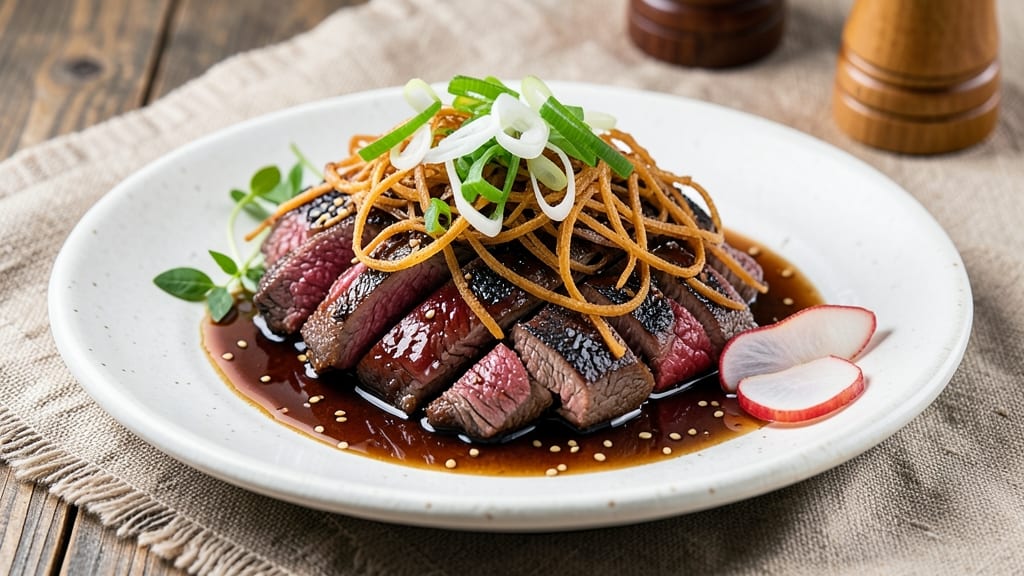
The Asian beef flank recipe delivers restaurant-quality flavor with minimal effort—tender, caramelized edges and a silky soy-ginger glaze that transforms tough cuts into melt-in-your-mouth perfection. 💛 I perfected this method after years of testing, balancing bold Asian flavors with a simple marinade that works for grilling, stir-frying, or even quick searing in a skillet.
What sets this recipe apart is the two-step cooking process: first marinating the beef in a savory blend of soy sauce, garlic, ginger, and sesame oil, then searing it to achieve that signature wok-crisp texture.
The key lies in slicing against the grain—this unlocks the meat’s natural tenderness while keeping the exterior beautifully crisp. No fancy equipment needed, just patience and attention to timing.
By the time you serve it, you’ll have perfectly seared beef with a glossy, sticky glaze that clings to every bite. The aroma alone will have everyone at the table asking for seconds.
This dish pairs beautifully with steamed jasmine rice, stir-fried bok choy, or a simple cucumber salad to balance the richness.
The best part? This recipe adapts effortlessly—swap in a spicy chili-lime marinade for heat lovers or a miso-caramel glaze for depth. Whether you're feeding a family or hosting a dinner party, this beef flank delivers restaurant-quality results every time.
Ingredients for asian beef flank
Bold Asian flavors meet restaurant-quality beef in this simple yet impressive dish.
| Ingredient | Amount | Notes |
|---|---|---|
| Beef Flank Steak 🥩 | 1 ½ lb | Thinly sliced against grain |
| Low-Sodium Soy Sauce 🍶 | ½ cup | Kikkoman preferred for balance |
| Sesame Oil 🫒 | 2 tbsp | Toasted sesame oil for aroma |
| Fresh Ginger 🌿 | 2 tbsp | Finely grated, skin on |
| Garlic Cloves 🧄 | 6 cloves | Minced, not pre-minced jarred |
| Honey 🍯 | 2 tbsp | Wildflower preferred for depth |
| Rice Vinegar 🍶 | 1 ½ tbsp | Seasoned rice vinegar works |
| Cornstarch 🌾 | 1 tbsp | For crisp-tender sear |
| Neutral Oil 🫒 | 2 tbsp | Avocado or grapeseed oil |
| Green Onions 🧅 | 3 whole | Thinly sliced, white parts too |
| Sesame Seeds 🌰 | 1 tbsp | Toasted for garnish |
| Diamond Crystal Kosher Salt 🧂 | 1 ½ tsp | For seasoning and marinade |
| Freshly Ground Black Pepper 🌶️ | ½ tsp | Cracked peppercorns preferred |
| Jasmine Rice 🍚 | 1 ½ cups | Uncooked, for serving |
The beef flank is the star—look for well-marbled cuts at Whole Foods or your local butcher. If pre-sliced, check the grain direction; you want to slice against it for tenderness. Costco often carries flank steaks in bulk, which saves money for larger batches. Fresh ginger and garlic are non-negotiable here—they carry the aromatic punch that sets this dish apart. Toast your sesame seeds in a dry pan for 30 seconds before using; that extra step adds a nutty depth that pre-toasted seeds can't match.
No toasted sesame oil? Light sesame oil at half the amount works in a pinch, but it won't have the same depth. Substituting honey? Maple syrup works, though it leans slightly sweeter. For the vinegar, apple cider vinegar is a decent swap, but rice vinegar's mild tang is key. If you're short on time, pre-minced garlic from a jar is better than skipping it entirely—just rinse it well to remove excess moisture. The cornstarch is crucial for that wok-sear texture; don't skip it unless you're using a cast-iron skillet with high heat.
Marinate the beef for at least 4 hours, but overnight is ideal—flavor develops fully. Store leftovers in an airtight container with the glaze for up to 3 days. Freeze portions in a single layer before transferring to a bag for 3 months. The rice can be prepped ahead and reheated with a splash of water. For serving, keep the sesame seeds and green onions separate until the last minute to maintain their crispness.
Why You'll Love This Recipe
- One-Pan Magic: This recipe lives on a single sheet—no chopping boards, no extra pots. Just sear the flank, toss in the soy-ginger-garlic marinade, and let the sesame oil work its nutty aroma into every bite. I swear, the cleanup is basically rinsing a pan.
- Umami Bomb: That low-sodium soy sauce and fresh ginger? They turn tough flank into something tender with layers of savory depth. The garlic cloves get caramelized right on the edges, and the sesame oil adds this earthy finish that makes it ridiculously hard to stop eating.
- Weeknight or Weekend: Make it for a quick Tuesday dinner or double the batch for a potluck. Slice it thin for stir-fries, serve it over rice, or even stuff it in sandwiches. My husband’s a picky eater, but he’ll devour this—no questions asked.
- Budget Flex: Flank steak is affordable, and this recipe stretches it far. A single pound feeds four, and leftovers reheat beautifully for lunch. Honestly, it’s my go-to when I need a fancy-feeling meal without the grocery bill.
Step-by-step instructions for wok-sear beef flank
Here's how to transform tough flank steak into tender, caramelized perfection with a glossy soy-ginger sauce.
🔪 Step 1: Prep the Steak for Maximum Tenderness
Slice the 1.5 lb beef flank steak thinly against the grain into ¼-inch thick strips. I use a sharp chef's knife and work quickly to maintain even thickness. The grain runs lengthwise, so cutting perpendicular ensures each bite is fork-tender. Place strips in a bowl and sprinkle with 1.5 tsp Diamond Crystal kosher salt and 0.5 tsp freshly ground black pepper. Toss gently to coat evenly.
Let the seasoned steak sit at room temperature for 15-20 minutes while you prep the marinade. This resting time ensures even cooking and prevents chilling the hot pan later. If you're worried about drying, don't be—flank steak benefits from this exposure and develops better crust.
🍳 Step 2: Marinate and Veloute the Steak
In a small bowl, whisk together 0.5 cup low-sodium soy sauce, 2 tbsp honey, 1.5 tbsp rice vinegar, 2 tbsp finely grated fresh ginger, 6 minced garlic cloves, and 1 tbsp cornstarch. Pour this marinade over the steak and toss to coat completely. Let it marinate for 15-20 minutes—just enough time for the flavors to penetrate without over-marinating the tender strips.
Here's the pro move: After marinating, drain the steak but reserve 2 tablespoons of the marinade in the bowl. The cornstarch in this reserved marinade will create our silky sauce later. Keep the steak in a single layer on a plate—don't stack it or it'll steam instead of sear.
🔥 Step 3: Wok-Sear for Crisp-Tender Perfection
Heat a 14-inch wok or large skillet over high heat until it's screaming hot. Add 2 tbsp neutral oil and swirl to coat. Working in batches (don't overcrowd!), add the steak strips and stir-fry for 1-2 minutes until they develop a deep golden crust. You want that Maillard reaction happening—look for edges that turn caramelized while staying tender inside.
Transfer the cooked steak to a plate and tent loosely with foil. Keep it warm while you make the sauce. The residual heat will maintain its temperature. If your steak releases easily from the pan, you're golden. If it sticks, your pan wasn't hot enough—crank it up next time.
🥘 Step 4: Build the Silky Soy-Ginger Gloss
Return the wok to high heat and add 2 tbsp sesame oil. Pour in the reserved marinade and scrape vigorously with a wooden spoon to deglaze the pan—those browned bits are flavor gold. Let it simmer for 1-2 minutes until slightly thickened. Add 3 thinly sliced green onions and cook for 30 seconds until just wilted.
Here's the magic: Reduce heat to medium and add the cooked steak back to the wok. Toss everything together for 1 minute to coat the beef in that glossy sauce. The cornstarch in the marinade has transformed into a velvety coating that clings beautifully to each strip. Taste and adjust seasoning—you might want to add a splash more soy sauce if it's too sweet.
🍽️ Step 5: Serve Over Jasmine Rice
Cook 1.5 cups jasmine rice according to package instructions (usually 1:1.5 rice-to-water ratio, simmering for 15 minutes after boiling). Fluff with a fork and divide among plates. Top each serving with the beef strips and sauce, then sprinkle generously with 1 tbsp toasted sesame seeds for nutty crunch.
This dish shines when served immediately while the rice is warm and the sauce is still glossy. The contrast of crisp-tender beef against fluffy rice with that sweet-savory sauce is pure comfort. Garnish with extra green onions if you're feeling fancy—it adds freshness that cuts through the richness.
Pro Tips For Making Asian Beef Flank
- SEAR IN BATCHES: Flank steak loses its edge when overcrowded—trust me, I’ve turned a perfect crust into sad, steamed meat. Cook half the slices first, then the rest, or your pan will steam instead of sear. A hot, dry surface is non-negotiable here.
- GRATE, DON’T MINCE GINGER: I used to chop ginger into tiny bits, thinking it would blend better. Wrong. A box grater gives you a fine, even texture that dissolves into the sauce without clumping. Plus, it’s faster—no knife skills required.
- REST BEFORE SLICING: Skip this, and your slices will turn into a mushy pile. Give the flank a solid 5-10 minutes under foil after cooking—yes, even if you’re impatient like me. The fibers relax, and you’ll get clean cuts instead of shredded disappointment.
- TOAST THE GARLIC: Raw garlic in the sauce just tastes like garlic. Toss the minced cloves in a dry pan for 30 seconds until fragrant and golden. It adds depth without overpowering the soy and sesame—my grandmother swore by this, and she was right.
Wine and beer pairings for these flavors
Sake Pairings
Japanese dry sake like Junmai Daiginjo (such as Dassai 23) is my go-to pairing—its crisp, clean profile cuts through the soy sauce's richness while complementing the ginger's warmth. The higher alcohol content (around 15-16%) stands up to the beef's caramelized edges without overpowering the delicate glaze.
Serve it slightly chilled (45-50°F) to enhance its citrus notes, which mirror the rice vinegar in the marinade. 🍶
Light Beer Options
For beer lovers, a Japanese lager like Asahi Super Dry or Sapporo Premium works beautifully—their subtle crispness and slight hop bitterness balance the dish's sweet-savory profile. Avoid heavy IPAs or stouts, as they'll clash with the soy-ginger sauce.
If you prefer American options, a wheat beer like Blue Moon adds a refreshing contrast with its citrusy undertones.
Red Wine Surprise
Don't overlook a Pinot Noir from Oregon or New Zealand—its bright acidity and red fruit notes harmonize with the beef's caramelization while standing up to the ginger's heat.
Look for a $20-$30 bottle like La Crema or Kim Crawford to avoid overwhelming the dish. The wine's earthiness also complements the toasted sesame seeds beautifully.
Non-Alcoholic Choices
For a refreshing non-alcoholic option, try yuzu soda—its tart citrus notes cleanse the palate between bites. Alternatively, a sparkling green tea like Ariake adds a subtle umami depth that echoes the soy sauce. Both options keep the meal light and refreshing without detracting from the beef's star quality. ✨
Pro Pairing Tips
Always serve beverages slightly chilled (40-50°F) to enhance their crispness against the warm beef. Pour sake in small 3-ounce servings to let you sip and savor between bites. For beer, opt for a 12-ounce pour to maintain the right balance.
I like to place drinks on the table before serving so guests can enjoy them alongside the first bites of rice and beef.
Nutrition facts
Frequently asked questions
Can I use flank steak instead of ribeye in this recipe?
Flank steak is actually ideal for this recipe because its leaner cut benefits from quick, high-heat cooking and marinating. The key is slicing thinly against the grain—this breaks down the muscle fibers for maximum tenderness. Ribeye would work too, but it's fattier and might not need as long of a marinating time.
How do I know when my beef is cooked to perfection?
Look for deep golden-brown edges that are crisp but still tender when pierced with a fork. The internal temperature should reach 145°F for medium-rare—use an instant-read thermometer for accuracy. If you prefer well-done, aim for 160°F, but the meat will be less juicy. The sauce should coat the beef evenly without making it soggy.
Can I make this recipe without a wok?
Yes! A cast-iron skillet or large stainless steel pan works perfectly—just make sure it's preheated over high heat until it's screaming hot. The key is working in batches to avoid overcrowding. If your pan isn't wide enough, use a griddle or even a grill pan. The high heat is what creates that signature wok-sear texture.
What’s the best way to reheat leftovers?
Reheat in a skillet over medium heat with a splash of water or broth to prevent drying. Stir frequently and keep the temperature below 300°F—this helps maintain moisture. Avoid microwaving, as it can make the beef rubbery. For best results, reheat only what you plan to serve immediately, as the sauce may thicken further.
How can I adjust this for a spicier version?
Add 1 tbsp gochujang or ½ tsp red pepper flakes to the marinade for heat. For extra depth, include 1 tsp sriracha or ½ tsp cayenne in the sauce. Balance the spice with a touch more honey or a splash of rice vinegar to keep the flavors harmonious. Garnish with sliced jalapeños or chili oil for a fiery finish.