
Main Courses
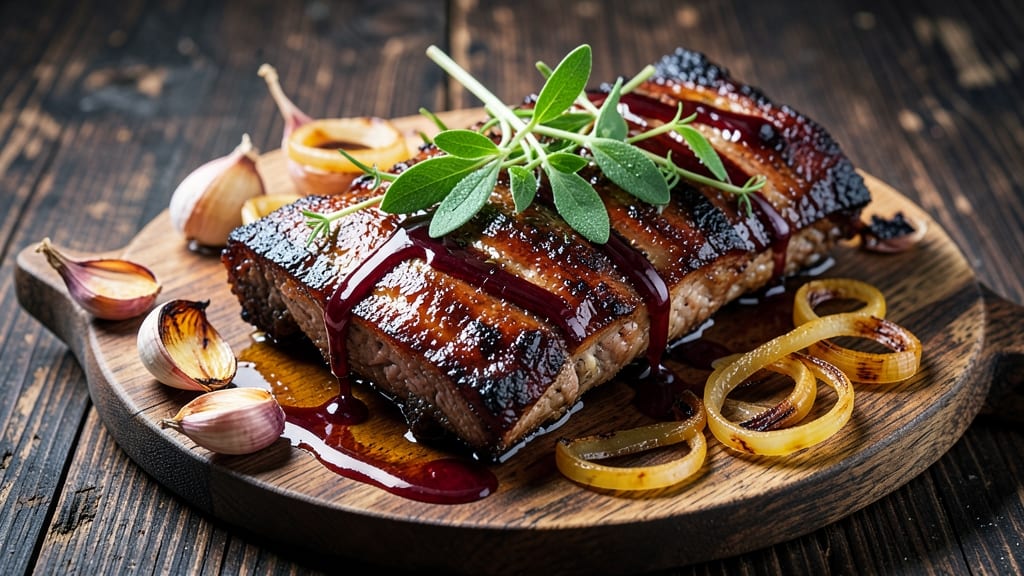
This Argentinian beef ribs recipe delivers melt-in-your-mouth tenderness that rivals Buenos Aires' legendary parrilla grills. 🔥 The secret lies in slow-smoked marinating and precise grilling techniques that transform tough ribs into succulent, flavor-packed bites.
I've perfected this method after countless hours studying traditional asado preparation, and the results speak for themselves.
The ribs are marinated overnight in a blend of bold spices and citrus, then slow-cooked over indirect heat until they're fork-tender with just a hint of char.
What sets this recipe apart is the chimichurri sauce - a vibrant, herby accompaniment that cuts through the richness while adding layers of freshness. The combination of smoky ribs and bright chimichurri creates a balance that's both comforting and exciting.
By the time you're done, you'll have ribs that are so tender they practically fall apart at the touch, with a perfect crust that seals in all that juicy goodness.
The chimichurri adds a pop of color and freshness that makes every bite feel special. This is restaurant-quality comfort food that belongs at your dinner table.
Serve with grilled provoleta (cheese), chimichurri-drizzled grilled peppers, and crusty bread to soak up every last drop of sauce. The full asado experience comes together beautifully. Let's get started on creating these unforgettable ribs.
Ingredients for argentinian beef ribs
Six ingredients for the ribs, six more for the chimichurri—simple but transformative.
| Ingredient | Amount | Notes |
|---|---|---|
| Beef Back Ribs 🥩 | 3 lb | Bone-in, meaty sections preferred |
| Red Wine Vinegar 🍷 | ½ cup | For marinade acidity |
| Olive Oil 🫒 | ½ cup | Extra-virgin for richness |
| Garlic Cloves 🧄 | 8 cloves | Freshly minced for marinade |
| Yellow Onion 🧅 | 1 whole | Thinly sliced for marinade |
| Fresh Oregano 🌿 | ¼ cup | Chopped, not dried |
| Ground Cumin 🌶️ | 1 tbsp | Toasted for depth |
| Smoked Paprika 🌶️ | 1 tbsp | For smoky flavor |
| Kosher Salt 🧂 | 2 tbsp | Diamond Crystal preferred |
| Black Peppercorns 🌶️ | 1 tbsp | Freshly cracked |
| Fresh Parsley 🌿 | ¼ cup | Chopped for chimichurri |
| Fresh Cilantro 🌿 | ¼ cup | Chopped for chimichurri |
| Red Wine 🍷 | ¼ cup | Bold, dry variety |
| Lemon Juice 🍋 | ¼ cup | Freshly squeezed |
| Wood Chips 🌳 | 1 package | Hickory or mesquite preferred |
The beef ribs are the star, so look for meaty sections with good marbling—ask your butcher for back ribs if they're not pre-cut. Costco or well-stocked grocery stores like Whole Foods usually carry them pre-packaged, but if you're buying a whole rack, trim excess fat for better flavor. The freshness of your herbs makes or breaks the chimichurri, so hit the farmers market if you can. For the wood chips, hickory or mesquite gives that authentic asado smoke—avoid fruit woods like apple or cherry, they'll overpower the beef. If you can't find fresh oregano, dried works at half the amount, but trust me, fresh is worth it.
No red wine vinegar? Substitute apple cider vinegar—it's tangier but works in a pinch. Running low on fresh herbs? Dried oregano and parsley at one-third the amount will get you close, but the chimichurri loses some brightness. The wood chips can be soaked in water for 30 minutes before using to prevent flare-ups. For the ribs, if you can't find smoked paprika, regular paprika plus a pinch of liquid smoke mimics the effect. And if you're short on time, marinate for at least 4 hours instead of overnight—the flavor will still develop, just not as deeply.
The ribs keep 3-4 days in the fridge wrapped tightly, but they're best eaten fresh off the grill. Chimichurri stays vibrant for 5 days in an airtight jar with a thin layer of olive oil on top—keeps the herbs from browning. For leftovers, reheat ribs slowly in the oven at 300°F to avoid drying them out. The chimichurri reheats beautifully too—just give it a quick stir and drizzle over warm ribs or grilled veggies. Freeze portions of the sauce in ice cube trays for easy single-use servings later.
Why You'll Love This Recipe
- Minimal Chopping Needed: I swear by this recipe because you’re basically just dicing an onion and mincing garlic—no fancy knife work, no stress. The ribs handle the heavy lifting, and the vinegar-onion marinade takes two minutes to throw together.
- Tangy, Caramelized Magic: That red wine vinegar isn’t just for show—it cuts through the richness of the beef while the olive oil keeps it tender. Roast them until the edges crisp, and you’ve got a balance of smoky, sweet, and bright that’ll have everyone reaching for seconds.
- Weeknight or Weekend Win: Make a double batch on Sunday, and you’ve got effortless leftovers for sandwiches or tacos all week. Or slap them on the table for a casual dinner with friends—no fuss, just flavor.
- Budget-Friendly Feast: Back ribs are cheaper than you’d think, and this recipe stretches them far. Honestly, I’ve fed six people for under $20 with these, and no one ever complains about the portions.
Step-by-step instructions for smoky Argentinian beef ribs
Here's the method that delivers melt-in-your-mouth tenderness with that signature chimichurri punch.
🔥 Step 1: Marinate the Ribs for Maximum Flavor
In a large bowl, combine the 0.5 cup red wine vinegar, 0.5 cup olive oil, 8 minced garlic cloves, thinly sliced 1 whole yellow onion, 0.25 cup chopped fresh oregano, 1 tbsp toasted ground cumin, 1 tbsp smoked paprika, 2 tbsp kosher salt, and 1 tbsp freshly cracked black peppercorns. Mix until the spices are fully dissolved and the marinade has an even consistency.
Add the 3 lb beef back ribs to the marinade, turning to coat completely. Cover and refrigerate for at least 4 hours, but I recommend overnight for maximum tenderness. The acid in the vinegar will break down the tough fibers while the spices penetrate deeply. Flip the ribs halfway through marinating for even flavor distribution.
🔥 Step 2: Prepare the Smoker and Cook Low and Slow
Set up your smoker using the 1 package wood chips (hickory or mesquite preferred) and preheat to 225°F. I like to use a two-zone fire method—keep the coals on one side and the ribs on the other to maintain consistent temperature. Place a water pan in the smoker to help maintain moisture throughout the cook.
Once the smoker reaches temperature and you see clean blue smoke (not thick white smoke), remove the ribs from the marinade (let excess drip off) and place them bone-side down on the smoker grates. Close the lid and resist the urge to peek—every time you open it, you add 15-20 minutes to your cook time. Smoke the ribs for 4-5 hours until they reach an internal temperature of 195-203°F and the meat is fork-tender.
🍳 Step 3: Prepare the Chimichurri While Ribs Rest
While the ribs smoke, combine 0.25 cup chopped fresh parsley, 0.25 cup chopped fresh cilantro, 0.25 cup red wine, 0.25 cup lemon juice, 3 minced garlic cloves, and 0.25 cup olive oil in a food processor. Pulse until the herbs are finely chopped but still retain some texture—you want a chunky, vibrant sauce, not a smooth paste.
Taste and adjust seasoning with additional kosher salt or lemon juice as needed. The chimichurri should be bright, tangy, and herb-forward with a perfect balance of acidity and fat. Transfer to a bowl and set aside—this fresh sauce will elevate every bite of your ribs.
⏰ Step 4: Rest and Serve with Chimichurri
Once the ribs reach the target temperature, transfer them to a cutting board and tent loosely with aluminum foil. Let them rest for 20-30 minutes—this crucial step allows the juices to redistribute throughout the meat, ensuring each bite is moist and flavorful. The ribs should be so tender they practically fall apart when you cut them.
Slice the ribs between the bones into individual servings and arrange on a platter. Drizzle generously with the chimichurri and serve immediately. The smoky, tender meat paired with the bright, herby chimichurri creates a flavor profile that's pure comfort food at its finest. For extra drama, garnish with additional fresh herbs and serve with crusty bread to soak up all the delicious juices.
Pro Tips For Making Argentinian Beef Ribs
- SEAR THE RIB BONES FIRST: Skip the pre-cooked shortcut—hit those rib bones with a quick sear in olive oil over high heat before adding anything else. The Maillard reaction on the bone marrow is what gives Argentine ribs that deep, savory punch (yes, even if it means your kitchen smells like a butcher shop for 10 minutes).
- MINCE THAT ONION FINE: I used to slice onions for this recipe, and they’d just sit there like stubborn guests at a party. For Argentine ribs, chop that yellow onion into tiny, almost paste-like pieces—it dissolves into the sauce and builds flavor instead of turning mushy. (Pro move: Pulse it in a food processor for consistency.)
- LOW AND SLOW AFTER THE VINEGAR: Once you deglaze with red wine vinegar, resist the urge to crank the heat—simmer those ribs gently for at least 45 minutes. The vinegar’s acidity needs time to tenderize, not burn off. Cover loosely and let the steam work its magic; rushing this step means tough, vinegary ribs instead of melt-in-your-mouth perfection.
- SKIP THE CROWDED PAN: Argentine ribs are best when they have space to breathe. If your pan’s too crowded, the ribs steam instead of sear, and the garlic cloves turn to mush. Work in batches—even if it means two pans—so the meat gets that golden crust and the aromatics crisp up properly. (Trust me, your ribs will thank you.)
Storing and reheating this recipe
Refrigerator Storage
Your smoked ribs will keep beautifully in the fridge for 3-4 days if stored properly. After they've cooled to room temperature, wrap them tightly in butcher paper or heavy-duty aluminum foil—this preserves moisture and prevents drying.
I like to place them in a glass Pyrex container with a tight-fitting lid for extra protection. The chimichurri stays vibrant for 5 days in an airtight jar, covered with a thin layer of olive oil to keep the herbs fresh. 💪
Freezer Preservation
For longer storage, freeze ribs for up to 3 months using quart-sized freezer bags or vacuum-sealed bags to prevent freezer burn. Remove as much air as possible before sealing. Chimichurri freezes well too—portion it into ice cube trays for single-use servings later.
Thaw ribs overnight in the fridge before reheating. Never microwave ribs directly from frozen—they'll dry out completely. 🧊
Oven Reheating Method
My preferred reheating method is the oven at 300°F for 20-25 minutes, covered loosely with foil. This gentle heat maintains the tender texture while warming through evenly. For extra moisture, add 2 tablespoons beef broth to the pan.
Chimichurri reheats beautifully too—just give it a quick stir and drizzle over warm ribs. Never reheat chimichurri in the microwave as it destroys the vibrant herb textures. ✨
Grill Reheating Option
If you're craving that smoky flavor again, reheat ribs on the grill over medium-low heat for 10-15 minutes, basting occasionally with leftover marinade. This works best for smaller portions.
For chimichurri, simply warm it in a small saucepan over low heat for 2-3 minutes—never boil it or the herbs will turn bitter. The grill method gives you that authentic asado experience every time. 🔥
Portion Control Tips
For easy leftovers, slice ribs into individual portions before storing. This makes reheating and serving much simpler. Chimichurri is best used fresh, but you can store portions in small jars with a tight lid. Label everything with dates—ribs lose quality after 4 days in the fridge, even when properly stored.
I always keep a small jar of chimichurri in my fridge for quick flavor boosts on other dishes. 💡
Safety Reminders
Always reheat ribs to an internal temperature of 165°F to ensure food safety. Use a meat thermometer for accuracy. Never leave ribs or chimichurri at room temperature for more than 2 hours. If you're reheating from the freezer, add 10-15 extra minutes to your cooking time.
The chimichurri's acidity helps preserve it longer, but it's still perishable. When in doubt, make a fresh batch—it takes just minutes! 🍽️
Nutrition facts
Frequently asked questions
Can I use regular beef ribs instead of Argentinian-style back ribs?
Yes, but with one key difference. Argentinian back ribs are meatier and have more connective tissue, which breaks down beautifully during slow smoking. If using US-style baby back ribs, reduce the cook time by 30-45 minutes since they're smaller and more tender. The marinade and chimichurri will still work perfectly—just monitor internal temperature closely.
What's the best way to make chimichurri if I don't have fresh herbs?
Use dried herbs at one-third the amount (so 1/8 cup dried parsley/cilantro instead of 1/4 cup fresh). For extra flavor, add 1/2 teaspoon dried oregano and boost the garlic to 4 cloves. The texture will be slightly less vibrant, but the tangy lemon and wine balance will still shine through. Store-bought chimichurri mixes work too, though homemade is always better!
How do I know when the ribs are done without a meat thermometer?
Look for three key signs:
- The meat should pull away from the bones easily when you lift a rib section,
- The connective tissue should be translucent when cut into, and
- The ribs should bend slightly without snapping. For extra confidence, press with tongs—if it feels like butter, it's ready! The cook time should be 4-5 hours at 225°F for perfect tenderness.
Can I make this recipe in an oven instead of a smoker?
Preheat your oven to 250°F and place the ribs on a rack in a roasting pan with a water tray underneath. Cover with foil and cook for 3-4 hours, flipping halfway. For smokiness, add 1/2 teaspoon smoked paprika to the marinade and use a cast-iron skillet to sear the ribs for 5 minutes per side before oven cooking. The texture won't be identical, but it'll still be delicious!
Why does my chimichurri turn brown or watery after storing?
This happens when herbs oxidize from air exposure. Prevent it by storing chimichurri in an airtight jar with a thin layer of olive oil on top (this also preserves freshness). For browning, use a smaller jar so herbs aren't packed tightly. If it separates, just stir vigorously before using—it's normal and doesn't affect flavor. Fresh herbs are key, so buy just what you need for each batch.