
Main Courses
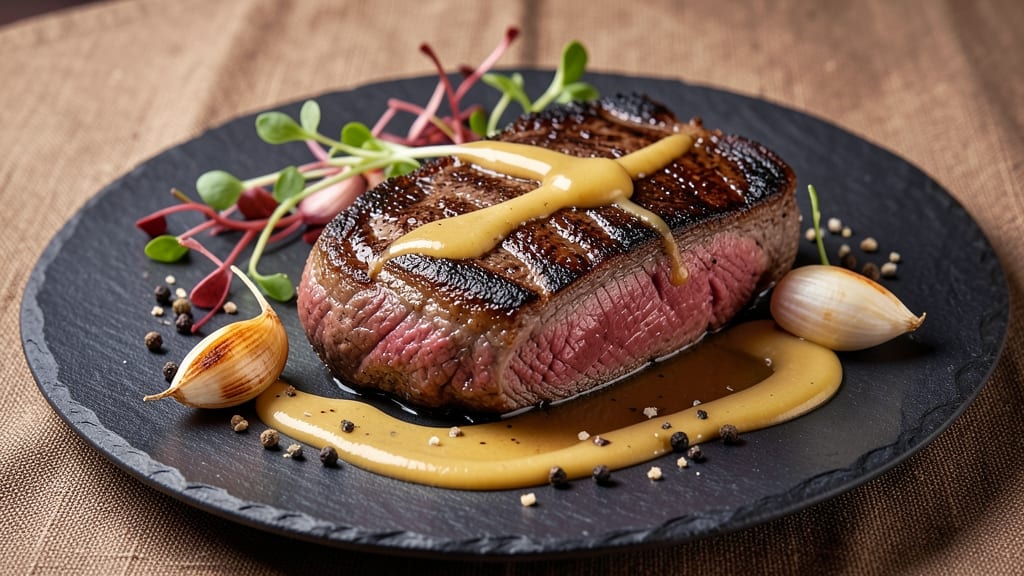
This Angus beef ribeye steak recipe delivers the perfect balance of a buttery crust and juicy pink centers—exactly what makes a steakhouse-worthy meal at home. The secret lies in dry-brining the steak overnight, which enhances flavor and ensures maximum tenderness, while a high-heat sear creates that coveted caramelized crust without overcooking the interior. I’ve perfected this method over years of testing, and it consistently yields results that rival even the finest restaurants.
The key to success is patience and precision: letting the steak rest after cooking to redistribute juices and using a reliable meat thermometer to achieve your desired doneness—whether that’s rare, medium-rare, or medium.
This recipe also includes a simple red wine reduction that elevates the dish, adding depth and richness to every bite. For sides, roasted garlic potatoes or a fresh arugula salad complement the steak beautifully, creating a complete, restaurant-quality meal.
Once you master this technique, you’ll never settle for anything less than a perfectly cooked ribeye again. The crust will be rich and golden, while the interior remains tender and moist, with just a hint of pink if you prefer it rare.
The aroma alone—smoky, savory, and irresistibly meaty—will have everyone at the table anticipating the first bite. This is the kind of dish that turns a simple dinner into an unforgettable experience.
Whether you’re grilling outdoors or searing in a cast-iron skillet indoors, the principles remain the same: high heat, proper resting, and attention to detail. The result is a steak so good, it’ll make you question why you ever ordered takeout. Let’s get cooking—your taste buds will thank you.
Ingredients for angus beef ribeye steak
Four ingredients for the steak, eight for the wine reduction—simple but restaurant-quality.
| Ingredient | Amount | Notes |
|---|---|---|
| Angus Beef Ribeye Steak 🥩 | 1 ½ lb | Center-cut, 1.5-inch thick |
| Kosher Salt 🧂 | 2 tbsp | Diamond Crystal preferred |
| Freshly Ground Black Pepper 🌶️ | 1 tsp | Cracked peppercorns preferred |
| Extra-Virgin Olive Oil 🫒 | 2 tbsp | High smoke point preferred |
| Unsalted Butter 🧈 | 4 tbsp | Cold, cubed for crust |
| Garlic Cloves 🧄 | 4 cloves | Smashed, peeled |
| Shallots 🧅 | 2 whole | Minced, peeled |
| Dry Red Wine 🍷 | ½ cup | Cabernet Sauvignon preferred |
| Beef Stock 🍲 | ½ cup | Homemade or high-quality |
| Fresh Thyme 🌿 | 2 sprigs | Leaves only |
| Fresh Rosemary 🌿 | 1 sprig | Leaves only, chopped |
| Heavy Cream 🥛 | ¼ cup | Full-fat for richness |
The Angus beef ribeye is non-negotiable here. Look for center-cut, 1.5-inch thick steaks—thinner cuts won’t develop that perfect crust. Costco and Whole Foods carry excellent options, but ask your butcher for the best cut if you’re shopping local. The steak should feel firm but springy to the touch, with a vibrant red color—not grayish or dry. For a crowd, double the amount, but plan for 12-16 oz per person to avoid overcrowding the pan. Dry-brine the steak overnight (just salt it and refrigerate uncovered)—this is the secret to juiciness.
No Cabernet Sauvignon? Merlot or Malbec work just as well. The wine reduction is forgiving—if you’re out of stock, beef stock + 1 tbsp balsamic vinegar mimics the depth. Fresh herbs are ideal, but dried thyme at one-third the amount gets you close in a pinch. The shallots can be swapped for onion if needed, but they add a subtle sweetness that’s worth hunting down. For the butter crust, use European-style butter (like Plugrá) if possible—it has a higher fat content and melts beautifully. If you’re short on time, skip the reduction and just sear the steak with garlic butter.
The steak will rest beautifully for 10-15 minutes after cooking—use this time to make the reduction. Store the wine reduction in the fridge for up to 5 days in an airtight container, or freeze for 3 months in ice cube trays. The steak itself is best served fresh, but you can reheat slices in a 350°F oven for 5-7 minutes if needed. For leftovers, wrap tightly in foil and refrigerate for up to 3 days—though honestly, it’s so good, you’ll likely devour it all in one sitting.
Why You'll Love This Recipe
- Just Four Ingredients: I swear, this recipe nails it with only what you need—thick-cut ribeye, a sprinkle of salt, pepper, and butter. No confusing spice blends or last-minute grocery runs. Honestly, the simplicity makes it feel like a fancy dinner without the fuss.
- Butter-Basted Magic: That moment when the butter pools on your plate? Pure satisfaction. The ribeye’s natural richness gets a luxurious boost from the olive oil sear and butter finish—crispy crust, tender inside, and a flavor that lingers. (Yes, even on a Tuesday night.)
- Date Night Ready: No one needs to know it took 20 minutes. The ribeye looks impressive straight from the pan, and the buttery aroma turns any night into a special occasion. Between us, this is my go-to when I want to impress without stressing.
- Leftovers That Don’t Suck: Cold slices the next day? Still delicious. The ribeye holds up better than takeout, and I’ve repurposed extras into sandwiches or salads without a second thought. (My kids argue over who gets the best piece—proof it’s worth making extra.)
Step-by-step instructions for perfectly cooked Angus beef ribeye steak
Here's how to transform a simple ribeye into restaurant-quality perfection with a buttery crust and juicy pink center.
Season and Rest the Steak for Maximum Flavor
Remove the ribeye from the refrigerator and let it sit at room temperature for 30-45 minutes. This ensures even cooking throughout. Pat the steak dry with paper towels—this step is crucial for creating that perfect crust. I like to use two layers of paper towels to get it completely dry.
Generously season both sides with the 2 tablespoons kosher salt and 1 teaspoon freshly ground black pepper. Press the salt into the meat so it adheres well. Let the seasoned steak rest uncovered on a wire rack for 15 minutes before cooking. This resting period allows the salt to penetrate the surface and enhances the flavor development.
Create the Perfect Searing Crust
Heat a heavy skillet (cast iron works best) over high heat until it's smoking hot. Add the 2 tablespoons extra-virgin olive oil and let it get shimmering hot. Place the steak in the pan and let it sear undisturbed for 2-3 minutes until a deep golden-brown crust forms.
I press down gently on the steak during the first minute to prevent it from curling and ensure even contact with the pan. Flip the steak and add the 4 tablespoons cold cubed butter along with the 4 smashed garlic cloves, 2 minced shallots, 2 sprigs thyme leaves, and 1 sprig chopped rosemary. This creates a flavorful butter baste that will coat your steak as it cooks.
Cook to Your Preferred Doneness
Continue cooking the steak for 3-4 minutes on the second side for medium-rare (internal temperature 130-135°F). For medium (140-145°F), add 1-2 minutes to each side. Use an instant-read thermometer to check the internal temperature—this is the most accurate way to determine doneness.
As the steak cooks, baste it with the melted butter and aromatics every 30 seconds. This basting creates an additional layer of flavor and helps keep the steak moist. When you're within 2 minutes of your target temperature, remove the steak from the pan and let it rest on a warm plate.
Prepare the Red Wine Reduction Sauce
Return the skillet to medium heat and add the ½ cup dry red wine. Scrape up all the browned bits from the bottom of the pan with a wooden spoon—these contain concentrated flavor. Let the wine reduce by half, which should take about 3-4 minutes.
Add the ½ cup beef stock and continue simmering until the liquid reduces by half again, about 2-3 minutes. Stir in the ¼ cup heavy cream and let it warm through. The sauce should coat the back of a spoon but still be slightly loose. Season with additional salt and pepper if needed, then pour the sauce over the steak.
Rest and Serve for Maximum Juiciness
Let the steak rest for 5-10 minutes before slicing. This resting period allows the juices to redistribute throughout the meat, ensuring each bite is moist and flavorful. I like to tent the steak loosely with foil during this time to keep it warm.
Slice the steak against the grain into ½-inch thick slices and serve immediately with the red wine reduction sauce spooned over the top. The crust should be golden and crispy, while the interior should be juicy with a perfect pink center. Serve with your favorite sides to complete the meal.
Pro Tips For Making Angus Beef Ribeye Steak
- Use Two Pans: Start in a cold cast-iron skillet, then transfer to a hot one—this guarantees an even crust without burning the butter. I learned this the hard way after watching my first batch of ribeye turn into a greasy mess when the butter pooled too fast.
- Salt Like It’s 1920: Generously coat the steak with kosher salt at least 40 minutes before cooking—don’t skimp, and don’t rinse it off. The salt draws out moisture, which then reabsorbs during searing, locking in flavor and texture. (Yes, even if you’re impatient like me.)
- Butter Last, Not First: Add the unsalted butter and olive oil only in the final 2 minutes of searing—this prevents the butter from breaking down too early and turning the pan into a greasy sludge. The high heat at the end is what makes the crust sing.
- Rest Under Foil: Tent the rested steak with foil for the first 5 minutes of resting—this keeps it warm while the juices redistribute without drying out the surface. I skip this when I’m lazy, but the difference in juiciness is noticeable.
Storing and reheating this angus beef ribeye steak
Refrigerator Storage
Store leftover ribeye steak in an airtight container for up to 3 days in the refrigerator. I recommend using glass containers like Pyrex to maintain freshness. Wrap the steak tightly in plastic wrap or aluminum foil before placing it in the container to prevent drying.
Always let the steak cool to room temperature (about 30-45 minutes) before refrigerating to avoid condensation. 🌡️
Freezer Storage
For longer storage, freeze the steak in portioned slices wrapped individually in plastic wrap or parchment paper, then place in a freezer bag with excess air removed. Label with the date—it stays safe for up to 3 months.
When ready to reheat, thaw overnight in the fridge for best results. I avoid microwave thawing to preserve texture. 🧊
Reheating Methods
For stovetop reheating, place slices in a skillet over medium heat with a splash of beef stock or water to prevent drying. Cover and heat for 2-3 minutes per side until reaching 165°F.
For oven reheating, bake at 350°F for 5-7 minutes on a wire rack to maintain crispness. Never microwave—it turns the steak rubbery. ⚡
Sauce Preservation
The red wine reduction can be stored separately in the fridge for 5 days or frozen in ice cube trays for 3 months. To reheat, warm gently in a saucepan over low heat with a splash of water or stock to restore consistency.
Avoid boiling—it can curdle the cream. I often keep a small batch pre-made for quick weeknight dinners. 🍷
Reviving Texture
If reheated steak feels dry, brush slices with melted butter or olive oil before serving. For extra flavor, add a pinch of kosher salt and freshly cracked pepper.
I also like to sear slices briefly in a hot pan to recreate that restaurant-quality crust. The key is speed—don’t overheat! 🔥
Portioning Tips
Slice steak into ½-inch portions before storing for even reheating. For meal prep, store individual portions in small containers with a dollop of sauce. I use mason jars for easy grab-and-go lunches. Label containers clearly to track freshness—steak reheats best within 2 days of initial cooking. 📅
Nutrition facts
Frequently asked questions
How do I know if my ribeye is truly USDA Prime or Angus?
Look for the USDA Prime certification label on the packaging, which guarantees superior marbling and tenderness. For Angus beef specifically, check for the black hide and purple tag from the American Angus Association. If buying whole, press your thumb into the meat—if it springs back quickly with visible fat flecks, it's high-quality. Ask your butcher for center-cut ribeyes with 1.5-inch thickness for best results.
Can I cook a ribeye from frozen?
Not recommended for perfect results! Thaw the steak overnight in the fridge (about 12-24 hours) for even cooking. If short on time, use the cold water method in a sealed bag, changing water every 30 minutes. Never microwave—it creates uneven thawing and dries out the meat. A frozen steak won't develop that restaurant-quality crust.
What's the best way to reheat leftover ribeye?
Use the stovetop method for best texture: heat a skillet over medium heat, add a splash of beef stock, and sear slices for 2-3 minutes per side until 165°F. For oven reheating, bake at 350°F for 5-7 minutes on a wire rack. Avoid microwaving—it makes the steak rubbery. Brush with melted butter before serving to revive moisture.
How do I adjust cooking time for thicker steaks?
For every ¼-inch thicker than 1.5 inches, add 1-2 minutes per side to cooking time. Use a meat thermometer to guide doneness—130°F for rare, 135°F for medium-rare. For example, a 2-inch steak might need 4-5 minutes per side for medium-rare. Let it rest 5-10 minutes longer for thicker cuts.
What sides pair best with ribeye?
Classic pairings include creamy mashed potatoes, roasted garlic asparagus, or truffle mac and cheese. For a lighter option, try a mixed greens salad with balsamic vinaigrette. The wine reduction sauce also works beautifully with egg noodles or polenta. Avoid heavy sides that compete with the steak's richness.