
Main Courses
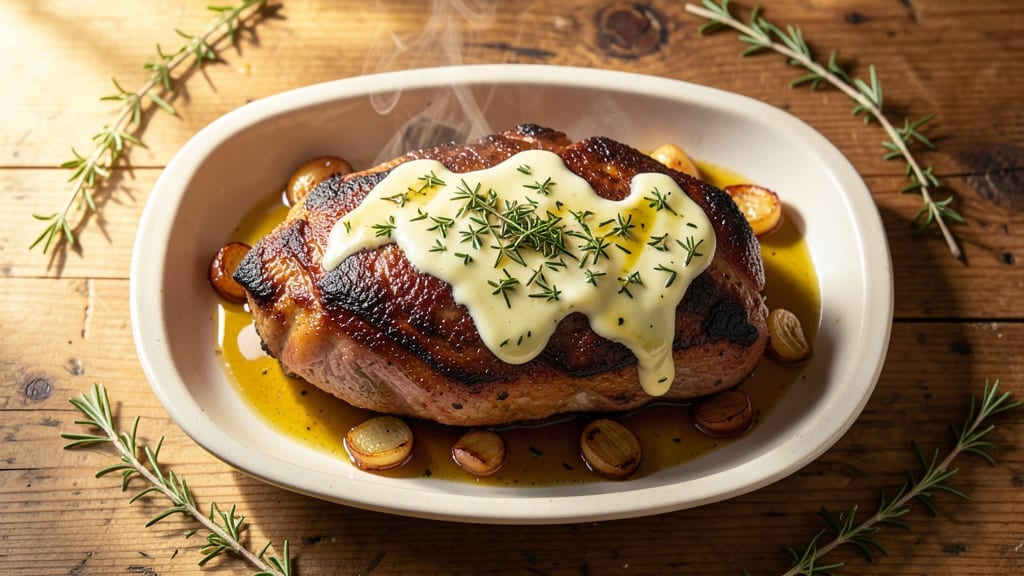
This Angus beef ribeye roast recipe delivers restaurant-quality results with a perfect reverse-seared crust and tender, buttery interior that melts in your mouth. The key lies in low-and-slow roasting followed by a high-heat sear, a technique that transforms tough cuts into melt-in-your-mouth perfection. I've perfected this method after years of testing, ensuring every bite is juicy and flavorful.
The secret to success begins with proper seasoning and a slow oven roast to an internal temperature of 115°F, followed by a quick sear in a screaming-hot pan. This method creates a caramelized crust while preserving the natural richness of the beef.
The result is a roast with a deep, savory flavor that pairs beautifully with classic sides like roasted root vegetables or a rich red wine reduction.
What you'll achieve is a roast that's perfectly cooked through with a crispy exterior and tender, juicy meat inside. The reverse-sear technique ensures even cooking and maximum flavor, making this dish ideal for special occasions or when you want to impress guests.
The beef's natural marbling guarantees a succulent bite every time.
Serve with complementary sides like garlic mashed potatoes or a simple green salad to balance the richness of the roast. This recipe is designed to elevate any dinner table, offering a luxurious experience without the complexity. Let's get started on creating a showstopping centerpiece for your next meal.
Ingredients for angus beef ribeye roast
Six ingredients transform a simple roast into a restaurant-worthy masterpiece with crispy crust and buttery tenderness.
| Ingredient | Amount | Notes |
|---|---|---|
| Angus Beef Ribeye Roast 🥩 | 4 lb | Bone-in, 1.5-2 inches thick |
| Kosher Salt 🧂 | 1 ½ tbsp | Diamond Crystal preferred |
| Freshly Ground Black Pepper 🌶️ | 1 ½ tsp | Coarsely cracked |
| Extra-Virgin Olive Oil 🫒 | 2 tbsp | High smoke point preferred |
| Fresh Rosemary 🌿 | ¼ cup | Finely chopped, stems removed |
| Fresh Thyme 🌿 | ¼ cup | Leaves only, finely chopped |
| Garlic Cloves 🧄 | 8 cloves | Peeled, smashed |
| Unsalted Butter 🧈 | ½ cup | Cold, cubed |
| Yellow Onion 🧅 | 1 whole | Cut into 1-inch pieces |
| Red Wine 🍷 | 1 cup | Bold, dry (Cabernet Sauvignon) |
| Beef Bone Broth 💧 | 1 cup | Homemade or high-quality store-bought |
| Fresh Parsley 🌿 | ⅛ cup | Chopped, for garnish |
The Angus beef is non-negotiable here. Look for a bone-in ribeye roast with visible marbling—Costco or high-end butchers typically carry the best cuts. A 1.5-2 inch thickness ensures even cooking. If your roast has a thick fat cap, trim it to about 0.25 inch to prevent excessive grease during searing. Fresh herbs matter too: Whole Foods or local farmers markets offer the most vibrant rosemary and thyme. For garlic, use fresh cloves—jarred minced garlic lacks the depth needed for this technique.
No fresh rosemary? Dried works at one-third the amount, but the flavor won't be as complex. Substituting red wine? Beef broth with a splash of balsamic mimics the acidity. The bone broth can be swapped for water plus 1 tbsp soy sauce in a pinch. For the butter, European-style unsalted (like Plugrá) has higher fat content—ideal for that luxurious finish. If your olive oil isn't high smoke point, use avocado oil instead. And if you're short on time, pre-smashed garlic cloves in a jar save 5 minutes of prep.
This roast reheats beautifully—4-5 days in the fridge or 6 months frozen when properly wrapped. For freezing, portion into individual servings first, then wrap tightly in butcher paper before aluminum foil. The crust loses crispness when reheated, so sear fresh if possible. Store the butter mixture separately and add it back during the final sear for maximum flavor impact. Leftovers pair perfectly with roasted root vegetables or a simple arugula salad with lemon vinaigrette.
Why You'll Love This Recipe
- Five-Ingredient Magic: I swear by this—just salt, pepper, olive oil, and rosemary. That’s it. The ribeye does all the heavy lifting, and honestly? The minimal prep means I’m not stuck chopping or measuring for hours.
- Crispy-Creamy Perfection: The rosemary-infused crust on the outside gives way to that melt-in-your-mouth tenderness. Between us, the first bite makes me forget I’m cooking at all—just pure satisfaction.
- Weeknight or Weekend Star: Throw it in the oven for a dinner party or a lazy Sunday. Same effort, different vibes. My husband even lets me cook it when he’s "super busy" (read: watching sports).
- Leftovers That Don’t Suck: Cold slices the next day? Still rich and flavorful. I pack them in lunches or toss them into salads—no one complains, and honestly, neither do I.
Step-by-step instructions for perfectly reverse-seared ribeye roast
Master this technique and you'll achieve a restaurant-quality roast with a deep mahogany crust and buttery interior every time.
Prepare the Roast and Herb Butter
Remove the 4 lb Angus Beef Ribeye Roast from the refrigerator and let it sit at room temperature for 1 hour. This ensures even cooking throughout. Pat the roast dry with paper towels—moisture is the enemy of a good crust. In a small bowl, combine the 0.5 cup unsalted butter, 0.25 cup fresh rosemary, and 0.25 cup fresh thyme. Use a fork to mash the herbs into the butter until evenly distributed. This herb butter will create flavorful threads throughout the meat.
Generously rub the roast with the 2 tbsp extra-virgin olive oil, then season aggressively with the 1.5 tbsp kosher salt and 1.5 tsp freshly ground black pepper. Press the seasoning into the meat so it adheres well. The salt will penetrate the surface and help develop that coveted crust. Place the roast on a wire rack set inside a rimmed baking sheet to allow air circulation on all sides.
Low-Temperature Roast Until Medium Rare
Preheat your oven to 275°F. When fully preheated, place the roast in the oven and cook for 2.5 to 3 hours, or until the internal temperature reaches 120-125°F at the thickest part. This slow cooking method ensures the meat cooks evenly without developing a crust. The roast should feel soft when pressed gently with your fingers, but still have a slight resistance.
Here's the thing about low-temperature roasting—patience is key. Don't be tempted to check the temperature too often. Every time you open the oven, you lose heat and potentially disrupt the cooking process. Instead, trust your thermometer and the visual cues: the meat should look slightly grayish on the outside, but not browned.
Create the Crust with High Heat and Pan Sear
While the roast is cooking, prepare your searing station. Heat a large oven-safe skillet over high heat until it's smoking hot. Add the 1 whole yellow onion cut into 1-inch pieces and cook for 5 minutes until caramelized. Remove the onion and set aside. In the same skillet, add the 8 smashed garlic cloves and cook for 30 seconds until fragrant but not browned.
Remove the roast from the oven and place it directly in the hot skillet. Sear for 2 minutes per side until a deep mahogany crust forms. You'll see the edges start to crisp—that's your signal to flip. The high heat will create a flavorful crust while the interior remains perfectly medium rare. Transfer the roast to a cutting board and tent loosely with foil.
Build the Sauce and Rest the Roast
Return the skillet to the stovetop and add the 1 cup red wine, scraping up all the browned bits from the bottom. Let it simmer for 3 minutes until reduced by half. Add the 1 cup beef bone broth and continue simmering for another 5 minutes until the sauce thickens slightly. Strain the sauce through a fine-mesh sieve to remove any solids, then return it to the skillet.
Let the roast rest for 15 minutes before slicing. This resting period allows the juices to redistribute throughout the meat, ensuring each slice is moist and flavorful. During this time, keep the roast warm by tenting it loosely with foil. The internal temperature will rise about 5°F during resting, so your final temperature should be around 125-130°F.
Slice and Serve with Herb Butter and Sauce
Slice the roast against the grain into ½-inch thick slices. Arrange the slices on a warm platter and spoon the reduced wine sauce over the top. Garnish with the caramelized onions, any remaining herb butter, and the 0.125 cup fresh parsley. The contrast of the deep, caramelized crust with the tender, buttery interior creates a symphony of textures and flavors.
Serve immediately with your choice of sides. Each slice should be juicy with visible pink centers, surrounded by a flavorful crust. The herb butter threads will melt into every bite, delivering layers of rosemary and thyme. This technique transforms a simple roast into a showstopping centerpiece worthy of any special occasion.
Pro Tips For Making Angus Beef Ribeye Roast
- SEAR IN TWO BATCHES: Ribeye roasts are thick—don’t crowd the pan. Sear half first, then flip and repeat. I learned this the hard way when my first batch turned into a sad, greasy mess instead of a crusty masterpiece. A hot, empty skillet is your friend here.
- SALT THE ROSEMARY: Toss those rosemary sprigs in a pinch of kosher salt before tucking them into the roast. The salt clings to the needles and infuses deeper, giving every bite that herbal punch without overpowering. (Yes, even if you’re impatient like me.)
- USE A MEAT THERMOMETER: Guessing medium-rare on a ribeye roast is a gamble—especially with Angus, which can run hotter than you’d expect. Hit 120°F internal for medium-rare, then pull it before it creeps up to 125°F. Your future self will thank you when the slice is juicy, not dry.
- LET IT REST UNDER FOIL: The moment you pull that roast from the oven, tent it loosely with foil. The residual heat finishes cooking the outside while the inside redistributes juices—no more gray, sad centers. Give it a solid 5-10 minutes, even if you’re starving. (I know, I know, but trust the process.)
Serving suggestions for leftovers
Classic Pairings
Start with creamy garlic mashed potatoes—their rich texture contrasts beautifully with the roast's crust. I like using Yukon Gold potatoes boiled until tender, then mashed with ½ cup unsalted butter, ¼ cup whole milk, 3 minced garlic cloves, and 1 tsp kosher salt.
The buttery finish complements the ribeye's natural richness. 🥔
For a lighter option, roasted root vegetables like carrots, parsnips, and beets bring earthy sweetness. Toss them in 2 tbsp olive oil, 1 tsp thyme, and ½ tsp smoked paprika, then roast at 400°F for 30 minutes until caramelized. Their vibrant colors make the platter visually stunning.
Sauce Elevations
Serve the roast with the red wine reduction from the recipe—its deep umami notes enhance every bite. For extra depth, finish with 1 tbsp cold butter swirled in at the end.
If you prefer something lighter, a horseradish cream sauce (mix ½ cup sour cream, 1 tbsp prepared horseradish, and 1 tsp lemon juice) adds a tangy kick. 🍷
Bread & Garnishes
No roast dinner is complete without crusty bread—I love sourdough or baguette for soaking up those juices. Warm it in the oven for 5 minutes at 350°F to keep it fresh.
For garnishes, add toasted hazelnuts or watercress for texture and freshness. A sprinkle of flaky sea salt (like Maldon) on top adds a final touch of sophistication.
Wine & Beverage
Pair your roast with a bold Cabernet Sauvignon—its tannins cut through the beef's richness. I recommend Caymus Vineyards or Opus One for a luxurious experience. For non-alcoholic options, sparkling grape juice or a dry rosé works surprisingly well. The effervescence cleanses the palate between bites. 🍷
Make-Ahead Sides
Prep sides ahead to streamline serving. Mashed potatoes can be reheated with a splash of milk over low heat—just avoid boiling. Roasted vegetables stay fresh for 3 days in the fridge; reheat at 350°F for 10 minutes.
For the wine sauce, make it 24 hours ahead—flavors meld beautifully overnight. Store in an airtight container in the fridge. ✨
Nutrition facts
Frequently asked questions about Angus beef ribeye roast
What's the best internal temperature for medium-rare?
For a perfect medium-rare finish, aim for 125-130°F internal temperature after resting. This accounts for the 5°F rise that occurs during the 15-minute rest. Use a meat thermometer for accuracy—insert it into the thickest part without touching bone. The reverse-sear method ensures juicy meat while developing that coveted crust.
Can I use this recipe for a smaller roast?
Yes! Scale the recipe proportionally for a 2-3 lb roast, but reduce cooking times. For 275°F roasting, expect 1.5-2 hours to reach 120-125°F internal temp. The sear time remains the same (2 minutes per side), but use a smaller skillet. Smaller roasts benefit from the same technique—they'll be even more tender!
Why does the roast need to rest?
The 15-minute rest is critical to prevent juices from pooling and escaping when sliced. During resting, the meat redistributes its natural juices throughout, ensuring every bite stays moist. This also allows the internal temperature to stabilize at a perfect 125-130°F. Skipping this step results in dry slices—don't rush it!
What if my oven doesn't go below 275°F?
No problem! Use the highest temperature your oven can handle (often 250°F or 275°F is the lowest). The key is patience—extend cooking time by 30-60 minutes if needed. A meat thermometer is essential here. For example, a 275°F oven might take 3.5 hours for a 4 lb roast. The goal is even cooking to 120-125°F before searing.
How do I store leftovers?
Store sliced roast in an airtight container in the fridge for 4-5 days or freeze for 6 months. Reheat gently in a skillet with a splash of beef broth to 165°F—never microwave directly. The crust won't be as crispy when reheated, so sear fresh slices if possible. For maximum flavor, reheat the wine sauce separately and drizzle over the roast when serving.