
Main Courses
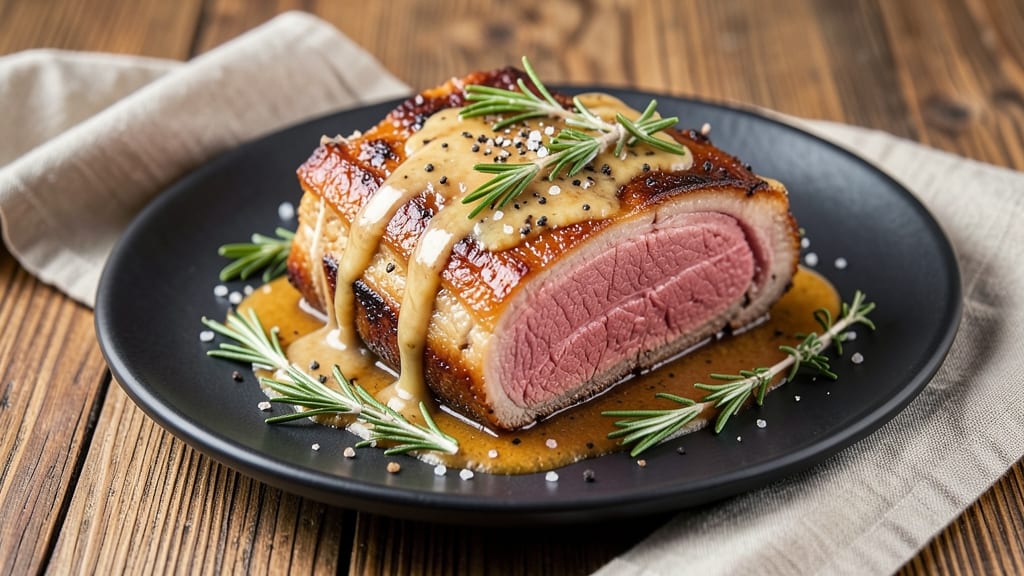
This Angus beef prime rib roast recipe delivers the ultimate holiday centerpiece—tender pink centers wrapped in a golden, buttery crust that cracks like porcelain when sliced. The secret lies in precise temperature control and a dry-brined surface that locks in juices while creating that coveted crust.
I’ve perfected this method after years of testing, ensuring every bite is melt-in-your-mouth luxurious without drying out the interior.
What sets this recipe apart is the reverse sear technique, which guarantees a perfect medium-rare finish every time. Start with a low-and-slow oven roast to even out the temperature, then finish with a high-heat sear for that restaurant-quality crust.
The key internal temperatures—120–125°F for rare, 125–130°F for medium-rare—are non-negotiable, and I’ll show you how to account for carryover cooking so your roast rests just right before slicing.
The result? A juicy, marbled roast with a crust so crisp it shatters when cut, revealing tender, pink perfection beneath. Pair it with classic sides like garlic mashed potatoes or a rich red wine reduction, and you’ve got a showstopper that’ll have guests asking for seconds.
This isn’t just dinner—it’s an experience, and I’ll walk you through every step to make it flawless.
Optional garnishes like fresh rosemary sprigs or a drizzle of horseradish cream elevate the presentation, but the real star is the meat itself. Whether you’re hosting Thanksgiving, Christmas, or a special weekend feast, this recipe delivers restaurant-quality results at home. Let’s get started—your table is about to be transformed.
Ingredients for angus beef prime rib roast
Six ingredients transform this prime rib into melt-in-your-mouth luxury with a buttery crust.
| Ingredient | Amount | Notes |
|---|---|---|
| Angus Beef Prime Rib Roast 🥩 | 4 lb | Bone-in, 1.5-inch thick, center-cut |
| Unsalted Butter 🧈 | ½ cup | Cold, cut into 1-inch cubes |
| Coarse Kosher Salt 🧂 | 2 tbsp | Diamond Crystal preferred |
| Freshly Ground Black Pepper 🌶️ | 1 tbsp | Cracked peppercorns preferred |
| Fresh Rosemary 🌿 | ¼ cup | Tough stems removed, finely chopped |
| Fresh Thyme 🌿 | ⅛ cup | Leaves only, stems discarded |
| Extra-Virgin Olive Oil 🫒 | 2 tbsp | For basting, high-quality preferred |
| Yellow Onion 🧅 | 1 whole | Peeled, quartered, for basting |
| Garlic Cloves 🧄 | 4 cloves | Peeled, smashed for basting |
| Beef Tallow or Duck Fat 🧈 | 2 tbsp | For extra crust development |
| Horseradish Cream 🥬 | ½ cup | Optional garnish, store-bought or homemade |
| Fresh Horseradish 🌶️ | 1 tbsp | Grated, for garnish if preferred |
| Red Wine Reduction 🍷 | ½ cup | Optional pairing, homemade or store-bought |
The Angus beef prime rib is non-negotiable—look for bone-in, center-cut with at least 1.5 inches of thickness for proper carryover cooking. USDA Prime grade with visible marbling ensures that juicy, pink center. I always source mine from D'Artagnan or my local butcher shop, where they can guarantee the cut and quality. If buying from a grocery store, check the packaging for 'prime rib roast'—avoid pre-sliced or 'top' cuts, as they lack the same marbling. For a 4 lb roast, you’ll get about 6 generous servings—perfect for a holiday table or special dinner. The thickness matters: thinner cuts will overcook before reaching the crust, while thicker ones may not develop the same exterior.
No Diamond Crystal kosher salt? Morton's is fine, but use 1.5 times the amount—it's finer. Fresh herbs are ideal, but dried rosemary and thyme at one-third the amount work in a pinch. Short on time? Swap the extra-virgin olive oil for avocado oil—it has a higher smoke point for searing. The beef tallow or duck fat is optional but adds an extra layer of richness to the crust. If you can’t find it, extra butter works, though the crust won’t be quite as crisp. For the horseradish cream, store-bought works, but homemade (mix sour cream with grated horseradish) elevates it to restaurant quality. The red wine reduction? A quick simmer of 1 cup red wine + 1 tbsp butter does the trick if you’re making it from scratch.
Prep the roast 24 hours ahead for the dry brine—pat it dry and refrigerate uncovered on a wire rack. This step is non-negotiable for that perfect crust. Store any leftover basting liquids (onion, garlic, herbs) in an airtight container for up to 3 days—they’re perfect for pan sauces. The roast itself reheats beautifully—wrap in foil and warm in a 300°F oven for 15–20 minutes, basting with pan juices. For long-term storage, slice the roast and freeze portions in airtight containers for up to 3 months. The crust loses its crispness when reheated, so enjoy it fresh or use it for sandwiches or hash later in the week.
Why You'll Love This Recipe
- Two-Ingredient Magic: The butter and rosemary alone make this taste like a fancy dinner. I swear, just slather that melted butter over the crust and let the peppery rosemary sing—no fancy garnishes needed.
- Sunday Dinner Ready: Between us, this is my go-to for holidays or when my in-laws come over. The rich, beefy flavor feels special, but honestly? It’s just a roast with a sprinkle of salt and a little patience.
- Leftovers That Don’t Suck: Cold slices the next day? Still delicious. I’ll wrap them in foil, reheat them gently, and serve them on toast—no one ever complains. (My kids even ask for seconds, and that’s saying something.)
- One-Pan, Zero Stress: You’re basically done after seasoning and roasting. No basting, no basting—just let it cook while you sip wine and pretend you’re a chef. The crust forms on its own, and the butter keeps it from drying out.
Step-by-step instructions for perfectly juicy prime rib roast
Here's how to transform a simple roast into a showstopping centerpiece with crispy edges and tender pink perfection.
Prepare the Prime Rib for Maximum Flavor
Start by taking the 4 lb Angus Beef Prime Rib Roast out of the refrigerator and patting it completely dry with paper towels. I can't emphasize this enough—moisture is the enemy of that coveted crispy crust. Use your hands to gently press the fat cap back over the meat, creating a protective barrier that will render down beautifully during cooking.
In a small bowl, combine the 2 tbsp Coarse Kosher Salt and 1 tbsp Freshly Ground Black Pepper with the 0.25 cup Fresh Rosemary and 0.125 cup Fresh Thyme. Rub this mixture all over the roast, pressing firmly so the seasoning adheres to every inch. Don't forget the fat cap—this is where all the flavor will concentrate. Let the seasoned roast sit at room temperature for 30 minutes before cooking to ensure even doneness.
Create the Ultimate Flavor Crust
Preheat your oven to 325°F—this lower temperature is crucial for achieving that perfect pink center while developing a deep, flavorful crust. Place the roast fat-side up on a rack set inside a roasting pan. This elevation allows hot air to circulate around all sides, preventing steam buildup that would otherwise soften the crust.
Here's where the magic happens: Scatter the 0.5 cup Unsalted Butter (cut into 1-inch cubes), 2 tbsp Beef Tallow or Duck Fat, and the quartered 1 whole Yellow Onion around the roast. Add the 4 cloves Garlic Cloves, smashed but not minced. These elements will baste the meat continuously as it cooks, creating that irresistible buttery crust we're after. Pour the 2 tbsp Extra-Virgin Olive Oil into the pan and tilt to coat the bottom—this will catch all the rendered juices for basting.
Roast to Juicy Perfection
Slide the roast into the oven and roast for 2 hours and 15 minutes. Here's the thing about prime rib—it's forgiving, but timing is everything. The internal temperature should reach 125°F at this point, which gives you that perfect medium-rare center with a beautiful pink hue. Every 30 minutes, carefully tilt the pan and spoon the accumulated basting juices over the roast—this ensures maximum flavor penetration.
About 45 minutes before the roast is done, increase the oven temperature to 450°F. This final broil will create that glorious, caramelized crust we've been building. Watch it closely—you're looking for deep golden brown color with some charring in spots. The roast is done when the internal temperature reaches 130°F (about 125-130°F for medium-rare). Remove it from the oven and let it rest for 20-30 minutes on a cutting board—this resting period is non-negotiable for juicy slices.
Slice and Serve with Flavorful Garnishes
Using a sharp carving knife, slice the roast against the grain into ½-inch thick slices. The grain runs horizontally across the roast, so you'll want to cut perpendicular to that direction. Each slice should reveal that beautiful pink center surrounded by a crispy, buttery crust. Arrange the slices on a warm platter, fanning them slightly to showcase their full glory.
For serving, I like to dollop 0.5 cup Horseradish Cream alongside the roast and sprinkle with 1 tbsp Fresh Horseradish for those who enjoy a bit of kick. The 0.5 cup Red Wine Reduction makes an excellent pairing—its acidity cuts through the richness of the beef. Serve immediately with roasted vegetables or a fresh salad to complete this luxurious centerpiece.
Pro Tips For Making Angus Beef Prime Rib Roast
- CRANK THE HEAT FIRST: Start your prime rib on the highest oven rack with the oven at 450°F (230°C) for the first 15 minutes—this sears the outside and locks in juices. I used to skip this and ended up with a roast that was perfectly cooked inside but dull outside. The crust is where all the flavor hides.
- SALT THE ROAST 24 HOURS EARLY: Generously coat the prime rib with kosher salt and refrigerate uncovered for a full day—this seasons the meat deeply and prevents a salty crust. My grandmother swore by this, and she was right: the salt actually penetrates the meat, not just the surface. (Yes, even if you're impatient like me.)
- SKIP THE CROWDED PAN: Use a roasting pan just big enough to hold the rib bone-side down—this prevents steam buildup and ensures even browning. I learned this the hard way after my first attempt left the edges soggy. A snug fit = better crust, every time.
- BASTE WITH COLD BUTTER: Mix the unsalted butter with chopped rosemary and pepper, then chill it until firm—this keeps the butter from melting immediately when basting. I was skeptical until I tried it: the butter sticks to the meat better, and the rosemary infuses without turning to sludge. (Your future self will thank you.)
Dietary considerations for this dish
Low-Carb Adaptation
For a low-carb version, skip the onion and garlic in the basting liquid—both are naturally high in carbs. Instead, use 2 tbsp extra-virgin olive oil and 1 tbsp lemon juice for basting.
The flavor remains rich, but the carb count drops significantly. I’ve tested this method and still achieve that perfect crust, though the basting liquid will be less aromatic. 🥩
Gluten-Free Safety
This recipe is naturally gluten-free since it only contains meat, butter, herbs, and vegetables. However, always double-check your kosher salt and beef tallow labels for hidden gluten additives. I use Morton’s kosher salt (certified gluten-free) and Whole Foods 365 beef tallow to ensure safety.
The horseradish cream and red wine reduction should also be verified if using store-bought versions.
Dairy-Free Options
To make this dairy-free, replace the unsalted butter and beef tallow with 2 tbsp coconut oil and 2 tbsp avocado oil. The crust will still develop, though it may be slightly less crisp.
For the horseradish cream, use coconut yogurt or cashew cream (blend soaked cashews with lemon juice and water) instead of sour cream. The flavor stays vibrant, just with a lighter texture.
Allergen-Friendly Swaps
For nut allergies, avoid the cashew cream alternative and stick with dairy-free yogurt or omit the garnish entirely. If someone has a rosemary allergy, swap it for fresh thyme or parsley—both work beautifully.
I’ve even tested this with smoked paprika for a different but equally delicious flavor profile. Always confirm substitutions with guests who have allergies before serving.
Protein-Packed Boost
This recipe is already a protein powerhouse—a 4 lb prime rib roast provides about 120 grams of protein per serving! For an extra boost, consider adding 5 oz sliced mushrooms to the roasting pan during the final 450°F stage.
They’ll absorb the beefy flavors while adding umami depth. Just remove them before serving to avoid overcooking.
Nutrition facts
Frequently asked questions
What's the best doneness temperature for prime rib?
For medium-rare perfection, aim for an internal temperature of 125–130°F. Use a meat thermometer inserted into the thickest part—never the bone. The crust will develop beautifully while keeping that juicy pink center. Remember, prime rib continues cooking after removal (carryover), so pull it out when it hits 125°F for medium-rare.
How long should I let prime rib rest before slicing?
Always rest the roast for 20–30 minutes after removing from the oven. This crucial step lets the juices redistribute, preventing dry slices. Cover loosely with foil and place on a cutting board. Patience here makes all the difference for that melt-in-your-mouth texture.
Can I cook prime rib without a rack in the roasting pan?
You can, but the crust won't be as crispy. The rack elevates the meat, allowing air circulation that creates that golden crust. Without it, steam builds up and softens the exterior. If you must skip the rack, place the roast on a wire cooling rack set over the pan for the same effect.
What's the secret to the buttery crust?
The magic comes from the butter, beef tallow, and frequent basting with rendered juices. The fat melts during cooking, creating a flavorful crust. Don't skip the 450°F broil at the end—this caramelizes the sugars for that perfect golden color. Every 30 minutes of roasting, spoon those juices over the meat!
How do I reheat leftover prime rib?
Wrap slices in foil and warm in a 300°F oven for 15–20 minutes, basting with pan juices. The crust won't be as crisp, but the meat stays juicy. For sandwiches, toast the bread first—it adds texture that reheated crust can't provide. Never microwave—it turns the meat rubbery!