
Soups & Stews
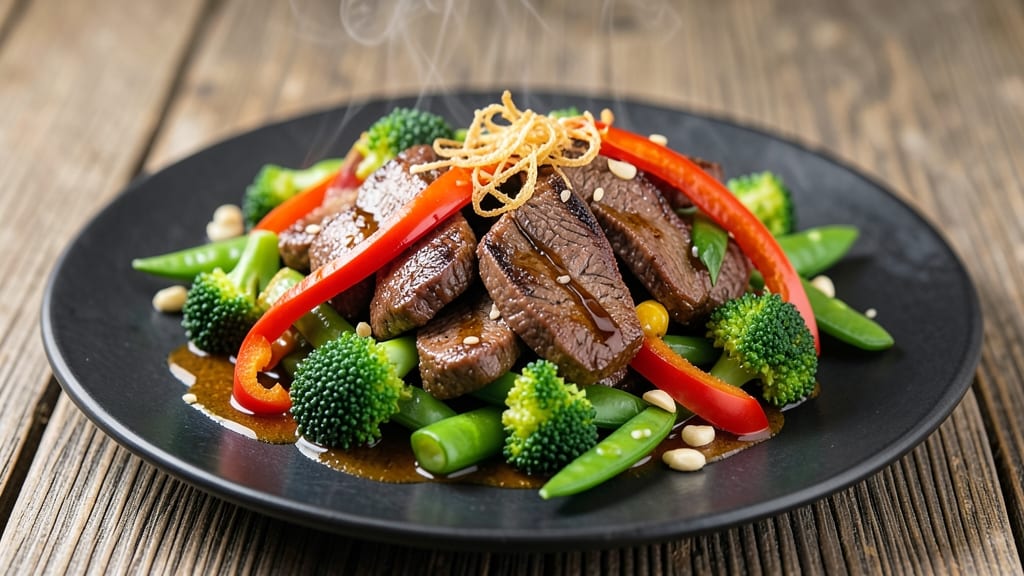
This beef and vegetable Chinese recipe delivers restaurant-quality stir-fry flavors in just 20 minutes—no takeout required. The secret lies in high-heat wok technique that creates crisp-tender vegetables and perfectly seared beef, all balanced with a tangy-sweet sauce that sings with umami.
I developed this version after years of testing, ensuring every bite delivers that perfect harmony of textures and flavors that makes Chinese stir-fry so addictive.
The foundation starts with thinly sliced beef marinated in a simple soy-ginger mixture, which tenderizes while building deep flavor. Fresh vegetables like bell peppers, broccoli, and snap peas get cut into even pieces so they cook uniformly—crisp edges and vibrant color are non-negotiable.
The sauce, a blend of soy sauce, rice vinegar, and a touch of honey, adds that signature Chinese balance of sweet, salty, and tangy without overpowering the natural flavors.
What you'll end up with is a wok-fired dish that's packed with protein and vegetables, all coated in that glossy, flavorful sauce. The beef stays tender yet develops a slight char from the wok, while the vegetables maintain their crunch and bright colors.
This isn't just another stir-fry—it's a complete meal that's quick, healthy, and packed with authentic Chinese restaurant taste.
Serve it over steamed rice or noodles for the full experience, or enjoy it as-is for a satisfying, protein-rich dinner. The best part? This recipe scales easily for a crowd, making it perfect for weeknight dinners or meal prep. Let's get cooking!
Ingredients for beef and vegetable chinese
Thinly sliced beef, vibrant vegetables, and a wok-fired sauce—this is your shortcut to restaurant-quality Chinese stir-fry.
| Ingredient | Amount | Notes |
|---|---|---|
| Flank Steak 🥩 | 1 lb | Thinly sliced against grain |
| Red Bell Pepper 🌶️ | 1 whole | Thinly sliced, seeds removed |
| Broccoli Florets 🥦 | 2 cups | Cut into even bite-sized pieces |
| Snap Peas 🌱 | 1 cup | Trimmed, halved if large |
| Garlic Cloves 🧄 | 4 cloves | Minced, fresh preferred |
| Fresh Ginger 🌿 | 1 tbsp | Grated, not powdered |
| Soy Sauce 🥢 | ½ cup | Light or all-purpose |
| Rice Vinegar 🍶 | 2 tbsp | Seasoned preferred |
| Honey 🍯 | 1 tbsp | Pure, not imitation |
| Sesame Oil 🫒 | 1 tbsp | Toasted, for finishing |
| Neutral Oil 🫒 | 2 tbsp | Avocado or vegetable oil |
| Green Onion 🧅 | 3 whole | Thinly sliced, for garnish |
| Sesame Seeds 🌾 | 1 tbsp | Toasted, for garnish |
| Salt 🧂 | 1 tsp | Kosher or sea salt |
| Black Pepper 🌶️ | ½ tsp | Freshly ground |
The beef is where the magic happens. Flank steak is ideal—lean but tender when sliced thinly against the grain. Grab it from the meat counter at Whole Foods or your local butcher for the freshest cut. If you're short on time, pre-sliced beef from the Asian market works too (just check for even thickness). For the vegetables, bright, crisp broccoli and snap peas are non-negotiable—look for deep green florets and pods that snap when bent. The bell pepper should be firm and vibrant, not soft or discolored. Pro tip: Cut all vegetables into uniform pieces so they cook evenly in the wok.
No flank steak? Sirloin or ribeye sliced thinly works just as well. Short on snap peas? Snow peas or sugar snap peas are perfect substitutes. The sauce is where you can get creative—swap the honey for maple syrup or agave if you prefer a vegan version. For extra depth, add a splash of Shaoxing wine or dry sherry to the marinade. The sesame oil is purely for finishing—don't cook with it! If you're using a non-stick skillet instead of a wok, add a quarter cup of water to the pan to create that signature wok hei (breath of the wok) effect. And trust me, toasted sesame seeds make all the difference for that authentic crunch.
This dish tastes even better the next day—store leftovers in an airtight container in the fridge for up to 3 days. For meal prep, double the recipe and freeze portions in single-serving containers. To reheat, stir-fry for 2-3 minutes over high heat with a splash of water. The sauce will thicken beautifully, and those crisp-tender vegetables will come back to life. Garnish with fresh green onions and sesame seeds right before serving—that's when the magic happens. Serve over steamed jasmine rice for the full experience.
Why You'll Love This Recipe
- One-Pan Magic: I swear by this—just toss everything on a hot skillet, let the garlic sizzle, and walk away. No chopping boards to clean, no extra pots, and that steak? It practically cooks itself while the veggies caramelize.
- Umami Bomb: The moment that seared flank steak hits your plate, you’ll taste why I keep making this. The garlic cloves get toasty-crisp, the bell peppers add sweetness, and the snap peas? They’re the secret—bright, crunchy little bursts that cut through the richness.
- Lunchbox Hero: Between us, this is my go-to for packed lunches. The broccoli stays vibrant, the beef stays tender, and it reheats like a dream. (Yes, even on a Tuesday night when you’re too tired to think.)
- Budget Win: Flank steak stretches further than you’d expect, and the veggies? They’re cheap, versatile, and you can swap them out without breaking the bank. Leftovers? They’re my favorite—better the next day, honestly.
Step-by-step instructions for wok-fired beef and vegetables
This dish comes together in a flash—crispy beef, vibrant vegetables, and a perfect umami-sweet glaze.
Prep All Ingredients for Perfect Texture
Slice the 1 lb flank steak thinly against the grain for tender bites. I like to cut it into ¼-inch thick strips—this ensures the beef cooks quickly and stays juicy. While the steak rests, slice the 1 whole red bell pepper into thin strips (seeds removed) and cut the 2 cups broccoli florets into even bite-sized pieces. Trim the 1 cup snap peas and halve any large ones. Mince the 4 cloves garlic and grate the 1 tbsp fresh ginger—these aromatics will infuse the dish with depth.
Grating the ginger finely is key—you want it almost paste-like so it blends smoothly into the sauce. I use a microplane for this because it gives me the perfect texture without any fibrous bits. Keep all prepped ingredients in separate bowls until ready to cook. This is what I call "mise en place"—having everything ready ensures you can work quickly and efficiently.
Sear the Beef for Maximum Flavor
Heat a wok or large skillet over high heat until it's screaming hot. Add 2 tbsp neutral oil and swirl to coat the surface. Once the oil shimmers, add the sliced flank steak in a single layer—don't overcrowd the pan. Let it sear undisturbed for 1-2 minutes until the edges turn deep golden brown. This is where the Maillard reaction happens—the chemical process that creates that incredible meaty flavor and caramelized crust.
Once the steak is browned on one side, push it to one side of the pan and add 1 tbsp of the sesame oil. Toss the beef with tongs and cook for another 1-2 minutes until fully cooked through. The steak should be lightly charred in spots but still tender. Remove the beef and set it aside on a plate—it'll stay warm while you cook the vegetables. Don't skip this step; searing the beef first builds the foundation of flavor for the entire dish.
Stir-Fry Vegetables Until Crisp-Tender
In the same wok, add a bit more neutral oil if needed and increase the heat to high. Add the red bell pepper strips first and stir-fry for 1-2 minutes until they begin to soften slightly but still retain some crunch. Add the broccoli florets and snap peas, tossing everything together for 2-3 minutes until the broccoli is bright green and the peas are just tender-crisp. You want the vegetables to stay vibrant and slightly al dente—overcooking will turn them mushy.
Add the minced garlic and grated ginger, stirring for 30 seconds until fragrant. The aroma should fill your kitchen—this is your cue that the vegetables are ready for the sauce. Keep the heat high to maintain that wok-fired crunch. If the vegetables start to stick, add a splash of water and scrape up any browned bits from the bottom of the pan—this adds even more flavor to the dish.
Combine Everything with the Umami Glaze
Return the seared beef to the wok and add the ½ cup soy sauce, 2 tbsp rice vinegar, and 1 tbsp honey. Stir everything together vigorously for 1-2 minutes until the sauce coats the beef and vegetables evenly. The honey will help balance the acidity of the rice vinegar and add a touch of sweetness that complements the umami from the soy sauce. Taste the sauce and adjust the seasoning with 1 tsp salt and ½ tsp black pepper if needed.
Cook for another 1-2 minutes until the sauce thickens slightly and clings to the beef and vegetables. The dish should look glossy and appetizing, with the beef and vegetables coated in a beautiful glaze. If the sauce is too thin, let it cook down for an extra minute or two—this will help create that perfect wok-fired texture. The vegetables should be crisp-tender, and the beef should be tender yet still hold its shape.
Finish and Serve with Garnishes
Remove the wok from heat and stir in 1 tbsp toasted sesame oil. This adds a nutty aroma and rich flavor that ties everything together. Taste one last time and adjust the seasoning if necessary—sometimes the flavors need a little more balance. Divide the beef and vegetable mixture among 4 plates, garnishing each serving with thinly sliced green onion and 1 tbsp toasted sesame seeds. The sesame seeds add a delightful crunch and visual appeal that makes the dish look even more inviting.
Serve immediately while everything is hot and the flavors are at their peak. The combination of tender beef, crisp-tender vegetables, and that perfect umami-sweet glaze makes this dish incredibly satisfying. Each bite delivers a balance of textures and flavors that will leave you craving more. Enjoy this wok-fired masterpiece with steamed rice to soak up all the delicious sauce!
Pro Tips For Making Beef And Vegetable Chinese
- Slice Against the Grain: Flank steak’s tough fibers run diagonally—cutting perpendicular to them guarantees tender bites. I used to ignore this and ended up with chewy mouthfuls, no matter how thinly I sliced. Grab a sharp knife and angle those cuts like you’re carving a turkey.
- Blanch Broccoli First: Toss broccoli florets into boiling water for 30 seconds before stir-frying—this stops them from turning mushy under the wok’s heat. I learned this the hard way after serving rubbery broccoli to a picky eater who never touched veggies again. Drain and shock in ice water immediately.
- Don’t Overcrowd the Pan: Stir-frying works when everything gets a chance to sear, not steam. Cook beef in batches if needed—packing the wok too tight just makes everything soggy. I’ve seen people try to rush this and end up with a sad, watery mess. Trust me, 2-3 minutes per batch is worth it.
- Use Garlic’s Power Wisely: Mince those cloves thin—not chopped, not crushed, but paper-thin slices. They’ll infuse flavor without turning bitter or sticking to the pan. I was skeptical until I tried it; now I never go back. Toss them in with the beef early, but don’t let them burn—remove them if they start to color too fast.
Essential equipment for great beef and vegetable chinese
Wok Essentials
A carbon steel wok is your best friend for this recipe—it heats up fast and retains heat perfectly, which is crucial for that signature wok hei (breath of the wok) flavor. I swear by a 14-inch wok from Made In or Tramontina for its even heat distribution.
If you don’t have a wok, a heavy-bottomed cast iron skillet (like Lodge) works too, though it won’t give you quite the same smoky aroma. Preheat your wok over high heat for at least 5 minutes before adding oil—this ensures a proper sear on the beef. 🔥
High-Heat Tools
You’ll need a pair of heat-resistant tongs (I use OXO Good Grips) to toss the beef and vegetables without overcrowding the pan. A fish spatula with a silicon edge (like Mercer Culinary) helps scrape up those flavorful browned bits from the bottom of the wok—don’t skip this step!
For chopping, a sharp chef’s knife (I recommend Wüsthof) and a cutting board (like Teakhaus) make prep a breeze. Pro tip: Keep a small bowl of ice water nearby to refresh your knife between cuts—it stays sharper longer. ✨
Sauce Prep Tools
Measure your soy sauce, rice vinegar, and honey in a small liquid measuring cup (I love Pyrex) for precision. A microplane (like Zyliss) is a game-changer for grating the fresh ginger—it creates a fine paste that blends seamlessly into the sauce.
For the sesame oil, use a small squeeze bottle to drizzle it over the finished dish at the end. This keeps it separate from the cooking process, where it would burn and lose its delicate flavor. 💫
Garnish Must-Haves
Toast your sesame seeds in a small dry skillet over medium heat for 1-2 minutes until fragrant and golden—this adds a nutty crunch that elevates the dish. Thinly slice the green onions with a serrated knife (like Victorinox) for clean, even strips.
Store-bought toasted sesame seeds work in a pinch, but freshly toasted seeds make all the difference. Keep a small bowl on your counter for easy garnishing right before serving. 🌿
Optional Upgrades
For extra authenticity, invest in a wok lid (like Made In’s) to control heat while cooking the vegetables. A garlic press (I use OXO’s) speeds up prep if you’re short on time.
If you’re feeling fancy, a smoking gun (like Masterbuilt) can add a smoky depth to the dish, but it’s not required. For meal prep, grab glass airtight containers (like Rubbermaid) to store leftovers—this keeps the dish fresh for up to 3 days. 💡
Nutrition facts
Frequently asked questions
Can I substitute flank steak with another cut of beef?
For this recipe, sirloin or ribeye sliced thinly against the grain works perfectly. If you prefer a leaner option, top round or eye of round also work well—just marinate them for 30-60 minutes to ensure tenderness. Avoid fatty cuts like chuck roast, as they won't sear properly in the wok.
How do I get that perfect wok hei (smoky aroma) without a wok?
Use a heavy-bottomed cast iron skillet (like Lodge) and crank the heat to maximum. Add a splash of water or white wine when cooking the vegetables to create steam, which mimics the wok's smoky flavor. Also, scrape up browned bits from the pan to intensify the taste.
What if my vegetables get mushy instead of crisp-tender?
Overcooking is the most common mistake! Keep the heat high and cook vegetables in batches if needed. Start with the hardest veggies (like broccoli) first, then add softer ones (peas, bell peppers) later. Cook for 2-3 minutes max—they should stay bright and slightly firm.
Can I make this dish ahead of time for meal prep?
Yes! Store cooked beef and vegetables separately in airtight containers for up to 3 days. To reheat, stir-fry for 2-3 minutes with a splash of water to revive the sauce. For best texture, add fresh green onions and sesame seeds right before serving.
What's the best way to slice beef for stir-fry?
Slice against the grain into ¼-inch thick strips. Freeze the beef for 30 minutes before slicing for cleaner cuts. Use a sharp knife and keep it at a 45-degree angle for even thickness—this ensures quick cooking and perfect tenderness.