
Soups & Stews
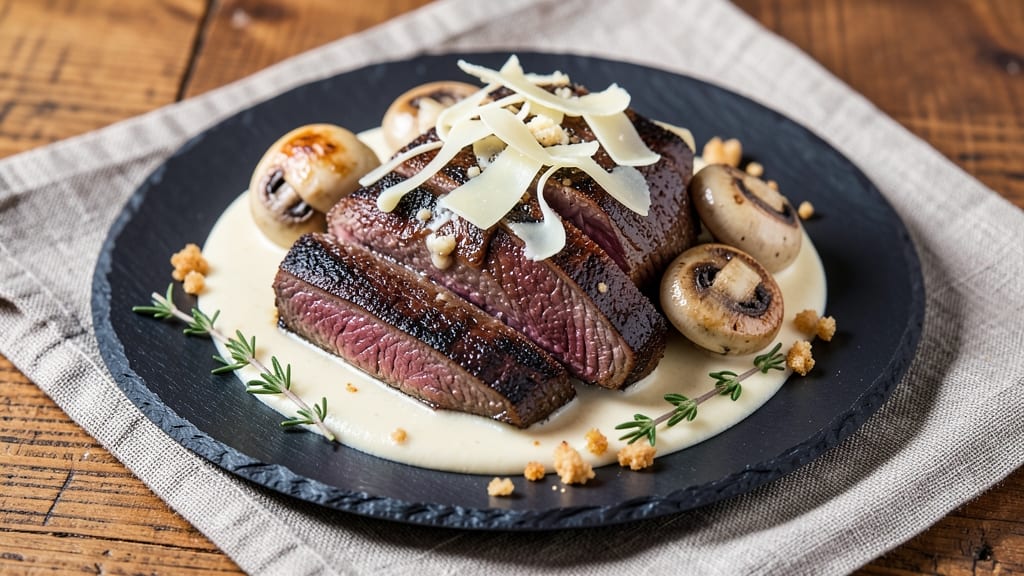
This beef bechamel recipe transforms simple ingredients into a rich, velvety sauce that clings perfectly to tender beef and al dente pasta. The secret lies in a smooth béchamel base—thickened with a perfect roux and enriched with mushrooms and Gruyère—creating a sauce that's both elegant and comforting.
I developed this dish during a particularly chilly evening when I wanted something hearty yet refined, and it quickly became a staple in my dinner rotation.
The process begins with searing beef strips until golden, then simmering them in a rich broth until fork-tender. Meanwhile, the béchamel sauce develops in stages: a roux forms the foundation, then warm milk creates a silky texture, and mushrooms add earthy depth.
Gruyère cheese melts into the sauce, adding a nutty richness that balances the dish. The result is a harmonious blend of textures—tender beef, creamy sauce, and perfectly cooked pasta—each bite delivering layers of flavor.
What makes this recipe stand out is its versatility. Serve it over fettuccine for a classic presentation or with roasted vegetables for added freshness. The sauce also works beautifully as a base for other dishes, like stuffed shells or baked pasta casseroles.
The key to success lies in patience—allowing the roux to cook thoroughly and the sauce to simmer gently ensures a velvety finish without lumps.
For best results, use high-quality beef cuts like sirloin or ribeye, and don’t skip the mushroom sautéing step—it adds a savory complexity that elevates the dish. Pair with a crisp green salad or crusty bread to soak up every last drop of that luscious sauce.
This recipe is proof that comfort food can also be sophisticated, and it’s sure to become a go-to for your dinner table.
Ingredients for beef bechamel
Fourteen ingredients blend into a velvety sauce that transforms simple beef and pasta into an elegant dinner.
| Ingredient | Amount | Notes |
|---|---|---|
| Beef Sirloin 🥩 | 1 ½ lb | Cut into 1-inch strips, boneless |
| White Button Mushrooms 🍄 | 8 oz | Sliced into thin strips |
| Gruyère Cheese 🧀 | 1 cup | Freshly grated, aged 12+ months |
| All-Purpose Flour 🌾 | ½ cup | For perfect roux base |
| Unsalted Butter 🧈 | ¾ cup | Cold, cut into small pieces |
| Whole Milk 🥛 | 2 cups | Warmed to room temperature |
| Beef Broth 💧 | 1 ½ cups | Low-sodium preferred |
| Fettuccine Pasta 🍝 | 12 oz | Al dente preferred |
| Garlic Cloves 🧄 | 4 cloves | Minced, fresh preferred |
| Shallots 🧅 | 2 whole | Minced, or substitute 2 tbsp onion |
| Dry White Wine 🍷 | ½ cup | Chardonnay or Sauvignon Blanc |
| Salt 🧂 | 1 ½ tsp | Kosher or sea salt |
| Ground Black Pepper 🌶️ | ½ tsp | Freshly cracked |
| Fresh Thyme Leaves 🌿 | 1 tbsp | Chopped, or 1 tsp dried |
The Gruyère cheese is non-negotiable here—look for aged varieties at specialty cheesemongers or well-stocked grocery stores like Whole Foods. A 12-month minimum aging delivers that signature nutty depth. For mushrooms, cremini or shiitake add complexity, but white buttons work perfectly for a classic approach. The beef should be sirloin or ribeye strips—leaner cuts like flank can dry out during the long simmer. I always buy my Gruyère from Murray's Cheese when possible, but the store-brand aged Gruyère at Trader Joe's is a solid budget alternative.
No white wine? Dry vermouth at half the amount works surprisingly well. Fresh thyme unavailable? Dried thyme at one-third the quantity suffices, but toast it lightly in a dry pan first for better flavor. The flour for the roux must be all-purpose, not cake flour—it develops a deeper flavor when cooked. For a dairy-free version, substitute unsweetened almond milk and nutritional yeast instead of Gruyère. The shallots can be swapped for green onions if you're in a hurry, though they won't have the same depth of flavor.
This sauce reheats beautifully—simmer gently on low heat with a splash of milk or broth. Keeps 4-5 days refrigerated and freezes for 3 months in airtight containers. For meal prep, cook the pasta and beef separately, then assemble everything just before serving to maintain texture. The roux can be made ahead and refrigerated for 2 days—just whisk vigorously to re-emulsify before adding milk. Portion the cheese separately if freezing to prevent clumping.
Why You'll Love This Recipe
- One-Pot Magic: I swear by this recipe because it’s all in one pan—no extra dishes, no stress. Sear the beef sirloin, toss in the mushrooms, then just stir in the bechamel sauce. Cleanup? Barely there.
- Gruyère Glamour: That melted Gruyère transforms everything. It’s rich but not heavy, nutty but smooth, and it clings to the beef like a cozy blanket. Honestly, I’d eat this with a spoon.
- Weeknight Workhorse: This dish is my secret weapon for busy nights. It’s hearty enough for dinner but simple enough to throw together while you’re waiting for the kids to finish soccer practice. (Yes, even on a Tuesday night.)
- Budget-Friendly Luxury: You’re getting restaurant-quality flavor without the price tag. Beef sirloin stretches further than you’d think, and Gruyère adds that fancy touch without breaking the bank. Leftovers? Even better the next day.
Step-by-step instructions for beef bechamel with mushroom and Gruyère
This rich, velvety sauce combines tender beef, earthy mushrooms, and nutty Gruyère over al dente pasta.
Sear the Beef Sirloin for Deep Flavor
Pat the 1.5 lb beef sirloin dry with paper towels and cut into 1-inch strips. Heat a large skillet over medium-high heat until hot, then add the beef in a single layer. Let it sear undisturbed for 3-4 minutes until deeply browned on one side—this creates the Maillard reaction that builds flavor. Flip and sear the other side for another 2-3 minutes. Remove the beef and set aside, leaving the browned bits in the pan.
Here's the thing—don't overcrowd the pan. If you need to work in batches, that's fine, but each batch should develop that rich crust. The beef should be medium-rare at this stage and will finish cooking in the sauce later. Season the seared beef with ½ tsp salt and ¼ tsp black pepper while it rests.
Build the Roux with Butter and Flour
Reduce heat to medium and add 0.75 cup cold unsalted butter cut into small pieces to the same skillet. Let it melt completely, then whisk in 0.5 cup all-purpose flour to form a smooth paste. Cook this roux for 2-3 minutes, stirring constantly, until it turns a light golden color and smells nutty. This step is crucial—if the roux darkens too much, it'll taste bitter.
Watch the color carefully. You want it to look like wet sand rather than fried breadcrumbs. If it starts to smell burnt, immediately reduce heat or remove the pan. The roux should coat the back of a spoon smoothly without graininess.
Deglaze with Wine and Add Aromatics
Pour in 0.5 cup dry white wine and scrape up all those flavorful browned bits from the bottom of the pan. Let the wine simmer for 2-3 minutes until mostly evaporated. Add 2 minced shallots and 4 minced garlic cloves, cooking for 1 minute until fragrant but not browned. Stir in 8 oz sliced white button mushrooms and cook for 5-6 minutes until they release their moisture and begin to soften.
This deglazing step captures all the meaty flavors you worked so hard to create. The mushrooms will contribute an earthy depth that pairs perfectly with the richness of the bechamel. If they start to brown too quickly, reduce heat to medium-low to prevent burning.
Create the Velvety Bechamel Base
Gradually whisk in 2 cups warm whole milk, about ½ cup at a time, allowing each addition to incorporate completely before adding more. This slow incorporation prevents lumps from forming. Stir constantly over medium-low heat for 5-7 minutes until the sauce thickens enough to coat the back of a spoon. If it thickens too quickly, whisk in 2-3 tablespoons beef broth to adjust consistency.
Here's where precision matters. The sauce should be smooth and velvety, not grainy or watery. If you see any lumps, strain the sauce through a fine-mesh sieve for a silky texture. Season with remaining 1 tsp salt and ¼ tsp black pepper. The sauce should taste rich but balanced—savory from the beef, umami from the mushrooms, and slightly tangy from the wine.
Finish with Cheese and Beef
Return the seared beef to the skillet and stir to coat in the sauce. Add 1 cup freshly grated Gruyère cheese and 1 tbsp chopped fresh thyme leaves, stirring until the cheese melts completely and creates a glossy finish. If the sauce seems too thick, whisk in 2-3 tablespoons beef broth to reach your desired consistency. Taste and adjust seasoning one final time.
This final step transforms your sauce from ordinary to extraordinary. The Gruyère should melt into a creamy, nutty blanket that binds everything together. The thyme adds a bright, herbal note that cuts through the richness. Keep the sauce warm over low heat while you cook the pasta.
Cook the Pasta and Combine
Boil 12 oz fettuccine pasta in salted water until al dente (about 1 minute less than package instructions). Reserve ½ cup pasta water before draining. Toss the pasta with the beef bechamel sauce, adding reserved pasta water 1 tablespoon at a time if needed to create a silky coating. Serve immediately, garnished with additional Gruyère cheese if desired.
The pasta should be perfectly coated in the rich, velvety sauce with each strand visible. Every bite should deliver tender beef, earthy mushrooms, and that luxurious Gruyère flavor. The sauce should cling beautifully to the pasta without being gloppy—this is where that reserved pasta water comes into play if needed.
Pro Tips For Making Beef Bechamel
- Bloom the Mushrooms First: Slice those white buttons thin and cook them in butter for 5-7 minutes until they release their moisture—this stops them from turning to mush later. I learned this the hard way when my bechamel turned into a watery soup after adding them raw.
- Whisk Like Your Life Depends on It: When making the roux, keep that whisk moving constantly over medium heat—no gaps, no breaks. The second you stop, you risk burning the flour and turning your creamy sauce into a bitter, lumpy mess. (Yes, even if you’re impatient like me.)
- Grate Gruyère Coarse: Skip the fine grater and go for big, uneven shreds—this cheese melts slower, giving you time to adjust the sauce’s thickness before it clumps. My grandmother swore by this, and she was right: the texture stays velvety, not gloppy.
- Rest the Beef Before Slicing: Let that sirloin sit for 10 minutes after searing—it keeps the slices from shrinking into tough, chewy bits when they hit the bechamel. I was skeptical until I tried it: the meat stays juicy, and the sauce clings instead of soaking into nothing.
Perfect pairings for this recipe
Classic Wine Pairings
A crisp Chardonnay from Burgundy or California is my go-to pairing—its buttery notes complement the Gruyère beautifully while cutting through the richness. Look for a unoaked Chardonnay with citrus undertones to balance the dish's creaminess. I love a bottle from Kendall-Jackson for its approachable price and perfect acidity. 🍷
Crisp Beer Options
For beer lovers, a Belgian witbier like Hoegaarden brings refreshing citrus and peppery notes that contrast the dish's richness. Alternatively, try a dry Riesling from Germany—its slight tartness enhances the mushrooms and Gruyère. Avoid heavy stouts or IPAs that might overpower the delicate sauce. 🍺
Fresh Salad Balance
A simple arugula salad with lemon vinaigrette clears your palate between bites. Toss 4 cups baby arugula with 2 tbsp olive oil, 1 tbsp lemon juice, and a pinch of salt. Add ½ cup shaved Parmesan for extra richness. The peppery greens balance the creamy sauce perfectly. 🥗
Crusty Bread Sides
Serve with garlic bread or a baguette for soaking up sauce. Brush slices with garlic-infused olive oil and toast until golden. I like to sprinkle with fresh parsley and a pinch of red pepper flakes for a pop of color and heat. 🥖
Roasted Vegetable Contrast
Add roasted Brussels sprouts or asparagus for texture. Toss 1 lb Brussels sprouts with 1 tbsp olive oil, ½ tsp salt, and ¼ tsp black pepper, then roast at 400°F for 20 minutes until caramelized. The crispy edges contrast the creamy sauce beautifully. 🥦
Dessert Pairings
End with something light like vanilla bean ice cream or citrus sorbet to refresh your palate. The cool creaminess balances the dish's richness, while a lemon sorbet cuts through any lingering dairy notes. 🍦
Nutrition facts
Frequently asked questions about beef bechamel
Can I substitute Gruyère with another cheese?
Yes! For a similar nutty flavor, use Comté or Emmental. If you prefer sharpness, try Parmesan (use ½ cup instead of 1 cup since it's stronger). For a dairy-free option, blend ½ cup cashew butter with ½ cup unsweetened almond milk and a pinch of salt to mimic the creaminess.
How do I fix a bechamel that's too thick or too thin?
For a thick sauce, whisk in 1-2 tablespoons warm milk or broth at a time until smooth. If it's too thin, mix 1 teaspoon cornstarch with 1 tablespoon cold water, stir it in, and simmer for 1-2 minutes. Never add more flour or butter—it'll make the sauce grainy.
Can I make this dish ahead of time?
Cook the beef and sauce up to 2 days ahead, then refrigerate in an airtight container. Reheat gently on low heat, stirring frequently, and add a splash of milk or broth if needed. Cook the pasta fresh—it's best served al dente with the warm sauce. The roux can be made 1 day ahead and stored in the fridge.
What's the best way to cook the beef for this dish?
For tender results, sear the beef strips until medium-rare (about 3-4 minutes per side) before adding to the sauce. The high heat creates flavor, while the sauce finishes cooking the beef gently. Avoid overcrowding the pan—cook in batches if needed. For extra tenderness, marinate the beef in 1 tbsp olive oil, 1 tsp soy sauce, and ½ tsp black pepper for 30 minutes before cooking.
Why did my bechamel sauce turn grainy?
Graininess usually means the roux didn't cook long enough or you added milk too quickly. For a silky texture, cook the roux until it's a light golden color (about 2-3 minutes) and stir constantly when adding milk. If it's already grainy, strain the sauce through a fine-mesh sieve. For future batches, whisk vigorously while adding milk or use a hand mixer for extra smoothness.