
Soups & Stews
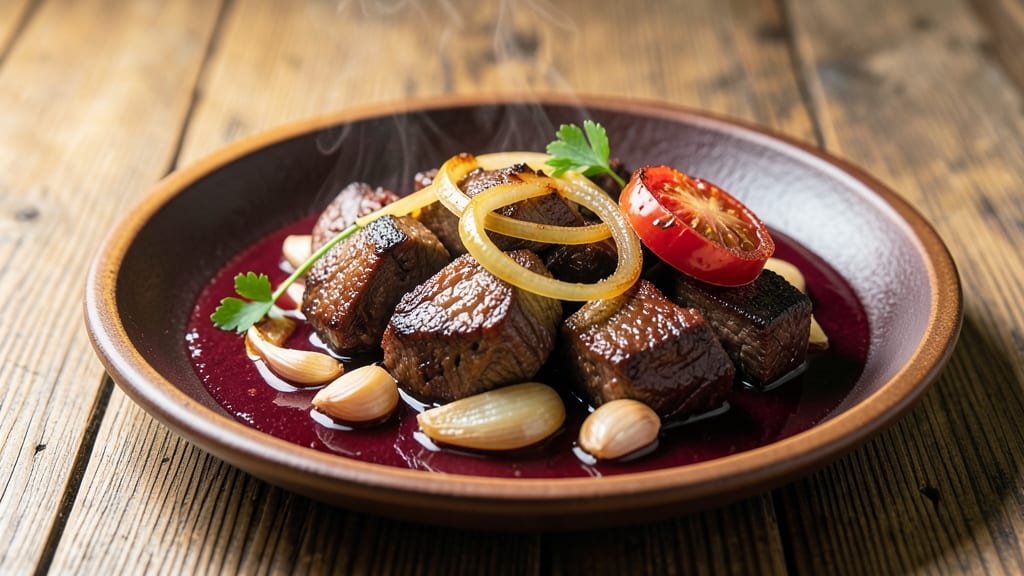
This beef base au jus recipe transforms simple browned bits into a rich, umami-packed sauce that elevates any protein dish. The secret lies in deglazing the pan with wine and stock, then reducing until thick and glossy—no fancy techniques, just patience and attention to detail.
I’ve perfected this method over years of restaurant-style cooking at home, where a well-made au jus turns a simple steak into a showstopper.
The process starts with searing beef to develop deep, caramelized flavors in the pan. After removing the meat, you’ll deglaze with red wine (or broth for a non-alcoholic version) to scrape up those precious browned bits—this is where the magic happens.
Simmering the liquid until it thickens creates a sauce that clings beautifully to roasted vegetables, mashed potatoes, or even grilled fish. The key is slow reduction, which intensifies the beefy flavor without overpowering it.
What you’ll end up with is a glossy, velvety au jus that’s rich enough to stand alone but versatile enough to complement any main course. It’s the kind of sauce that makes weeknight dinners feel like a restaurant experience—deep, complex, and impossible to resist.
The best part? It takes less than 30 minutes to make and uses ingredients you likely already have on hand.
For extra thickness, a cornstarch slurry works wonders, while a splash of Worcestershire sauce adds another layer of umami depth. Serve it immediately over seared steaks, drizzle it over roasted potatoes, or use it as a base for gravy.
This is the kind of sauce that turns ordinary meals into something extraordinary—without the fuss.
Ingredients for beef base au jus
These bold ingredients transform browned bits into restaurant-worthy au jus.
| Ingredient | Amount | Notes |
|---|---|---|
| Beef Bones or Browned Beef Chunks 🥩 | 2 cups | From seared steak or roast |
| Dry Red Wine 🍷 | 1 cup | Bold like Cabernet Sauvignon |
| Beef Stock 💧 | 2 cups | Homemade or high-quality store-bought |
| Yellow Onion 🧅 | 1 whole | Diced, about 1 cup |
| Garlic Cloves 🧄 | 4 cloves | Minced for depth |
| Tomato Paste 🍅 | 1 tbsp | Squeeze tube or canned |
| Worcestershire Sauce 🥫 | 1 tbsp | For umami punch |
| Cornstarch 🌾 | 1 tsp | For thickening slurry |
| Cold Water 💧 | 1 tbsp | For cornstarch slurry |
| Fresh Thyme Leaves 🌿 | 2 tsp | Or 1 tsp dried thyme |
| Black Peppercorns 🌶️ | ½ tsp | Freshly cracked |
| Salt 🧂 | 1 tsp | Diamond Crystal preferred |
The beef bones or browned beef chunks are the foundation—look for well-marbled cuts at Whole Foods or your butcher. If using store-bought bones, roast them first at 400°F for 20 minutes to deepen flavor. The red wine should be dry and bold—Cabernet Sauvignon or Merlot work best, but anything dry in your rack will do. Beef stock? Homemade is ideal, but Kitchen Basics or Pacific Foods brands are solid shortcuts. Fresh thyme is worth seeking out at the grocery store's produce section—it's brighter than dried.
No red wine? Substitute with extra beef broth—just add 1 tbsp balsamic vinegar for depth. Short on thyme? Dried works at half the amount, but fresh is always better. The tomato paste can be skipped entirely if you prefer a cleaner flavor, but it adds a subtle sweetness that balances the acidity. Worcestershire sauce is non-negotiable for that umami kick—Lea & Perrins is the gold standard, but any good brand will do. For the cornstarch slurry, mix it with cold water first to avoid clumping, then whisk vigorously into the simmering sauce. If you're avoiding gluten, cornstarch can be swapped for arrowroot powder at the same ratio.
This sauce is best made fresh but reheats beautifully—simmer gently until warmed through. Store leftovers in the fridge for up to 5 days in an airtight container, or freeze for 3 months. I like to portion it into ice cube trays for easy single-use servings—just pop one into a pan with a splash of water or stock to revive. The au jus thickens as it cools, so reheat with a little extra liquid if it seems too stiff. Garnish with fresh thyme or cracked pepper before serving for that restaurant touch.
Why You'll Love This Recipe
- One-Pot Magic: I swear by this—just toss in bones or chunks, a splash of red wine, and let it simmer. No extra pans, no fuss, just deep flavor with almost no effort.
- Rich, Wine-Kissed Depth: That first sip? Pure umami bomb. The wine caramelizes into something almost sweet, while the garlic and onions build layers of savory warmth—like a hug in a bowl.
- Weeknight to Dinner Party: Same base, endless uses. Slather it on steak, toss with noodles, or drizzle over mashed potatoes. Honestly, I’ve served it at both my kitchen table and my in-laws’ Thanksgiving—no one ever questions the menu.
- Budget-Friendly Goldmine: Bones are cheap, stock stretches forever, and a bottle of wine turns into something luxurious. Leftovers? Even better. I freeze portions for future sauces or quick pan-seared meals—zero waste, maximum flavor.
Step-by-step instructions for beef base au jus recipe
Unlock rich umami flavor by transforming browned beef bits into a velvety pan sauce.
Build the Flavor Base with Onion and Garlic
Heat a large Dutch oven over medium heat and add the 2 cups of beef bones or browned beef chunks. Let them sizzle for 2-3 minutes until the fat begins to render and you smell that deep, caramelized aroma. This is where all the magic starts—those browned bits packed with flavor.
Add the 1 whole yellow onion, diced into small pieces, and cook for 5-6 minutes until softened and translucent. Stir occasionally to prevent burning. Then add the 4 cloves of minced garlic and cook for another 30 seconds until fragrant. You'll know it's ready when the garlic releases its aromatic oils—this is the foundation of your sauce's depth.
Deepen the Flavor with Wine and Stock
Pour in the 1 cup of dry red wine and scrape up all those delicious browned bits from the bottom of the pan. This deglazing step captures all the concentrated flavor that would otherwise stick to your pot. Let the wine simmer for 3-4 minutes until it reduces by half, intensifying its flavor and creating a glossy sheen.
Add the 2 cups of beef stock, the 1 tbsp of tomato paste, and the 1 tbsp of Worcestershire sauce. Stir well to combine, then bring the mixture to a gentle simmer. Let it cook uncovered for 15-20 minutes until the liquid reduces by about one-third, concentrating the flavors even further. The sauce should coat the back of a spoon and have a rich, reddish hue.
Season and Thicken the Sauce
Add the 1 tsp of salt, 0.5 tsp of freshly cracked black peppercorns, and 2 tsp of fresh thyme leaves to the simmering sauce. Stir gently and let it cook for another 5 minutes to allow the seasonings to meld with the other flavors. The thyme will add an earthy aroma, while the peppercorns bring a subtle heat that balances the richness.
In a small bowl, whisk together the 1 tsp of cornstarch and 1 tbsp of cold water to create a slurry. Slowly pour the slurry into the sauce while stirring constantly. The sauce will begin to thicken immediately—keep stirring for 2-3 minutes until it reaches a velvety consistency that coats the back of a spoon. If it thickens too much, add a splash of water to reach your desired texture.
Rest and Serve with Confidence
Remove the sauce from heat and let it rest for 5 minutes. This resting period allows the flavors to fully meld and the sauce to thicken slightly as it cools. Taste and adjust the seasoning if needed—sometimes a pinch more salt or a crack of black pepper can elevate the dish to perfection.
Serve the au jus immediately over sliced steak, roasted vegetables, or mashed potatoes. The sauce should cling beautifully to whatever you pour it over, delivering a deep, umami-rich flavor that transforms a simple meal into something extraordinary. This sauce is best enjoyed fresh, so don't wait too long before serving—every minute on the table makes it even better.
Pro Tips For Making Beef Base Au Jus
- Brown Bones Properly: Skip the quick sear—get those bones deep brown (almost black in spots) before adding liquid. I used to rush this, and the base tasted flat. Take 15-20 minutes on medium-high, stirring occasionally, until the edges crisp and the meat pulls away slightly.
- Deglaze with Wine Early: As soon as you add the red wine, let it bubble hard for 2-3 minutes to cook off the alcohol. I learned this the hard way—leaving it too long makes the base taste raw, but rushing it leaves bitter residue. Just until it reduces by half.
- Strain Twice for Clarity: After simmering, strain through a fine-mesh sieve first, then a cheesecloth-lined colander. The second pass removes the last of the cloudiness—yes, it’s extra work, but the difference in texture is noticeable. (Your future self will thank you.)
- Boost Flavor with Aromatics: Sauté the onion and garlic until the onion turns golden, not just translucent—this adds depth. I was skeptical until I tried it; the caramelized bits dissolve into the base and make it taste richer without extra effort.
Serving suggestions for this dish
Steak Perfection
This au jus is designed to elevate your steak experience. Drizzle it generously over perfectly seared ribeye or New York strip steaks while they're still warm. The sauce clings beautifully to the meat, enhancing its natural richness.
For an extra touch, sprinkle with flaky sea salt and fresh thyme right before serving. 🥩
Roasted Potatoes
Transform simple roasted potatoes into a gourmet side by spooning the au jus over them. The velvety sauce coats each crispy potato perfectly, adding depth to every bite.
I like to roast Yukon Gold potatoes with rosemary and garlic for a complementary flavor profile. Serve immediately for the best texture and flavor combination.
Grilled Vegetables
Use this sauce as a finishing drizzle for grilled vegetables like asparagus, bell peppers, or zucchini. The umami-rich au jus adds a savory element that balances the natural sweetness of the vegetables.
I recommend grilling the veggies first, then arranging them on a platter and drizzling the sauce generously over the top. 🌱
Mashed Potatoes
Mashed potatoes become restaurant-worthy with this sauce. Fold a spoonful of au jus into each serving of creamy mashed potatoes for extra richness. The sauce blends seamlessly, adding a luxurious depth that makes this side dish the star of the meal.
For an extra touch, garnish with chives or parsley before serving.
Stuffing or Risotto
Add a spoonful of au jus to your stuffing or risotto for an unexpected umami boost. The sauce enhances the flavors of the grains and herbs, making each bite more complex.
I like to stir it in during the final minutes of cooking to maintain the sauce's velvety texture. This works particularly well with herb stuffing or mushroom risotto.
Dipping Sauce
Serve this au jus as a dipping sauce for steak fries, breadsticks, or even crispy Brussels sprouts. The rich, savory flavor pairs perfectly with fried or roasted foods. I recommend keeping a small bowl of the sauce on the table for guests to dip into as they please. 🍽️
Nutrition facts
Frequently asked questions
Can I make this au jus without red wine?
Replace the 1 cup of red wine with 1 cup beef stock + 1 tbsp balsamic vinegar for depth. The vinegar mimics wine's acidity, while the extra stock maintains the same liquid volume. For a completely alcohol-free version, use 1 cup beef stock + 1 tbsp lemon juice instead.
How do I fix au jus that's too thin or too thick?
For thin au jus, simmer uncovered for 5-10 more minutes to reduce further. If it's too thick, whisk in 1 tbsp warm water or stock at a time until it reaches a velvety consistency. Pro tip: The sauce will thicken slightly as it cools, so adjust while still hot.
What's the best way to store leftover au jus?
Store in an airtight container in the fridge for up to 5 days or freeze for 3 months. For easy reheating, portion into ice cube trays, freeze, then transfer cubes to a bag. Thaw overnight in the fridge and reheat gently with a splash of water or stock.
Can I use this au jus as a gravy base?
Yes! This au jus makes an excellent gravy foundation. Simply strain out any solids, then thicken further with a cornstarch slurry if needed. It works beautifully with mashed potatoes, roasted meats, or even as a drizzle for dumplings. The rich beef flavor elevates any dish it touches.
What's the secret to getting the most flavor from browned beef bits?
Always use a cold pan and let the beef sear undisturbed for 2-3 minutes to create deep browned bits. The key is patience—don't rush this step. These bits are packed with umami, so scrape them up thoroughly during deglazing. The longer they cook, the more complex the flavor becomes.