
Soups & Stews
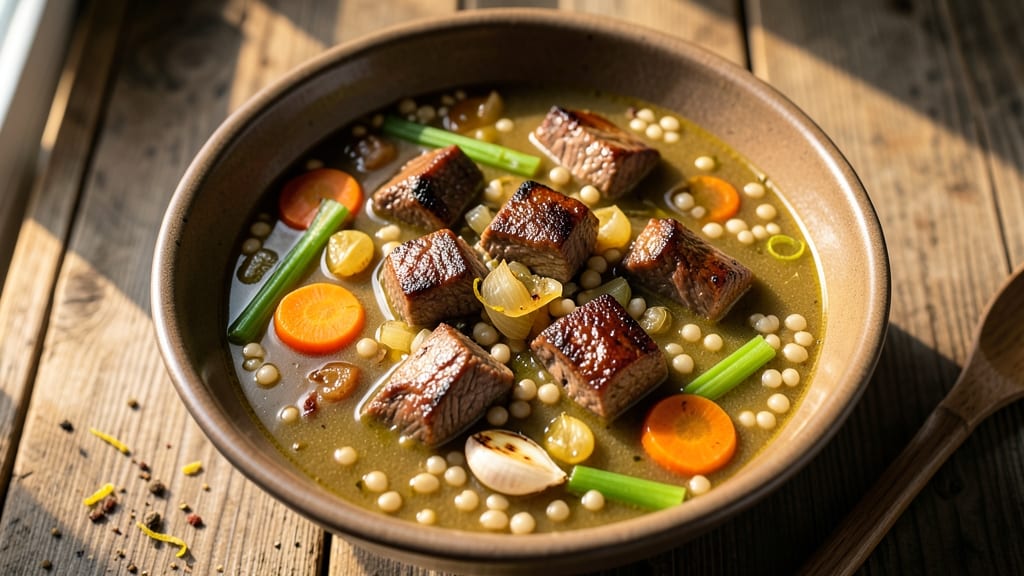
Alton Brown’s beef barley soup delivers the kind of soul-warming depth that transforms a simple weeknight dinner into a restaurant-worthy experience. The secret lies in slow-simmered flavors—caramelized beef, toasted barley, and aromatic vegetables melding into a rich, hearty broth that’s both comforting and complex. This isn’t your grandmother’s quick-fix soup; it’s a methodical, foolproof approach that rewards patience with layers of umami and texture.
What sets this recipe apart is the precision in technique: browning the beef deeply for maximum flavor, toasting the barley for nutty depth, and simmering at a gentle 200°F (93°C) to let the broth develop richness without breaking down the meat.
No shortcuts here—just time-honored methods that build flavor gradually. The result? A soup with a hearty chew, tender beef, and barley that’s perfectly al dente, all in a broth so flavorful it tastes like it’s been simmering all day.
This recipe balances tradition with modern convenience—whether you’re using a Dutch oven on the stovetop or adapting it for a pressure cooker. The key is letting the soup work its magic: the longer it simmers, the deeper the flavors become.
By the time you’re ladling it into bowls, you’ll understand why this is a staple in home kitchens and fine dining alike. It’s the kind of meal that feels like a hug on a cold day.
The beauty of this soup is its versatility—serve it as a main course with crusty bread or a side with roasted vegetables. Leftovers only get better as the flavors meld further. Ready to master the art of slow-simmered soup? Let’s get started with Alton Brown’s signature approach.
Ingredients for beef barley soup recipe alton brown
Six servings of soul-warming comfort—just these ingredients transform into Alton Brown’s signature slow-simmered masterpiece.
| Ingredient | Amount | Notes |
|---|---|---|
| Chuck Roast 🥩 | 2 lb | Cut into 1-inch cubes |
| Pearl Barley 🌾 | 1 cup | Rinsed and toasted |
| Yellow Onion 🧅 | 1 whole | Diced, about 1.5 cups |
| Carrots 🥕 | 4 medium | Peeled, cut into chunks |
| Celery Stalks 🧄 | 4 medium | Diced, about 1 cup |
| Garlic Cloves 🧄 | 4 cloves | Minced |
| Tomato Paste 🍅 | ½ cup | Squeeze tube preferred |
| Beef Broth 💧 | 6 cups | Low-sodium preferred |
| Red Wine 🍷 | 1 cup | Dry, like Cabernet |
| Bay Leaves 🍃 | 2 whole | Fresh preferred |
| Thyme Sprigs 🌿 | 2 whole | Fresh or dried |
| Salt 🧂 | 1 ½ tsp | Kosher or sea salt |
| Black Peppercorns 🌶️ | 1 tsp | Freshly cracked |
| Olive Oil 🫒 | 2 tbsp | For browning beef |
| Fresh Parsley 🌿 | ¼ cup | Chopped, for garnish |
The chuck roast is non-negotiable here—it’s the only cut with enough fat and connective tissue to create that rich, gelatinous broth after hours of simmering. Costco sells it pre-cut in chunks, saving you 10 minutes of work, but if you’re buying a whole roast, ask the butcher to cube it for you. The barley? Pearl barley is key—it holds its shape better than steel-cut and toasts beautifully. For the vegetables, organic carrots and celery from the store’s produce section stay crunchier longer, but regular works fine. Just make sure they’re firm, not rubbery. The garlic? Freshly minced makes all the difference—those pre-minced jars taste like sadness.
No red wine? Substitute extra beef broth with a splash of balsamic vinegar—it mimics the acidity. Running low on thyme? Dried works at one-third the amount, but fresh has that bright, herbal punch. The tomato paste can be the squeeze-tube kind from Trader Joe’s—it’s cheaper, lasts forever, and measures perfectly. For the broth, low-sodium is a must unless you’re adding extra salt later. The bay leaves? Tear them slightly before adding—they’ll release flavor faster. And if you’re short on time, pre-chop all your veggies while the beef browns. Multitasking is your friend here.
This soup tastes even better the next day, so make a double batch if you can. Store it in the fridge for up to 5 days, or freeze portions for 3 months. I like to portion it into individual containers—just reheat with a splash of water or broth. The barley thickens when cold, so stir it gently before reheating. For serving, crusty bread is mandatory. The parsley garnish is optional, but it adds that fresh pop of color—worth the extra 30 seconds if you’ve got it.
Why You'll Love This Recipe
- One-Pot Simplicity: I swear by this recipe when I’m too tired to dirty multiple pots. Chuck roast goes straight from fridge to pot—no searing drama, no browning fuss—just simmer until tender. The barley and veggies join in one go, and honestly? That’s my kind of magic.
- Deep Umami Magic: Between us, the slow-cooked chuck roast turns into melt-in-your-mouth perfection, while the pearl barley soaks up all that rich beef flavor. That crispy edge on the carrots and celery? Chef’s kiss. It’s the kind of soup that makes you forget it’s just barley and beef.
- Leftovers That Beg for More: This recipe actually improves the next day—yes, really. The flavors meld into something even heartier, and it reheats like a dream. I’ll be real: I’ve brought this to work for lunch, and coworkers still ask for seconds. (Pro tip: Freeze half for those “I don’t wanna cook” nights.)
- Budget-Friendly Crowd-Pleaser: A single chuck roast feeds six or more, and the veggies stretch the meal without breaking the bank. It’s my go-to for game days, potlucks, or when my college-aged kids invite friends over. No one ever leaves hungry—and no one complains about the price. Win-win.
Step-by-step instructions for slow-simmered beef barley soup
Here's how to build rich, hearty soup with deep flavor and perfect texture—just like Alton would make.
Sear the Chuck Roast for Maximum Flavor
Heat a large Dutch oven over medium-high heat and add the 2 tablespoons olive oil. Pat the 2 lb chuck roast dry with paper towels and cut it into 1-inch cubes. Working in batches if needed, brown the beef on all sides—this creates a flavorful crust that'll dissolve into the soup. You're looking for deep golden brown color, about 3-4 minutes per side.
As you brown, remove the beef and set it aside. Don't drain the fat—it's where all the flavor lives. If the pan gets too crowded, reduce heat slightly to prevent steaming. This searing step is non-negotiable; it builds the foundation for your soup's depth of flavor.
Sauté the Vegetable Base
In the same Dutch oven, add the diced yellow onion, carrots, and celery stalks—this is your classic mirepoix. Cook for 8-10 minutes over medium heat, stirring occasionally, until the vegetables soften and the onions become translucent. You want them to release their natural sweetness and caramelize slightly.
Add the minced garlic cloves and cook for another 30 seconds until fragrant. Here's where the aromatics really wake up—don't let the garlic burn. If it starts to darken too quickly, reduce heat to medium-low. This step forms the flavor backbone of your soup.
Build the Rich Broth Foundation
Stir in the ½ cup tomato paste and cook for 1 minute to toast its flavors. Pour in the 1 cup red wine and scrape up any browned bits from the bottom of the pot—this is called deglazing and captures all that meaty flavor. Let it simmer for 2 minutes until the wine reduces by half.
Add the 6 cups beef broth, 2 whole bay leaves, 2 whole thyme sprigs, 1½ teaspoons salt, and 1 teaspoon black peppercorns. Return the browned beef to the pot and bring everything to a gentle boil. Then reduce heat to low and let it simmer uncovered for 1 hour.
Add Barley and Simmer to Perfection
After the initial 1-hour simmer, add the 1 cup pearl barley (which should be rinsed and toasted as per the ingredients list). Stir gently to distribute the barley evenly throughout the broth. The soup should now simmer uncovered for another 45-60 minutes—this gives the barley time to soften properly while maintaining its satisfying chew.
Here's the thing—you want the barley to be tender but still have a slight bite. Taste-test after 45 minutes; if it's not quite done, let it simmer another 10-15 minutes. The soup should be thick enough to coat the back of a spoon but still have a nice brothy quality. If it gets too thick, add a splash of water or broth to reach your preferred consistency.
Finish and Serve with Fresh Herbs
Once the barley is perfectly tender, remove the bay leaves and thyme sprigs—they've done their job and can be discarded. Taste and adjust seasoning if needed, adding more salt or pepper as necessary. The soup should be rich, savory, and well-balanced.
Ladle the hot soup into bowls and garnish with ¼ cup chopped fresh parsley. The parsley adds a bright, fresh contrast to the deep, hearty flavors of the soup. Serve immediately with crusty bread to soak up every last drop of that delicious broth.
Pro Tips For Making Beef Barley Soup Recipe Alton Brown
- Sear the Chuck First: High heat for 3-4 minutes per side until deep brown—this isn’t just for looks. The crust locks in flavor and prevents the meat from turning into mushy gray sludge later. I used to skip this, and the soup always tasted like it needed more salt. Your future self will notice the difference.
- Soak the Barley (But Not Too Long): Toss the pearl barley in cold water for 15 minutes before adding it to the pot—this cuts cooking time by 20 minutes. Drain it well, though, or you’ll end up with a watery soup. I learned this the hard way after serving a bowl that looked like beef-flavored oatmeal.
- Don’t Crowd the Pot: When browning the onions, carrots, and celery, work in batches if needed. Overcrowding steams the veggies instead of caramelizing them, and you’ll end up with sad, limp mirepoix. Trust me, your soup’s depth of flavor depends on this step—no shortcut here.
- Use Beef Broth, Not Water: Skip the water and go straight for high-quality beef broth (or bouillon cubes in a pinch). The umami difference is night and day, and it’s the backbone of the soup’s richness. I was skeptical until I tried it—I now keep a big carton of low-sodium broth on hand just for this recipe.
Wine and beer pairings for this beef barley soup recipe alton brown
Red Wine Harmony
This soup’s deep, savory richness pairs beautifully with a bold red wine that complements its umami notes. I always reach for a Cabernet Sauvignon from Napa Valley—its dark fruit flavors and tannins stand up to the beef while the wine’s acidity cuts through the richness.
For something lighter, a Pinot Noir from Oregon offers bright red berry notes that harmonize without overpowering. 🍷
If you prefer white wine, a dry Chardonnay with noticeable oak (like one from Sonoma County) works surprisingly well—the buttery notes echo the soup’s creamy texture. Just avoid sweet wines; their sugar will clash with the soup’s savory depth.
Pro tip: Chill your wine slightly before serving—room temperature can feel too heavy with this hearty dish.
Craft Beer Pairings
A well-hopped amber ale or brown ale balances the soup’s richness with bitterness. I love Fat Tire from New Belgium—its caramel malt sweetness and subtle hoppiness mirror the soup’s barley and beef flavors.
For something stronger, a Belgian dubbel like Westmalle Dubbel brings fruity, spiced notes that enhance the thyme and bay leaf aromatics. 🍺
If you’re avoiding alcohol, a non-alcoholic brown ale (like Heineken 0.0) delivers similar malt complexity. For a lighter option, a wheat beer with citrus notes (like Blue Moon) provides a refreshing contrast.
The key is matching the beer’s maltiness to the soup’s depth—avoid overly hoppy IPAs, which can overwhelm.
Non-Alcoholic Options
For a refreshing non-alcoholic match, try a sparkling apple cider like Martinelli’s—its crisp acidity and slight sweetness cleanse the palate between bites. A ginger beer (like Fever-Tree) adds a zesty kick that brightens the soup’s heartiness.
For something warmer, a chai tea latte (with cinnamon and cardamom) echoes the soup’s spiced notes without alcohol. 🍹
Herbal teas like rooibos (with honey) provide earthy depth that pairs surprisingly well. The key is balancing the soup’s richness with something that either cuts through fat (acidic) or complements its warmth (spiced). Avoid overly sweet drinks—they’ll make the soup taste heavier.
Seasonal Adjustments
In summer, I swap the red wine for a dry rosé—its crisp acidity refreshes the palate. For winter, a port-style wine (like Taylor’s Late Bottled Vintage) adds a luscious, fortified contrast. The same logic applies to beer: lighter ales work in summer, while malty stouts shine in winter. 🌡️
If you’re serving this soup at a potluck, bring a bottle of Malbec—its dark fruit and velvety texture make it a crowd-pleaser. For a budget-friendly option, Barefoot Cabernet** (around $8) delivers reliable quality.
The rule of thumb: the wine should taste like it belongs in the soup, not like it’s fighting against it.
Nutrition facts
Frequently asked questions
Why does this recipe use chuck roast instead of tender cuts like sirloin?
Chuck roast is packed with connective tissue that breaks down during slow simmering, creating a rich, gelatinous broth that tender cuts can't match. The fat content also adds depth of flavor—this is why traditional beef barley soups rely on tougher, flavorful cuts. For best results, never substitute with leaner meats like filet mignon.
Can I make this soup in a slow cooker instead of a Dutch oven?
Brown the beef first in a skillet, then transfer everything to your slow cooker. Cook on low for 8 hours or high for 4-5 hours, adding the barley in the last 30-45 minutes. The slow cooker's gentle heat works perfectly for developing deep flavors—just check the barley's doneness and adjust seasoning at the end.
What's the deal with toasting the barley? Will it make a difference?
Toasting the barley in a dry pot for 2-3 minutes until fragrant adds nutty depth that untoasted barley can't match. It prevents the soup from becoming overly mushy and enhances the barley's natural sweetness. Skip this step only if you're short on time, but you'll notice the flavor difference!
My soup turned out too thick—how can I fix it?
Add ½ cup warm water or beef broth at a time, stirring well after each addition. Heat gently until just simmering—don't boil or the barley may overcook. For prevention, simmer uncovered and stir occasionally. The soup should coat a spoon but still be ladle-friendly. If it's still too thick after adding liquid, the barley may need more cooking time.
Can I substitute pearl barley with another grain?
While pearl barley is traditional, you can use wild rice blend (simmer 15 minutes less) or short-grain brown rice (simmer 20 minutes less). Avoid steel-cut oats—they become too mushy. For a gluten-free option, try quinoa, but reduce simmering time to 10-12 minutes and add it with the beef broth. The texture will differ but still be delicious!