
Soups & Stews
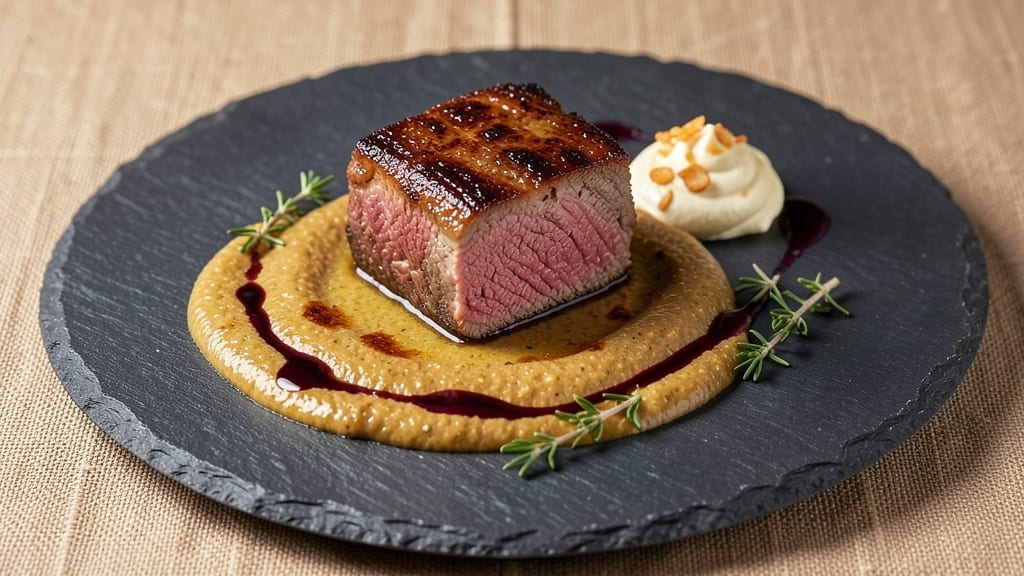
This beef and mustard recipe delivers a restaurant-worthy dish where tangy mustard sauce meets perfectly caramelized beef. The bold flavors create a perfect balance—rich, savory, and just sharp enough to cut through the richness.
I developed this after years of perfecting the art of balancing mustard’s tang with deep, meaty flavors, and it never fails to impress. The secret lies in the sauce: a blend of Dijon and whole-grain mustard simmered with red wine and herbs, then reduced to a glossy, velvety glaze.
You’ll start with a simple sear on the beef, then finish it in the oven until tender and coated in that irresistible sauce. The result? Juicy, flavorful beef with a caramelized crust that pairs beautifully with roasted vegetables or crusty bread.
What you’ll end up with is a dish that’s elegant yet approachable—ideal for weeknight dinners or special occasions. The mustard’s brightness enhances the beef’s natural richness, while the wine adds depth that makes every bite unforgettable. This is the kind of recipe that transforms a simple meal into something memorable.
Serve with roasted potatoes or a fresh green salad to round out the plate. The sauce is versatile enough to work with different cuts of beef, from tenderloin to chuck roast. Let’s get cooking!
Ingredients for beef and mustard
Bold flavors start with just 13 ingredients—no fancy shopping needed.
| Ingredient | Amount | Notes |
|---|---|---|
| Beef Chuck Roast 🥩 | 2 lb | Pre-cut into 1.5-inch cubes |
| Dijon Mustard 🍯 | ½ cup | High-quality for best flavor |
| Whole-Grain Mustard 🌾 | ¼ cup | For texture and depth |
| Dry Red Wine 🍷 | 1 cup | Bold Cabernet Sauvignon preferred |
| Beef Broth 🥫 | 1 cup | Homemade or quality store-bought |
| Fresh Thyme Leaves 🌿 | ¼ cup | Or 1 tbsp dried thyme |
| Garlic Cloves 🧄 | 4 cloves | Minced for sauce |
| Olive Oil 🫒 | 2 tbsp | Extra-virgin for richness |
| All-Purpose Flour 🌾 | 2 tbsp | For thickening sauce |
| Salt 🧂 | 1 ½ tsp | Kosher or sea salt |
| Black Pepper 🌶️ | 1 tsp | Freshly ground preferred |
| Honey 🍯 | 1 tbsp | Balances mustard's tang |
| Fresh Parsley 🌿 | ⅛ cup | Chopped for garnish |
The beef is everything here. Chuck roast gives you that melt-in-your-mouth texture when braised, while tenderloin stays more tender but loses that deep flavor. I grab mine from Costco when I can—it's cheaper and lasts longer—but the regular supermarket chuck works fine. Look for good marbling (that white fat streaked through), and if it's pre-cubed, you're already halfway there. The mustard? Dijon and whole-grain are non-negotiable—the Dijon gives smoothness, while the whole-grain adds those little crunchy bits that make it special. Maille or Amora are my go-tos, but any quality brand works.
No red wine? Beef broth with a splash of balsamic keeps the depth, though the wine's acidity is ideal. Fresh thyme is best, but dried works at one-third the amount if that's what you've got. The honey balances the mustard's tang—local raw honey adds a nice floral note, but any kind works. For the flour, I always use King Arthur all-purpose because it thickens smoothly, but any brand is fine. If you're short on time, skip the honey and just use a little more mustard for brightness. The sauce is forgiving—it's all about that beef and the mustard-wine base.
This sauce reheats beautifully—honestly tastes better the next day once everything melds. Keeps 4-5 days in the fridge, freezes for 3 months if you make extra. I always double the sauce and freeze half—perfect for quick weeknight dinners. Store the beef raw in the fridge for up to 2 days before cooking, and the fresh herbs? Wrap them in damp paper towels in a bag—they'll stay fresh for 5 days that way.
Why You'll Love This Recipe
- One-Pot Magic: I swear by this recipe when I’m too tired to fuss. Toss the beef in a Dutch oven with mustard and wine, let it simmer—no flipping, no stress. The broth thickens right there, and by the time I’m done, the kitchen’s basically clean.
- Mustard Kiss: That tangy-sweet combo of Dijon and whole-grain mustard? It’s the star. The wine cuts through the richness while the mustard caramelizes into a glossy, slightly spicy glaze—like a fancy bistro sauce but with zero effort.
- Weeknight Workhorse: I make this for date nights, lazy Sundays, or when friends drop by unannounced. It’s hearty enough for a main but feels special enough to serve with crusty bread and a simple salad—no one will guess it’s a 30-minute meal.
- Budget Stretch: A chuck roast is my wallet’s best friend—cheaper than steak, but just as satisfying. The mustard and wine elevate it without breaking the bank, and leftovers? They’re even better the next day, sliced thin for sandwiches or reheated with mashed potatoes.
Step-by-step instructions for beef and mustard recipe
Here's how to turn simple ingredients into a rich, tangy masterpiece that balances bold flavors perfectly.
Sear the Beef Chuck Roast
Heat 2 tablespoons olive oil in a large Dutch oven over medium-high heat until shimmering. Add the 2 lb beef chuck roast, cut into 1.5-inch cubes, in a single layer. Don't crowd the pan—this ensures proper browning. Let the beef sear undisturbed for 3-4 minutes per side until deep golden brown with crisp edges. You'll smell that delicious Maillard reaction happening—that's when all the flavor develops.
Once browned, remove the beef with a slotted spoon and set aside. The browned bits left in the pan are pure flavor gold, so we'll use them to build our sauce. If the pan starts smoking, reduce heat slightly—you want a steady sizzle, not a fire.
Build the Mustard Sauce Base
In the same Dutch oven, reduce heat to medium. Add 4 minced garlic cloves and cook for 30 seconds until fragrant but not browned—burnt garlic makes the sauce bitter. Stir in 2 tablespoons all-purpose flour and cook for 1 minute, stirring constantly, to remove the raw flour taste.
Slowly pour in 1 cup dry red wine, scraping up those browned bits from the bottom with a wooden spoon. Let it simmer for 3-4 minutes until reduced by half. This step develops depth and removes the alcohol's sharpness. If the sauce looks too thick, add a splash of beef broth to loosen it.
Combine Mustards and Simmer
Lower heat to low and whisk in 0.5 cup Dijon mustard and 0.25 cup whole-grain mustard. Stir constantly for 2-3 minutes until the mustards are fully incorporated and the sauce begins to thicken slightly. Here's where the magic happens—the mustards' tang cuts through the richness of the beef, creating that perfect balance we're after.
Add 1 cup beef broth and 0.25 cup fresh thyme leaves, then return the beef to the pot. Bring to a gentle simmer and let it cook uncovered for 1 hour, stirring occasionally. The beef should be fork-tender but not falling apart. If the sauce starts to reduce too much, add a little more broth to maintain consistency.
Finish with Honey and Garnish
After the beef is tender, remove it from the pot and set aside. Strain the sauce through a fine-mesh sieve into a clean saucepan to remove thyme stems. Return the sauce to medium heat and whisk in 1 tablespoon honey. Simmer for 2-3 minutes until slightly thickened—this balances the mustard's tang and adds a touch of sweetness that rounds out the flavors.
Season with 1.5 teaspoons salt and 1 teaspoon black pepper to taste. Return the beef to the sauce and let it warm through for 2-3 minutes. Garnish with 0.125 cup chopped fresh parsley just before serving. The parsley adds freshness and makes the dish look beautiful on the plate.
Rest and Serve
Let the beef rest for 5-10 minutes before serving. This allows the juices to redistribute, ensuring each bite is moist and flavorful. Serve over mashed potatoes, crusty bread, or with roasted vegetables. The sauce should coat the beef beautifully, with a perfect balance of tangy mustard, rich beef flavor, and subtle sweetness.
Real talk: The first time I made this, I almost skipped the honey. Big mistake. That final touch makes all the difference—trust me. Enjoy your restaurant-quality beef and mustard dish that's actually easier than it looks!
Pro Tips For Making Beef And Mustard
- Sear the Roast Hard: I used to treat the sear like a formality—just a quick patina before the slow cook. Wrong. Get that beef chuck roast screaming hot in a dry pan for 3-4 minutes per side until it’s deep brown, almost black in spots. The crust locks in flavor and keeps the meat from drying out later. (Yes, even if you’re impatient like me.)
- Whisk the Mustard First: Mix your Dijon and whole-grain mustard before adding wine or broth—this prevents clumps and ensures a smooth, velvety sauce. I learned this the hard way after scraping globs off plates for a week. A quick whisk with a splash of warm water (if needed) makes all the difference.
- Don’t Rush the Deglaze: After searing, let the pan cool for at least 30 seconds before pouring in the wine. The residual heat will sizzle the wine into a rich, caramelized base—no need to add extra liquid later. Rushing this step means a thinner, less flavorful sauce.
- Use Cold Broth for Braising: Pour cold beef broth over the roast instead of hot. It heats up faster in the oven, prevents steaming (which makes the meat soggy), and keeps the mustard sauce from breaking. I was skeptical until I tried it—now it’s non-negotiable.
Regional styles of this beef and mustard
French Classic
In France, beef and mustard is a match made in heaven, especially in dishes like bœuf bourguignon or entrecôte à la moutarde. The French elevate this combo by using coarse grain mustard and pairing it with red wine reductions.
I love how they balance the mustard's sharpness with caramelized onions and mushrooms—it’s all about layering flavors. For a true French twist, use Dijon mustard and Cabernet Sauvignon to create a rich, velvety sauce that clings to the beef. 🍷
British Pub Style
British pubs serve up mustard-crusted beef steaks or beef and mustard pies that are hearty and comforting. The key here is English mustard (like Branston pickle mustard), which adds a sweet and tangy kick.
I’ve seen pubs serve this with Yorkshire puddings or mashed potatoes—the crusty exterior contrasts perfectly with the creamy sides. For a British-inspired version, add a pinch of smoked paprika to the mustard sauce for depth. 🥩
German Mustard Glaze
Germany takes mustard to another level with Düsseldorf beef, a dish where beef is glazed with a sweet and tangy mustard sauce made with Düsseldorf mustard (a local specialty). The sauce is often sweetened with apples or onions and paired with red cabbage or potato dumplings.
For a German-inspired take, try adding a splash of apple cider to the sauce and serving it with roasted potatoes. The sweetness balances the mustard beautifully. 🍏
American BBQ Twist
In the U.S., mustard is often used in BBQ sauces or as a glaze for smoked beef. Think mustard-based dry rubs for brisket or honey-mustard BBQ sauce for pulled pork.
I’ve experimented with a smoked beef short rib dish where the mustard sauce is infused with smoked paprika and honey—it’s a smoky, sweet, and tangy combo that’s perfect for grilling. Serve it with cornbread or collard greens for a Southern-inspired meal. 🌶️
Italian Mustard Risotto
While not a traditional beef dish, Italy uses mustard in risotto alla Milanese, but you can adapt it for beef. Try a beef and mustard risotto where the mustard is folded into the creamy rice along with saffron and Parmigiano-Reggiano.
The mustard adds a bright contrast to the rich, cheesy rice. For a heartier version, add seared beef strips or braised beef short ribs on top. It’s a unique twist that feels both comforting and elegant. 🍝
Nutrition facts
Frequently asked questions
Can I use a different cut of beef than chuck roast?
For tender cuts like tenderloin or ribeye, reduce cooking time to 20-30 minutes after searing to avoid overcooking. Tougher cuts like chuck or brisket need the full 1-hour braise for maximum tenderness. Just adjust the sauce quantity if using smaller portions.
What if I don't have red wine? Can I substitute?
Yes! Use beef broth with 1 tablespoon balsamic vinegar for depth, or apple cider for sweetness. For a non-alcoholic version, try grape juice reduced by half. The key is maintaining the 1:1 ratio with the broth to keep the sauce balanced.
How do I fix a sauce that's too thin?
Simmer uncovered for 5-10 minutes to reduce naturally, or mix 1 tablespoon cornstarch with 1 tablespoon cold water, then whisk into the sauce until thickened. For extra richness, stir in 1 tablespoon butter at the end. Never use flour directly—it can make the sauce grainy.
Can I make this recipe ahead of time?
The beef and sauce actually taste better the next day! Cook completely, then refrigerate in an airtight container for up to 3 days. Reheat gently on low heat, adding a splash of broth if needed. The flavors meld beautifully overnight, making it perfect for meal prep.
What's the best way to serve this dish?
Pair with creamy mashed potatoes or crusty bread to soak up the sauce. For a complete meal, add roasted Brussels sprouts or a simple green salad with a red wine vinaigrette. The contrast of textures and temperatures makes every bite more satisfying.