
Soups & Stews
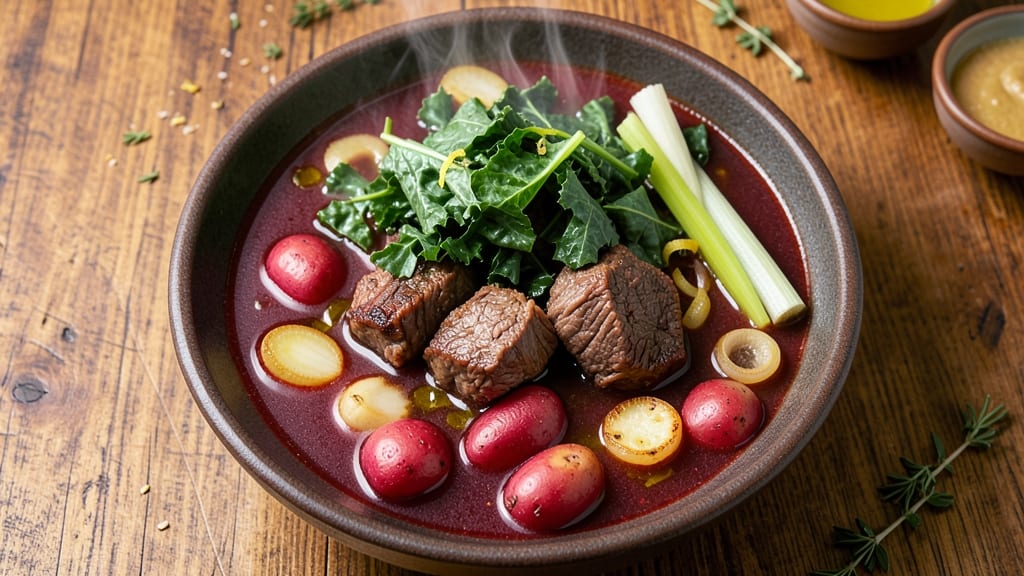
This beef and kale soup recipe delivers the ultimate hearty winter comfort in every steaming bowl, blending rich beef broth with earthy kale and tender vegetables. The secret lies in slow-cooked depth—searing beef for deep flavor while simmering aromatics into a fragrant base that transforms simple ingredients into something extraordinary.
I’ve perfected this version to balance robust beef with the natural bitterness of kale, creating a soup that’s both nourishing and deeply satisfying.
The process is straightforward but intentional: browning the beef develops a caramelized crust that forms the soup’s foundation, while simmering onions, garlic, and celery builds layers of flavor before adding kale and potatoes for texture.
A splash of red wine (optional but recommended) adds brightness, cutting through the richness while enhancing the beef’s natural depth. This isn’t just soup—it’s a one-pot meal that warms the soul and fills the kitchen with an aroma that announces dinner is ready.
What makes this recipe special is its versatility—adjust the kale-to-beef ratio for your preference, or swap in other hearty greens like spinach or Swiss chard.
The broth reduces to a velvety consistency, clinging to every bite, while the kale softens just enough to release its earthy sweetness without losing texture. Serve with crusty bread to soak up every last drop, or garnish with a sprinkle of fresh herbs for a touch of brightness.
This is the kind of soup that tastes even better the next day, making it perfect for meal prep.
Perfect for chilly evenings or as a make-ahead freezer staple, this recipe proves comfort food doesn’t require complicated techniques—just time and patience. The result is a restaurant-quality bowl that’s simple enough for weeknights but impressive enough for guests. Let’s get cooking!
Ingredients for beef and kale soup
Rich beef and vibrant greens come together for a soul-warming bowl of winter comfort.
| Ingredient | Amount | Notes |
|---|---|---|
| Chuck Roast 🥩 | 1 ½ lb | Pre-cut into 1-inch cubes |
| Yellow Onion 🧅 | 1 whole | Diced, medium size |
| Celery Stalks 🥬 | 3 whole | Diced, medium size |
| Garlic Cloves 🧄 | 4 cloves | Minced, fresh preferred |
| Kale Leaves 🥬 | 12 oz | Chopped, stems removed |
| Russet Potatoes 🥔 | 2 medium | Peeled, cubed (1-inch) |
| Carrots 🥕 | 4 medium | Peeled, sliced (1/4-inch) |
| Beef Broth 💧 | 4 cups | Low-sodium preferred |
| Red Wine 🍷 | ½ cup | Dry, optional but recommended |
| Tomato Paste 🍅 | 2 tbsp | Smooth, no sugar added |
| Olive Oil 🫒 | 2 tbsp | Extra-virgin for richness |
| Fresh Thyme 🌿 | 1 tbsp | Leaves only, chopped |
| Bay Leaves 🌿 | 2 whole | Dried, removed before serving |
| Salt 🧂 | 1 ½ tsp | Kosher or sea salt |
| Black Pepper 🌶️ | ½ tsp | Freshly ground preferred |
The chuck roast is non-negotiable here—its marbled fat renders into the broth, creating a velvety texture. Grab it from the butcher counter or pre-cubed section at Whole Foods or Costco for convenience. Look for pieces with good marbling (white flecks within the meat). If you're using a whole roast, cube it yourself—it cooks more evenly. For the kale, organic is ideal but any fresh bunch works. Remove the tough stems before chopping, or the texture will be off. Trader Joe's often has pre-washed kale at a great price, but regular grocery stores carry it too.
No red wine? Beef broth with 1 tbsp balsamic vinegar mimics its depth. Swap kale for spinach or Swiss chard if you prefer milder greens, but keep the same weight. The carrots and potatoes can be baby or regular size—just adjust the cooking time slightly if using larger pieces. For the tomato paste, Rao's or Muir Glen are solid choices, but any smooth, no-sugar-added brand works. The thyme? Fresh is best, but dried thyme at half the amount gets you close in a pinch. If you're short on time, frozen kale works too—just thaw and drain well.
This soup tastes even better the next day as flavors meld. Store in an airtight container in the fridge for up to 5 days, or freeze for 3 months in portions. For freezing, leave out the potatoes—they’ll turn mushy. Reheat gently on the stove, adding a splash of broth if needed. Garnish with fresh thyme or a drizzle of olive oil before serving. The aroma alone will have everyone rushing to the table.
Why You'll Love This Recipe
- Chuck Roast Magic: I swear by this slow-cooked chuck roast—it practically melts into rich, tender shreds while you’re chopping veggies. No fancy cuts, no stress; just cheap, flavor-packed beef that turns into something restaurant-worthy.
- Garlic-Kale Punch: That first bite of crisp-tender kale with garlic-infused broth? Chef’s kiss. The onions and celery build a sweet, savory base, but it’s the garlic that makes it sing—deep, aromatic, and impossible to resist.
- Weeknight Workhorse: Make a double batch on Sunday, and you’ve got lunch covered for days. The flavors only get better as it sits, and reheating? Just throw it in a pot with a splash of water. My go-to for busy mornings or post-work cravings.
- Budget Meal, Big Payoff: Chuck roast is the ultimate stretch—three pounds feeds my family for days, and the kale adds that healthy flex without breaking the bank. Honestly, I’d call it my secret weapon for feeding everyone well without guilt.
Step-by-step instructions for beef and kale soup
Transform humble ingredients into a deeply satisfying bowl of winter comfort.
Sear the Chuck Roast for Rich Flavor
Heat a large Dutch oven over medium-high heat until hot. Add 2 tablespoons olive oil and swirl to coat the bottom. Working in batches if needed, add the 1.5 lb chuck roast cut into 1-inch cubes and sear undisturbed for 2-3 minutes per side until deeply browned.
This crucial step develops the deep, meaty flavor that forms the foundation of your soup. You'll know it's ready when the edges are golden brown and the meat releases easily from the pan. Transfer the seared beef to a plate and set aside.
Build the Vegetable Base
In the same Dutch oven, add 1 diced whole yellow onion, 3 diced whole celery stalks, and 4 minced garlic cloves. Cook over medium heat for 5-6 minutes, stirring occasionally, until the vegetables soften and the garlic becomes fragrant.
Here's the thing—don't rush this step. The vegetables should sweat down and develop a rich, caramelized flavor. If they start to brown too quickly, reduce the heat slightly. Once they're tender and aromatic, add 2 tablespoons tomato paste and stir for 1 minute to deepen the sauce's complexity.
Simmer the Meat and Vegetables
Return the seared beef to the Dutch oven. Pour in 4 cups beef broth and 0.5 cup red wine, scraping up any browned bits from the bottom. Add 2 whole bay leaves, 1 tablespoon chopped fresh thyme, 1.5 teaspoons salt, and 0.5 teaspoon black pepper. Bring to a boil, then reduce heat to low and cover partially.
Simmer for 1 hour, stirring occasionally, until the beef is fork-tender and easily pulls apart. This low-and-slow cooking ensures the meat becomes melt-in-your-mouth tender while infusing the broth with rich flavor. If the soup reduces too much, add a splash of water or broth to maintain the proper consistency.
Add Potatoes and Carrots
Add 2 medium russet potatoes cut into 1-inch cubes and 4 medium carrots sliced into ¼-inch rounds to the simmering pot. Return to a gentle boil, then reduce heat to medium-low and cook uncovered for 15-20 minutes, stirring occasionally, until the potatoes are tender and the carrots are fork-tender.
You'll know they're done when a knife slides in easily and the edges of the potatoes begin to soften. The vegetables should be tender but still hold their shape slightly. If they cook too quickly, reduce the heat to maintain a gentle simmer.
Finish with Kale and Adjust Seasoning
Stir in 12 oz chopped kale leaves and cook for an additional 5-7 minutes until the kale wilts and becomes tender. Remove the 2 whole bay leaves before serving. Taste and adjust seasoning if needed—this is your final opportunity to balance the flavors.
This is where the soup comes together. The kale should be vibrant but tender, adding a touch of earthy freshness to the rich, hearty broth. Serve immediately with crusty bread to soak up every last drop of that comforting, flavorful broth.
Pro Tips For Making Beef And Kale Soup
- Brown the Chuck Roast: Walk away from that pot if you’re not seeing deep, caramelized bits on the meat. Chuck roast needs a good sear—high heat, 4-5 minutes per side—before you even think about adding liquid. I used to rush this, and the soup always tasted flat. Take your time; those browned bits dissolve into flavor gold.
- Cut Kale at the Right Time: Don’t toss in whole kale leaves expecting them to wilt magically. Roughly chop the stems and leaves, then add them only in the last 10 minutes of simmering. Kale turns mushy fast, and you want it tender-crisp, not sad. (Yes, even if you’re impatient like me.)
- Salt the Meat Before Browning: Season the chuck roast generously with salt before it hits the pan—this guarantees flavor penetration. I learned this the hard way after a batch tasted bland despite a well-seasoned broth. A pinch of black pepper here won’t hurt either; it’s a soup, not a crime scene.
- Deglaze with Wine First: After browning the meat, hit the pot with ½ cup of dry red wine (or broth) and scrape like you’re mad. This lifts those stuck-on bits into the soup, adding depth that plain water can’t match. Skip the wine? Use an extra splash of broth, but don’t skimp on the scraping—it’s the thing that matters most.
Common mistakes when making your beef and kale soup
Skipping the Sear
One of the biggest mistakes is skipping the sear on the chuck roast. That golden crust is where all the deep, meaty flavor develops through the Maillard reaction. If you just toss in raw beef cubes, your soup will taste bland and one-dimensional.
I’ve tried it both ways, and the difference is night and day—trust me, 2-3 minutes per side on high heat makes all the difference. 🔥
Under-Salting or Over-Salting
Seasoning is everything in soup, and I’ve seen both extremes: recipes that taste flat because they’re under-salted, and others that are too salty because the cook added all the seasoning at once. Start with 1.5 tsp salt and adjust as you go—taste the broth before adding the potatoes and kale.
Remember, you can always add more salt, but you can’t take it out. I like to add a little extra salt when the soup is done if needed, but it’s better to be conservative early on.
Rushing the Simmer
This soup needs time to develop its rich, layered flavors. If you rush the 1-hour simmer for the beef and vegetables, the meat won’t become tender, and the broth won’t infuse with enough flavor.
I’ve seen people try to speed it up by cranking the heat, but that just makes the broth cloudy and the meat tough. Keep it at a gentle simmer—you’re building depth, not just cooking. Patience here is key to a restaurant-quality bowl. ⏳
Adding Kale Too Early
Kale needs time to wilt and soften, but if you add it too soon, it’ll turn mushy and lose its vibrant texture. Wait until the potatoes and carrots are nearly done before stirring in the 12 oz chopped kale.
Cook it for just 5-7 minutes—any longer, and it’ll turn to sludge. I like to add it in the last 10 minutes to keep it tender-crisp, which adds a nice contrast to the creamy broth. 🥬
Ignoring the Bay Leaves
Bay leaves might seem like an afterthought, but they’re essential for adding that subtle, aromatic depth that elevates the soup. If you forget to add them or remove them too early, your soup will lack complexity.
Add them with the beef and broth, then fish them out just before serving. I’ve even seen people skip them entirely—don’t make that mistake! They’re the secret ingredient that ties all the flavors together. 🌿
Not Adjusting Seasoning at the End
Even the best-laid plans can go awry, and seasoning is no exception. After adding the kale, taste the soup and adjust the salt, pepper, or even a splash of red wine or lemon juice if it needs brightness.
I’ve had soups where the kale made everything taste bitter, or the broth needed a little more salt. Don’t be afraid to tweak it—this is your chance to perfect the flavor before serving. 💡
Nutrition facts
Frequently asked questions
Can I use ground beef instead of chuck roast?
Yes, but the texture will differ! Ground beef works in a pinch, but it won't develop the same rich, melt-in-your-mouth tenderness. For best results, use 80/20 ground chuck and brown it thoroughly to create depth. If you do swap, reduce the cooking time to 30-40 minutes after adding the potatoes and carrots.
How do I make this soup vegetarian?
Swap the beef for 1.5 lbs mushrooms (cremini or portobello) and use vegetable broth instead. For protein, add 1 can white beans or 1 cup lentils when simmering the broth. Boost umami with 1 tbsp soy sauce or 1 tsp miso paste in the vegetable base. The kale and potatoes will still shine!
Can I make this in an Instant Pot?
Sear the beef first, then add all ingredients except kale. Cook on high pressure for 30 minutes followed by a 10-minute natural release. Add kale during the last 5 minutes of cooking. The Instant Pot cuts time but maintains incredible flavor—just be sure not to skip the sear!
Why does my kale turn bitter?
Overcooking or adding kale too early causes bitterness. Always add it in the last 5-7 minutes of cooking, and keep the heat gentle. For extra flavor balance, stir in 1 tsp sugar or a splash of lemon juice when adding kale. Fresh kale is less bitter than wilted—choose young, tender leaves when possible.
How can I make this soup creamier?
For a velvety texture, stir in ½ cup coconut milk or ¼ cup heavy cream during the last 5 minutes of cooking. For a dairy-free option, blend 1 cup broth with 2 tbsp nutritional yeast and stir it back in. The potatoes naturally thicken the broth as they cook—just make sure they're fully tender first!