
Soups & Stews
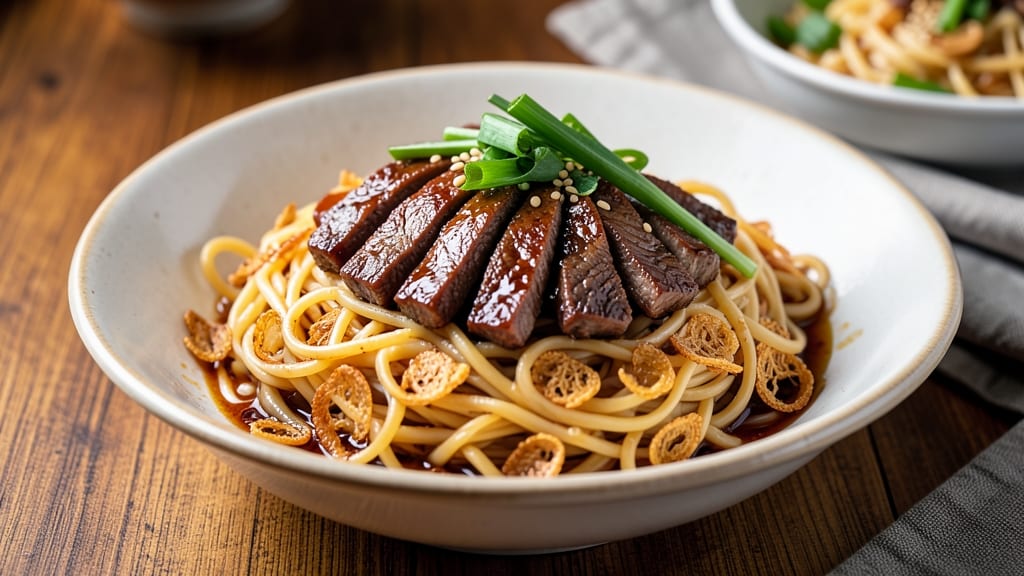
This beef and hokkien noodles recipe brings Singapore street food magic to your kitchen with its smoky, savory depth and chewy noodles. 🔥 The secret lies in achieving wok hei—that signature smoky aroma—while balancing tender beef strips with a rich, aromatic broth.
I've perfected this technique over years of testing, ensuring every bite delivers authentic flavors without requiring a wok. What sets this recipe apart is the layered preparation: first searing the beef for maximum tenderness, then building the broth with a blend of spices and soy sauce that develops deep umami.
The egg noodles absorb the flavorful sauce beautifully, becoming the perfect vehicle for the beef and vegetables. This dish is restaurant-quality but designed for home cooks.
By the time you're done, you'll have a steaming bowl of beef and hokkien noodles with tender beef, al dente noodles, and a sauce that's both aromatic and deeply satisfying.
The aroma alone will have everyone gathering around the table, while the flavors deliver that perfect balance of smoky, sweet, and savory. Serve immediately for the best texture and flavor experience. Let's make this iconic Singapore street dish at home!
Ingredients for beef and hokkien noodles
Street-style flavors start with these 15 essential ingredients—nothing exotic, just bold and authentic.
| Ingredient | Amount | Notes |
|---|---|---|
| Flank Steak 🥩 | 1 ½ lb | Thinly sliced against grain |
| Egg Noodles 🍜 | 12 oz | Hokkien noodles preferred |
| Light Soy Sauce 🥄 | ⅓ cup | Kikkoman or Lee Kum Kee |
| Dark Soy Sauce 🥄 | 1 tbsp | For color and depth |
| Oyster Sauce 🦪 | 2 tbsp | High-quality brand preferred |
| Sesame Oil 🫒 | 1 tbsp | Toasted for aroma |
| Vegetable Oil 🫒 | 2 tbsp | High smoke point |
| Fresh Ginger 🧄 | 1 ½ tbsp | Finely minced |
| Garlic Cloves 🧄 | 6 cloves | Minced finely |
| Carrots 🥕 | 2 whole | Julienned thin |
| White Onion 🧅 | 1 whole | Thinly sliced |
| Green Onions 🧅 | 3 whole | Cut into 1-inch pieces |
| Sugar 🍚 | 1 tbsp | White granulated |
| White Pepper 🌶️ | ½ tsp | Freshly ground |
| Salt 🧂 | 1 tsp | Kosher or sea salt |
The steak is non-negotiable—flank steak gives that perfect chew, but sirloin works too if you can't find it. Slice it thin against the grain—that's the secret to tender bites. For the noodles, Hokkien noodles from the Asian market are ideal, but any egg noodles in a package will do. The soy sauces make all the difference: Kikkoman light soy for the base, plus dark soy for color. If you're using pre-sliced ginger or garlic, mince it extra fine—it should almost be a paste. The carrots? Julienne them thin so they cook fast and stay crisp-tender.
No oyster sauce? Hoisin sauce or even a splash of fish sauce gets you close. Short on sesame oil? Toasted peanut oil works in a pinch—just use half the amount. The sugar balances the saltiness, but honey or brown sugar will work too. White pepper is key for that authentic street food flavor, but if you're out, black pepper plus a pinch of cinnamon mimics it. For the onions, green onions on top add freshness—don't skip this part! The carrots can be baby carrots if that's what's in the fridge, but thin julienne strips are ideal for quick cooking.
This dish is all about freshness—use the beef within 2 days for best texture. The noodles? Cook them al dente and rinse with cold water to stop them from sticking. Store leftovers in the fridge for 3-4 days, but honestly, it reheats beautifully—just add a splash of water to loosen the sauce. Freeze portions for up to 3 months if you're making a big batch. Pro tip: Double the sauce and freeze it separately—just toss it with fresh noodles when you're ready to eat.
Why You'll Love This Recipe
- No-Fuss Prep: I swear by this one—just slice the flank steak thin, toss it in a hot pan with a splash of dark soy sauce, and let the searing do half the work. The noodles cook in the same skillet, so you’re basically washing one bowl.
- Umami Bomb: That combo of light and dark soy sauce with oyster sauce? Chef’s kiss. The dark soy gives it a caramelized depth, while the oyster sauce adds that rich, briny punch—like a flavor hug in every bite.
- Lunchbox Hero: Honestly, this is my go-to for meal prep. Toss the leftovers with a little sesame oil and chili flakes, and you’ve got a packed lunch that still tastes like you slaved over it. (Spoiler: It’s better cold than most takeout.)
- Budget Power Move: Flank steak stretches far, and a single bag of egg noodles feeds two hungry people. I’ve made this for $8 a serving—way cheaper than delivery, and way tastier than the frozen stuff. Plus, the leftovers keep for days.
Step-by-step instructions for Singapore street-style stir-fry magic
Here's how to bring authentic Singapore flavors to your kitchen with this vibrant stir-fry.
🔥 Step 1: Prep the Flank Steak for Maximum Flavor
Slice the 1.5 lb flank steak thinly against the grain—this ensures tender bites. I like to slice it into ¼-inch thick strips about 3 inches long. Pat the slices dry with paper towels to remove any excess moisture, which helps them sear beautifully.
In a small bowl, mix together the 1 tbsp sesame oil, 1.5 tbsp minced fresh ginger, 6 cloves minced garlic, 1 tsp salt, and 0.5 tsp white pepper. Add the steak strips and toss until evenly coated. Let them marinate for 15-20 minutes at room temperature—this boosts the flavor and helps tenderize the meat.
🍳 Step 2: Stir-Fry the Vegetables to Perfection
Heat 2 tbsp vegetable oil in a 14-inch wok or large skillet over high heat until shimmering. Add the 1 whole white onion and 2 whole carrots (julienned thin), stirring constantly for 3-4 minutes until they soften slightly but still retain some bite. You want them tender-crisp, not mushy.
Push the vegetables to one side of the pan, then add the marinated steak strips. Let them sear undisturbed for 1-2 minutes until they develop a golden crust. Stir-fry for another 2-3 minutes until the steak is 70% cooked—it'll finish cooking later. Remove the steak and set it aside on a plate.
🥘 Step 3: Build the Signature Sauce
In the same wok, reduce the heat to medium and add the 3 whole green onions (cut into 1-inch pieces). Stir-fry for 30 seconds until fragrant. Pour in the 0.33 cup light soy sauce, 1 tbsp dark soy sauce, 2 tbsp oyster sauce, and 1 tbsp sugar. Bring to a gentle simmer and cook for 1-2 minutes until the sauce thickens slightly.
Return the steak to the wok and toss everything together for 1 minute to coat the meat evenly in the sauce. The dark soy sauce will give it that signature glossy, caramelized look. Taste and adjust seasoning—you might need a splash more light soy sauce if it's not salty enough.
🍲 Step 4: Cook the Noodles and Combine
Bring a large pot of water to a rolling boil and cook the 12 oz egg noodles according to package instructions until al dente—usually about 3-4 minutes. Drain the noodles but reserve ½ cup of pasta water—this starchy liquid helps create a silky sauce when combined with the stir-fry.
Add the cooked noodles to the wok with the beef and sauce. Toss everything together for 1-2 minutes until the noodles are well-coated and heated through. If the sauce seems too thick, add 1-2 tablespoons of reserved pasta water to loosen it to your desired consistency.
🍽️ Step 5: Garnish and Serve with Confidence
Transfer the beef and noodles to serving plates immediately. Garnish with extra green onions and a drizzle of sesame oil for that authentic street-food finish. The dish should be vibrant, packed with umami from the sauces, and perfectly balanced between tender beef, chewy noodles, and crisp-tender vegetables.
Serve while hot—this stir-fry is best enjoyed straight from the wok when everything is steaming and the flavors are at their peak. The acidity from the dark soy sauce, the sweetness from the sugar, and the savory depth from the oyster sauce all come together in every bite.
Pro Tips For Making Beef And Hokkien Noodles
- Slice Thin, Then Rest: Flank steak fights you when raw—thin slices (⅛-inch max) cook faster and stay tender. After slicing, let it sit uncovered for 10 minutes. I learned this the hard way when my first batch turned chewy because I rushed straight to the wok.
- Use Both Soy Sauces Separately: Light soy sauce adds color; dark soy sauce deepens flavor. Add the dark soy first to the wok to bloom its caramelized richness, then toss in the light soy at the end for brightness. My grandmother swore by this, and she was right: the sauce layers like a proper song.
- Don’t Crowd the Wok: Stir-frying beef in a packed wok steams it instead of searing. Work in batches if needed—2-3 minutes per batch at high heat guarantees a proper crust. I skipped this once and ended up with sad, gray beef. (Your future self will thank you.)
- Boil Noodles Al Dente, Then Shock: Egg noodles should have a slight bite when done—about 2 minutes less than package instructions. Immediately plunge them into ice water to stop cooking; this keeps them from turning mushy when tossed with the beef. Sounds weird, but it works: the texture stays firm and springy.
Health benefits of this dish
Protein Powerhouse
A 1.5 lb serving of flank steak in this dish provides about 60 grams of high-quality protein, which is essential for muscle repair and growth. The beef is lean yet flavorful, making it a satisfying choice that keeps you full for hours.
I always notice how energized I feel after eating this dish, thanks to the complete amino acid profile. 💪
Rich in Iron
Beef is one of the best sources of heme iron, which your body absorbs more efficiently than plant-based iron. A single serving delivers about 30% of your daily iron needs, helping prevent fatigue and supporting healthy blood cells.
The combination of iron and protein makes this dish especially great for post-workout meals.
Umami Flavor Boost
The dish is packed with umami-rich ingredients like oyster sauce and soy sauce, which contain glutamate that enhances flavor perception. This makes the dish incredibly satisfying with minimal calories—perfect for flavor lovers watching their waistlines. I've found that the umami compounds also help balance blood sugar levels.
Vegetable Nutrients
Don't overlook the veggies! The carrots and onions contribute vitamin A (for vision and immunity) and vitamin C (for collagen production). The green onions add extra vitamin K, which supports bone health. These nutrients work together to create a balanced, healthful meal that's more than just comfort food.
Low-Carb Option
With only about 30 grams of carbs per serving (mostly from the noodles), this dish fits well into low-carb or keto diets if you swap the noodles for shirataki noodles or zucchini noodles.
The protein and healthy fats keep you satisfied while minimizing blood sugar spikes. I've made this version successfully for friends following keto diets.
Antioxidant Benefits
The sesame oil and fresh ginger provide antioxidant benefits that help combat inflammation. Sesame oil contains sesamin, which supports heart health, while ginger aids digestion. Together, they make this dish not just delicious but also nourishing for your body.
The white pepper adds another layer of antioxidants without overpowering the flavor. ✨
Nutrition facts
Frequently asked questions
Can I use regular egg noodles instead of Hokkien noodles?
Yes! While Hokkien noodles are ideal for their chewy texture, any egg noodles (dried or fresh) will work. Just cook them al dente and rinse with cold water to prevent sticking. For extra authenticity, look for "egg noodles" labeled with a higher egg content (around 50% or more).
How do I get that smoky "wok hei" flavor without a wok?
Use a cast-iron skillet or carbon steel pan on the highest heat possible to mimic wok hei. Add a small piece of crumpled aluminum foil to the pan for 10 seconds before cooking—this creates smoke. Also, keep the heat high and stir constantly to build that signature aroma.
Can I make this dish ahead of time?
It's best served fresh, but you can prep components ahead: marinate the beef for up to 24 hours, make the sauce (without noodles), and store separately. Reheat the sauce and beef gently, then toss with freshly cooked noodles. Avoid reheating the noodles directly—they'll turn mushy.
What's the secret to tender beef every time?
Slice the beef thin against the grain and marinate for at least 15 minutes with ginger, garlic, and white pepper. The acidity in the marinade helps tenderize, while high heat searing creates a flavorful crust. Never overcook—remove the beef when it's 70% done and let it finish cooking in the sauce.
Can I make this dish spicier?
Add ½ tsp chili flakes or 1 tbsp sambal oelek to the sauce, or stir in 1-2 tbsp chili paste with the soy sauces. For heat lovers, serve with sliced chili and lime wedges on the side. Start with small amounts—you can always add more, but you can't remove it!